
How Long Do DTF Transfers Last? Wash Durability Guide (2026)
Quick Answer: A correctly applied DTF transfer typically survives 50–80 wash cycles under normal home washing, and well past 80 washes under optimal care (cold wash, air dry). Most transfers that fail early aren't a DTF limitation — they fail because of under-curing, incorrect heat press settings, or poor-quality ink and powder, not because DTF as a method is inherently short-lived.
| 50+ Washes (standard care) |
80+ Washes (optimal care) |
300–325°F Typical cure/press temp |
10–15s Typical press time |
Real Wash-Test Results
Wash durability isn't a single fixed number — it depends heavily on care conditions and how the transfer was applied in the first place. Here's what shows up consistently across real-world testing:
| Care Level | Typical Wash Count | Conditions |
|---|---|---|
| Standard home care | 30–50 washes | Cold-to-warm water, machine wash, tumble dry low |
| Optimal care | 60–80+ washes | Cold wash, inside-out, air dry |
| Poor conditions | 10–20 washes | Hot water, high-heat drying, harsh detergent |
One washing rule of thumb: a shirt washed once a week hits 50 washes in about a year — meaning a well-applied DTF print realistically outlasts the normal wear life of most casual garments.
5 Factors That Actually Determine How Long a DTF Print Lasts
1. Ink Quality
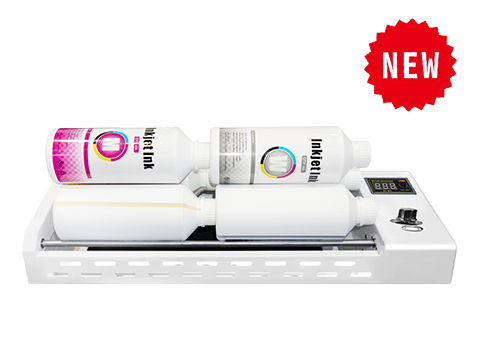
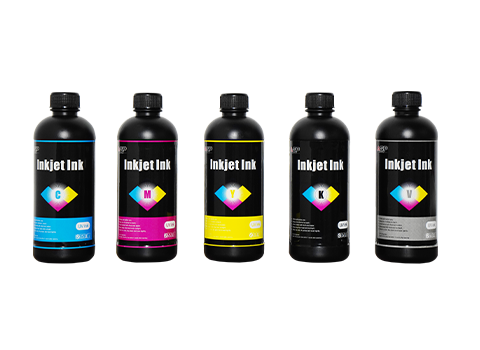
Pigment ink with enough resin content bonds properly with the hot melt powder layer. Lower-quality ink with insufficient resin content is one of the most common — and least visible — causes of early fading, since the problem doesn't show up until after several washes.
2. Adhesive Powder & Coverage
The powder layer is what actually holds the design to the fabric. Powder that's applied too thin, unevenly, or with excess not properly shaken off leaves weak spots that crack or peel first — usually right at the edges or fine detail lines.
3. Curing Temperature & Time
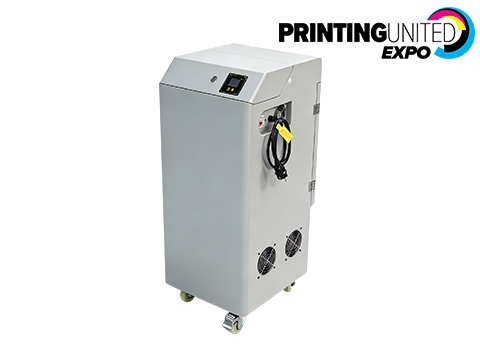
Under-curing is the single biggest cause of early transfer failure. If the powder isn't fully melted during curing, the adhesive never bonds properly — no amount of correct heat pressing afterward can fix a transfer that was under-cured at the film stage. See our Curing Oven vs Heat Press guide for getting this step right.
4. Heat Press Settings
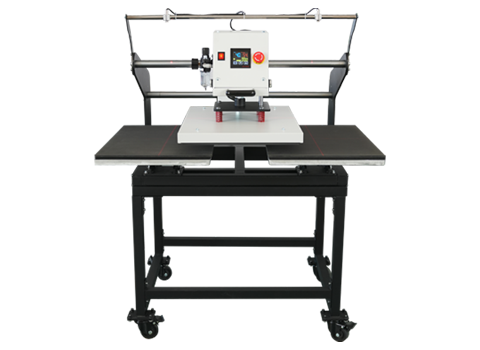
Most DTF films transfer well around 300–325°F (150–165°C) with medium-firm pressure for 10–15 seconds — but exact numbers vary by film brand. Too little heat or pressure leaves a weak bond; too much can scorch the film or over-harden the adhesive layer.
5. Fabric Type
DTF bonds most reliably to natural fibers like cotton. Performance and stretch fabrics need adhesive powder rated for flexibility, since a standard powder can crack under repeated stretching even if the initial press was done correctly.
How DTF Durability Compares to Other Methods
| Method | Typical Wash Durability |
|---|---|
| DTF | 50–80+ washes with correct application |
| Screen Printing | 50–100+ washes, slight edge at very high volume with proper curing |
| HTV (Vinyl) | Comparable to DTF, but more prone to cracking on complex, multi-color designs |
| DTG | Generally lower — 30–50 washes, more dependent on pre-treatment quality |
See the full breakdown of when each method makes sense beyond just durability in our DTF vs Screen Printing, DTF vs DTG, and DTF vs HTV guides.
Wash Care Guide: What to Tell Your Customers
Many print shops share these care instructions directly with customers to get the longest life out of every transfer:
- Wash inside-out in cold or warm water, never hot
- Skip the dryer when possible, or use low heat if needed
- Avoid fabric softener directly on the print area — it can break down the adhesive bond over time
- Don't iron directly on the design — iron inside-out or avoid the printed area entirely
- Wait at least 24 hours after pressing before the first wash, giving the adhesive bond time to fully cure
Signs of Wear: What's Actually Failing
| What You See | Likely Cause |
|---|---|
| Cracking in fine lines or text | Powder layer too thin, or under-cured before pressing |
| Whole design peeling at the edges | Heat press temperature, pressure, or time too low |
| Color fading evenly across the design | Lower-quality ink, or repeated hot-water washing |
| Stiff, brittle feel after a few washes | Over-cured or over-pressed, hardening the adhesive layer |
If you're seeing these issues on your own production, our DTF Printing Problems & Solutions guide walks through the fix for each one in detail.
Frequently Asked Questions
How many washes does a DTF transfer really last?
A correctly applied DTF transfer typically lasts 50–80 wash cycles under normal home washing, and can exceed 80 washes with optimal care like cold washing and air drying. Poor application or harsh washing conditions can cut that down to as few as 10–20 washes.
Why did my DTF print crack after only a few washes?
Early cracking almost always points to under-curing — the adhesive powder wasn't fully melted before or during the heat press step, so the bond never fully formed. Check your curing temperature and dwell time against your film's spec sheet.
Does DTF last longer than screen printing?
They're comparable — both methods typically reach 50–100 washes with correct application. Screen printing can hold a slight durability edge at very high production volumes with properly cured ink, but the practical difference for most customers is minimal.
Can I make a DTF transfer last longer after it's already pressed?
Yes — washing inside-out in cold water, avoiding the dryer, skipping fabric softener on the print area, and not ironing directly over the design all meaningfully extend a transfer's usable life after it's already been applied.
Want every transfer you press to hit the top end of that range?
Get your curing and pressing settings right with our Curing Oven vs Heat Press Guide.