
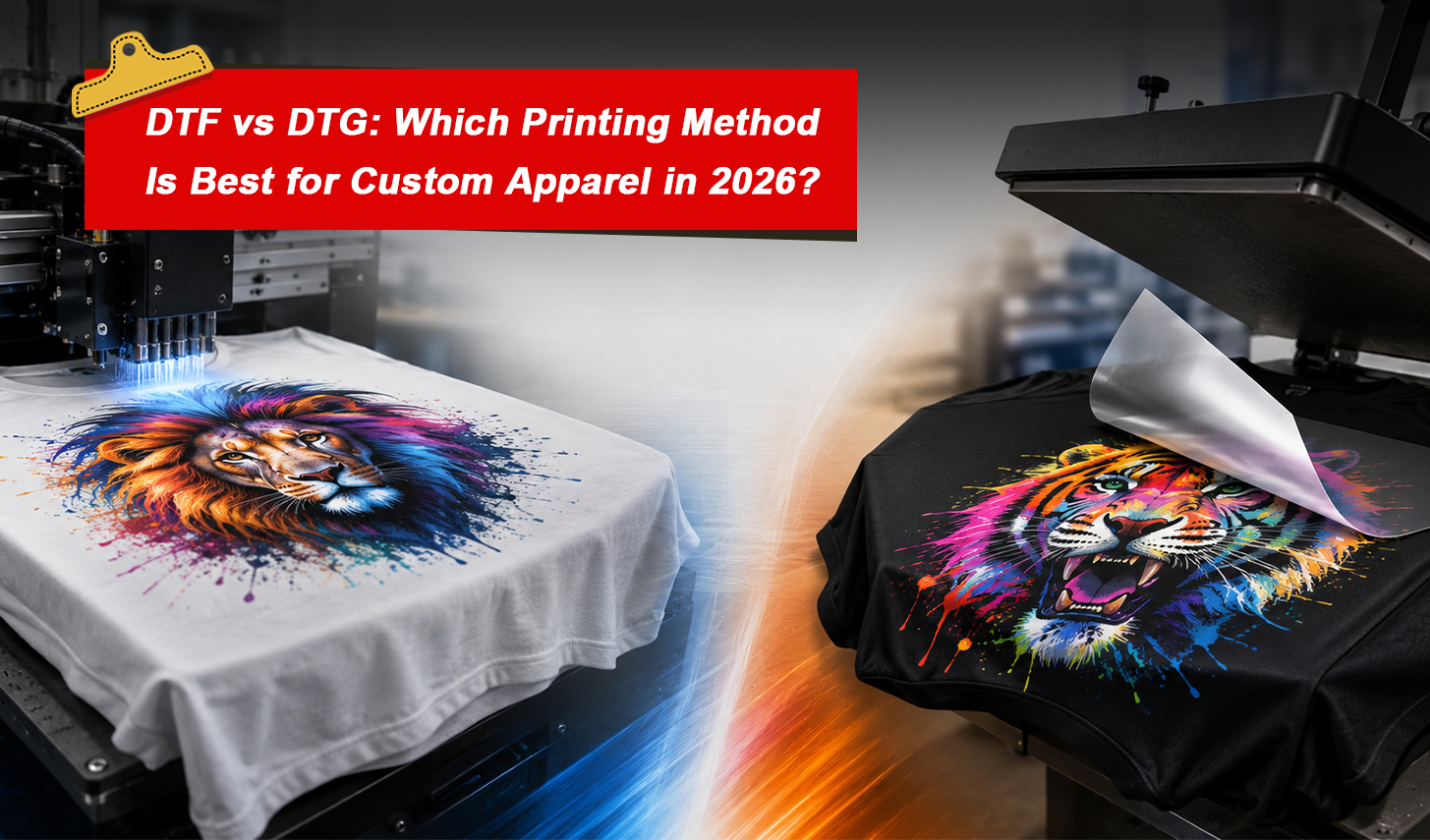
DTF vs DTG: Which Printing Method Is Best for Custom Apparel in 2026?
Quick Answer: DTG (Direct-to-Garment) printing sprays ink directly into the fabric, giving a soft, breathable feel that works best on 100% cotton. DTF (Direct-to-Film) printing prints onto a film first, then heat-presses the design onto the garment, working across cotton, polyester, blends, and performance fabrics with lower equipment costs and no pretreatment step. If your business is built on cotton apparel and you want the softest possible feel, choose DTG. If you need fabric flexibility, lower startup cost, and the ability to pre-print transfers for later use, choose DTF.
DTG and DTF are the two dominant digital printing methods for custom apparel today, and they're often confused for one another simply because both replaced screen printing for detailed, full-color, small-batch designs. But the way each method actually applies ink to a garment is fundamentally different — and that difference drives real decisions around fabric choice, cost, feel, and durability. Here's exactly how they compare.
What Is DTG Printing?
DTG (Direct-to-Garment) printing uses a modified inkjet system that sprays water-based ink directly onto the fabric, similar to printing a photo onto paper. The garment is loaded flat onto a platen, pretreated to help the ink bond properly (especially important for dark garments), and printed directly — no intermediate film or transfer step involved.
Best for: 100% cotton garments, designs with fine detail or subtle gradients, and brands prioritizing the softest possible hand feel.
What Is DTF Printing?
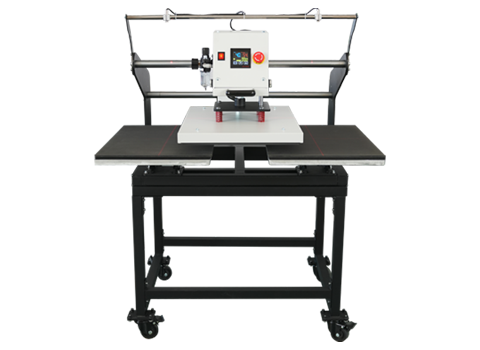
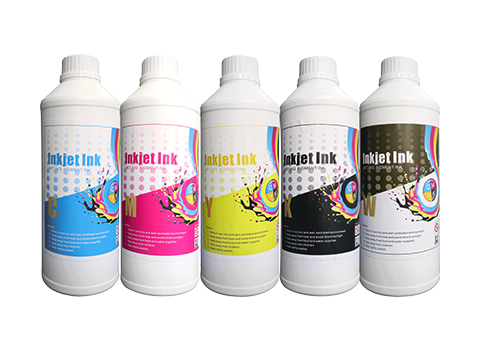
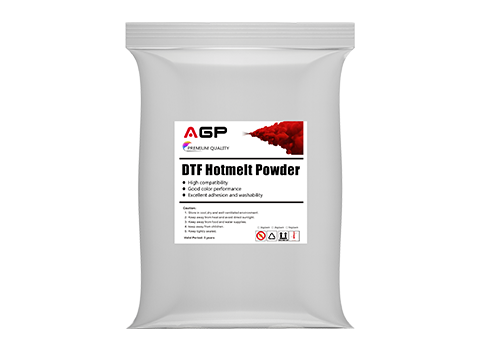
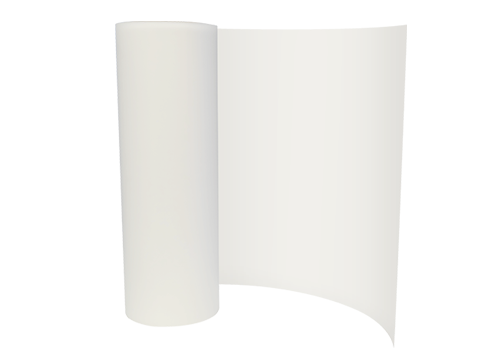
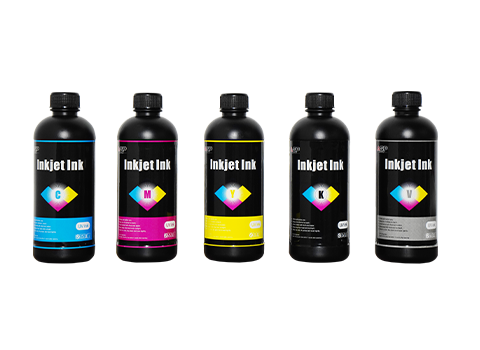
DTF (Direct-to-Film) printing prints a design onto a PET film using pigment ink, applies hot-melt adhesive powder over it, cures the powder, and then transfers the finished design onto the garment using a heat press. Because the design is built on film first, transfers can be printed in advance and pressed onto garments whenever needed.
Best for: cotton, polyester, blends, and performance fabrics; dark-colored garments; businesses wanting lower equipment cost and pre-printed, on-demand transfers.
Which Fabrics Work Best With Each Method?
This is the clearest practical difference between the two. DTG performs best on 100% cotton — the water-based ink needs natural fiber to bond properly, and pretreatment is required as an added step before printing. DTF works across a much wider range — cotton, polyester, nylon blends, and even some performance fabrics — because the adhesive bonds to the fabric surface rather than depending on fiber absorption.
Which Produces Better Print Quality and Detail?
DTG has a slight edge on extremely fine detail and subtle gradients, since ink is sprayed with precise dot placement directly into the fabric — closer to printing a high-resolution photo. That said, modern DTF technology has closed much of this gap, and for the vast majority of everyday designs, most people can't tell the difference without close inspection. Color vibrancy is strong with both methods, though DTG colors can look slightly more muted on dark garments since the ink is absorbed into the fiber even with a white underbase, while DTF colors tend to stay vibrant regardless of garment color.
Which Feels Better to Wear — DTG or DTF?
DTG ink soaks into the fabric, so the print becomes part of the garment and feels soft and breathable — especially noticeable on heavier cotton like a 300gsm tee or 480gsm hoodie. DTF transfers sit on top of the fabric surface, giving a cleaner, more defined edge, but with a slightly more noticeable texture at first touch. This texture typically softens somewhat after the first few washes.
Which Is More Durable — DTG or DTF?
DTF is generally the more durable option for heavy or frequent washing. Because the design bonds to the surface as a flexible, elastic layer rather than being absorbed into the fibers, DTF prints resist cracking and fading better under aggressive commercial washing — making it a strong choice for work uniforms or athletic wear. DTG prints are also durable with proper care, but may fade slightly faster over repeated washes if care instructions (cold water, gentle cycle) aren't followed closely.
Which Has Lower Startup and Equipment Costs?
DTF generally wins here. DTG printers require pretreatment machines, specialized inks, and more involved maintenance routines, which raises both upfront and ongoing costs. DTF setups — a DTF printer, powder shaker, and heat press — typically cost less to start and skip the pretreatment step entirely, which also simplifies day-to-day workflow.
Which Is Better for On-Demand and Print-on-Demand Businesses?
DTF has a distinct advantage for on-demand models: transfers can be printed and stored in advance, then pressed onto garments only when an order comes in. This decouples printing from fulfillment and makes it easier to batch-produce designs ahead of demand. DTG prints directly onto the finished garment in one step, which works well for quick, single-item turnaround but doesn't offer the same "print now, apply later" flexibility.
Can You Run Both DTG and DTF in the Same Shop?
Yes, and many growing shops do exactly this. Running DTG for premium cotton basics where hand-feel matters most, alongside DTF for mixed-fabric orders, dark garments, and on-demand fulfillment, lets a single business cover more of the apparel market without compromising quality on either side.
DTG vs. DTF at a Glance
| Factor | DTG | DTF |
|---|---|---|
| How it works | Ink sprayed directly onto garment | Printed on film, then heat-pressed onto garment |
| Best fabric | 100% cotton | Cotton, polyester, blends, performance fabrics |
| Pretreatment required | Yes | No |
| Hand feel | Soft, breathable — ink absorbed into fabric | Slightly raised at first, softens after washing |
| Durability (heavy washing) | Good; can fade with aggressive washing | Very good; flexible layer resists cracking |
| Startup cost | Higher | Lower |
| Print-in-advance capability | No — prints directly to order | Yes — transfers can be pre-printed and stored |
| Best for | Cotton basics, premium soft-feel apparel | Mixed fabrics, dark garments, on-demand fulfillment |
Which Should You Choose?
Choose DTG if your business is built primarily around 100% cotton apparel and the softest possible hand feel is a priority for your brand.
Choose DTF if you need to print across multiple fabric types, want lower startup and ongoing equipment costs, or plan to run a print-on-demand model where transfers are prepared in advance and pressed as orders come in.
No rule says you have to pick only one — many successful shops run both, matching each method to the orders it handles best.
Conclusion: Matching the Method to Your Product Mix
DTG and DTF are both mature, professional-grade printing technologies — the right choice depends on your fabric mix, budget, and business model rather than one method being universally "better." For most small-to-medium apparel businesses prioritizing fabric flexibility, lower startup investment, and the ability to prepare transfers ahead of demand, DTF remains the more practical entry point.
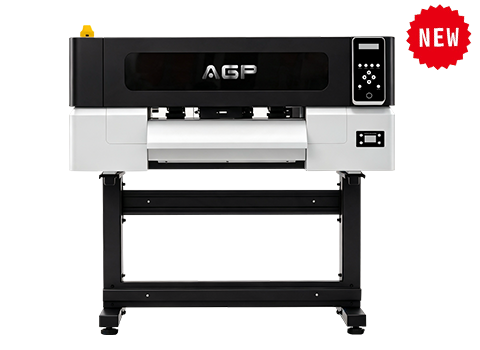
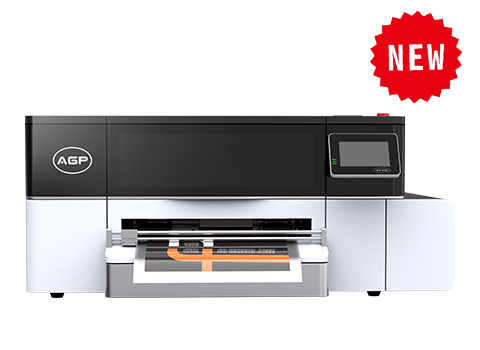
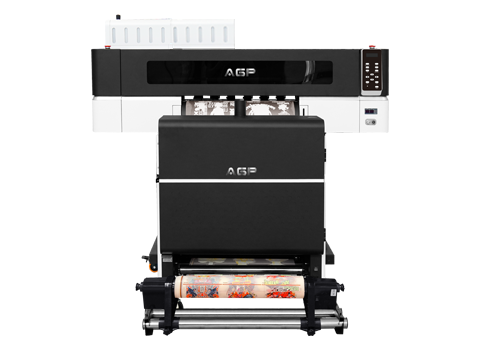
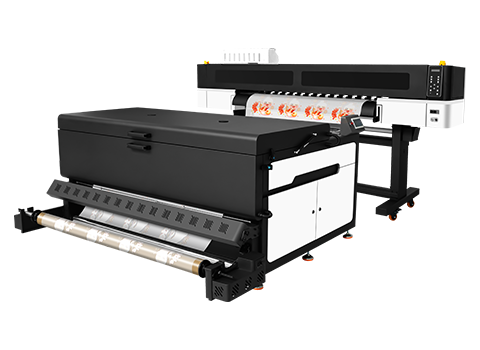
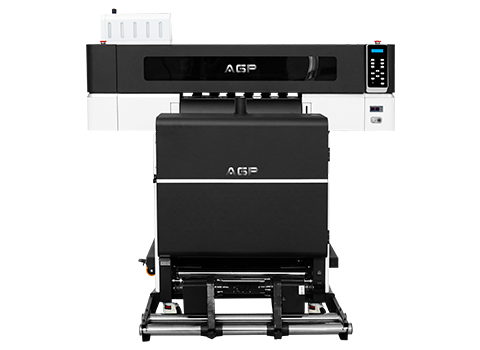
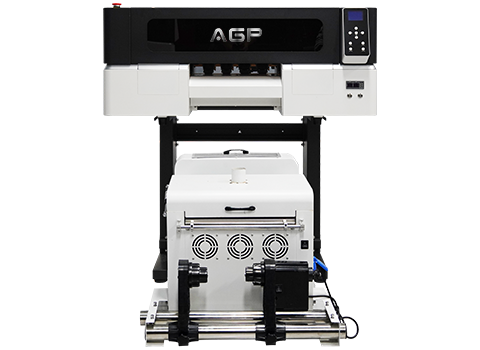
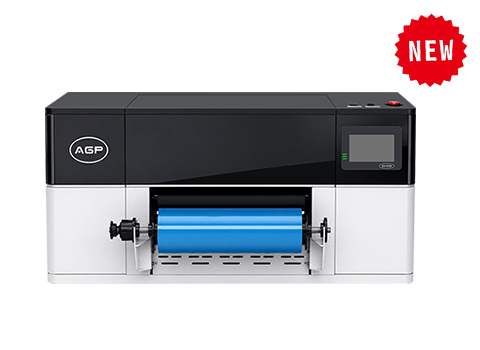
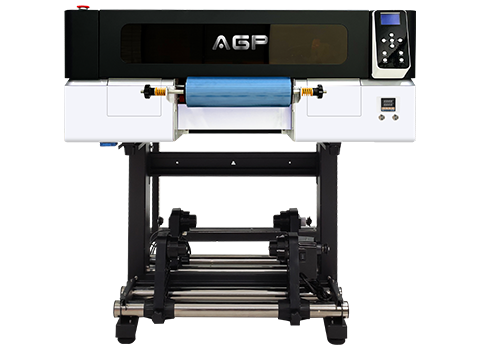
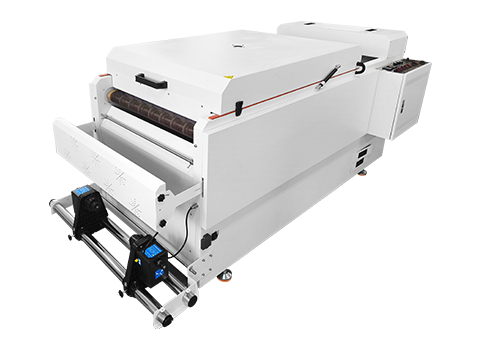
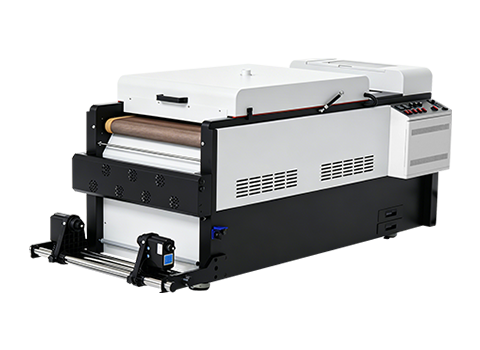
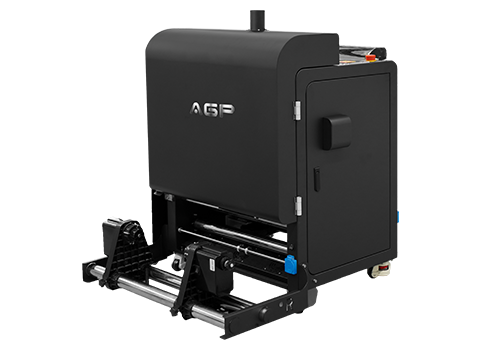
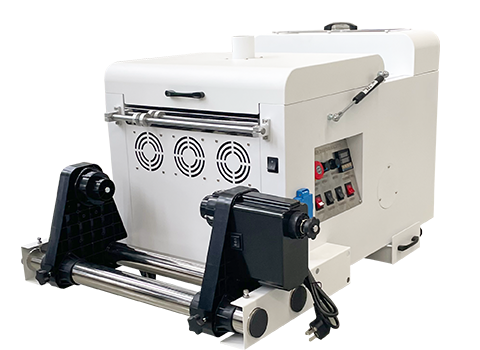
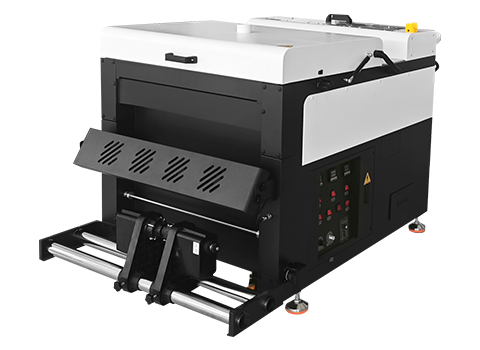
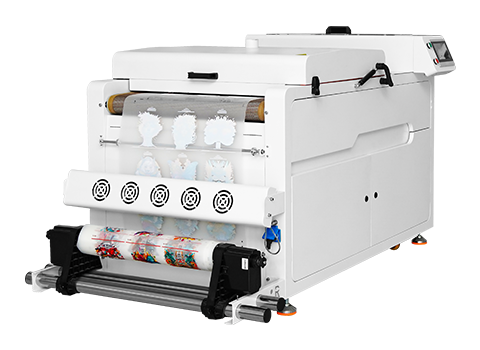
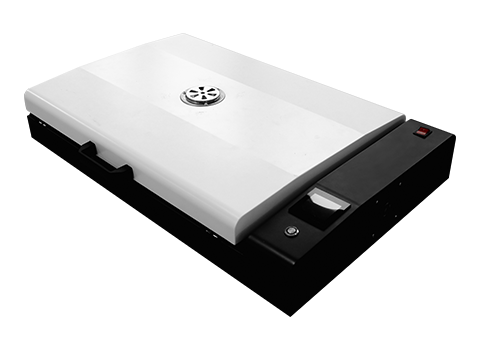
AGP manufactures a full range of DTF printers, along with powder shakers, curing ovens, and heat press machines to help you build a complete, cost-effective DTF production line. Contact our team to find the right equipment for your product mix.
FAQ: DTF vs DTG Questions
Is DTF better than DTG?
Neither is universally better — DTF offers more fabric flexibility and lower startup cost, while DTG offers a softer hand feel and slightly better fine detail on cotton garments. The right choice depends on your fabric mix and budget.
Can DTG print on polyester?
DTG is designed primarily for cotton and natural fibers; results on polyester and synthetic blends are generally weaker, which is where DTF's broader fabric compatibility becomes an advantage.
Does DTF feel different from DTG on a shirt?
Yes. DTG ink absorbs into the fabric for a soft, breathable feel, while DTF sits slightly on the surface with a more defined edge — a texture that typically softens after the first few washes.
Which is cheaper to start, DTF or DTG?
DTF is generally cheaper to start, since it doesn't require pretreatment equipment and typically has lower upfront machine costs compared to DTG systems.
Which lasts longer after washing, DTF or DTG?
DTF tends to hold up better under frequent, aggressive washing since the transfer layer is flexible and resists cracking, while DTG prints can fade slightly faster if care instructions aren't followed closely.
Can I switch from DTG to DTF without changing my whole workflow?
Largely yes — DTF removes the pretreatment step DTG requires and adds a heat press step instead, so the workflow changes but doesn't require retraining your whole team from scratch.
Should my print shop offer both DTG and DTF?
Many shops do, using DTG for premium cotton items where feel matters most and DTF for mixed-fabric orders, dark garments, and on-demand fulfillment — covering more of the market without compromising quality.