
DTF Printing Safety: A Complete Guide to Ventilation, Fumes, and Workspace Setup
Quick Answer: DTF printing is generally low-risk compared to solvent-based methods like screen printing, but the curing step releases VOC fumes and fine adhesive powder particles that require proper ventilation. A safe setup combines cross-ventilation or an open window with a fan, a dedicated air purifier with HEPA and activated carbon filtration, and basic PPE (a mask and eye protection) when handling powder. Small-scale operations typically don't need special environmental permits, but a well-ventilated, dedicated workspace is essential.
DTF printing is often praised for skipping the harsh solvents used in screen printing — and compared to those older methods, it is meaningfully safer. But "safer" doesn't mean "no precautions needed." The curing step, where hot-melt adhesive powder melts under heat, releases both fine airborne particles and volatile organic compounds (VOCs) that build up quickly in an enclosed space. This guide covers exactly what those risks are and how to set up a workspace that keeps you and your team safe.
Is DTF Printing Safe? What Fumes and Particles Does It Actually Produce?
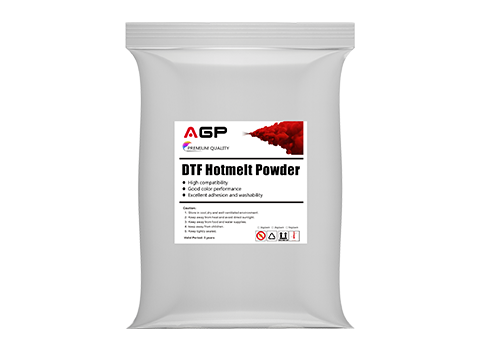
DTF printing involves three materials with distinct safety considerations: water-based pigment ink (low-toxicity, but ink mist from prolonged exposure in enclosed spaces isn't ideal), hot-melt adhesive powder (a fine TPU-based powder that becomes airborne during shaking and application), and the curing process itself (heating that powder releases VOCs as the thermoplastic melts). None of these are as hazardous as the solvent-based inks used in traditional screen printing, but airborne exposure adds up over a full production day.
What Are the Main Health Risks Without Proper Precautions?
- Respiratory irritation: Inhaling fine adhesive powder particles or accumulated VOC fumes over time can cause throat and lung irritation, especially in poorly ventilated spaces.
- Eye irritation: Loose powder particles can easily become airborne during shaking and application, making eye protection worthwhile.
- Headaches and fatigue: Prolonged exposure to accumulated curing fumes in an enclosed room is a common complaint among operators without adequate airflow.
- Equipment damage: Fine powder isn't just a health concern — airborne particles settling on and inside printers, ovens, and electronics can accelerate clogging and equipment wear.
How Much Ventilation Do You Actually Need?
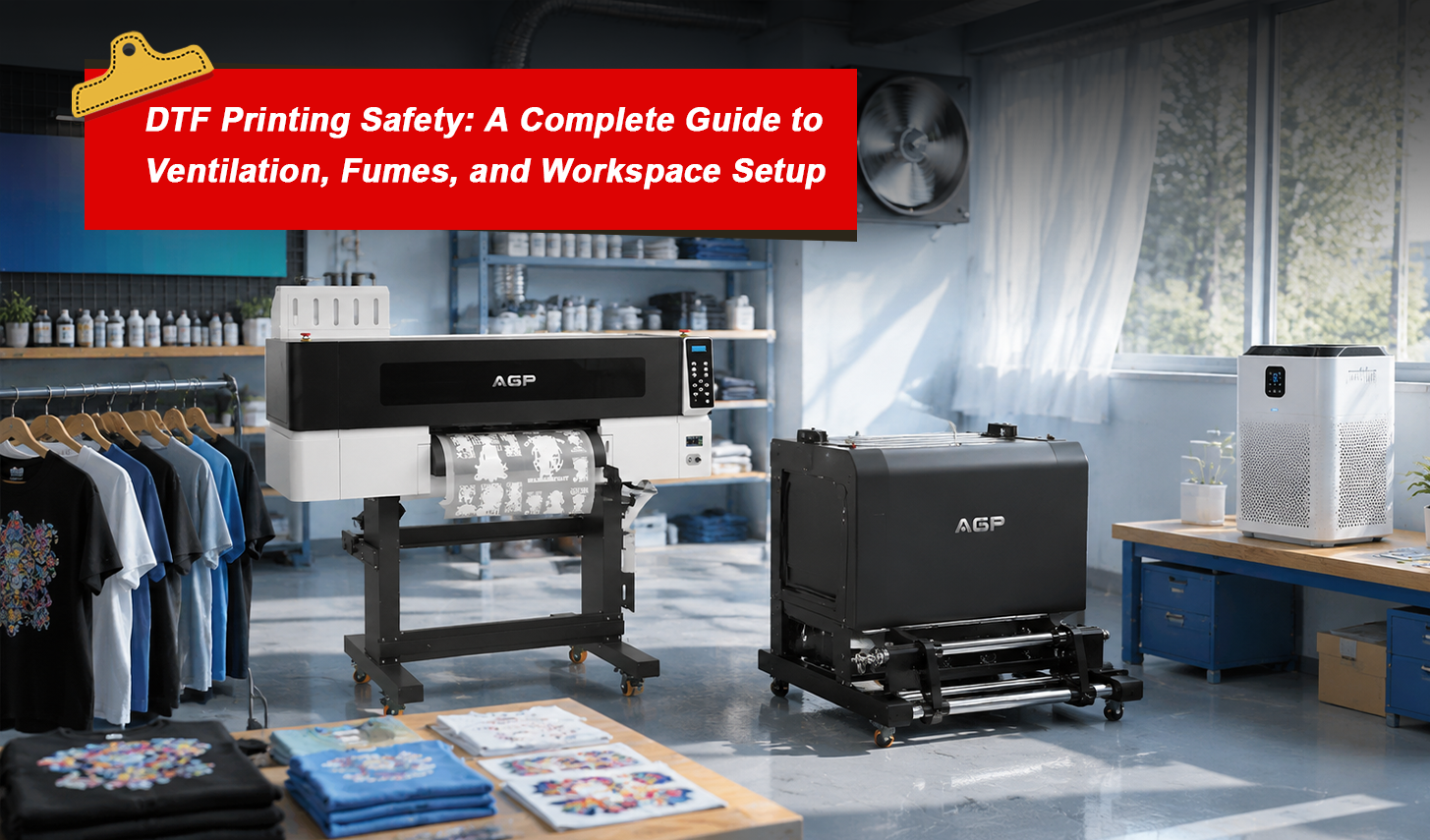
The baseline recommendation across most DTF safety guidance is simple: you should be able to feel actual air movement in your workspace, not just see a purifier running quietly in the corner. An open window paired with a fan blowing air out, combined with a dedicated air purifier, creates the cross-ventilation needed to keep fume concentration from building up during a full day of curing cycles.
Is an Air Purifier Enough, or Do You Need an Exhaust Fan Too?
An air purifier alone typically isn't sufficient — it filters air that's already in the room, but it doesn't create the airflow needed to actively clear out fumes as they're produced. Pairing a purifier with active airflow (an open window and fan, or a dedicated exhaust system) is the combination most safety guides recommend, especially for spaces without natural cross-ventilation. Look for purifiers with both HEPA filtration (for fine particles) and activated carbon filtration (for VOC odors and fumes) — a HEPA-only filter won't capture gas-phase fumes.
What PPE Should You Wear When Running a DTF Printer?
- A basic mask or respirator: Reduces inhalation of fine adhesive powder particles, especially during shaking and powder application steps.
- Eye protection (goggles or a face shield): Adhesive powder is fine enough to become airborne easily and can cause irritation if it gets into your eyes.
- Standard workwear: No special protective clothing is typically required for DTF, unlike solvent-heavy processes — general cleanliness and avoiding powder buildup on clothing is sufficient for most operators.
Do You Need Special Permits or Licensing for a DTF Print Shop?
For most small-to-mid-size DTF operations, no specialized environmental permits are required beyond a standard business license and compliance with local zoning rules — this is especially relevant for home-based setups. Larger industrial operations running high daily volume may need to check state or local air quality permit requirements, since regulations vary significantly by region.
How Do You Set Up a Safe DTF Workspace?
- Choose a ventilated location: A room with a window or door for airflow is far preferable to a fully sealed closet or small enclosed room.
- Position your curing equipment near ventilation: Keep your oven or heat press curing station close to your airflow source, since that's where the majority of fumes originate.
- Run an air purifier continuously during production hours: Not just during curing — powder handling also releases airborne particles throughout the workflow.
- Keep PPE accessible: A mask and eye protection at the powder station makes it easy for anyone handling powder to use them consistently.
- Separate your DTF workspace from living or dining areas: Especially important for home-based operations, to avoid fumes drifting into spaces where people eat, sleep, or spend extended time.
Fume and Particle Sources at a Glance
| Source | What It Releases | Recommended Mitigation |
|---|---|---|
| Printing (water-based ink) | Low-level ink mist | General room ventilation |
| Powder shaking/application | Fine airborne TPU adhesive particles | Mask, HEPA filtration, contained shaking area |
| Curing (oven or heat press) | VOC fumes from melting adhesive | Active airflow + activated carbon filtration |
Ventilation Setup by Production Scale
| Scale | Recommended Setup | Permits Typically Needed |
|---|---|---|
| Home hobbyist | Open window + fan + air purifier | None beyond standard zoning compliance |
| Small studio / print shop | Dedicated air purifier with HEPA + carbon filter, cross-ventilation | Standard business license |
| Commercial / high-volume factory | Dedicated exhaust system, multiple purifiers, PPE protocol | Check local air quality permit requirements |
Conclusion: Building Safety Into Your DTF Workflow
DTF printing is a relatively low-risk process compared to older printing methods, but "low-risk" still means fumes and fine particles that accumulate over a full production day. A combination of active airflow, proper filtration, and basic PPE addresses the vast majority of concerns — and it's far easier to build these habits in from day one than to retrofit safety into an established workflow later.
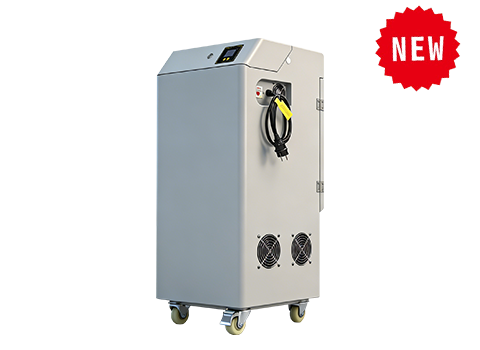
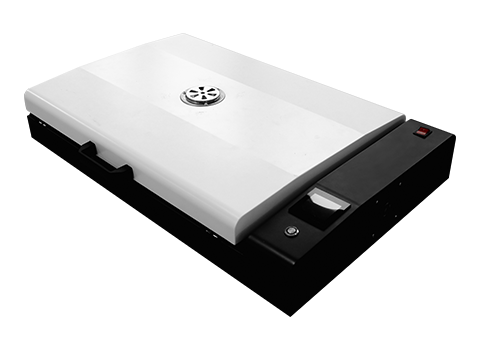
AGP's Air Purifier JS100H is designed to filter fine particles and fumes generated during DTF printing and curing, helping keep your workspace safe alongside our full range of DTF printers and curing ovens. Contact our team to find the right equipment setup for your production space.
FAQ: DTF Printing Safety Questions
Is DTF printing safe to do at home?
Yes, with proper precautions — a window for ventilation, a fan, and an air purifier are generally sufficient for home-based operations, along with keeping the workspace separate from living areas.
What fumes does DTF printing produce?
The curing step releases VOCs as the hot-melt adhesive powder melts, while printing and powder handling can release fine particles and low-level ink mist.
Is an air purifier alone enough for a DTF print shop?
Not usually. An air purifier filters existing air but doesn't create airflow — pairing it with an open window and fan, or a dedicated exhaust system, is the safer combination.
What type of air purifier filter is best for DTF fumes?
Look for a purifier with both HEPA filtration (captures fine particles) and activated carbon filtration (captures VOC odors and fumes) — a HEPA-only filter won't address gas-phase fumes from curing.
Do I need a respirator for DTF printing?
A basic mask is generally sufficient for most operators, particularly during powder shaking and application; a full respirator isn't typically necessary unless working in an especially enclosed or poorly ventilated space.
Do I need a permit to run a DTF print shop from home?
Most small home-based DTF operations only need a standard business license and compliance with local zoning rules — larger commercial operations should check state or local air quality permit requirements.
Can DTF fumes damage my printer or oven over time?
Indirectly, yes — airborne adhesive powder particles that aren't filtered out can settle inside equipment and contribute to clogging, making air filtration a maintenance benefit as well as a health one.