

Metal
Quick Answer: Yes, UV printing works directly on metal — including aluminum, stainless steel, coated steel, brass, and copper — by curing full-color ink onto the surface instantly under ultraviolet light. Aluminum is the easiest metal to print on and needs little preparation, while stainless steel, brass, and copper typically require a primer or adhesion promoter first. Once cured, UV-printed metal resists scratching, fading, and moisture, making it ideal for outdoor signage, nameplates, and industrial labeling.
Metal is one of the most demanding — and most rewarding — substrates in digital printing. Its smooth, non-porous surface delivers sharp detail and vibrant color, but also makes ink adhesion harder to achieve than on fabric or paper. UV printing solves this by curing ink instantly on contact, creating a hard, durable bond without the need for heat transfer or lengthy drying time. This guide covers which metals work best, how to prepare them, and where UV-printed metal is used commercially.
What Is UV Printing on Metal and How Does It Work?
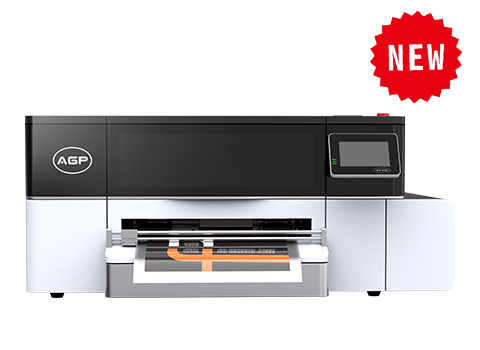
UV printing uses a flatbed printer that applies ink directly onto the metal surface, then cures it instantly with UV LED lamps as it prints. Unlike sublimation, which dyes the material itself and requires a polymer coating, UV printing builds up layers of ink — typically a white base layer first, followed by full-color CMYK — directly on top of the metal, forming a hard, cured shell that bonds to the surface.
Because the ink cures the moment it's applied, there's no drying time, no smudging risk during handling, and no heat distortion — making UV printing especially practical for rigid, heat-sensitive, or precision-machined metal parts.
Which Metal Surfaces Work Best for UV Printing?
- Aluminum — the most UV-print-friendly metal; smooth, lightweight, and accepts ink cleanly, especially in coated or anodized form
- Stainless steel — durable and popular for tumblers and industrial parts, but its low surface energy means it needs a primer or flame treatment for the ink to grip properly
- Coated / powder-coated steel — reliable as long as the coating has fully cured before printing
- Brass and copper — printable with careful cleaning, though their surfaces oxidize over time, which can weaken adhesion if not addressed
- Titanium — usable for niche applications, but less common and typically requires similar pre-treatment to stainless steel
How Do You Prepare Metal for UV Printing?
Surface preparation is the single biggest factor separating a print that lasts for years from one that peels within weeks:
- Degrease: Clean the metal thoroughly to remove oils, fingerprints, and manufacturing residue — even light contamination can block ink adhesion.
- Light abrasion (if needed): A light surface abrasion increases surface energy on polished or slick metals, helping the ink grip better.
- Apply primer or adhesion promoter: Especially important for stainless steel, brass, copper, and titanium — a thin, even coat significantly improves long-term bond strength.
- Fixture and align: Secure the metal piece on the printer bed using a jig or fixture to keep it flat and prevent shifting during multi-pass printing.
What Is the Step-by-Step UV Metal Printing Process?
- Prepare the design file in CMYK color mode at high resolution to avoid pixelation on close inspection.
- Load the design into the UV printer's RIP software and set layer order — white ink base first for dark or reflective metals, then color.
- Secure the metal piece flat on the print bed using jigs or fixtures for accurate, repeatable placement.
- Run a test print to confirm color accuracy, alignment, and ink adhesion before full production.
- Print the full design — the UV lamp cures each ink layer instantly as it's applied.
- Apply an optional clear protective coating for pieces exposed to heavy handling or outdoor conditions.
Is UV Printing on Metal Durable Outdoors?
Yes. Once cured, UV ink forms a hard, waterproof layer that resists fading, scratching, and moisture — which is why UV-printed aluminum and stainless steel are widely used for outdoor signage, vehicle branding, and architectural elements. Indoor UV-printed metal pieces typically show even less wear over time, since they avoid direct UV/sunlight exposure and weather cycling.
Where Is UV Printing on Metal Used?
- Outdoor and indoor signage — business signs, directional signage, and wayfinding displays that need to withstand weather
- Nameplates and data plates — equipment identification, serial numbers, and control panel labeling in industrial settings
- Awards and branded merchandise — trophies, plaques, and corporate gifts that benefit from a premium metallic finish
- Metal business cards and asset tags — premium branding items with full-color artwork or QR codes
- Consumer goods — stainless steel tumblers, aluminum keychains, and metal phone backs for personalized gifting and retail
UV Printing vs. Sublimation on Metal — Which Should You Choose?
Both methods can produce color on metal, but they work very differently. UV printing cures ink directly on top of the surface — it's faster, works on uncoated and colored metals, and produces sharper, crisper detail. Sublimation dyes a special polymer coating baked onto the metal, giving a smoother, more embedded look, but it only works on pre-coated blanks and generally fades faster over time than cured UV ink.
Metal Suitability Reference Table
| Metal Type | UV Ink Adhesion | Prep Needed |
|---|---|---|
| Aluminum (coated/anodized) | Excellent | Minimal — clean and print |
| Stainless Steel | Good (with prep) | Primer or flame treatment recommended |
| Powder-Coated Steel | Good | Ensure coating is fully cured first |
| Brass / Copper | Fair | Thorough cleaning; watch for oxidation over time |
| Titanium | Fair | Primer recommended; less common substrate |
UV Printing vs. Sublimation on Metal
| Property | UV Printing | Sublimation |
|---|---|---|
| Substrate requirement | Works on bare or coated metal | Requires polymer-coated blanks |
| Color on dark metal | Yes, with white ink base | Limited — best on light coatings |
| Drying/curing time | Instant (UV-cured) | Requires heat press cycle |
| Detail sharpness | Very sharp, crisp edges | Smooth but can be softer at edges |
| Long-term fade resistance | High | Moderate — fades faster over time |
| Best use case | Signage, nameplates, industrial labeling | Photo-style prints on coated metal panels |
Conclusion: A Reliable Way to Brand and Decorate Metal
UV printing gives businesses a fast, durable, and highly detailed way to decorate metal — from outdoor signage that needs to survive years of weather exposure, to precision industrial nameplates, to premium branded merchandise. Success comes down to matching the right metal type with proper surface preparation, since adhesion — not the printer itself — is usually what determines how long a print lasts.
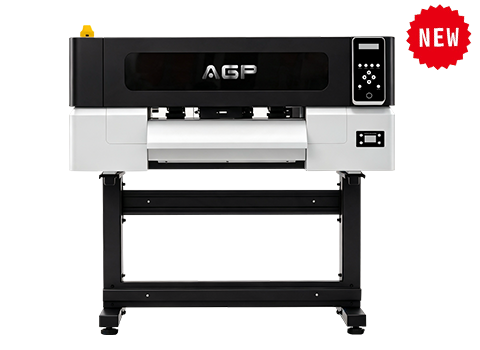
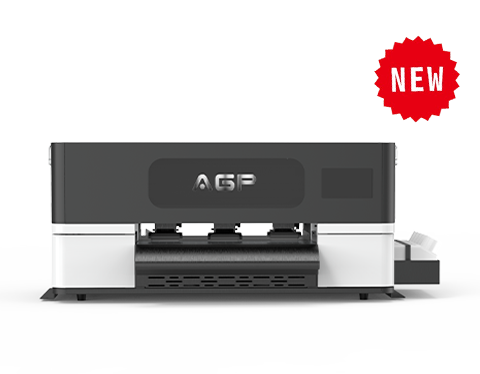
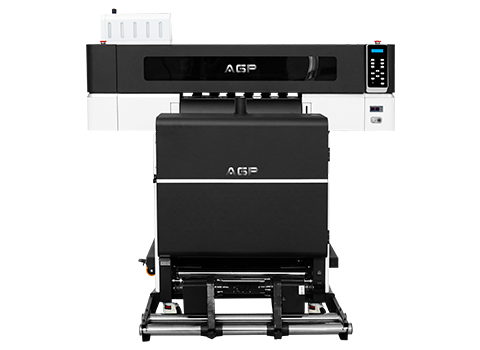
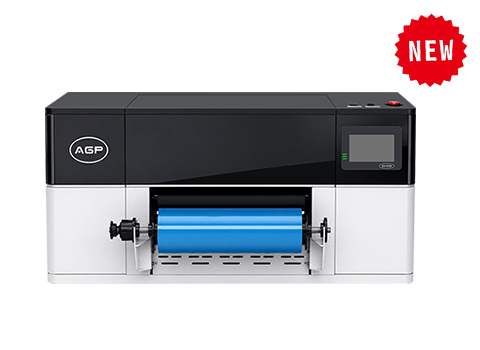
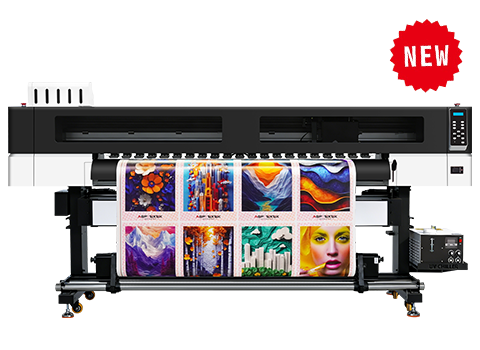
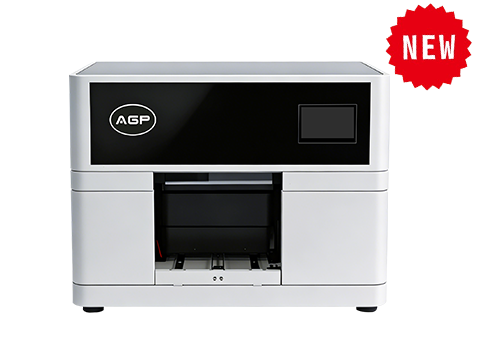
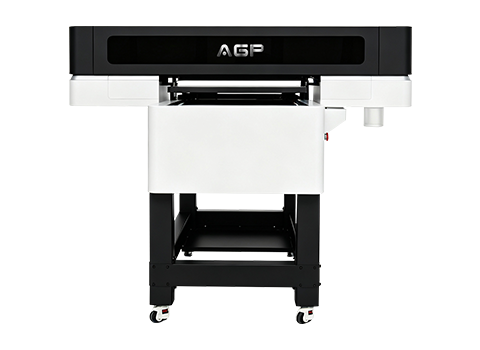
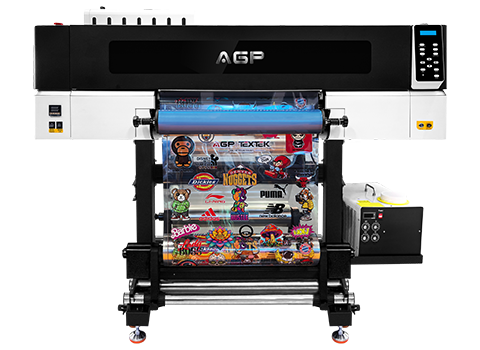
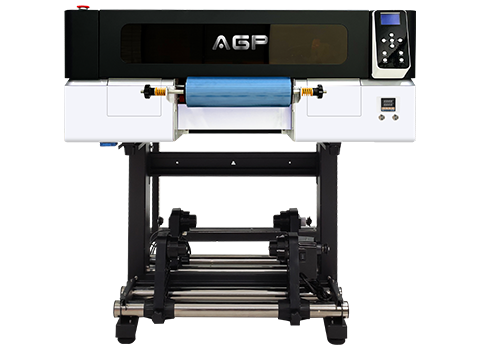
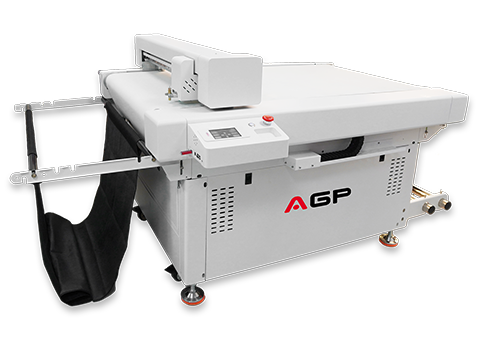
AGP provides professional UV flatbed printers for metal, acrylic, glass, wood, and other hard substrates. Contact our team to find the right equipment configuration for your signage, industrial labeling, or metal branding production line.
FAQ: UV Printing on Metal Questions
Can you UV print directly on bare metal?
Yes, though bare stainless steel, brass, and copper generally need a primer or adhesion promoter first, while coated or anodized aluminum can often be printed with minimal preparation.
Is UV printing on metal waterproof?
Yes. Once cured, UV ink forms a hard, sealed layer that resists water, making it suitable for outdoor signage and industrial equipment exposed to the elements.
How long does UV-printed metal last outdoors?
With proper surface preparation and quality ink, UV-printed metal signage commonly lasts several years outdoors and considerably longer indoors, though exact lifespan depends on sun exposure and weather conditions.
Do you need white ink to print on metal?
Yes, for dark or reflective metal surfaces. A white ink base layer is printed first to block the metal's natural color, ensuring the colors on top appear bright and accurate rather than muted.
What's the difference between UV printing and sublimation on metal?
UV printing cures ink directly on the metal surface and works on bare or coated substrates with sharp detail and strong fade resistance. Sublimation dyes a polymer coating baked onto the metal and requires pre-coated blanks, generally fading faster over time.
Can UV printing be used on curved metal surfaces?
Yes, with a rotary attachment, UV printers can wrap full-color designs around curved metal items like tumblers and cylindrical parts in a single pass.
Which metal is easiest to start with for UV printing?
Aluminum, especially in coated or anodized form, is the most beginner-friendly metal — it's smooth, lightweight, and accepts UV ink cleanly with minimal surface preparation.