


Skateboard Decks
Quick answer: Skateboard decks are curved, textured, and often already painted or gripped — which makes them a tough substrate for direct UV printing but a great fit for UV DTF transfers. Print the design onto UV DTF film, apply the adhesive layer, position the transfer on the clean deck surface, and press with heat and pressure. The result is a full-color, scratch- and impact-resistant graphic that survives real riding, not just display use.
Skateboard decks are one of the most visually iconic — and most physically demanding — surfaces in custom printing. A deck gets scraped on curbs, gripped by trucks, and thrown down onto concrete hundreds of times, so whatever graphic goes on it has to survive far more abuse than a phone case or a mug. That combination of high visual demand and high durability demand is exactly why UV DTF has become the go-to method for custom deck graphics, both for individual riders and for shops selling decks as a product line.
Why UV DTF Beats Direct UV Printing on Skateboards
Skateboard decks aren't flat. Maple decks have concave curves, raised nose and tail kicks, and — most importantly for a printer — a limited clearance between the print head and the surface. Direct UV flatbed printing on a deck can be done, but the printer's fixed head height means the nose and tail curves are often out of range, leaving parts of the board unprinted.
UV DTF sidesteps that problem entirely: the design is printed on flat film first, so the printer never has to deal with the deck's curves at all. Only the transfer application step touches the actual board, and a heat press or hand application can follow the deck's contours in a way a fixed print head can't.
| Factor | Direct UV Printing | UV DTF Transfer |
|---|---|---|
| Curved deck coverage | Limited by print-head clearance — nose/tail curves may be unreachable | Full coverage — film is applied by hand or press after printing |
| Works on painted/gripped decks | Requires bare, primed wood for good adhesion | Adheres over most existing finishes with proper surface prep |
| Batch production | One deck at a time on the flatbed | Print multiple designs on one film run, apply separately |
| Best for | Flat panels, wheels, small hard goods | Decks, curved gear, textured or pre-finished surfaces |
Step-by-Step: Applying UV DTF Graphics to a Skateboard Deck
| Step | What to Do |
|---|---|
| 1 | Design and print the graphic onto UV DTF film using your UV printer's CMYK + white ink system, sized to the deck's exact dimensions |
| 2 | Apply the UV DTF adhesive layer over the printed film once it's fully cured |
| 3 | Clean the deck surface thoroughly — remove dust, oils, and any loose grip residue |
| 4 | Position the transfer on the deck and tape it in place to keep alignment steady |
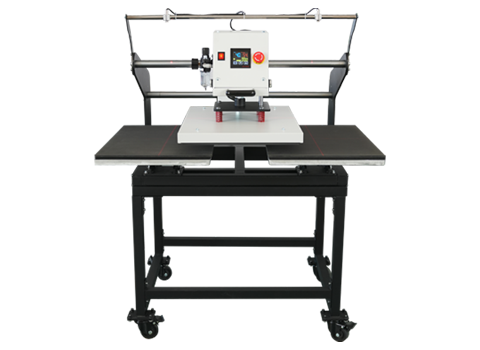
| 5 | Apply heat and firm, even pressure with a heat press or hand iron, working from the center outward to push out air bubbles |
| 6 | Let the deck cool fully, then peel back the carrier film to reveal the finished graphic |
Where This Fits in a Skateboard Business
- Custom one-off decks — personalized gifts, memorial boards, or fan art for individual riders
- Shop and team branding — logo decks for local skate shops, sponsored riders, and skate teams
- Small-batch product lines — limited-run graphic decks sold online or in-store without factory minimums
- Event and brand collaborations — promotional decks for launches, pop-ups, and marketing giveaways
- Cross-sell into other gear — the same UV DTF workflow applies to helmets, wheels, and hard-shell sports accessories, so a shop already set up for decks can expand into related gear with no new equipment
Getting a Durable Result
- Match pressure and dwell time to your film's spec sheet — under-pressing leaves weak edges that peel during hard slides; over-pressing can scorch grip tape or painted decks
- Work from center outward when pressing to push trapped air toward the edges instead of sealing it under the graphic
- Test on a scrap deck first if you're using a new film batch or a deck finish you haven't printed on before — grip coatings and paint types can vary in how well they hold adhesive
- Consider a clear protective overlay for decks that will see heavy grinding or curb contact directly over the graphic area
Equipment for Skateboard Graphics
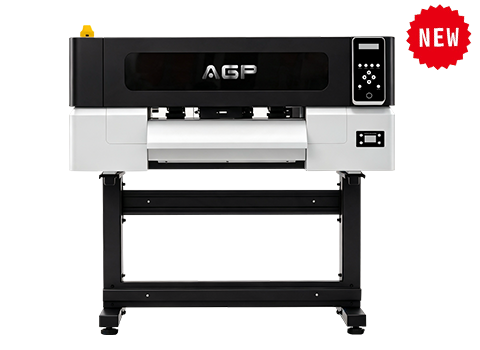
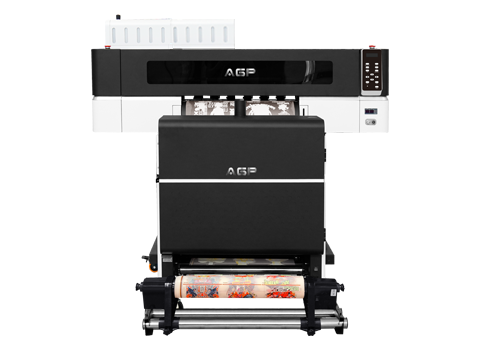
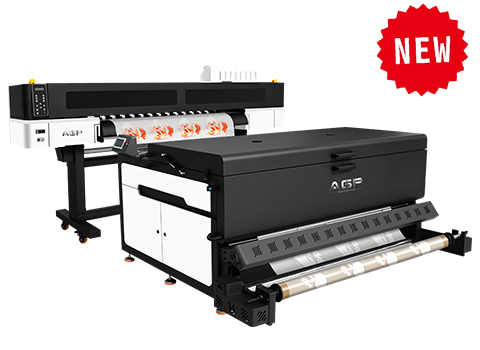
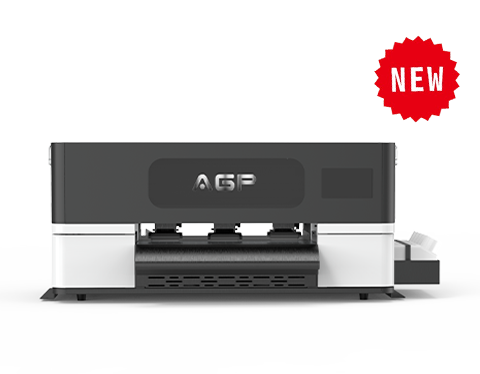
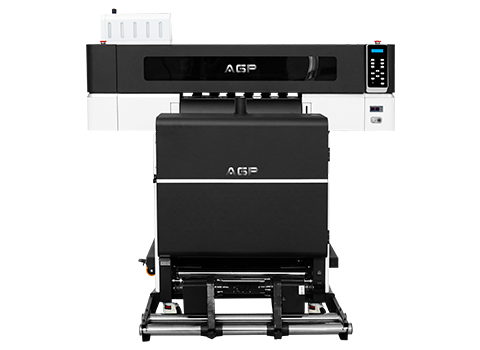
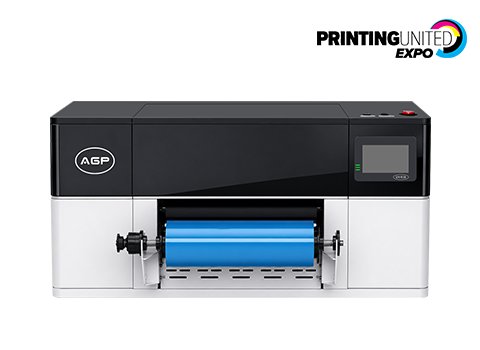
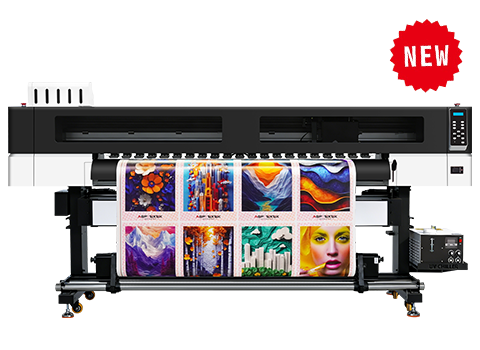
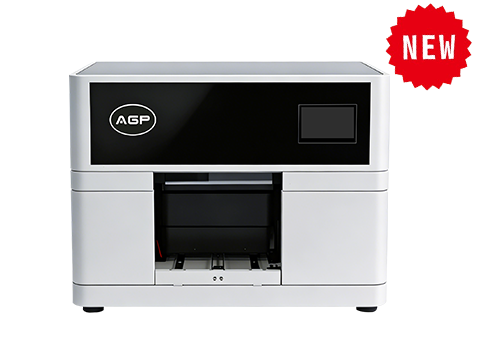
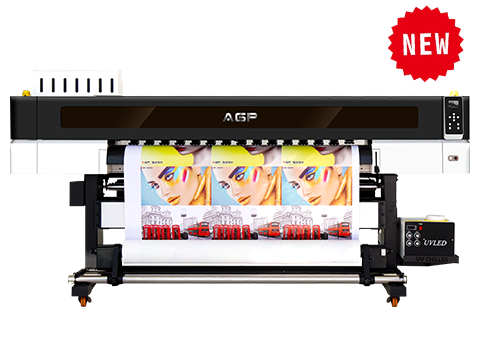
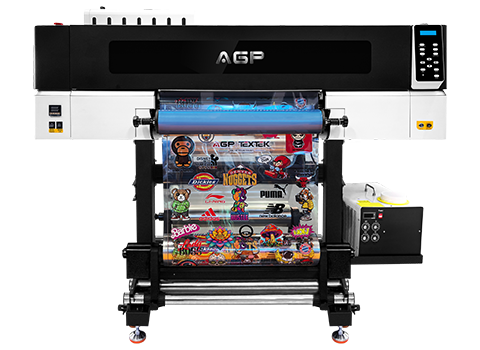
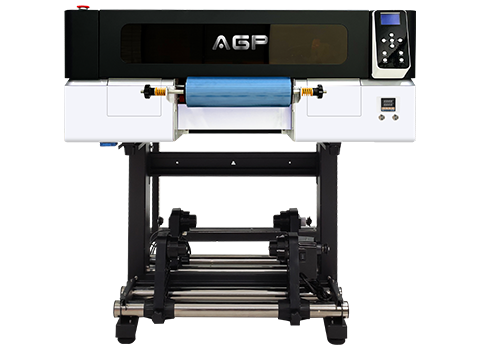
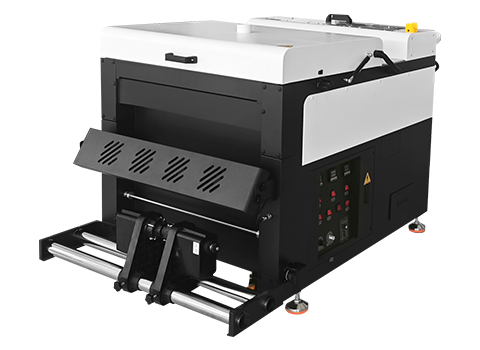
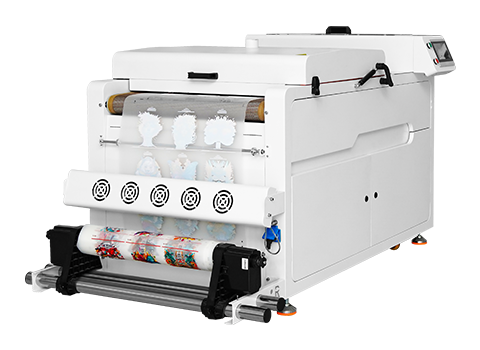
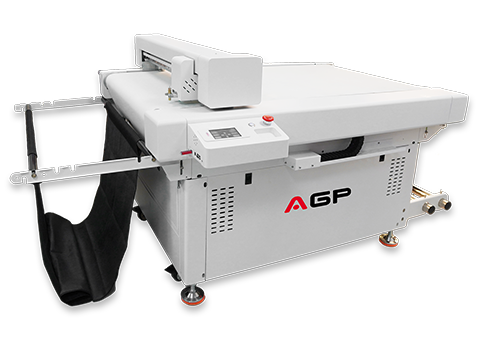
The workflow only needs two things: a UV printer capable of printing CMYK + white on UV DTF film, and a heat press or hand tools for application. AGP's UV printer lineup — including the UV-S1900 and UV-S1600 for full-size deck graphics and larger production runs, and the compact UV-D30 for smaller decks and sample work — pairs with our UV DTF film and adhesive to cover the full deck-printing workflow. See the full lineup on our UV printer page and UV DTF film page.
Frequently Asked Questions
Can you print directly on a skateboard deck with a UV printer?
Yes, but a fixed print-head height struggles to reach the curved nose and tail of most decks, and it requires a bare or specially primed surface. UV DTF transfers avoid this by printing flat first and applying the graphic afterward.
Will UV DTF graphics survive real skateboarding, not just display?
Yes, when applied with correct heat, pressure, and dwell time. UV-cured ink is scratch- and impact-resistant, and a clear protective overlay can be added for decks that will see heavy grinding.
Can UV DTF be applied over grip tape or existing paint?
It can adhere over most clean, properly prepped finishes. Always test on a scrap piece from the same batch first, since grip coatings and paint types vary in how well they hold adhesive.
Do I need different equipment for skateboards versus other hard goods?
No. The same UV printer, UV DTF film, and heat press used for helmets, phone cases, or other hard-surface graphics works for skateboard decks — no dedicated skateboard printer is required.
Can I print small batches, or does deck printing need factory volume?
UV DTF has no minimum order. You can print a single custom deck or a full production run using the same equipment and process.
Ready to add custom skateboard graphics to your shop? Explore AGP's UV printers or get a factory-direct quote for the setup that fits your production volume.