

Soundproof Wall Tiles
Plain gray acoustic panels are officially a thing of the past. Modern offices, recording studios, and home theaters demand sound-absorbing wall art that combines acoustics with interior aesthetics. In this application guide, you will discover how to print razor-sharp, full-color designs onto porous PET felt acoustic panels using AGP Flatbed UV Printers and DTF Heat Transfers without clogging the material's sound-dampening micro-fibers.
Quick Summary: Printing Custom Soundproof Acoustic Tiles
- The Commercial Opportunity: Turning standard polyester felt acoustic boards into custom wall murals carries 300% to 500% profit margins in commercial interior design.
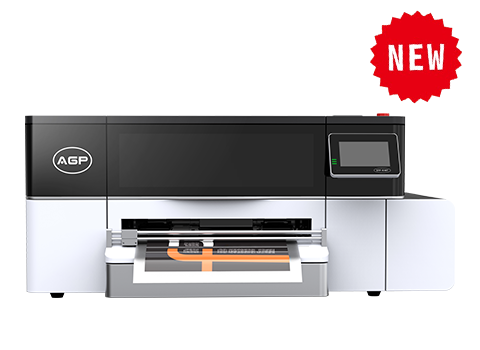
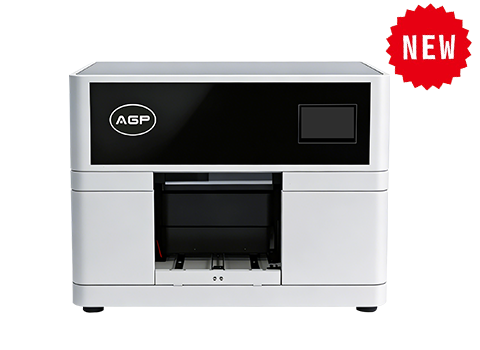
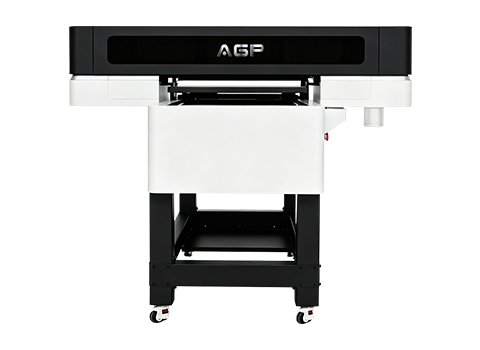
- Direct Flatbed UV Printing Method: Ideal for large-format rigid felt panels and 3D textured acoustic tiles. Uses high-density white underbase to prevent ink absorption into porous fibers.
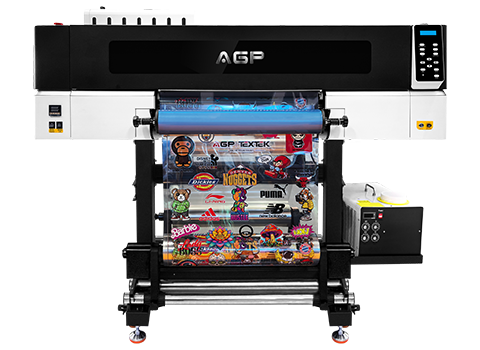
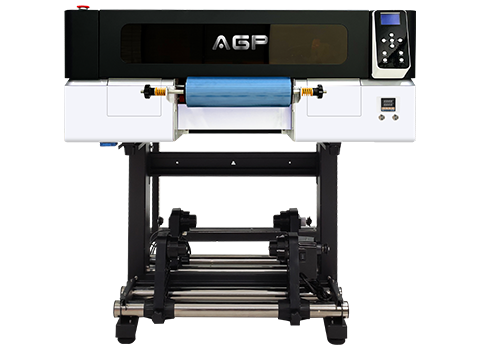
- DTF Heat Transfer Method: Ideal for smaller hexagonal felt tiles, fabric-wrapped fiberglass panels, and soft acoustic baffles.
Why Is Custom Printed Acoustic Art a Lucrative Commercial Niche?
Acoustic felt boards made from recycled PET fiber are widely used to reduce echo in offices, conference rooms, and residential spaces. However, standard solid-color panels look industrial and plain.
Interior designers and corporate clients pay top dollar for custom printed acoustic art murals. Raw polyester felt sheets are inexpensive to source, but customizing them with high-definition artwork, company branding, or landscape photography creates premium commercial wall decor.
Substrate Compatibility: Flatbed UV vs. DTF Transfer for Acoustics
| Acoustic Material Type | Best Machine Choice | Key Technical Advantage |
|---|---|---|
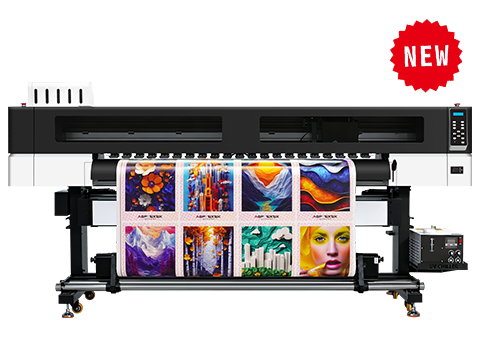
| PET Polyester Felt Boards (9mm - 24mm) | AGP Flatbed UV Printer (UV-S1600 / UV-S1900) | Instant LED curing keeps ink on the surface, preventing fiber absorption and dull colors. |
| Small Hexagonal Acoustic Felt Tiles | DTF Heat Transfer System | TPU adhesive locks vector designs seamlessly into dense felt fibers without stiffening the panel. |
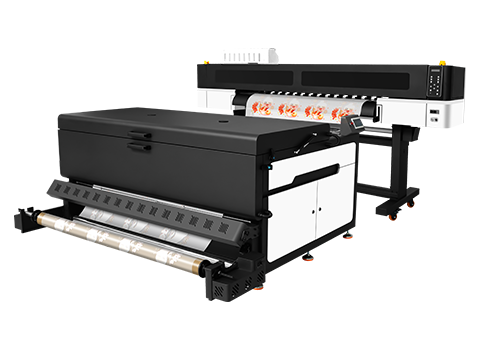
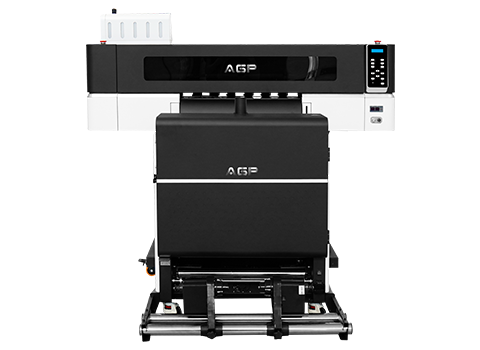
| Fabric-Wrapped Mineral Wool Panels | Large-Format DTF Transfer | Transfers crisp graphics directly onto woven acoustic fabric covers before panel assembly. |
How to Direct UV Print on Porous PET Felt Acoustic Panels
Step 1: Dust Extraction and Surface Flattening
Polyester felt panels contain loose synthetic micro-fibers. Before placing the board onto your AGP Flatbed UV printer, run a lint roller or vacuum over the panel surface to remove loose fuzz that could touch the printhead.
Step 2: Adjust Printhead Height (Z-Axis)
Acoustic panels range from 9mm to 24mm in thickness. Adjust your printer's automatic height sensor so the UV printhead clears the felt surface by 2.0mm to 2.5mm. This prevents physical head strikes on uneven felt fibers.
Step 3: Print High-Density White Underbase + CMYK
Porous felt absorbs liquid rapidly. Configure your RIP software to lay down a High-Density White Ink Layer first. The instant UV LED curing seals the top fiber layer, allowing the CMYK color layer to sit perfectly flat with ultra-vibrant contrast.
How to Apply DTF Transfers to Acoustic Felt Tiles
For smaller decorative felt tiles or multi-panel modular wall grids, DTF heat transfers offer a quick, low-cost production method:
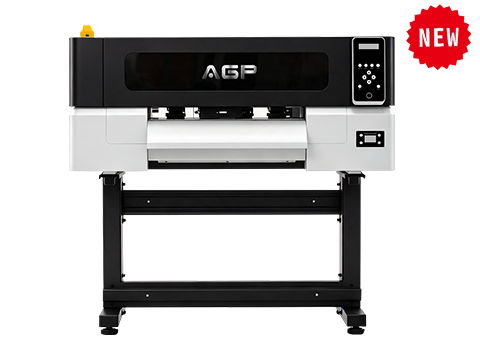
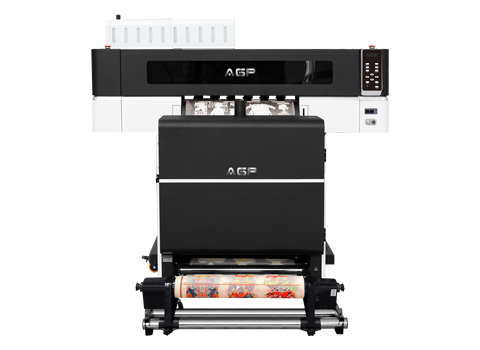
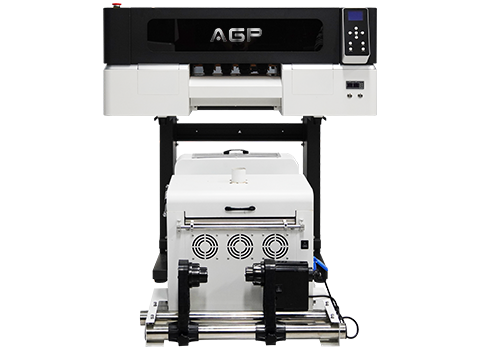
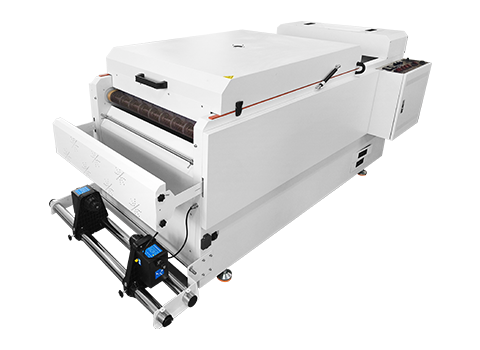
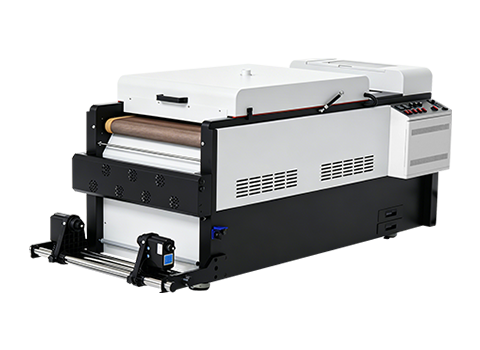
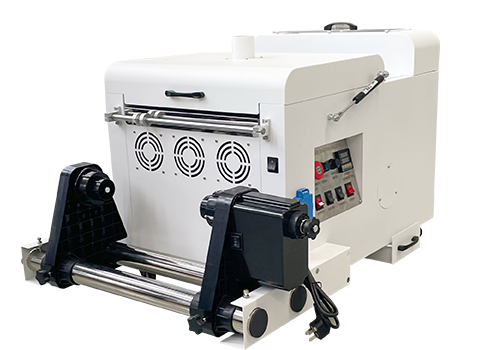
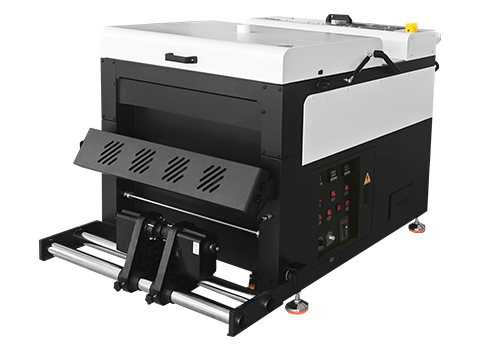
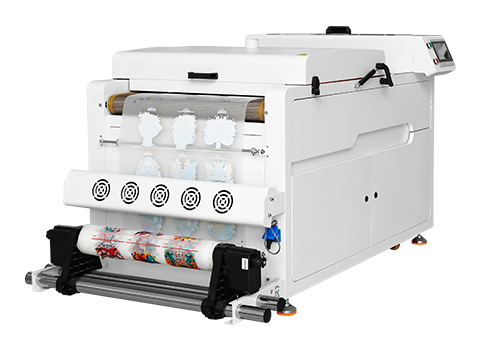
- Print & Powder: Output your graphic on an AGP DTF Printer using coarse or medium TPU adhesive powder.
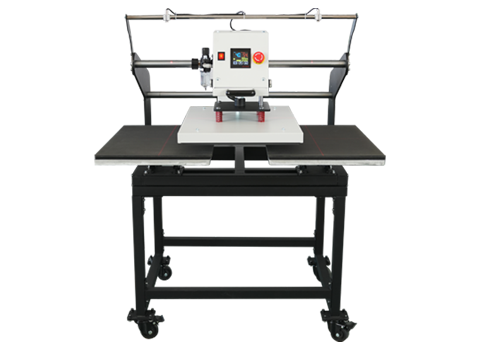
- Set Lower Temperature: Set your flatbed heat press to 140°C (284°F). Excessive heat can shrink or distort synthetic polyester fibers.
- Press with Light-Medium Pressure: Press for 12 seconds using light pressure to prevent crushing the acoustic board's thickness. Allow a complete cold peel.
Frequently Asked Questions (FAQ)
Does UV ink or DTF transfer reduce the noise-reduction (NRC) rating of acoustic panels?
No. UV ink droplets and DTF transfers sit on the top surface fibers, covering only a tiny fraction of the panel's overall porous structure. The internal sound-absorbing micro-cavities remain open, preserving the panel's Noise Reduction Coefficient (NRC).
Can I print full-bleed wall murals across multiple acoustic tiles?
Yes! Tile your large artwork into grid sections in your RIP software. Lay down your acoustic tiles inside an acrylic positioning jig on your AGP Flatbed UV printer to ensure seamless pattern continuity across all tiles.
Why do colors look dull on untreated felt panels?
Felt is porous and absorbs dark liquid ink into its inner layers. Always use a high-density white ink underbase on your UV printer to create an opaque barrier before printing CMYK colors.
Expand Into High-Margin Commercial Decor with AGP
Ready to produce custom printed acoustic panels and interior wall murals? AGP industrial flatbed UV printers and high-speed DTF systems give your business the precision and vibrant ink output you need.
Get Free Sample Prints & Equipment Pricing