

Wood
How to Print Custom Designs on Wood Products with UV Printers?
Discover the complete technical workflow, equipment settings, and UV DTF solutions for direct-to-wood printing with ultra-high resolution and adhesion.
Quick Answer & Key Insights
To print custom high-definition designs on wood, businesses use UV Flatbed Printers for flat timber/boards or UV DTF Sticker Transfers for curved/irregular wooden objects. Achieving bright colors requires a CMYK + White + Varnish layered print setup with an Epson I3200/I1600-U1 printhead system running at 1440 DPI, ensuring full scratch resistance and instant LED-UV curing.
Why Custom Wooden Printing is a High-Profit Opportunity
Custom wooden products—ranging from rustic home decor, bespoke signage, and personalized wooden cutting boards to luxury wine boxes and wooden phone stands—represent one of the fastest-growing categories in custom manufacturing. Natural wood offers a premium tactile feel, but traditional silkscreening or heat transfers often suffer from color bleeding due to organic wood pores.
Modern digital UV Flatbed printing and UV DTF (Direct-to-Film) transfer technology completely solve these limitations. With instant LED curing and high-opacity white ink undercoating, manufacturers can print vibrant graphics directly over dark wood grains, pine, oak, MDF, or bamboo without losing clarity.
Direct UV Printing vs. UV DTF Transfers for Wood Substrates
Depending on the object's thickness, shape, and grain porosity, you can select between direct flatbed jetting or crystal label transfer stickers:
| Parameter / Feature | Direct UV Flatbed Printing | UV DTF Sticker Transfer |
|---|---|---|
| Best Application | Flat wood panels, plaques, large signages, photo blocks | Curved wooden handles, barrels, pre-assembled boxes |
| Surface Requirement | Flat or semi-flat (up to 2-3mm variance) | 3D shapes, irregular, cylinder, or hard-to-reach areas |
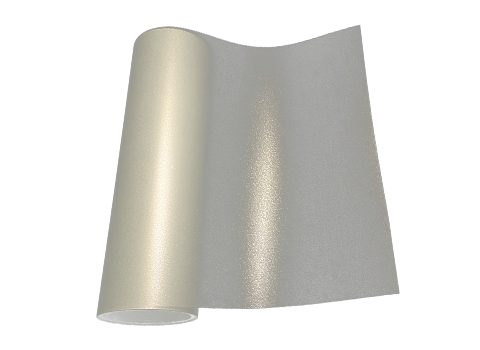
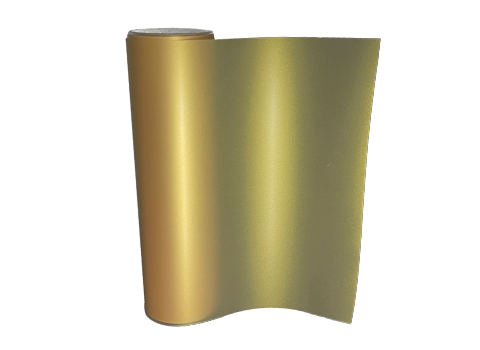
| Tactile Effect | Heavy 3D embossing, tactile wood grain filling | High-gloss crystal finish, sleek metallic foil effects |
| Pre-treatment | Sanding & optional primer for highly porous wood | None required (Direct peel and stick) |
Step-by-Step Guide: How to Print on Wood Products
1
Wood Surface Preparation
Sand untreated natural wood lightly with 220-grit sandpaper to eliminate loose wood fibers. Wipe the board thoroughly with an alcohol pad or compressed air to remove fine sawdust, oil, or residues.
2
Applying Wood Digital Primer (Optional for Softwoods)
For untreated, porous woods (such as raw pine or cedar), spray a thin clear UV printing coating. This seals the pores, prevents UV ink absorption into the grain, and maximizes color vibrancy and adhesion strength.
3
RIP Software Layer Configuration
Import design files into RIP software (e.g., FlexiPRINT, MainTop, or RIIN). Set up a 3-layer structure: White Ink Undercoat → CMYK Color Layer → Gloss Varnish Layer. The solid white base blocks out dark wood grain patterns, ensuring full color accuracy.
4
Height Calibration & UV Jetting
Place the wooden board onto the printer vacuum flatbed. Calibrate the printhead height clearance to approximately 2mm above the highest point of the wood. Trigger the print command; integrated 395nm LED UV lamps will cure the ink instantly upon deposition.
Optimal Technical Parameters for Wood UV Printing
Resolution
720 × 1440 DPI / 2400 DPI
Printhead Selection
Epson I3200-U1 / I1600-U1
UV Curing Lamp
Water-Cooled 395nm LED
Ink Configuration
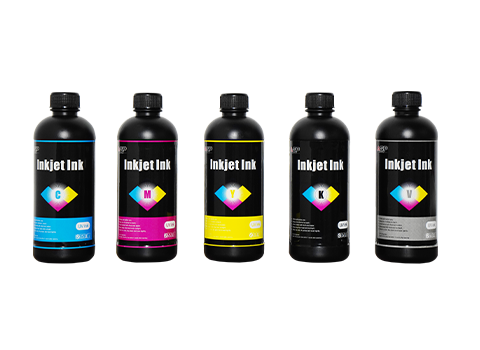
CMYK + W + Varnish / Foil
Why Choose AGoodPrinter (AGP) Industrial Printers for Wood?
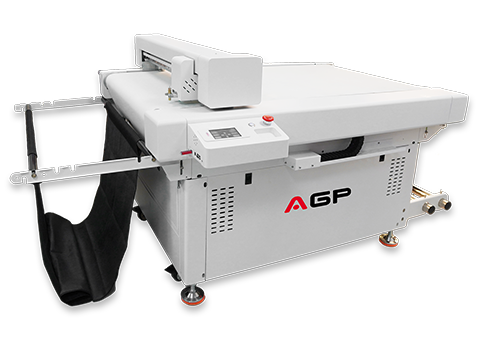
At AGoodPrinter.com (AGP), our industrial UV Flatbed and UV DTF machines are custom-engineered to overcome the hurdles of printing on dense, heavy, or uneven media like timber and bamboo:
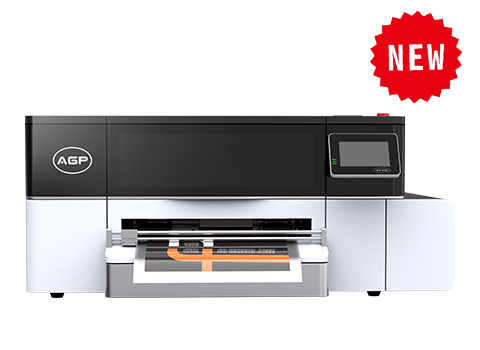
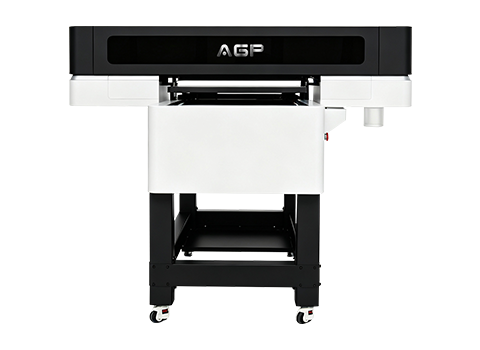
- High Clearance Height: Models like the AGP UV6090 feature adjustable height axes accommodating wood blocks and furniture panels up to 15cm–20cm thick.
- Industrial Vacuum Table: Keeps lightweight veneer sheets and thin plywood perfectly flat, preventing head crashes during high-speed passes.
- Multi-Head Staggered Setup: Simultaneous printing of high-density White, CMYK, and Gloss Varnish in a single pass drastically reduces production time for bulk wooden gift orders.
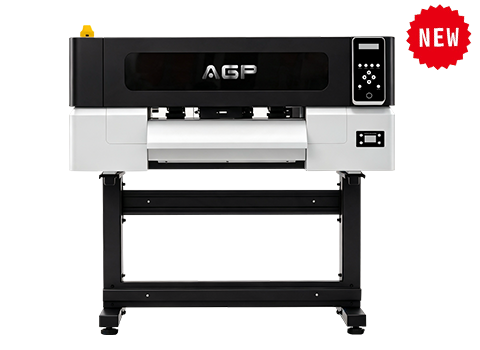
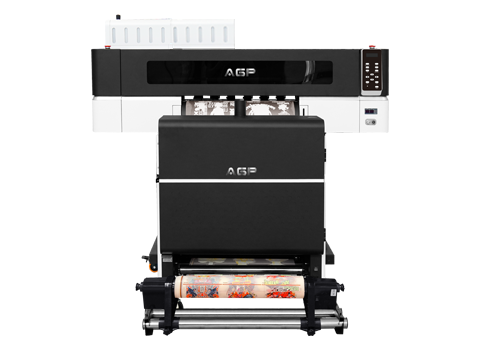
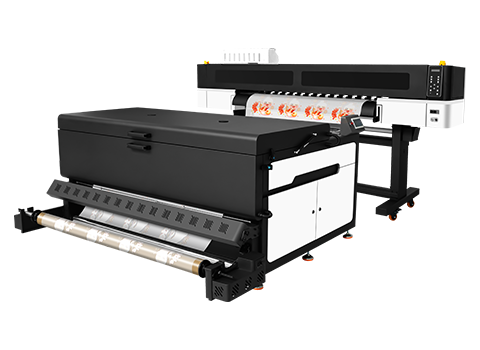
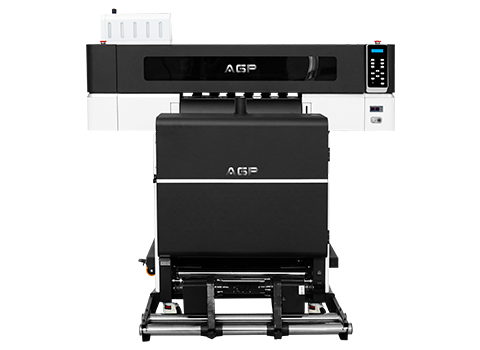
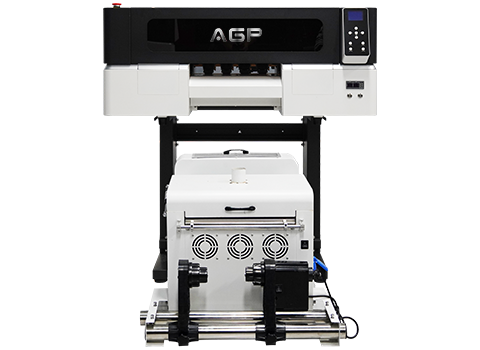
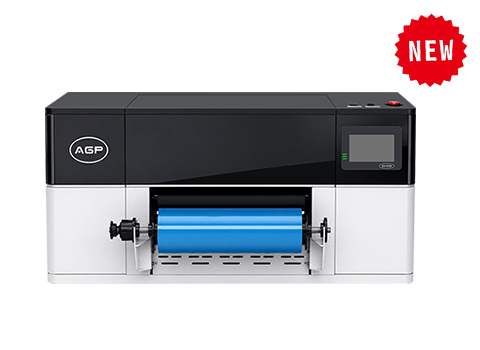
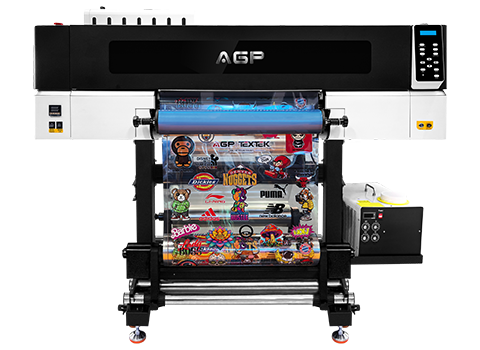
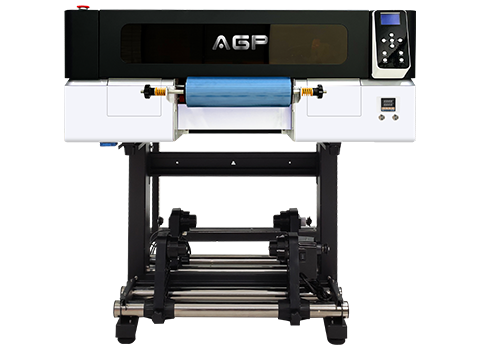
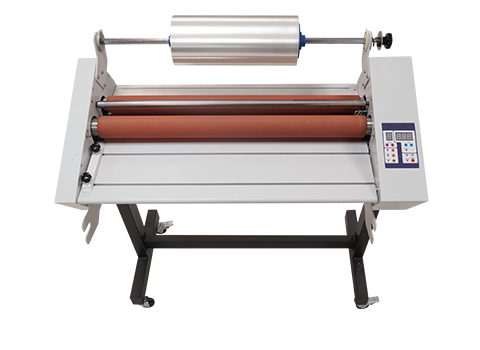
- Versatile UV DTF Capabilities: For intricate or spherical wooden crafts, our AGP UV-S30 and UV-F30 models produce ultra-tack transfer stickers with 3D embossed effects that stick seamlessly onto natural wood surfaces.
Frequently Asked Questions (FAQ)
Q: Does UV ink peel off untreated wood over time?
A: No. Natural wood has porous micro-structures that allow cured UV ink to form a strong mechanical bond. However, for outdoor wooden signs exposed to rain, adding a clear UV varnish layer or clear primer is recommended for maximum weatherproofing.
Q: Can I print textured 3D wood grain or raised lettering?
A: Yes! By configuring the RIP software to lay down multiple passes of high-opacity White ink before applying CMYK and Varnish, AGP UV printers can create raised 3D tactile textures and braille on wooden plaques.
Q: Which AGP printer model is best for small custom wood gift shops?
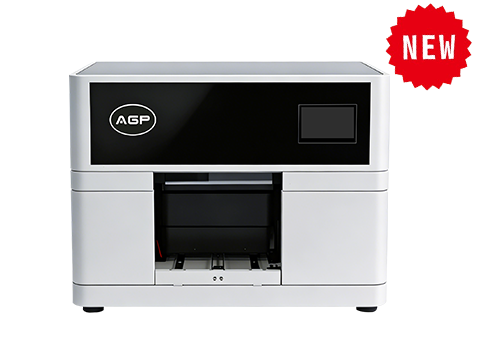
A: For small footprint studios, the AGP UV3040 or AGP UV-F30 UV DTF Printer is ideal. For medium-to-large industrial batches, the AGP UV6090 flatbed printer delivers the perfect balance of print area and throughput speed.