
UV DTF Stickers and Self-Adhesive Stickers: Which one do you prefer?
Quick Summary: The choice between UV DTF stickers and traditional self-adhesive (vinyl) stickers comes down to texture, substrate versatility, and durability. UV DTF stickers use UV-cured ink and varnish to create a 3D embossed, background-free transfer that adheres directly to hard, irregular, or curved surfaces (glass, metal, acrylic) without heat pressing. Standard self-adhesive vinyl stickers are flat, paper/film-backed prints ideal for high-volume, cost-effective labeling on flat surfaces. Choose UV DTF for premium 3D branding and self-adhesive for low-cost bulk stickers.
Stickers are essential for custom branding, product packaging, and personal decoration. While traditional self-adhesive vinyl stickers have dominated the market for decades, UV DTF (Direct-to-Film) sticker technology has quickly gained traction. Understanding the technical and application differences between these two solutions ensures you choose the right print technology for your business.
What Is the Difference in Print Technology and Visual Texture Between UV DTF and Self-Adhesive Stickers?
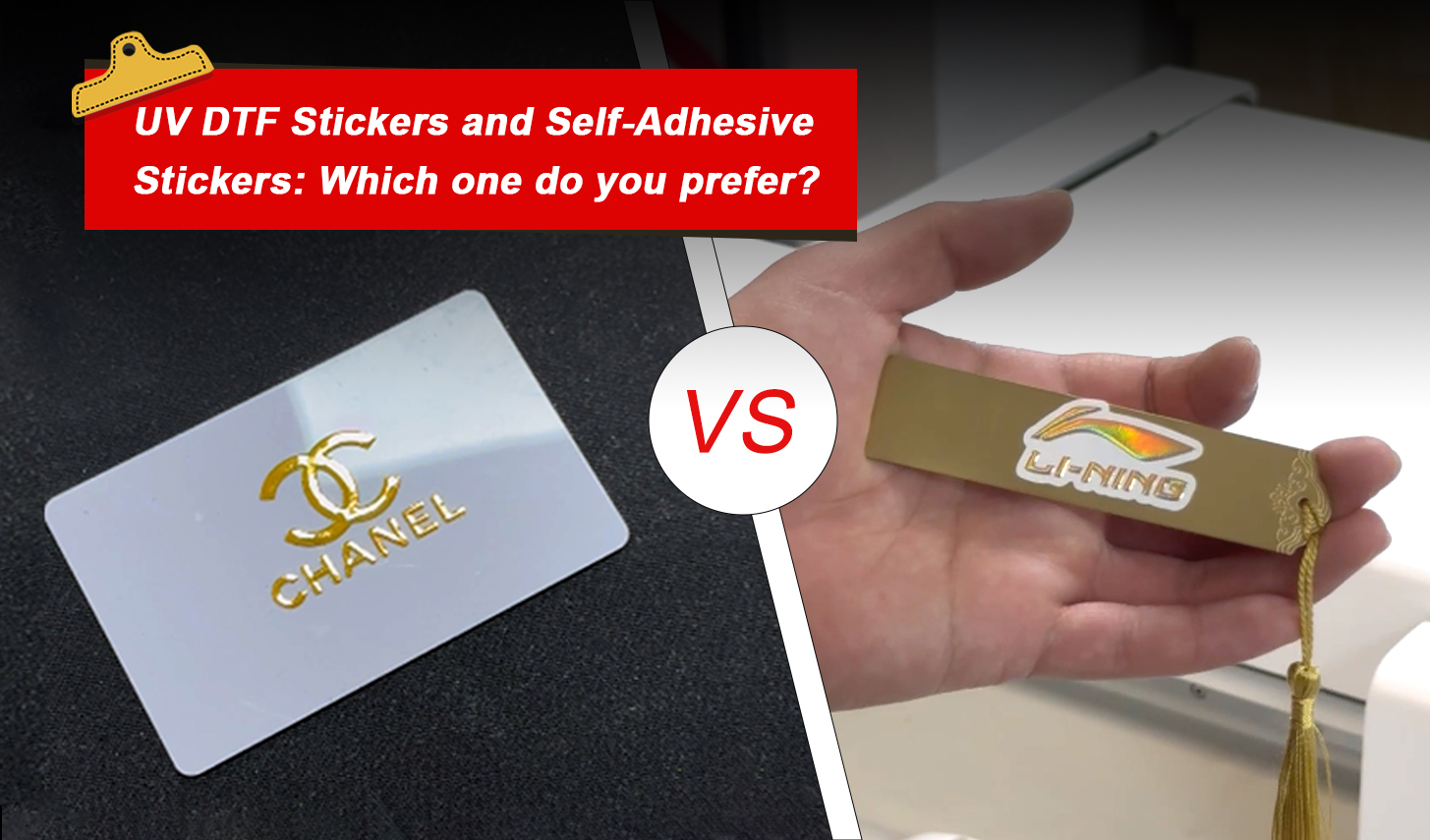
Conclusion: UV DTF stickers offer a raised 3D tactile finish with glossy varnish and no background border, whereas self-adhesive vinyl stickers produce a flat 2D print with a visible border layer.
The technological processes create distinctly different visual finishes:
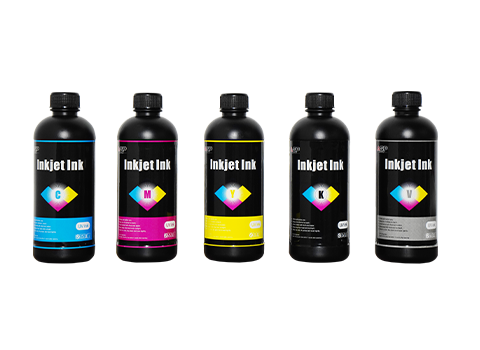
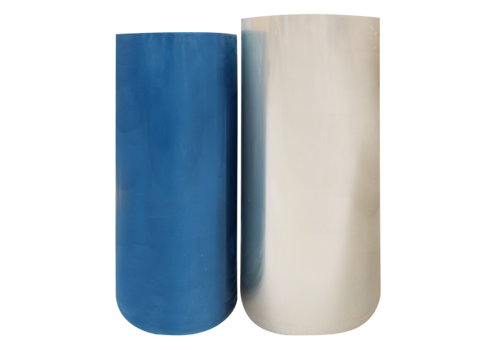
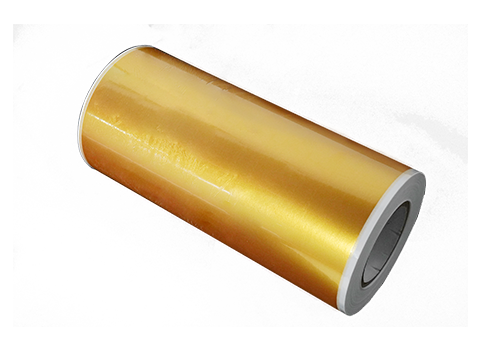
- UV DTF Technology: Printed onto Film A using UV ink, white ink, and gloss varnish, then laminated with Film B. Once peeled and pressed onto a object, only the ink transfer remains—giving a direct-printed, 3D raised appearance without a plastic sticker outline.
- Self-Adhesive Sticker Technology: Printed on adhesive paper, PVC, or vinyl sheets via eco-solvent, latex, or standard inkjet printing, then die-cut. The print retains its backing substrate, resulting in a flat 2D sticker with visible die-cut edges.
Which Sticker Type Adapts Better to Hard, Irregular, and Curved Substrates?
Conclusion: UV DTF stickers excel on rigid, curved, and irregular surfaces like glass bottles and metallic mugs, while self-adhesive vinyl stickers perform best on smooth, flat surfaces.
Substrate compatibility depends heavily on sticker flexibility and adhesive strength:
1. Application on Hard & Irregular Items (Glass, Acrylic, Metal)
UV DTF transfers conform seamlessly to cylindrical or contoured surfaces like insulated tumblers, wine bottles, helmware, and phone cases. Because there is no thick vinyl carrier film, edges do not lift or bubble on curved objects.
2. Application on Flat Packaging & Paper Products
Traditional self-adhesive stickers remain the preferred choice for flat shipping boxes, paper bags, envelopes, and high-volume product labels where rapid manual or machine labeling is required.
Quick Selection Checklist: UV DTF vs. Self-Adhesive
✔
Choose UV DTF If: You need high-end 3D embossed logo transfers, no background borders, zero minimum order quantity (MOQ), and adhesion to curved/hard objects like mugs, glass, or plastic cases.
✔
Choose Self-Adhesive Vinyl If: You require fast, ultra-low-cost bulk labeling on flat cardboard boxes, mailing bags, smooth jars, or temporary promotion stickers.
UV DTF vs. Self-Adhesive Stickers: Feature Comparison Matrix
Conclusion: Evaluating visual finish, outdoor durability, production cost, and application range clarifies which sticker technology fits your workflow.
| Comparison Factor | UV DTF Stickers (Crystal Labels) | Traditional Self-Adhesive Vinyl Stickers |
|---|---|---|
| Visual & Tactile Finish | 3D embossed effect, glossy varnish finish, no background border | Flat 2D finish (matte or glossy), visible die-cut border outline |
| Application Substrates | Glass, acrylic, metal, ceramic, wood, hard plastic, curved tumblers | Paper, cardboard boxes, smooth plastic, flat glass, windows |
| Waterproof & Scratch Resistance | High—UV varnish layer provides superior scratch, oil, and water resistance | Moderate to High—requires overlaminate film for waterproof durability |
| Production Process | UV Printer → Film A Print → Film B Lamination → Hand Transfer | Inkjet / Eco-Solvent Print → Lamination → Vinyl Die-Cutting |
| Unit Cost (Bulk Production) | Slightly higher per unit due to UV ink, varnish, and AB film costs | Extremely low cost per unit for high-volume print runs |
Conclusion: Choosing the Right Sticker Solution for Your Business
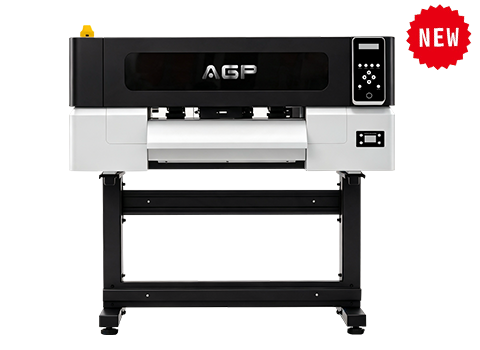
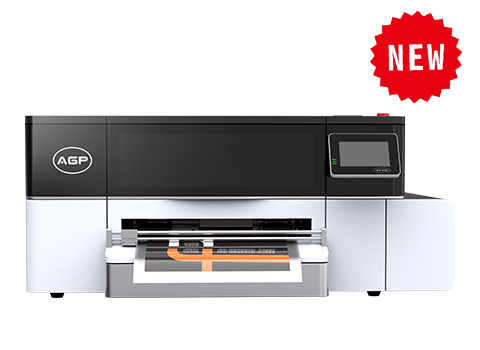
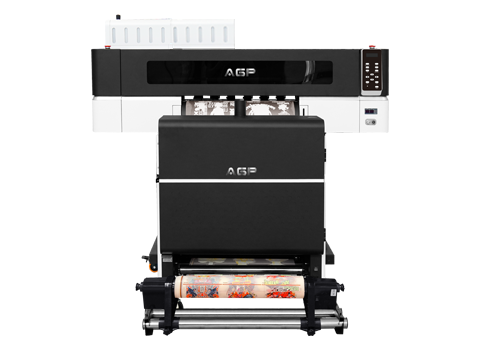
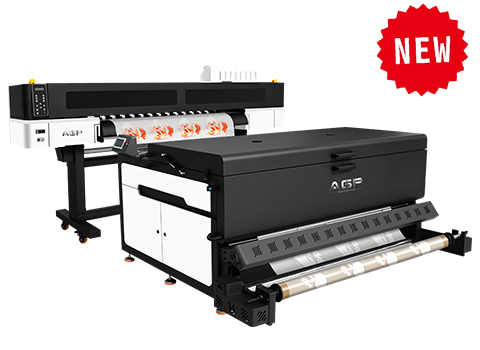
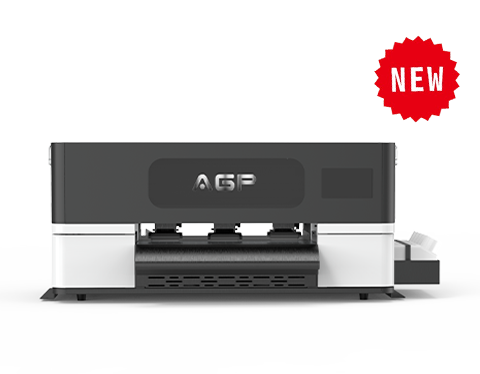
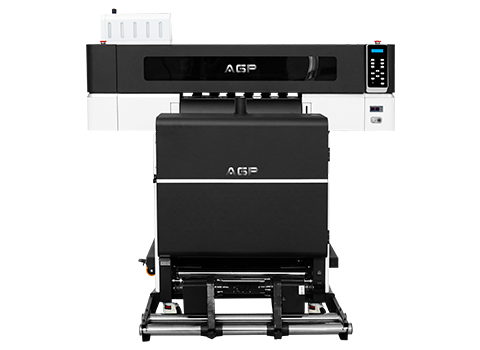
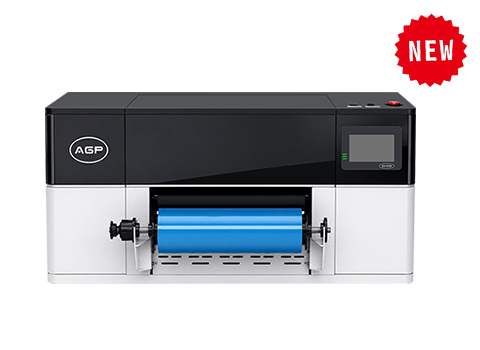
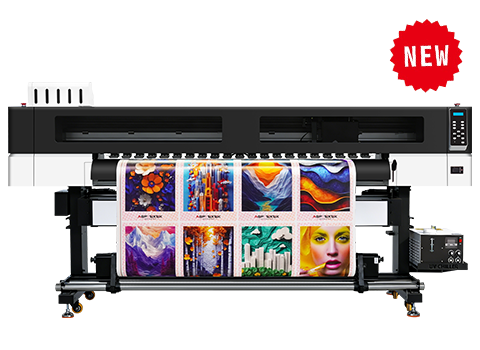
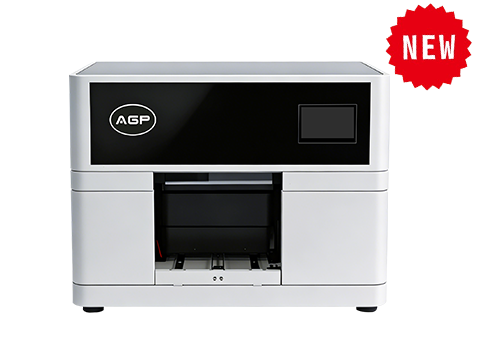
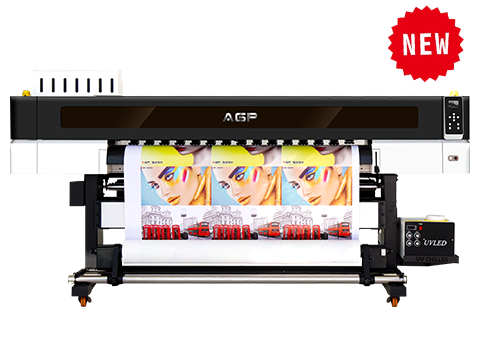
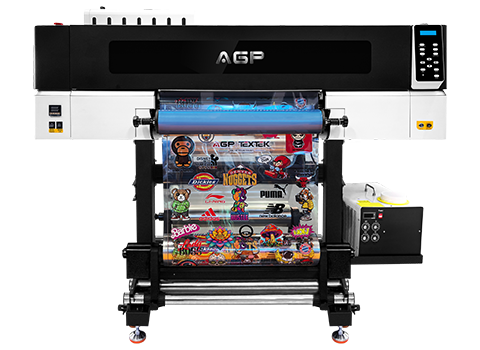
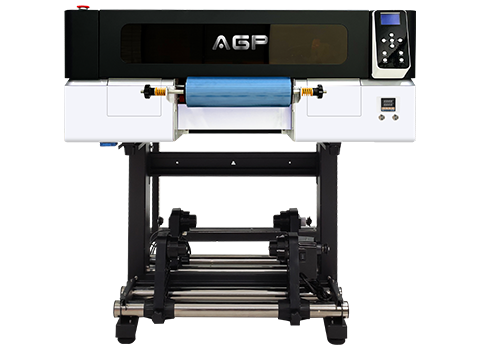
Neither sticker technology is universally superior—the choice depends on your application demands. If you want a premium, direct-printed look on hard, irregular items (like cups, bottles, or gift boxes) without a visible background border, UV DTF stickers are the clear winner. If you need low-cost, bulk labels for standard cardboard packaging and flat surfaces, self-adhesive vinyl stickers remain the industry standard. AGP offers high-precision UV DTF printers, UV inks, and A/B transfer films to help print shops expand into high-margin custom branding. Contact our team to explore our printer lineup.
FAQ: UV DTF vs. Self-Adhesive Sticker Questions
1. Can UV DTF stickers be applied to clothing or fabric garments?
No. UV DTF stickers use UV-cured hard inks and varnish designed exclusively for rigid, non-flexible substrates (glass, metal, acrylic, hard plastic). For soft fabrics and t-shirts, use standard textile DTF (Direct-to-Film) printing with pigment ink and hot-melt adhesive powder.
2. Are UV DTF stickers dishwasher-safe and waterproof?
Yes. UV DTF transfers cured with UV varnish are highly waterproof, oil-resistant, and scratch-resistant. While hand-washing drinkware with UV DTF transfers guarantees the longest life, high-quality UV DTF prints on glass or stainless steel can withstand standard dishwasher cycles once fully cured (24 hours after application).
3. Do UV DTF stickers leave sticky residue when removed?
UV DTF transfers bond strongly to hard surfaces. If removed, they tend to come off in solid, thin film fragments rather than leaving gummy glue residue like cheap paper self-adhesive stickers. Any minor leftover glue can easily be cleaned with rubbing alcohol.
4. Do I need a heat press to apply UV DTF stickers?
No heat press or oven is required. UV DTF is a cold-transfer process: simply peel off Film A, align and press the transfer onto the clean object by hand using a squeegee or thumb pressure, then peel off the transparent Film B film.
---------------------------------------------------------------------------------------------------------------------------------------------------------------------------------------------------------------------------------
Welcome to AGP! With nearly a decade of experience in the printer industry, we specialize in R&D and manufacturing, offering exclusive DTF and UV DTF printer solutions. With a global presence, including partnerships in the USA, Canada, UK, Italy, and Spain, we’re ready to take the next step in business expansion together!
Contact Us:
Email: info@agoodprinter.com
WhatsApp: +86 17740405829