
2025 UV Printer Buying Guide: What Really Matters Before You Invest
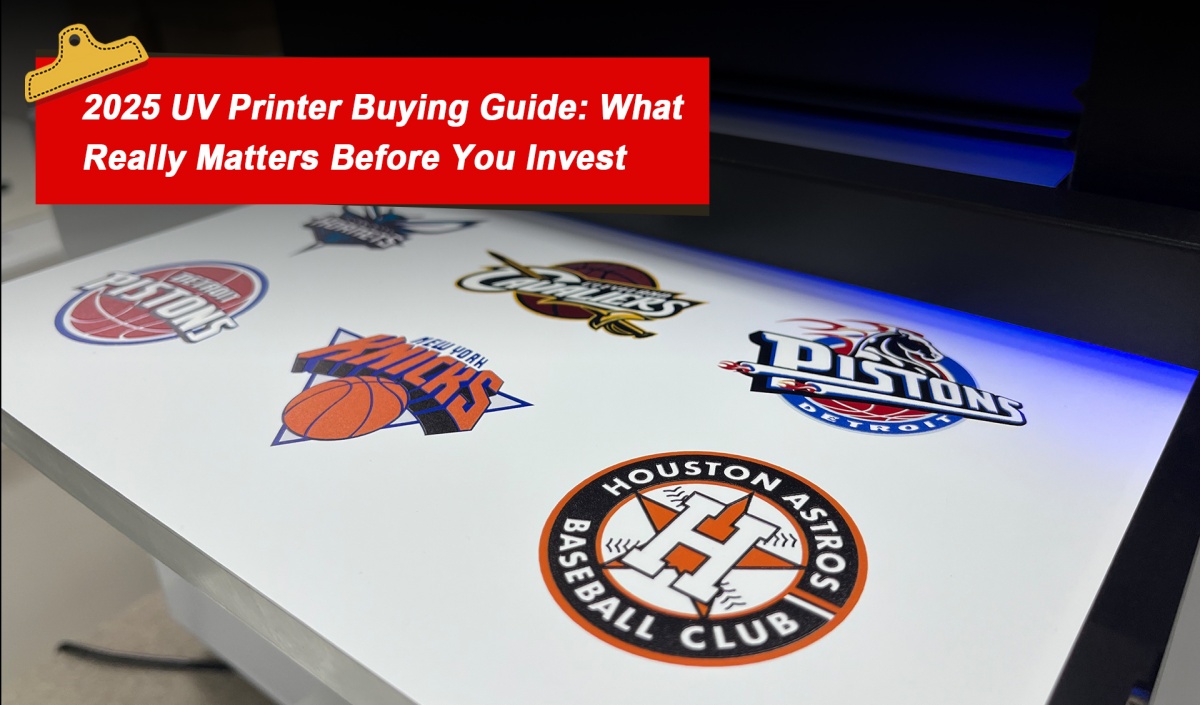
In today’s competitive digital printing market, the UV printer has become one of the most powerful tools for personalization, product decoration, and small-batch manufacturing. Whether you're creating custom packaging, acrylic signage, branded merchandise, or promotional gifts, choosing the right UV printer directly affects your production efficiency, output quality, and long-term profitability.
A modern UV printer can print on phone cases, wood boards, metal plates, acrylic sheets, LEGO bricks, glass bottles, PVC boards and many more materials. For anyone planning to upgrade their business in 2025, UV printing is often the fastest way to expand product offerings and enhance customer value.
However, UV printers vary widely in types, printheads, size, performance, ink configuration, RIP software, and overall cost structure. Making the wrong choice may lead to wasted investment, unstable output, or limited applications.
This guide—updated for 2025—is designed to help you clearly understand UV printer types, printing requirements, market needs, and key technical considerations before purchasing.
What Is a UV Printer?
A UV printer is a digital printing device that uses UV-curable ink and ultraviolet LED lamps to instantly cure the ink during printing. This allows the graphics to bond tightly to the surface, creating sharp details, vibrant colors, and exceptional durability.
UV printers can print on almost any flat, roll, or curved substrate, including:
-
acrylic
-
wood
-
glass
-
leather
-
plastic
-
PET film
-
PVC board
-
ceramic tile
-
metal
-
canvas
-
cylindrical items (bottles, mugs, pens)
In 2025, there are four popular UV printer types:
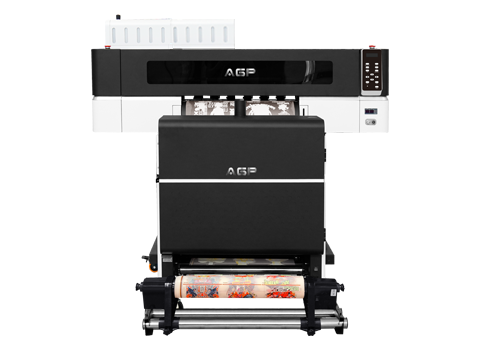
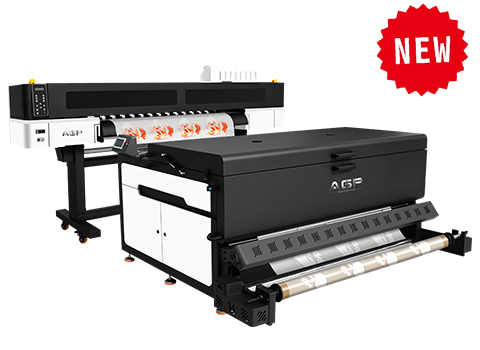
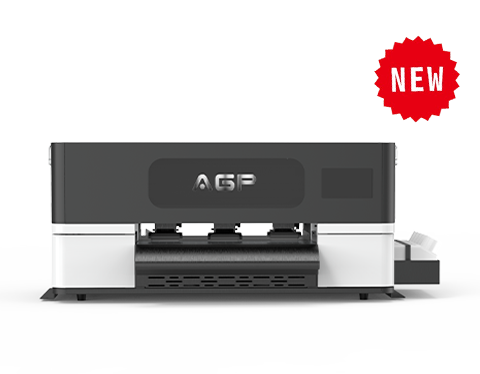
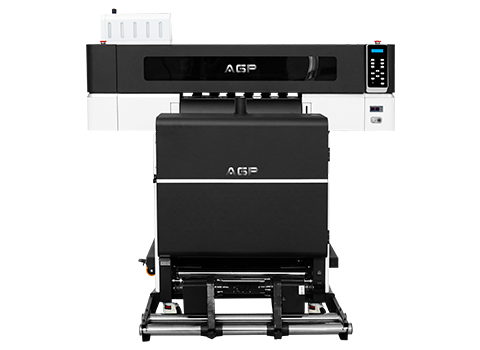
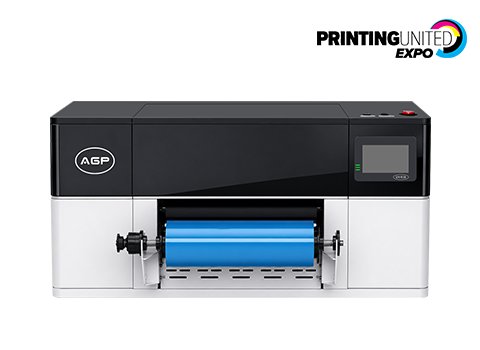
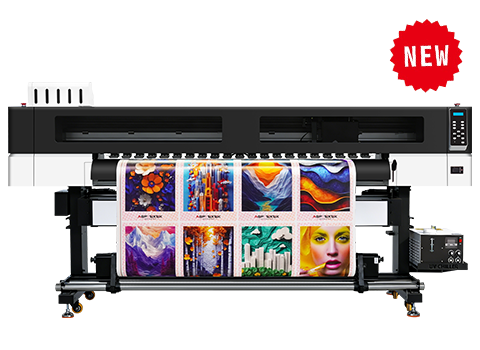
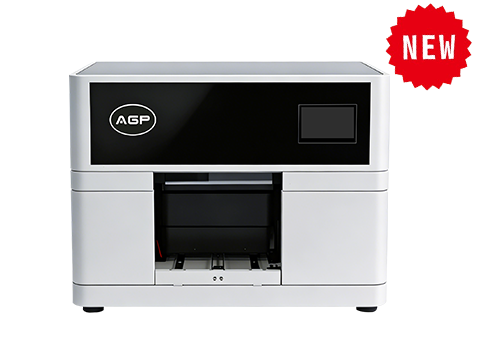
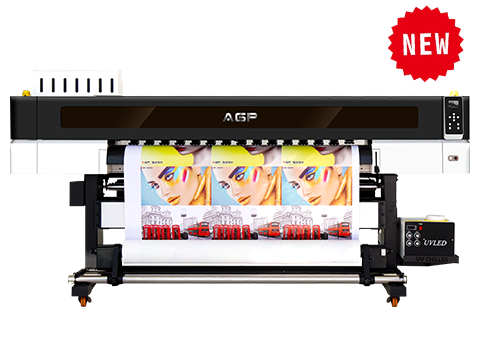
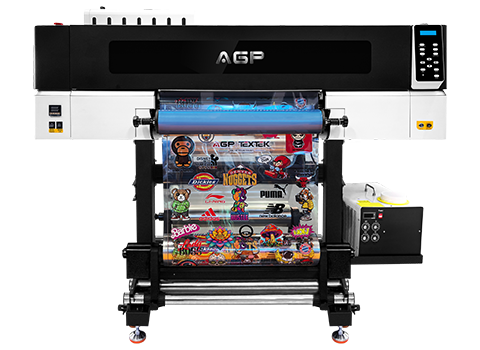
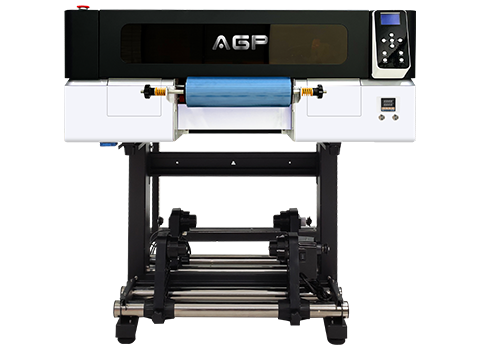
UV flatbed printer, UV roll-to-roll printer, UV hybrid printer, and UV DTF printer. Each has unique strengths and serves different business needs.
Do You Really Need a UV Printer?
If your business involves customization, signage, branding merchandise, retail display products, packaging labels, or high-value promotional items, a UV printer delivers unmatched flexibility.
Choose UV printing if you need:
-
Direct printing on rigid materials
-
High-gloss, photo-quality output
-
Embossed / 3D textured effects
-
Fast curing and zero drying time
-
Durable prints resistant to scratches, moisture, and sunlight
-
High customization capability (short runs, one-off products)
Not ideal:
If your main production is garment printing, such as T-shirts, hoodies, socks, etc., then DTF, DTG, or sublimation printers are better choices.
Although UV printers can now work on fabrics using UV DTF crystal labels, direct-to-garment contact is not recommended for clothing worn close to the skin.
Advantages of UV Printers (2025 Edition)
1. Extreme Versatility
UV printers handle a wider range of materials than almost all other printing technologies. Whether the surface is soft, firm, smooth, textured, synthetic, or natural—UV technology manages it with ease.
2. Instant Output
UV curing dries the ink immediately. You can produce finished products faster, making it ideal for high-demand and fast-turnaround orders.
3. High Color Accuracy & Sharpness
Modern UV printers offer excellent DPI resolution, photo-level sharpness, and vibrant color density. When equipped with CMYK+W+V (varnish), you can produce glossy, raised, or 3D textures.
4. Outstanding Durability
UV-cured graphics resist scratching, fading, chemicals, and water exposure. This is especially valuable for:
-
packaging
-
drinkware
-
industrial labels
-
outdoor signage
UV Printer Trends in 2025: New Capabilities
UV Printing on Fabrics
AGP has introduced improved UV technology capable of printing on fabric-friendly UV crystal labels. These labels adhere strongly, remain washable, and don’t crack—expanding UV applications into fashion accessories, home textiles, and personalized apparel decoration.
UV Printing on Cylindrical Objects
The rise of cylinder UV printers allows precise 360° printing on rounded items:
-
bottles
-
mugs
-
cosmetic containers
-
pens
-
stainless tumblers
With industrial printheads (e.g., Ricoh) and instant curing, these machines deliver continuous production with premium quality.
These advancements reshape the UV printing market, offering businesses new profit opportunities and product categories.
How to Choose the Best UV Printer: 8 Key Factors
Selecting the right UV printer depends on your exact production scenario. Focus on the following factors:
1. Your Printing Requirements & Market Demand
Before buying, clarify:
-
What materials will you print on daily?
-
What sizes and quantities?
-
Do you need to print flat items, rolls, or cylinders?
-
Is your business seasonal with peak months?
-
Do you require textured effects, high precision, or simple batch output?
-
Is workspace limited? (important for compact A3 UV printers)
Only when your production needs are fully understood can you select the right category and model.
2. Choose the Correct UV Printer Type
UV Flatbed Printer:
Best for rigid materials such as acrylic, wood, metal, tiles, and phone cases.
UV Roll-to-Roll Printer:
Designed for vinyl, film, banners, soft signage, wallpaper, and large-format advertising.
UV Hybrid Printer:
A flexible solution capable of printing both rigid boards and roll media.
UV DTF Printer:
Prints onto an adhesive film which is then applied to irregular, curved, or uneven surfaces—ideal for items that cannot be directly placed on a flatbed.
3. Evaluate Print Speed, Resolution & Work Efficiency
Important metrics include:
-
Print Speed (m²/h)
-
Resolution (DPI)
-
Number of PASS modes
-
Ink droplet size
-
Color configuration (CMYK + White + Varnish)
A higher DPI generally means slower output but superior quality.
A typical A3 UV printer prints 0.3–3 m²/h, while industrial UV DTF systems may reach 8–12 m²/h.
Tip: Always request real production samples—not just photos.
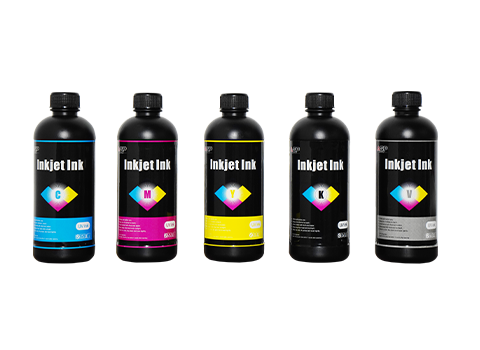
4. UV Printing Supplies
Your long-term cost depends on:
-
UV ink consumption
-
printhead type and maintenance
-
film/adhesive materials (for UV DTF)
-
varnish usage
-
cleaning solutions
UV printing offers great quality, but supply cost planning is essential for ROI.
5. UV Printer Price & Total Cost of Ownership
Besides the machine price, consider:
-
daily ink consumption
-
power usage
-
printhead replacement cost
-
maintenance
-
software fees
-
spare parts availability
A cheaper printer with expensive consumables may cost more in the long run.
6. Software, RIP, Color Management
Professional UV printing relies on:
-
RIP software
-
ICC color profiles
-
White ink control
-
Varnish/spot-layer settings
Efficient software ensures stable production and accurate color reproduction, especially for brand logos and commercial visuals.
7. Components & Printhead
Reliable UV printers typically use:
-
Ricoh printheads
-
Epson I3200 series
-
Industrial-strength guide rails
-
Stable negative-pressure ink systems
Always confirm printhead model, as it determines both speed and print quality.
8. Training, Warranty & Technical Support
For beginners or small businesses, after-sales training is as important as the printer itself.
Choose a manufacturer such as AGP, who provides:
-
installation & training
-
remote support
-
printhead maintenance guidance
-
spare parts supply
-
warranty service
A stable partner reduces downtime and hidden costs.
Conclusion: How to Choose Your Best UV Printer in 2025
The “best UV printer” is not the most expensive one—it’s the model that perfectly fits your materials, output volume, product range, space constraints, and budget.
Whether you need an A3 UV flatbed, a UV DTF printer, a roll-to-roll UV system, or a hybrid UV printer, the key is to match the machine’s strengths with your business goals.
With the right choice, you can expand product categories, improve production efficiency, attract more clients, and significantly increase your ROI in 2025 and beyond.