
DTF Curing Oven vs Heat Press: Which Should You Use to Cure Adhesive Powder?
Quick Answer: DTF adhesive powder can be cured with a dedicated curing oven or with a heat press held above the film without direct pressure ("hovering"). A curing oven delivers more even, hands-free, repeatable results — typically around 120–160°C (250–320°F) for 2–3 minutes — and is the standard choice once volume grows. Hovering with a heat press works well for beginners and low-volume shops, but ties up your press and is harder to standardize consistently. Always confirm exact settings against your specific powder manufacturer's recommendations, since formulations vary.
Curing is the step that gets skipped over in a lot of DTF explanations, but it's just as important as printing or pressing itself. After a design is printed and coated with hot-melt adhesive powder, that powder has to be melted into a smooth, even layer before it ever touches a garment — get this step wrong, and no amount of pressing afterward will save the transfer. This guide breaks down the two main ways to cure DTF powder and helps you decide which fits your production stage.
What Is DTF Curing and Why Is It a Separate Step from Pressing?
After printing a design and applying hot-melt adhesive powder over the wet ink, the excess powder is shaken off, leaving a fine coating stuck only to the printed image. Curing means melting that powder into a smooth, glossy film — this is what makes the transfer ready to bond to fabric during the final heat press step. Skipping or rushing curing leaves the powder only partially melted, which means it won't bond properly no matter how well the final press is executed.
How Does a DTF Curing Oven Work?
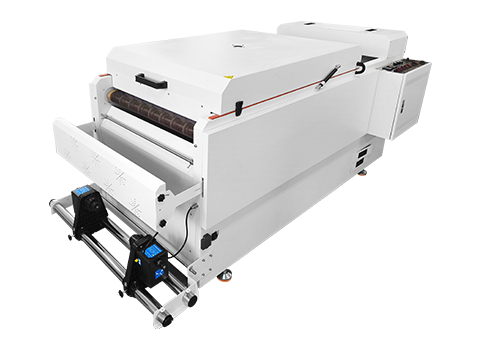
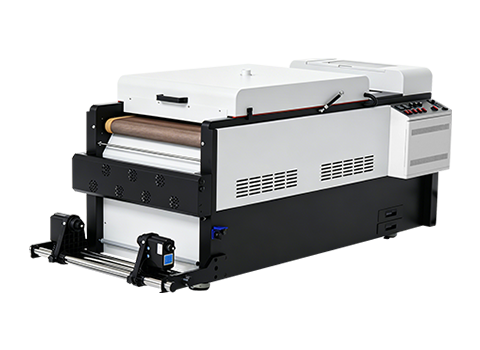
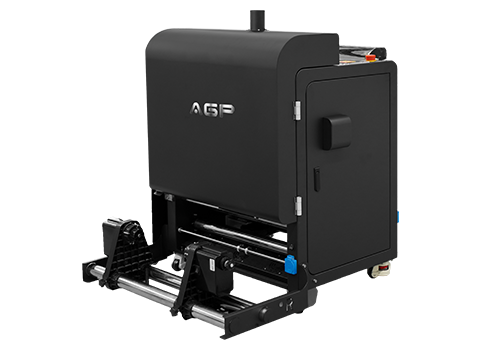
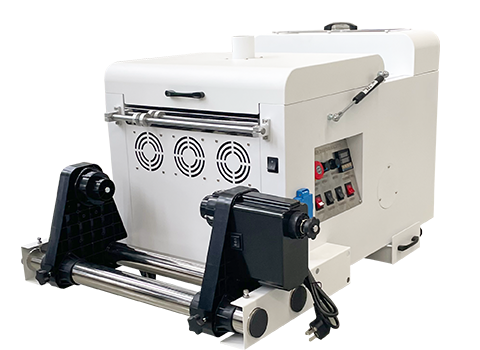
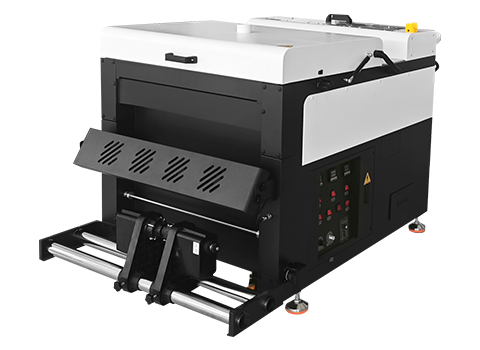
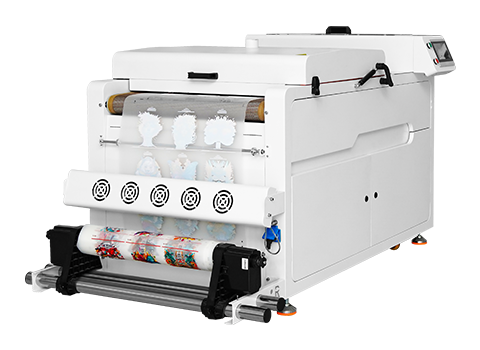
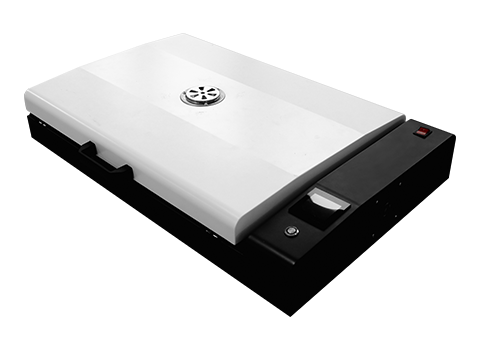
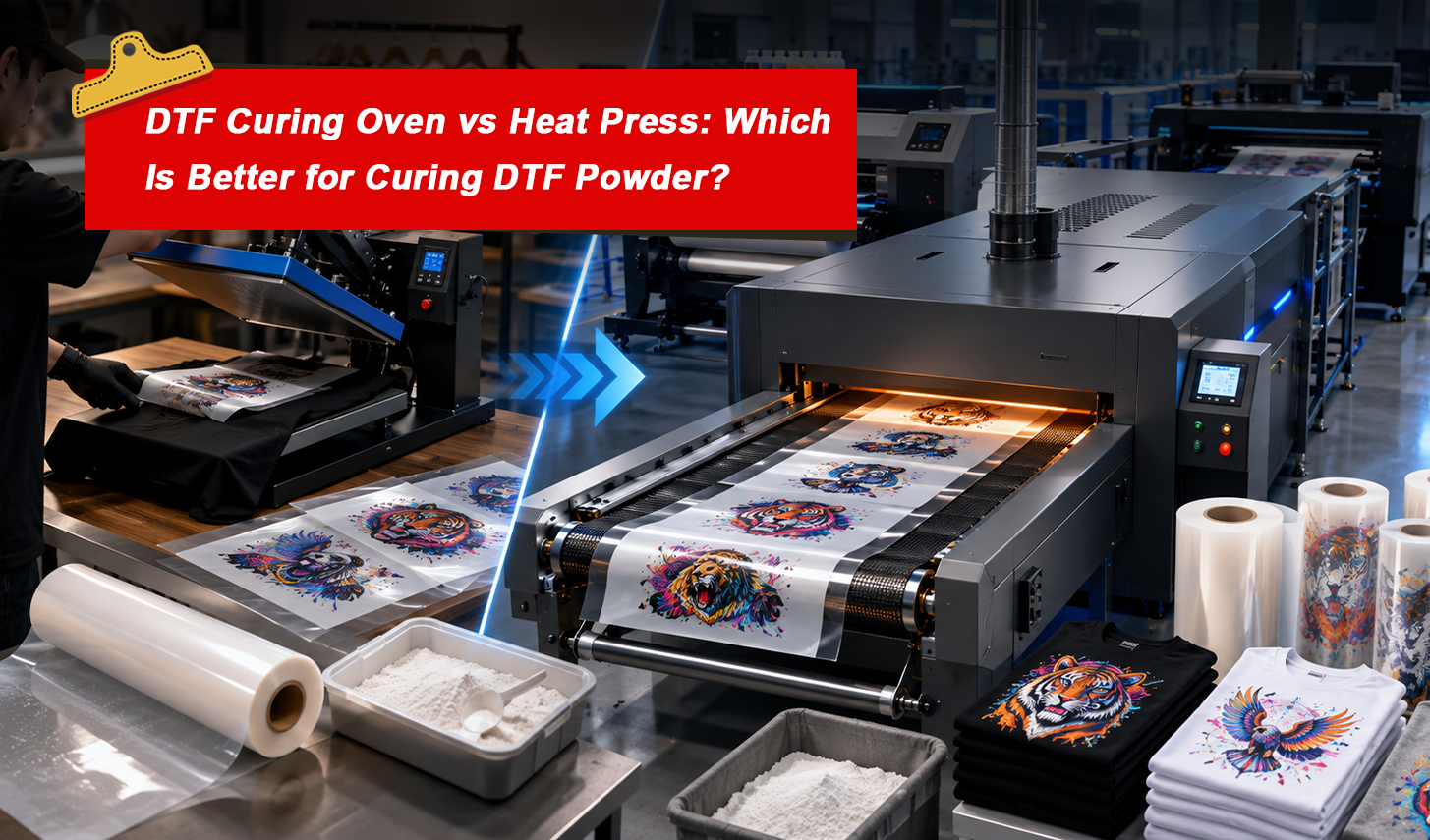
A dedicated DTF curing oven applies controlled, even heat to the powdered film inside an enclosed chamber — the film is placed on a tray or belt, cured for a set time, then removed once the powder reaches a smooth, matte-glossy texture. Because heat surrounds the film rather than pressing from one direction, ovens typically produce the most consistent cure of any method, with digital temperature and timer controls that make results easy to repeat batch after batch.
How Do You Cure DTF Powder with a Heat Press Instead?
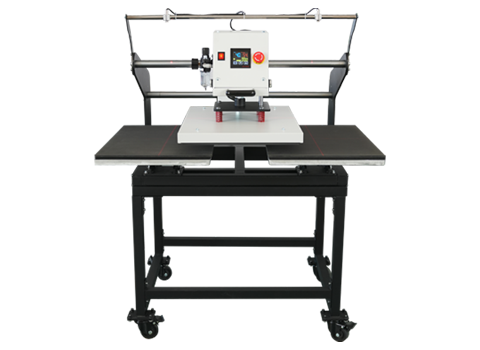
Without a dedicated oven, a heat press can cure powder using a technique called "hovering" — the top platen is held just above the film (roughly 1–2 cm) without applying direct pressure, using only the radiant heat to melt the powder. This works well for shops just starting out, but it has real drawbacks: it occupies your press so it can't be used for actual transfers during that time, and holding a consistent hover height by hand is harder to standardize than a fixed oven cycle.
Oven vs. Heat Press: Which Gives More Consistent Results?
Ovens generally win on consistency because heat surrounds the entire film evenly, reducing the risk of cold spots or uneven curing across the sheet. Heat press hovering can work well with practice, but manually maintaining a steady height and even coverage introduces more room for human error — particularly on larger sheets or gang sheets where edges may cure differently than the center.
What Happens If DTF Powder Is Under-Cured or Over-Cured?
- Under-cured powder: Feels sticky or grainy rather than smooth, and won't bond properly during the final press — transfers may fail to adhere or peel shortly after application.
- Over-cured powder: Appears overly hardened, brittle, or slightly discolored, and can lose adhesion strength before it ever reaches the garment.
The visual cue to watch for either way is texture: properly cured powder turns a smooth, matte-to-slightly-glossy finish. A dull, grainy surface signals under-curing; a shiny, warped, or yellowing surface signals over-curing.
Do You Need Ventilation When Curing DTF Powder?
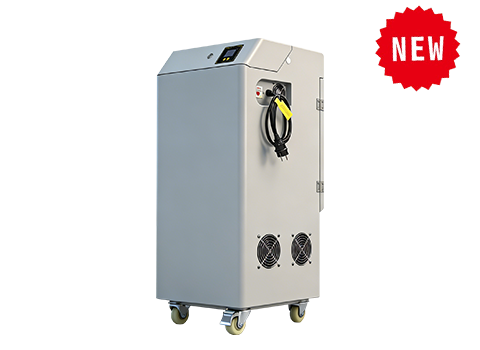
Yes. Both ovens and enclosed curing equipment concentrate fumes released as the powder melts more than an open hover setup does, so adequate airflow or an exhaust connection matters even if no smoke is visible. Running curing equipment in a small, poorly ventilated space isn't recommended — pairing your curing setup with proper ventilation, such as an air purifier, helps keep your workspace safe for daily production.
When Should You Upgrade from Heat Press Curing to a Dedicated Oven?
Hovering with a heat press is a perfectly valid way to start, especially at hobby or low-volume scale. But once you're curing more than a handful of sheets per hour, the math flips: every minute your heat press spends hovering over powder is a minute it's not pressing finished transfers onto garments. At that point, a dedicated curing oven pays for itself by freeing up your press for its actual job — pressing — while curing runs independently in the background.
Curing Method Comparison
| Factor | Curing Oven | Heat Press (Hover) |
|---|---|---|
| Heat distribution | Even, surrounds the film | One-directional; harder to keep even |
| Consistency | High — repeatable digital settings | Depends on operator technique |
| Frees up press for pressing | Yes — runs independently | No — press is occupied while curing |
| Upfront cost | Additional equipment investment | None — uses equipment you likely already own |
| Best for | Growing shops, daily gang sheet production | Beginners, hobbyists, low-volume testing |
Typical Curing Settings by Method
| Method | Typical Temperature | Typical Time |
|---|---|---|
| Dedicated curing oven | ~120–160°C (250–320°F) | 2–3 minutes |
| Heat press (hover, no pressure) | ~160–180°C (320–356°F) | 60–120 seconds |
These are general starting points. Always confirm exact temperature and time against your specific powder and film manufacturer's recommendations, and run a test strip whenever you switch suppliers or receive a new batch.
Conclusion: Matching Your Curing Method to Your Production Stage
Neither method is objectively "better" in every situation — a heat press hover cure is a completely valid way to start, and a dedicated oven is the natural next step once curing volume starts competing with your pressing schedule. The real signal to watch for is whether your press spends more time hovering over powder than actually pressing finished transfers — once it does, an oven upgrade usually pays for itself quickly in production speed alone.
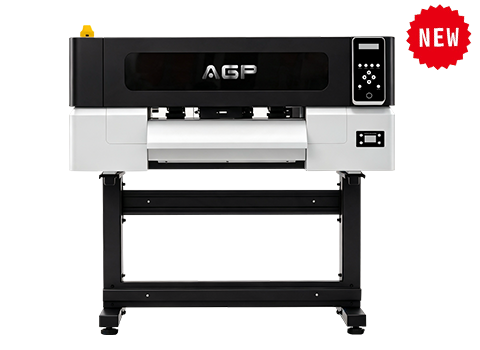
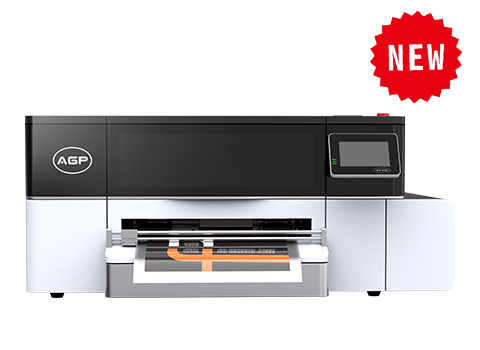
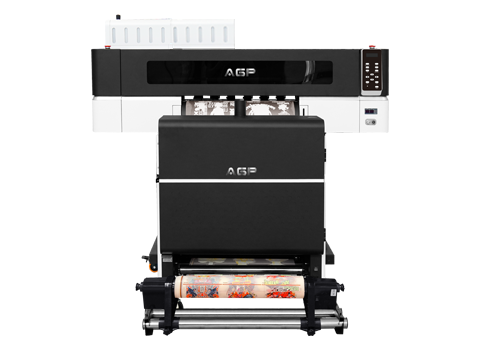
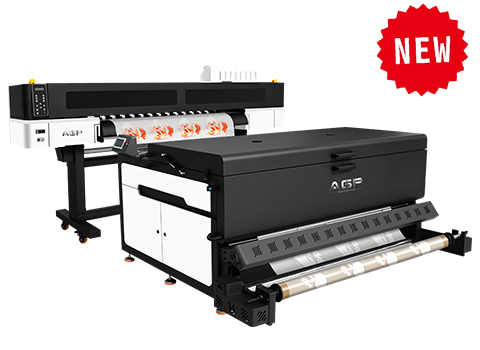
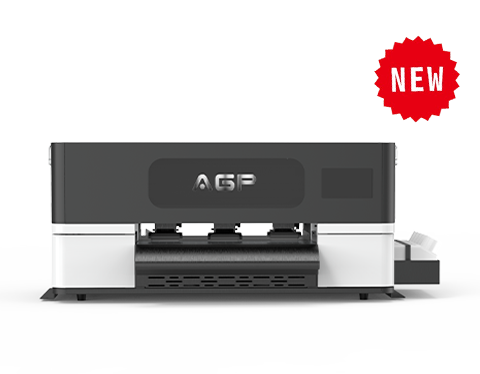
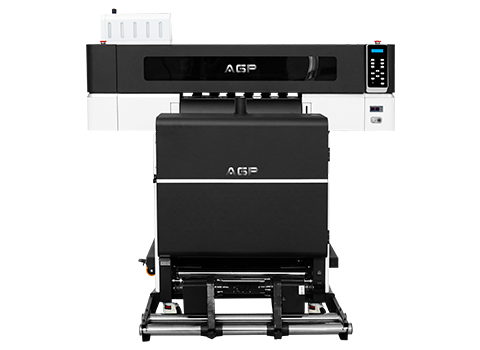
AGP's DTF OVEN A280/A380 is built for consistent, hands-free curing alongside our full range of DTF printers, powder shakers, and heat press machines — giving you a complete production line from print to finished transfer. Contact our team to find the right equipment for your production volume.
FAQ: DTF Curing Oven vs Heat Press Questions
Do I need a curing oven to start DTF printing?
No. A heat press can cure DTF powder using the hover technique, making it a valid starting point for beginners — a dedicated oven becomes more valuable as production volume grows.
Why is my DTF print sticky after curing?
A sticky surface usually means the powder is under-cured — ensure your temperature and time match your powder manufacturer's recommendations, and let the print cool completely before handling.
How do I know if DTF powder is fully cured?
Properly cured powder turns a smooth, matte-to-slightly-glossy finish. A dull, grainy texture means it's under-cured; a shiny, brittle, or discolored surface means it's likely over-cured.
Can I use a regular kitchen oven to cure DTF powder?
It's not recommended — household ovens lack the precise, consistent temperature control needed for reliable curing and can damage transfers or unevenly cure the powder.
Does curing temperature change based on fabric type?
Curing temperature is primarily determined by your ink and powder formulation, not the target fabric — but always follow your specific powder manufacturer's guidelines, since formulations vary between brands.
Is a curing oven worth it for a small shop?
If you're curing more than a few sheets per hour, yes — an oven frees your heat press to focus entirely on pressing finished transfers, which usually improves overall throughput more than the oven's cost.
Do I need ventilation for a DTF curing oven?
Yes. Curing releases fumes from the melting adhesive powder, and enclosed equipment concentrates them more than an open setup — proper airflow or an exhaust/air purifier setup is recommended for daily use.