
DTF vs Screen Printing: Which Should You Choose in 2026?
Quick Answer: Screen printing wins on cost per piece once you're printing 150+ identical, simple-color designs, because the ink and equipment cost drops sharply at scale. DTF (Direct-to-Film) wins everywhere else — small runs, mixed designs, photo-quality gradients, and dark or oddly-colored fabrics — because there's no per-color screen setup and no minimum order size. Most growing print shops end up running both, using DTF for flexibility and screen printing for their highest-volume repeat orders.
DTF vs Screen Printing: Side-by-Side Comparison
| DTF Printing | Screen Printing | |
|---|---|---|
| Setup cost per design | None — design goes straight to film | $25–40+ per color, per design (screen burning) |
| Best order size | 1–100+ pieces, especially mixed designs | 150+ identical pieces, one design |
| Color complexity | Unlimited colors, gradients, photo-quality detail — no added cost | Each color = a separate screen and pass; gradients are difficult |
| Fabric compatibility | Cotton, poly, blends, dark garments, denim, some hard surfaces | Best on cotton and blends; struggles on stretch/performance fabrics |
| Feel on garment | Slight film layer, soft-hand finishes available | Ink soaks into fibers — softest feel, especially with discharge ink |
| Durability (wash count) | Typically 50–80 washes with correct curing | Typically 50–100+ washes, slight edge at high volume |
| Turnaround | Fast — print and press same day, any design | Slower per new design due to screen prep; very fast once screens are ready |
| Cost per unit at 500+ pieces | Higher than screen printing at this volume | Lowest cost per piece once setup is amortized |
How the Break-Even Math Actually Works
The entire DTF-vs-screen-printing decision comes down to one number: how many identical pieces are you printing? Screen printing's cost advantage comes from spreading a fixed setup cost (screens + ink prep) across many units — the more units, the cheaper each one gets. DTF has virtually no setup cost, so its per-unit price stays flat whether you're printing 1 shirt or 80.
- Under ~100–150 identical pieces: DTF is almost always cheaper once screen setup fees are factored in — you're not paying to amortize screens you'll only use once.
- 150–500 pieces, simple 1–3 color design: This is the crossover zone. Run your own numbers — screen setup cost ÷ order size + per-piece ink cost, versus DTF's flat per-piece cost — to see which wins for your specific job.
- 500+ identical pieces, 1–3 colors: Screen printing's per-unit cost usually pulls ahead and stays ahead.
- Any volume with 4+ colors, gradients, or photo-realistic art: DTF wins regardless of quantity, because screen printing costs scale with color count, not just piece count.
When DTF Wins
- Small or one-off orders — team jerseys, single-customer requests, samples
- Mixed-design batches, like print-on-demand shops running dozens of different orders per day
- Full-color, photographic, or gradient artwork
- Dark garments, since DTF's white ink underbase handles any fabric color equally well
- Fast turnaround needs — no screens to burn, no drying racks to manage between colors
When Screen Printing Wins
- Large, repeat orders of the same design — event tees, retail runs, uniform programs
- Simple 1–3 color logos where per-unit cost is the deciding factor
- Jobs where the softest possible hand-feel matters most, especially with discharge inks
- Specialty ink effects — puff, metallic foil, glow-in-the-dark — that DTF can only partially replicate
- Athletic or performance fabrics where breathability from uncoated fabric area matters
The Hybrid Approach Most Growing Shops Land On
DTF and screen printing aren't really competitors — they solve different order profiles. Many successful apparel decorators start with DTF because it removes the barrier to taking on small, varied, or rush orders, then add screen printing capacity later once a specific design proves out at high volume (a bestselling design, a season-long uniform contract). Used together, you can quote competitively at any order size instead of turning away jobs that don't fit one method.
If you're deciding what to add to your shop next, see how DTF also stacks up against other common apparel methods: DTF vs Sublimation, DTF vs DTG, and DTF vs HTV.
Frequently Asked Questions
Is DTF cheaper than screen printing?
For small and mixed-design orders, yes — DTF has no per-color setup cost, so it stays cheaper up to roughly 100–150 identical pieces. Above that volume, screen printing's cost per unit typically drops below DTF's, especially for simple 1–3 color designs.
Does DTF last as long as screen printing?
Both hold up well with correct application — DTF transfers typically last 50–80 washes, while well-cured screen prints can reach 50–100+ washes since the ink bonds directly into the fabric fibers. The gap narrows significantly with proper curing on both methods.
Can DTF replace screen printing entirely?
Not for every job — screen printing still wins on very large, simple, repeat orders and on specialty ink effects like puff or metallic foil that DTF can only partially replicate. Most shops use DTF for flexibility and screen printing for their highest-volume, simplest-design runs.
Which method is better for a small or new apparel business?
DTF is generally the better starting point for a new business, since it requires no minimum order size, no per-color screen setup, and works across mixed designs and fabric colors from day one — letting you take on small or varied orders that screen printing can't price competitively.
Ready to add DTF capacity to your shop?
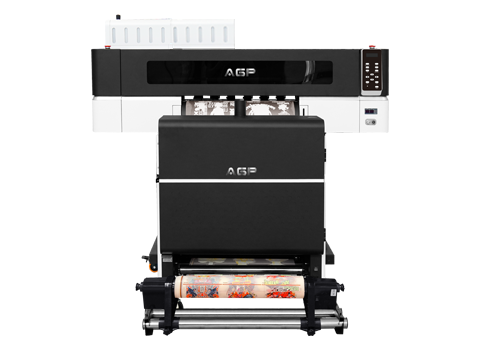
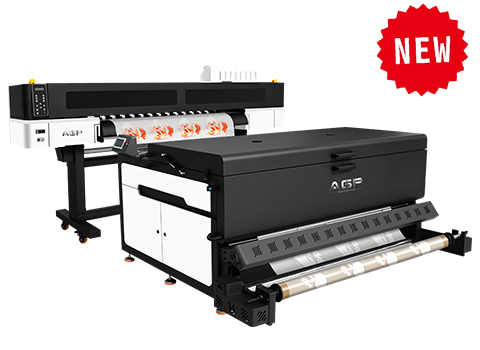
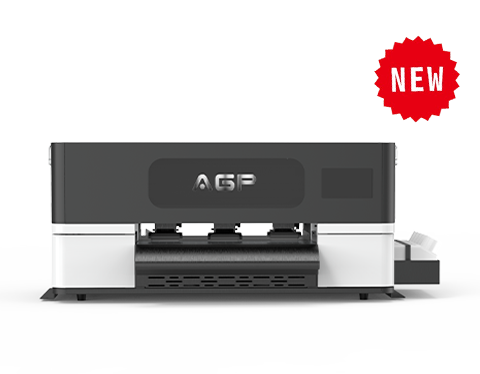
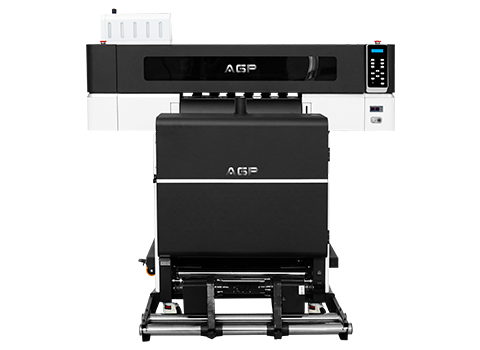
See which machine fits your order volume in our DTF Printer Buying Guide, or browse the full lineup below.