
DTF vs Sublimation Printing: Which Method Should You Choose in 2026?
Quick Answer: Sublimation printing works only on white or light-colored polyester and polymer-coated items, but the dye becomes part of the material — permanent, with zero hand-feel. DTF (Direct-to-Film) printing works on cotton, polyester, blends, and dark garments alike, because a white ink layer sits under the design. If your products are light-colored polyester (sportswear, mugs, mousepads), sublimation gives you the most durable, feel-free result. If you need to print on any fabric or any garment color, DTF is the more flexible choice.
DTF and sublimation are two of the most common digital printing methods for custom apparel and merchandise, and they're often compared because both replaced older transfer methods for full-color, small-batch production. But the two processes work in fundamentally different ways — one bonds dye into the fiber itself, the other builds a printed layer on top of the fabric — and that difference drives real decisions around fabric choice, garment color, feel, and cost. Here's exactly how they compare.
What Is Sublimation Printing?
Sublimation printing uses heat to turn solid dye directly into gas, which then bonds into the fibers of polyester or a polymer-coated surface. The design is first printed onto transfer paper with sublimation ink, then heat-pressed onto the item. Because the dye becomes part of the material rather than sitting on top of it, sublimated prints have no texture at all and never crack, peel, or fade.
Best for: white or light-colored polyester apparel, sportswear, and hard-coated items like mugs, mousepads, and phone cases.
What Is DTF Printing?
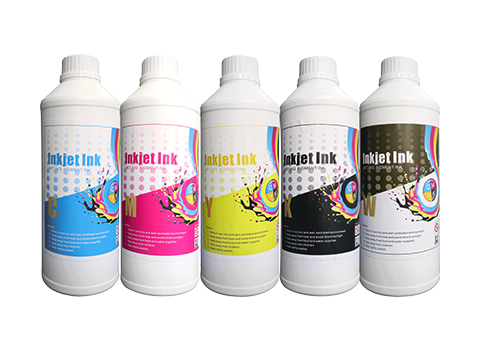
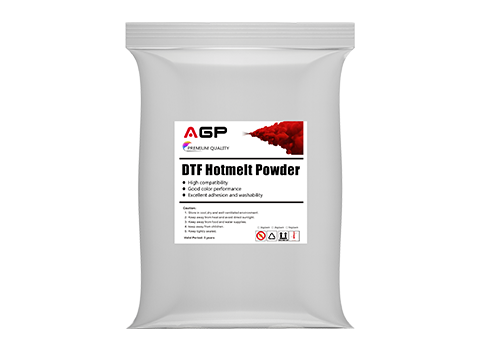
DTF (Direct-to-Film) printing prints a design onto PET film using pigment ink with a white ink base layer, applies hot-melt adhesive powder over it, cures the powder, and then transfers the finished design onto the garment using a heat press. Because the white ink layer sits underneath the design, DTF works regardless of what color garment it's pressed onto.
Best for: cotton, polyester, blends, and dark-colored garments; businesses that need to say "yes" to any fabric or any color.
Which Fabrics Work Best With DTF vs Sublimation?
This is the single biggest practical difference between the two methods. Sublimation only works on polyester or polymer-coated surfaces — the dye needs to bond with polyester fibers or a special coating, so 100% cotton, canvas, or leather won't hold the print at all. DTF works across nearly any fabric — cotton, polyester, denim, blends, and even leather — because the adhesive powder bonds the design to the surface rather than depending on fiber composition.
Which Method Prints Better on Dark or Colored Garments?
DTF has a clear advantage here. Sublimation ink is translucent, so any white or light areas of a design simply show the garment's base color instead — which is why sublimation is effectively limited to white or very light-colored items. DTF's white ink underbase means colors stay opaque and vibrant no matter how dark the garment is, making it the only realistic option for black, navy, or other dark-colored apparel.
Which Feels Better to Wear — DTF or Sublimation?
Sublimation wins on feel. Because the dye becomes part of the fabric itself, there's no texture at all — the print is completely invisible to the touch, which is a major reason it's popular for performance and athletic wear. DTF transfers sit on top of the fabric, so there's a slight texture at the edges, though modern DTF ink and thinner powder formulas have made this texture far less noticeable than early DTF prints, and it typically softens further after the first few washes.
Which Is More Durable Long-Term?
Both methods hold up well, but for different reasons. Sublimation is technically the more permanent of the two — since the dye is fused into the fiber, the print lasts as long as the garment itself and won't crack, peel, or fade with washing. DTF is also highly wash-durable when printed with quality ink and powder, and its flexible adhesive layer resists cracking under stretching — but because it sits on the surface, it's more dependent on print quality and heat press settings than sublimation is.
Which Has Lower Startup and Equipment Costs?
DTF setups are generally more affordable to start, since sublimation printing shares the same printer hardware category but sublimation blanks (pre-coated polyester items) can cost more per unit than plain cotton blanks used for DTF. A basic DTF line — a DTF printer, powder shaker, and heat press — also gives you access to lower-cost cotton blanks, while sublimation requires polyester or specially coated substrates across the board.
Which Is Better for Print-on-Demand or Custom Merchandise?
It depends on your product catalog. Sublimation is excellent for a narrower but very durable product line — think white athletic jerseys, mugs, and mousepads — where the finished feel and permanence matter most. DTF is the more scalable choice for a diverse custom apparel shop, since it lets you fulfill orders on any fabric or garment color without turning away requests that don't fit sublimation's polyester-only requirement.
Can You Run Both DTF and Sublimation in the Same Shop?
Yes, and many growing shops do exactly this. Sublimation covers the light-colored polyester and hard-goods side of the business — sportswear, mugs, and promotional items — while DTF covers everything else: dark garments, cotton apparel, and mixed-fabric orders. Running both lets a single shop say "yes" to nearly any request instead of turning away orders that don't fit one method.
DTF vs. Sublimation at a Glance
| Factor | Sublimation | DTF |
|---|---|---|
| How it works | Dye turns to gas and fuses into polyester fibers | Printed on film with white ink base, then heat-pressed onto garment |
| Fabric compatibility | Polyester and polymer-coated surfaces only | Cotton, polyester, blends, denim, leather |
| Garment color | White or light colors only (no white ink) | Any color, including black and dark garments |
| Hand feel | None — dye is part of the fabric | Slightly raised at first, softens after washing |
| Durability | Permanent — lasts as long as the garment | Very good — resists cracking with quality ink/powder |
| Startup cost | Moderate; polyester blanks cost more per unit | Lower; works with low-cost cotton blanks too |
| Best for | White/light polyester apparel, mugs, hard goods | Mixed fabrics, dark garments, diverse product catalogs |
Which Should You Choose?
Choose sublimation if your product line is built around white or light-colored polyester — performance jerseys, mugs, mousepads, or other hard-coated goods — and a completely feel-free print matters most to your brand.
Choose DTF if you need to print on any fabric or any garment color, want lower-cost blank options, or are running a diverse custom apparel shop where turning away cotton or dark-garment orders isn't an option.
No rule says you have to pick only one — many successful shops run both, matching each method to the product category it handles best.
Conclusion: Matching the Method to Your Product Catalog
DTF and sublimation are both mature, professional-grade printing methods — the right choice comes down to your product mix, not one method being universally "better." For shops built around light-colored polyester goods, sublimation delivers unmatched durability and feel. For shops that need to handle any fabric or garment color, DTF remains the more flexible, scalable option.
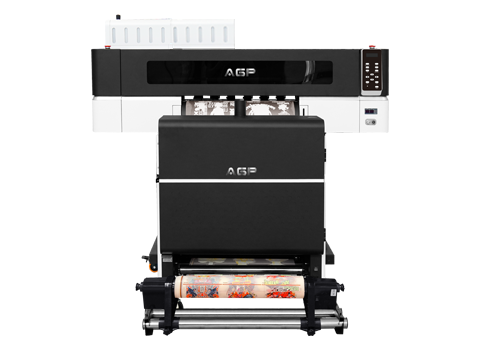
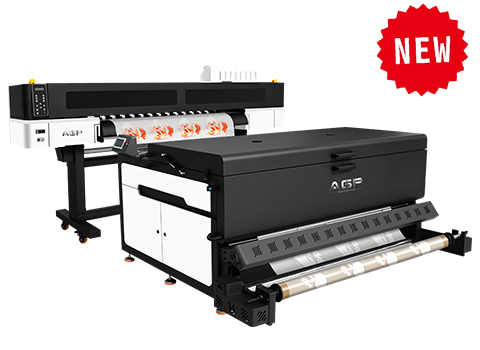
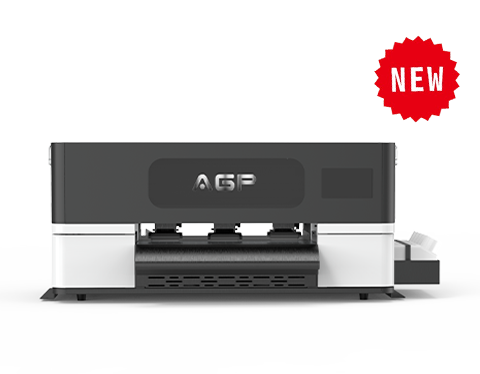
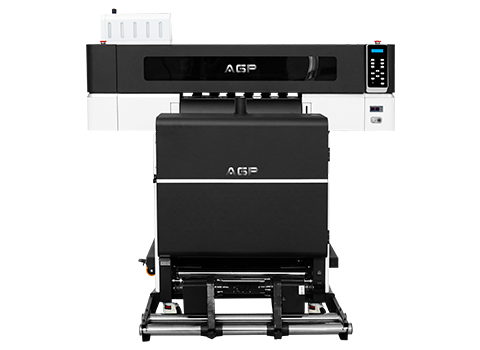
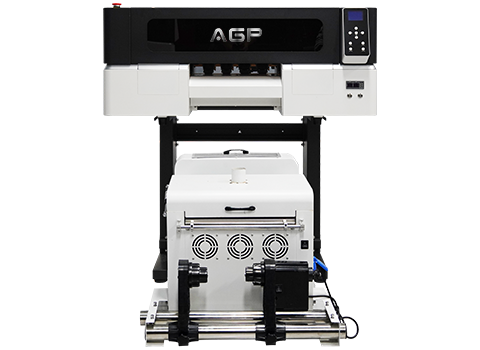
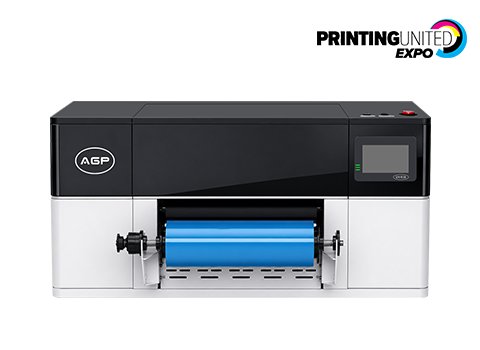
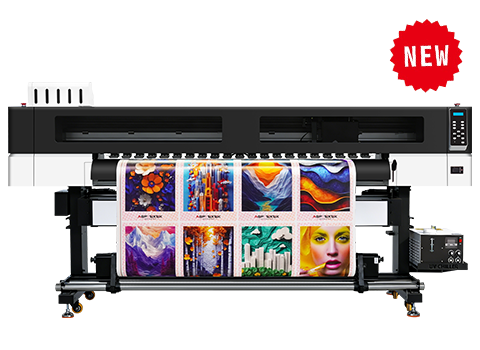
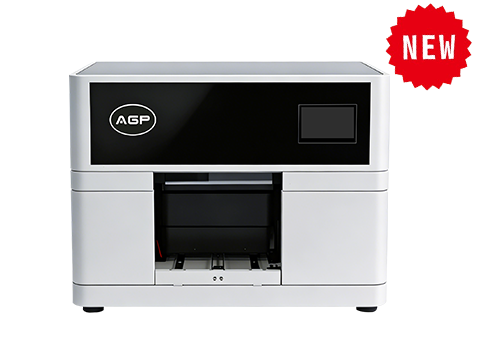
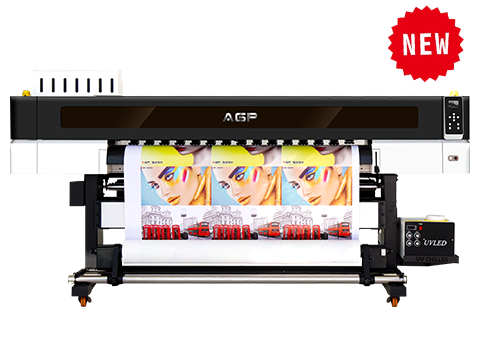
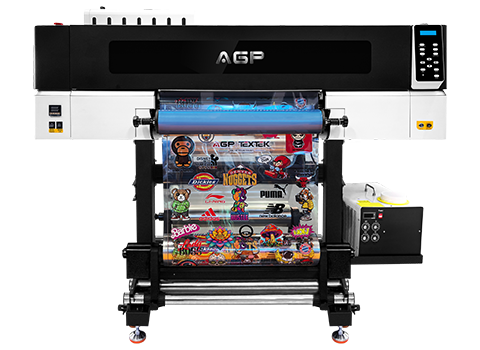
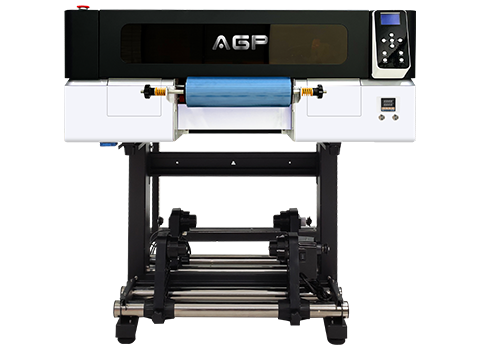
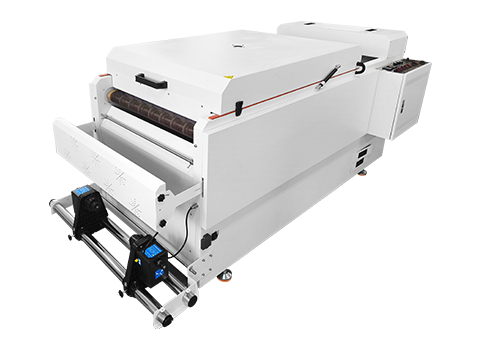
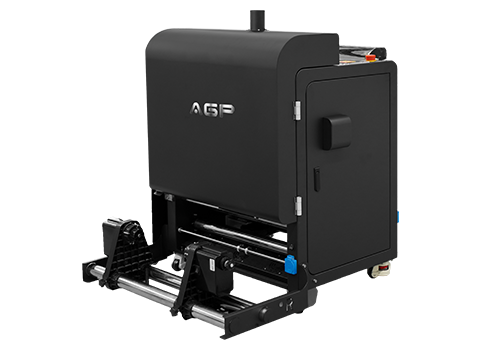
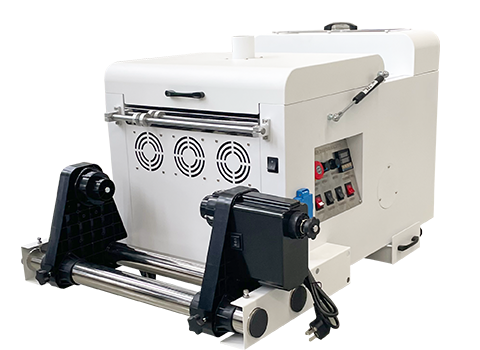
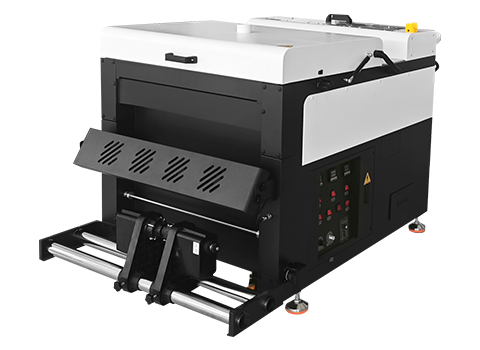
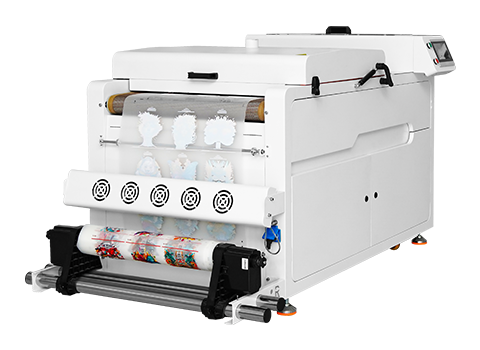
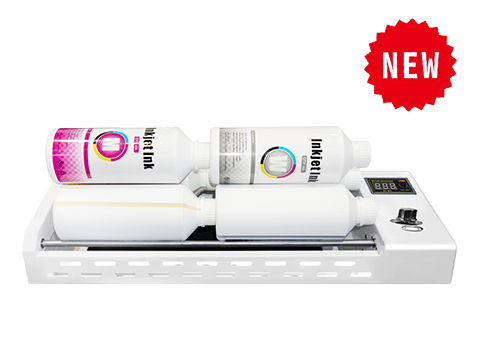
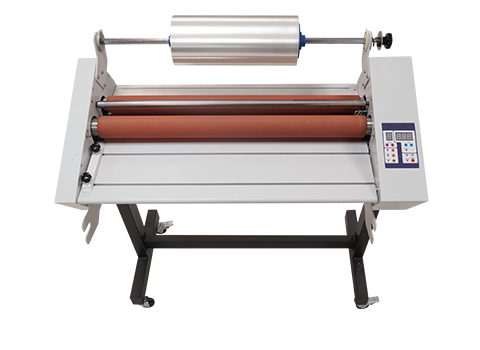
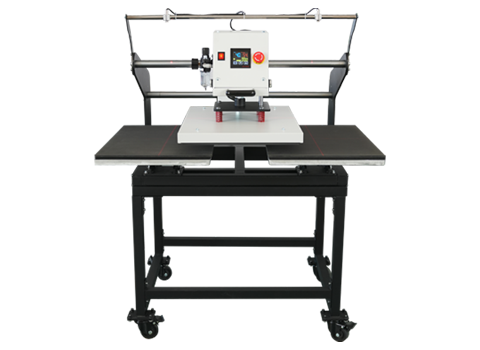
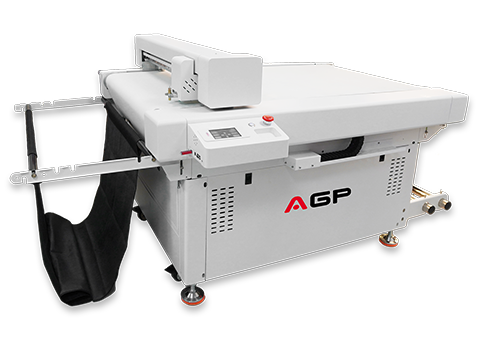
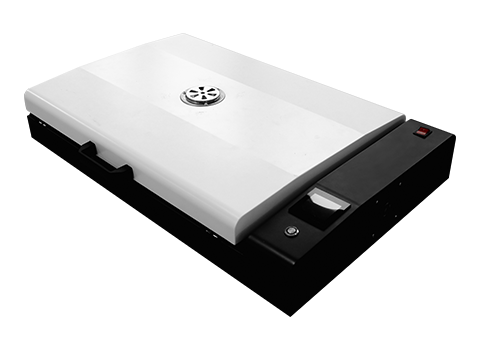
AGP manufactures a full Sublimation-TK1903/TK1904 printer lineup alongside our complete range of DTF printers, powder shakers, curing ovens, and heat press machines — so whether your catalog leans sublimation, DTF, or both, we can help you build the right production line. Contact our team to find the right equipment for your product mix.
FAQ: DTF vs Sublimation Questions
Is DTF better than sublimation?
Neither is universally better — sublimation offers unmatched durability and a zero-feel print on light polyester goods, while DTF offers far broader fabric and color compatibility. The right choice depends on your product catalog.
Can sublimation print on cotton?
No. Sublimation dye only bonds with polyester fibers or a polymer coating. On 100% cotton, the dye can't fuse into the fabric and will wash out almost immediately — DTF or HTV are better choices for cotton.
Can sublimation print on dark or black garments?
Not effectively. Sublimation ink is translucent and has no white ink option, so on dark fabric the design's lighter areas just show the garment's base color through. DTF, with its white ink underbase, is the practical choice for dark garments.
Which feels softer, DTF or sublimation?
Sublimation feels softer, since the dye becomes part of the fabric with zero added texture. DTF sits slightly on the surface, though the texture is subtle with modern ink and powder, and softens further after the first few washes.
Which is cheaper to start, DTF or sublimation?
DTF is generally cheaper to start overall, mainly because it can use low-cost cotton blanks in addition to polyester, while sublimation requires polyester or specially coated blanks across the board.
Should my shop offer both DTF and sublimation?
Many shops do — sublimation for light-colored polyester goods and hard items like mugs, and DTF for dark garments, cotton apparel, and mixed-fabric orders — covering more of the market without compromising quality on either side.