
Stop Losing Time and Profit: Upgrade to an AGP DTF Printer for High-Volume Production
At some point, almost every apparel printing business hits the same wall.
Orders start piling up. Turnaround times get longer. Production feels slower no matter how hard the team works. Suddenly, the printing method that once helped grow the business becomes the very thing slowing it down.
Sound familiar?
A lot of custom t-shirt shops, print studios, and private-label clothing brands are dealing with this right now. Traditional printing methods like screen printing or DTG still work, sure — but they struggle when production volume starts increasing.
And that creates a serious problem.
Because customers today expect faster delivery, smaller minimum orders, more design options, and better print quality all at the same time.
That’s exactly why industrial DTF printing has become one of the fastest-growing technologies in the custom apparel industry.
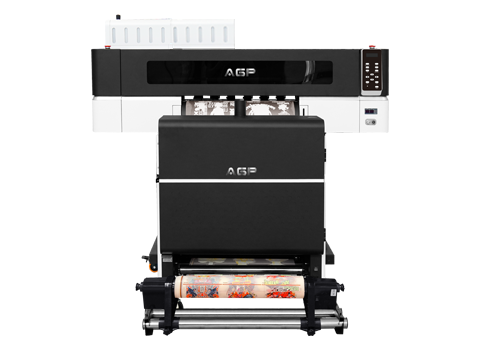
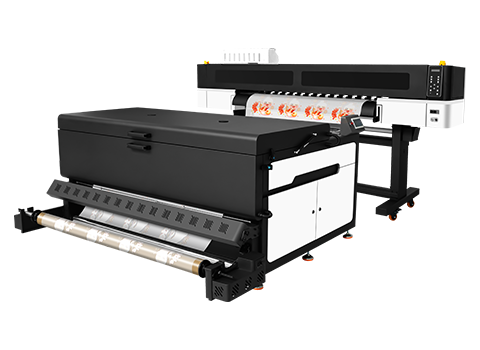
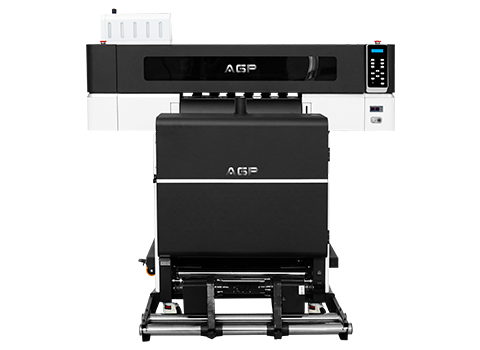
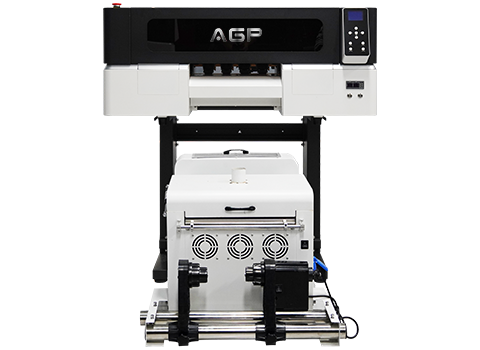
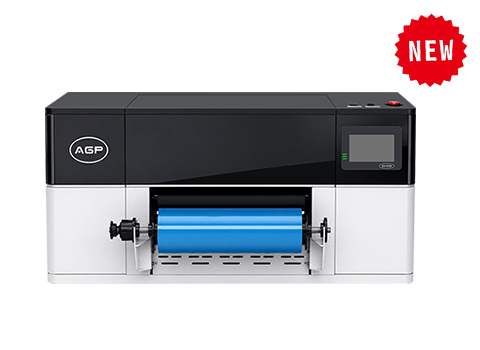
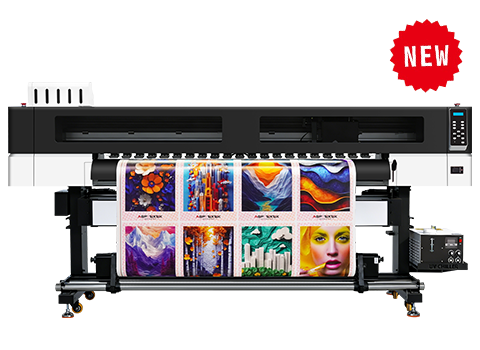
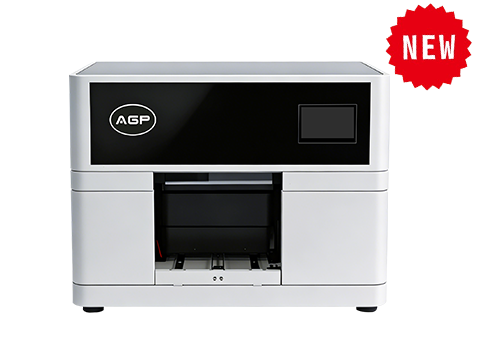
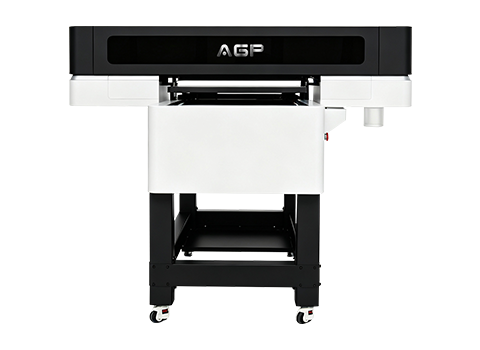
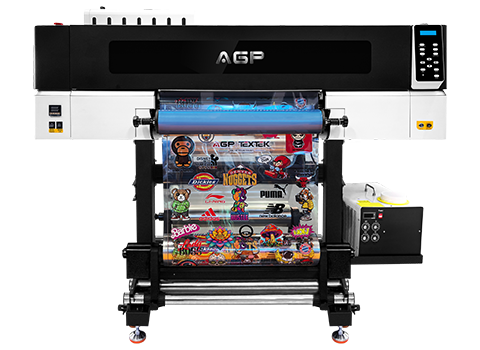
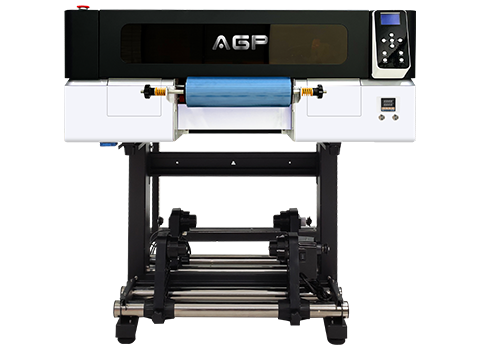
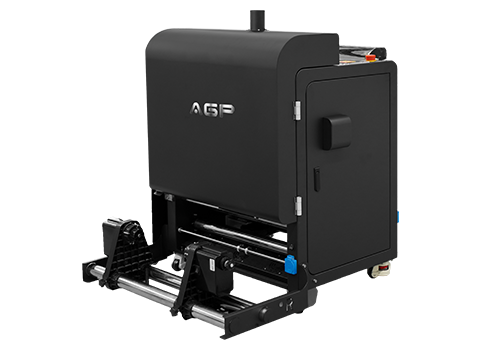
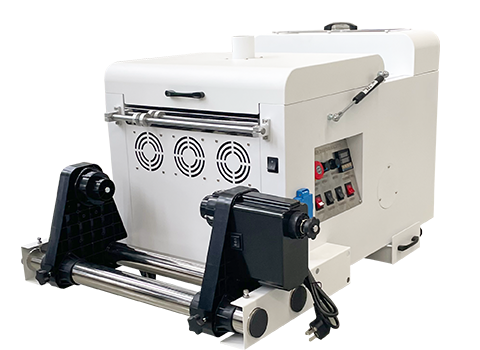
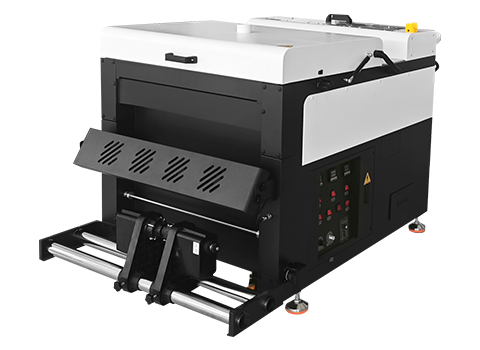
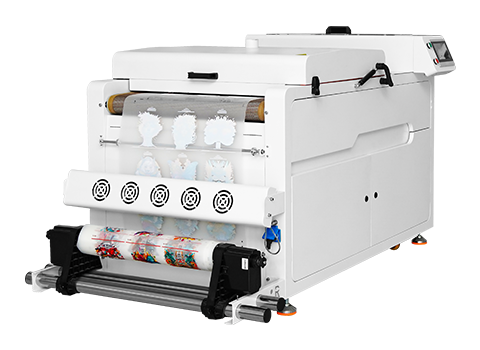
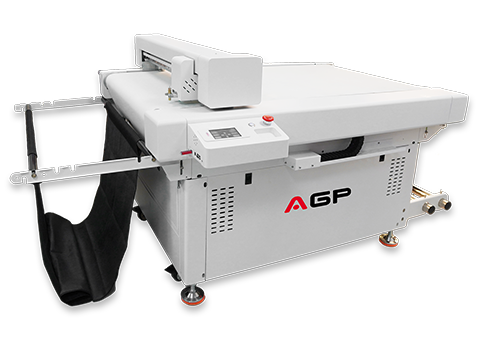
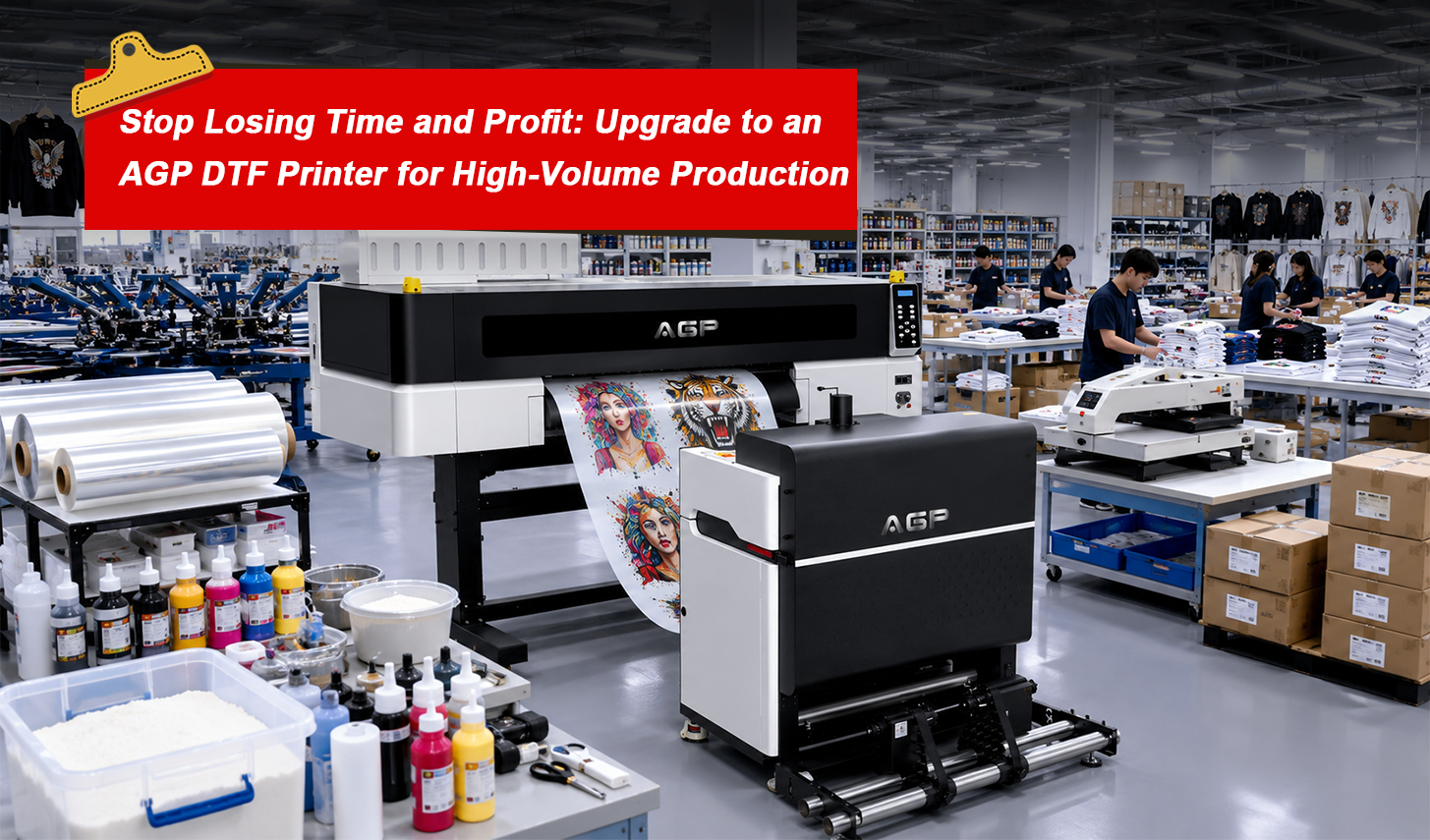
More businesses are realizing that a professional AGP DTF printer is not just another machine upgrade. It’s a way to remove production bottlenecks, improve efficiency, and scale the business without constantly fighting the workflow.
The Real Problem With Traditional Printing Methods
Traditional printing methods helped build the apparel decoration industry, but they were never designed for the speed and flexibility modern businesses need today.
Screen printing, for example, still works well for large-volume jobs with simple artwork. But once you start handling multiple small orders, detailed graphics, or on-demand production, the process becomes slow and expensive.
You deal with:
- Long setup times
- Screen preparation
- Ink mixing
- Cleanup work
- Material waste
- Labor-heavy workflows
DTG printing solved some of those problems, but introduced new ones.
Many DTG printers require pretreatment, constant maintenance, slower production speeds, and limited fabric compatibility.
And once production volume increases, those limitations become impossible to ignore.
A lot of shops eventually realize they are spending more time managing bottlenecks than actually growing the business.
That’s when industrial DTF printing starts making a lot more sense.
Why More Apparel Businesses Are Moving to Industrial DTF Printing
DTF printing completely changed how custom apparel production works.
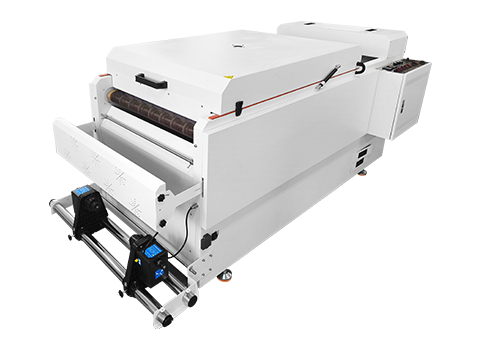
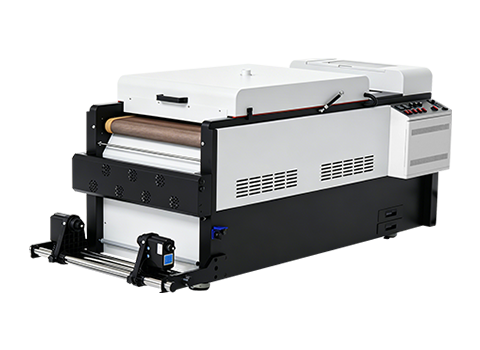
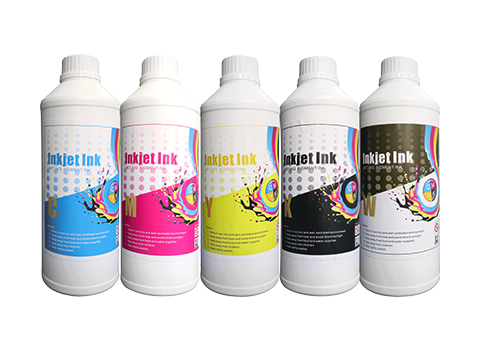
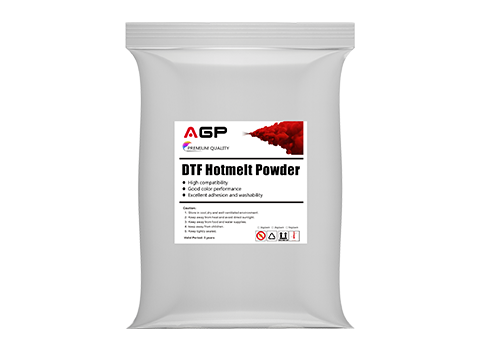
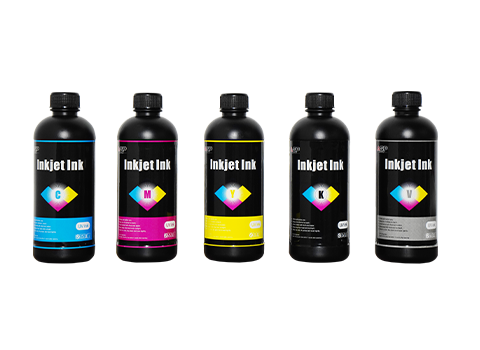
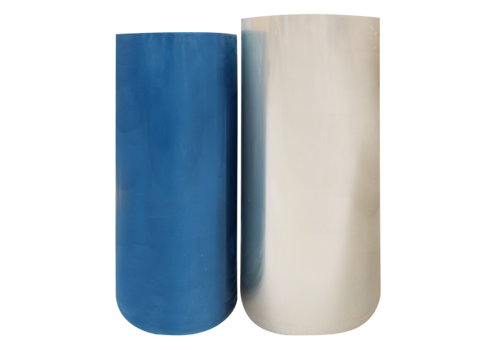
Instead of printing directly onto garments, DTF printers print designs onto PET transfer film using water-based pigment ink and adhesive powder. The transfer is then heat pressed onto the garment.
Simple process. Huge flexibility.
What makes DTF different is that it removes many of the biggest limitations traditional printing methods struggle with.
That’s why more apparel businesses are switching to commercial DTF printers for:
- Faster production
- Better scalability
- Lower operating costs
- Multi-fabric compatibility
- On-demand printing
- Higher profit margins
Industrial DTF printers allow businesses to produce custom apparel faster without sacrificing print quality.
And when you’re handling real production volume, that matters a lot.
How a DTF Printer for Apparel Production Improves Efficiency
One of the biggest advantages of industrial DTF printing is consistency.
A professional AGP DTF printer is designed to maintain stable output hour after hour, not just produce one impressive sample print during a demo.
That’s a huge difference.
When your business grows, the question changes from:
“Can this printer make a good print?”
to:
“Can this printer maintain production all day without slowing down?”
Industrial DTF systems are built specifically for high-volume workflows.
Faster Production Speeds
Compared with traditional methods, DTF printing dramatically reduces setup time.
There are no screens to burn. No complicated color separations. No lengthy garment preparation process.
You can move from one design to another almost instantly.
That flexibility allows print shops to:
- Accept more orders
- Handle short runs profitably
- Deliver faster turnaround times
- Increase daily production output
Easier Workflow Management
DTF printing simplifies production.
Because transfers can be printed ahead of time and applied later, businesses gain much more flexibility in scheduling and order management.
This is especially useful for:
- E-commerce apparel brands
- On-demand printing businesses
- Sportswear decoration
- Promotional apparel production
- Small custom apparel shops
The Biggest Advantages of Industrial DTF Printing
There’s a reason why industrial DTF printing continues growing so quickly.
The technology solves problems that traditional printing methods simply cannot handle efficiently anymore.
1. Works on Multiple Fabrics
DTF transfers work on:
- Cotton
- Polyester
- Nylon
- Blends
- Canvas
- Performance fabrics
This gives apparel businesses much more product flexibility.
2. High-Resolution Full-Color Printing
DTF printing produces vibrant, detailed images with excellent color reproduction.
Whether you’re printing:
- Photographic artwork
- Small logos
- Complex gradients
- Fine text
- Multi-color graphics
…the output remains sharp and professional.
3. Durable Wash Resistance
One major advantage of DTF transfer printing is durability.
Properly cured transfers resist:
- Cracking
- Peeling
- Fading
Even after repeated washing cycles.
4. Lower Material Waste
Traditional printing methods often waste:
- Ink
- Screens
- Chemicals
- Test garments
DTF printing is much more efficient because adhesive powder only sticks to printed areas.
That helps reduce production costs significantly.
5. Easier Learning Curve
Many operators learn DTF workflows faster than traditional screen printing systems.
That means:
- Easier staff training
- Faster onboarding
- Simpler production management
DTF vs DTG vs Screen Printing: Which Makes More Money?
This is where things get interesting.
A lot of apparel businesses initially compare printers based only on machine price.
But ROI matters far more.
And this is exactly where DTF printing becomes extremely attractive.
Lower Cost Per Print
DTF transfers usually cost significantly less per print compared with DTG printing or small-run screen printing.
That means:
- Better profit margins
- Lower operating costs
- More competitive pricing
- Higher earnings per order
Even saving a small amount per shirt creates huge long-term profit increases when production scales.
Higher Output Per Hour
Industrial DTF printers can maintain very high production speeds consistently.
Compared with DTG systems, DTF often produces nearly double the output during real production conditions.
And unlike screen printing, DTF eliminates:
- Frequent setup interruptions
- Screen changes
- Ink cleanup downtime
That creates a smoother workflow from start to finish.
Understanding the ROI of DTF Printing
The return on investment with industrial DTF printing comes from multiple improvements happening at once.
You save time.
You reduce waste.
You increase production speed.
You accept more jobs.
You reduce labor pressure.
You improve turnaround time.
Individually, each improvement may seem small.
Together, they completely change the profitability of an apparel printing business.
That’s why many growing print shops eventually realize their biggest production problem was never their team.
It was the technology holding them back.
Why AGP Industrial DTF Printers Stand Out
Not all DTF printers are built for true production environments.
AGP industrial DTF printers are designed specifically for commercial apparel businesses that need:
- Reliable performance
- Stable production speed
- Consistent print quality
- Professional technical support
- Long-term scalability
AGP systems focus on production efficiency instead of flashy marketing claims.
With advanced white ink circulation systems, high-speed printing capability, stable ink delivery, and professional workflow support, AGP helps businesses move beyond the limitations of traditional printing.
Whether you operate:
- A growing t-shirt printing business
- A custom apparel brand
- A commercial print shop
- A sportswear production company
…industrial DTF printing gives you the flexibility and speed modern customers expect.
Final Thoughts
Traditional printing methods are not necessarily “bad.”
But for many growing apparel businesses, they eventually become the bottleneck limiting future growth.
Industrial DTF printing changes that.
A professional AGP DTF printer helps businesses:
- Increase production speed
- Reduce operating costs
- Improve flexibility
- Accept more custom orders
- Scale more efficiently
And in today’s custom apparel industry, speed and flexibility are everything.
Because the businesses growing fastest right now are not the ones working harder.
They’re the ones using better technology.