
Is DTF Printing Eco-Friendly? A Practical Look at the Impact
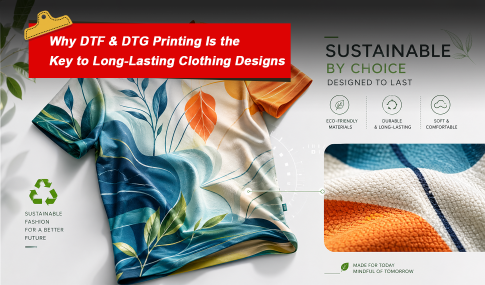
Quick Answer: DTF printing isn't zero-impact, but it compares favorably to several traditional printing methods. It uses water-based pigment inks with lower VOC emissions than solvent-based processes, produces less setup waste than screen printing since there are no screens or plates to discard, and supports on-demand production instead of overrun batches. That said, standard DTF still relies on PET film and adhesive powder — materials that aren't biodegradable — so the honest answer is: relatively more sustainable than some alternatives, not an entirely green process on its own.
How DTF Compares to Other Methods on Waste
The biggest structural advantage DTF has is that it doesn't require dedicated setup materials per design. Screen printing needs a new screen for every color and every design, many of which get discarded or reclaimed at some environmental cost. DTF skips that step entirely — the same printer runs any design back to back with no physical tooling to produce or throw away. Combined with the fact that DTF supports true one-off orders, it naturally reduces the overproduction and unsold inventory that comes with methods requiring minimum order quantities to be economical.
What About the Ink?
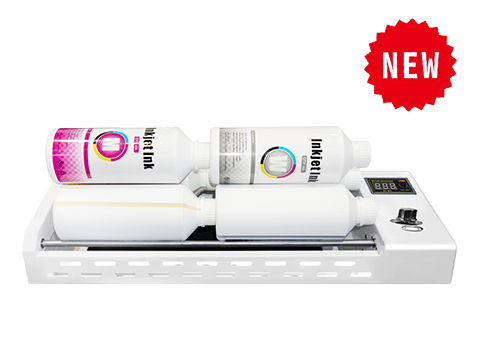
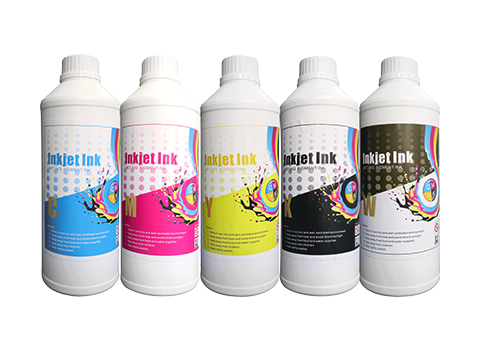
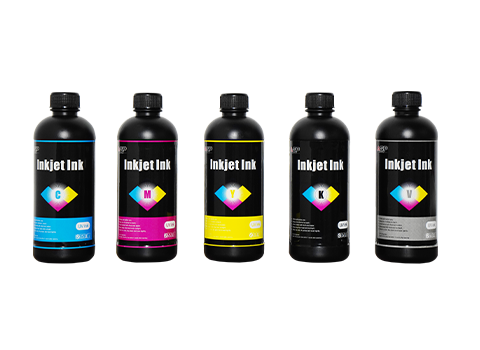
Most DTF printers, including AGP's, use water-based pigment ink rather than solvent-based ink. Water-based pigment ink generally contains fewer volatile organic compounds (VOCs) than traditional solvent inks, which means lower emissions during printing and an easier cleanup and disposal process. This is a genuine environmental advantage over some older textile printing technologies, though it doesn't mean the ink has zero environmental footprint — packaging, transport, and end-of-life disposal of ink cartridges and containers still carry some impact.
What About the Film and Powder?
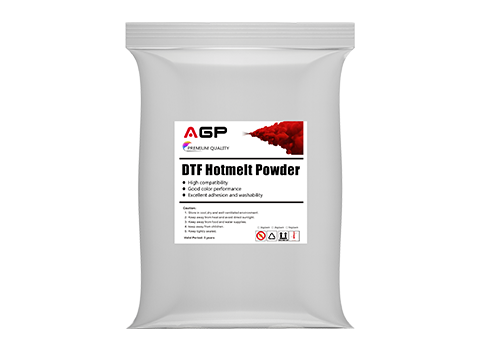
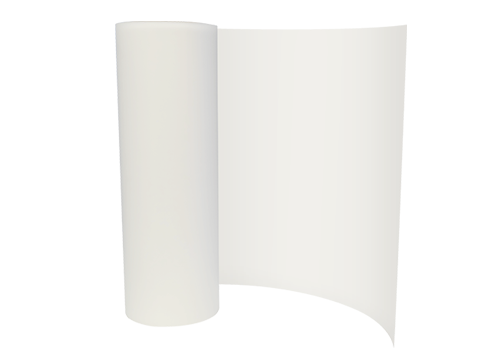
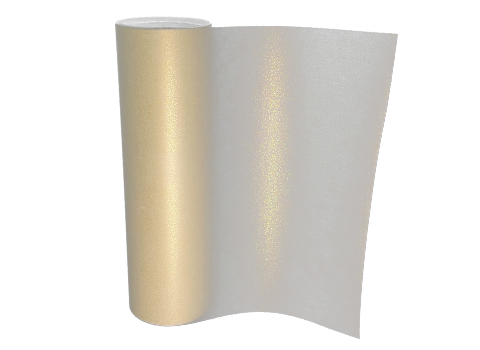
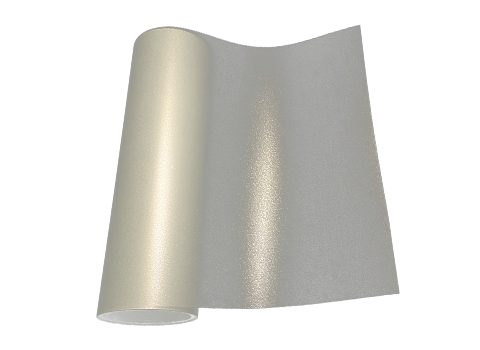
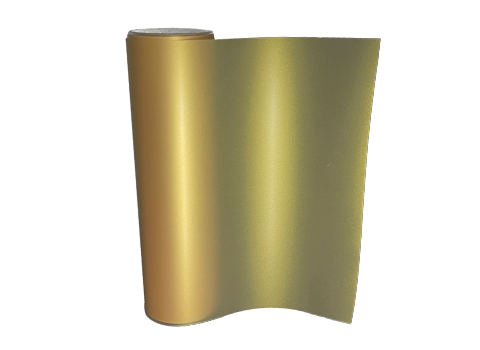
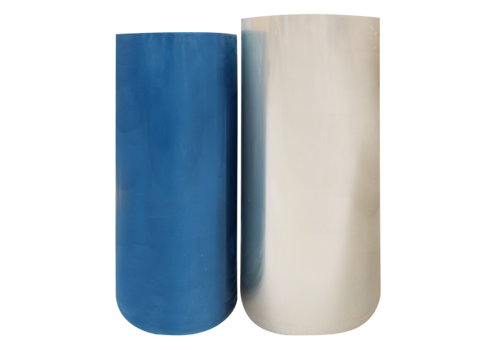
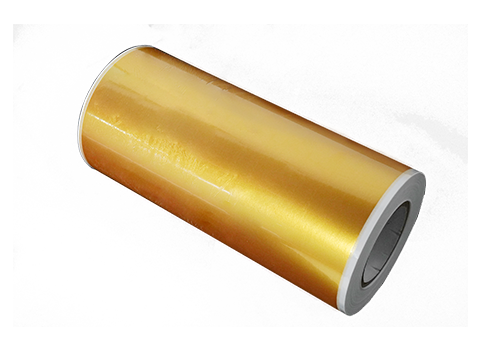
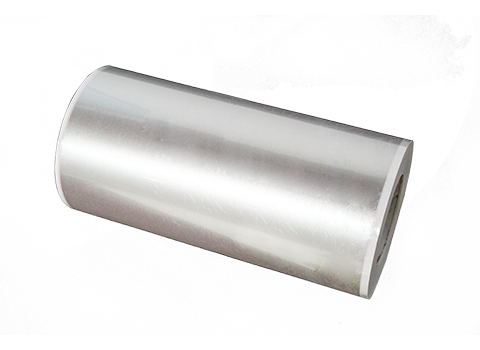
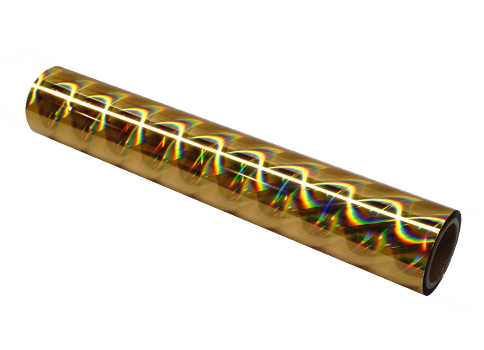
This is the part of the process where DTF is honestly no greener than most plastic-based consumables: standard PET transfer film is a plastic product, and hot-melt adhesive powder is a petroleum-derived material. Neither is biodegradable in a standard landfill setting, and both are consumed on every single print. Some suppliers in the industry are beginning to offer recyclable-stream or lower-impact film alternatives, but this isn't yet a universal standard across the DTF supply chain — it's worth asking your film supplier directly what their material actually is if this matters for your brand positioning.
Practical Ways to Lower Your Shop's Environmental Footprint
Regardless of where the underlying materials land on a sustainability scale, there's real room to cut waste in how a shop actually operates day to day:
- Nest designs tightly on gang sheets. Loose, poorly planned layouts waste film on every single print run. Our DTF Gang Sheet Layout Guide covers nesting techniques that meaningfully cut film waste.
- Don't over-apply white ink underbase. Excess white ink density wastes ink without improving results and can actually cause color problems — see our guide on fixing dull colors and white ink bleeding for the right density settings.
- Print closer to when you'll actually use it. Overprinting inventory that sits in storage for months — some of which may degrade before it's ever pressed — wastes material twice over. Our Transfer Storage & Shelf Life guide covers how to plan print runs more efficiently.
- Maintain your equipment properly. Well-maintained printheads and RIP settings reduce failed prints and reprints, which is one of the simplest ways to cut wasted ink and film without changing your process at all.
Frequently Asked Questions
Is DTF printing better for the environment than screen printing?
In several respects, yes — DTF avoids the screens, plates, and per-color setup waste that screen printing requires, and it supports true one-off orders without the overproduction that comes from needing to hit a minimum order quantity to be economical.
Is DTF film biodegradable?
Standard PET transfer film is a plastic material and is not biodegradable in typical landfill conditions. Some suppliers are beginning to explore lower-impact alternatives, but this isn't yet standard across the industry — check directly with your film supplier if this matters for your business.
Does DTF ink contain harmful chemicals?
Most modern DTF printers use water-based pigment ink, which generally has lower VOC content than traditional solvent-based inks. This makes it a comparatively safer option for indoor air quality and easier to handle and dispose of responsibly.
What's the easiest way for a small shop to reduce waste?
Tightly nested gang sheets and correctly calibrated white ink density are usually the two highest-impact, lowest-effort changes — both directly cut material waste without requiring new equipment or a change in workflow.
Want to make your production more efficient as well as more sustainable?
Explore AGP's DTF consumables and print workflow guides.
Pigment Ink | Gang Sheet Layout Guide | Talk to Our Team