

Choosing a Heat Press Machine: A Complete Guide for Professional Printing
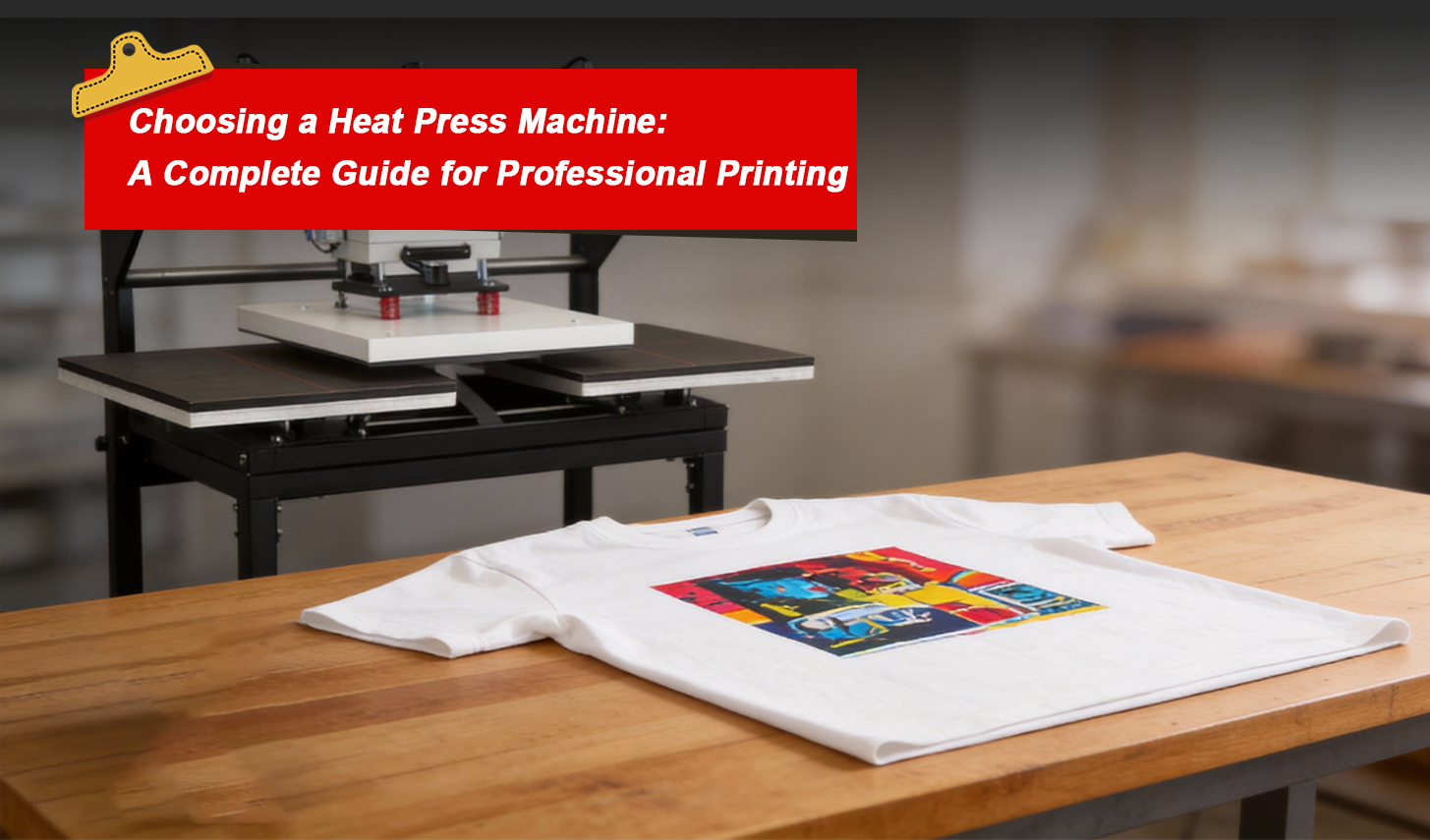
In today’s custom printing industry, success is no longer driven by printers alone. While DTF printers, sublimation printers, and heat transfer vinyl cutters often get most of the attention, the heat press machine is the silent workhorse behind every durable, professional-quality transfer.
A poorly chosen heat press can lead to uneven pressure, inconsistent temperature, peeling transfers, and wasted materials. On the other hand, the right heat press machine improves efficiency, stabilizes output quality, and directly increases profit margins.
This guide walks you through how to choose a suitable heat press machine, focusing on performance, compatibility, and long-term business value—especially for DTF printing, sublimation printing, and HTV applications.
What Is a Heat Press Machine?
A heat press machine is a professional device that uses controlled heat, pressure, and time to transfer designs onto substrates permanently. Common materials include t-shirts, hoodies, fabric bags, mugs, caps, ceramics, metal plates, and other promotional products.
The machine typically consists of a heated upper platen and a lower platen that holds the substrate in place. By applying precise temperature and pressure for a set duration, the transfer material—such as DTF film, sublimation paper, or heat transfer vinyl—bonds securely to the surface.
Without a stable heat press machine, even the best-printed design cannot achieve consistent or long-lasting results.
Why Heat Press Machines Are Essential for Modern Printing Businesses
As demand for customization grows, printing businesses must handle diverse orders efficiently. A reliable heat press machine allows operators to work with multiple printing technologies, including DTF printing, sublimation heat transfer, and HTV pressing.
For small studios, a compact heat press improves workflow efficiency. For factories and large-scale operations, industrial heat press machines support batch production while maintaining color accuracy and adhesion strength.
In short, the heat press machine is not an accessory—it is a core production asset.
Main Types of Heat Press Machines Explained
Flatbed Heat Press Machine
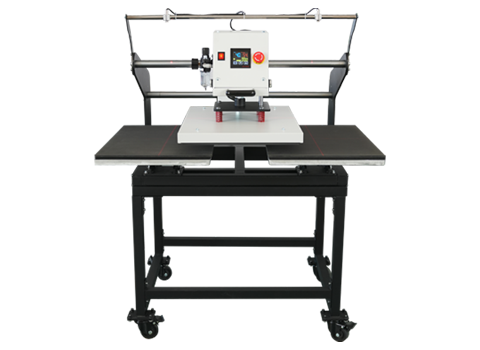
A flatbed heat press machine features a flat heated platen that presses downward onto a stationary lower platen. This type is widely used for garments, fabric panels, tiles, and flat promotional items.
Flatbed heat presses are popular in DTF printing and HTV applications because they offer even pressure distribution and precise temperature control. Models range from manual and semi-automatic to fully automatic heat press machines, allowing businesses to scale production easily.
Rotary Heat Press Machine
A rotary heat press machine, also known as a drum heat press, is designed for continuous textile processing. Fabric passes through a heated rotating drum, receiving uniform heat and pressure across the entire surface.
This type of heat press is ideal for sublimation printing on roll-to-roll fabrics, flags, banners, and large-format textiles. High-speed output and stable performance make rotary heat press machines the preferred choice for industrial textile printing.
8 Key Factors to Consider When Choosing a Heat Press Machine
1. Heat Press Size
Choosing the correct heat press size depends on your product range. A 15×15 inch heat press machine works well for standard t-shirts, while a 16×20 inch or larger press is better for oversized garments and bulk orders. Smaller presses suit labels, baby clothing, and small promotional items.
2. Substrate Compatibility
Different materials require different heat press conditions. Ensure the machine supports the substrates you plan to use, whether fabrics, mugs, caps, or rigid materials. Interchangeable platens are a major advantage for multi-product businesses.
3. Temperature and Pressure Control
Accurate temperature and pressure are critical for successful transfers. A professional heat press machine should offer digital temperature control, adjustable pressure settings, and consistent heat distribution. These features are especially important for DTF heat transfer and sublimation printing.
4. Workspace and Portability
Limited workspace requires compact designs such as clamshell heat press machines. If mobility matters, lightweight models are easier to transport. Larger swing-away or flatbed presses need more space but offer better ergonomics and safety.
5. Durability and Build Quality
A heat press machine is a long-term investment. Heavy-duty frames, industrial-grade heating elements, and reliable electronics ensure stable performance over time, especially in high-volume production environments.
6. Ease of Operation
User-friendly controls, auto-open functions, and clear digital displays reduce operator error. For beginners, intuitive operation shortens the learning curve and improves production efficiency.
7. Price and Warranty
While budget matters, focusing only on price can be costly in the long run. A slightly higher investment in a professional heat press machine often results in lower maintenance costs and longer service life. Always check warranty coverage and technical support availability.
8. Brand Reputation and Reviews
Established brands with positive market feedback offer better reliability. Customer reviews often reveal real-world performance insights, including pressure stability, heating consistency, and after-sales support quality.
Heat Press Machine for DTF, Sublimation, and HTV Applications
Each printing method places different demands on a heat press machine. DTF heat press machines require even pressure and stable temperatures to ensure proper adhesive activation. Sublimation heat press machines must maintain consistent heat across large areas to avoid color inconsistencies. HTV heat press machines benefit from precise timing and pressure control to prevent vinyl damage.
Choosing a versatile heat press machine allows businesses to handle multiple applications without compromising quality.
Common Mistakes When Buying a Heat Press Machine
Many buyers underestimate production volume, leading to undersized equipment. Others overlook pressure uniformity or assume all heat presses perform the same. Ignoring after-sales support and warranty terms can also create long-term operational risks.
Avoiding these mistakes starts with understanding your business needs and selecting equipment accordingly.
How AGP Supports Professional Heat Press Solutions
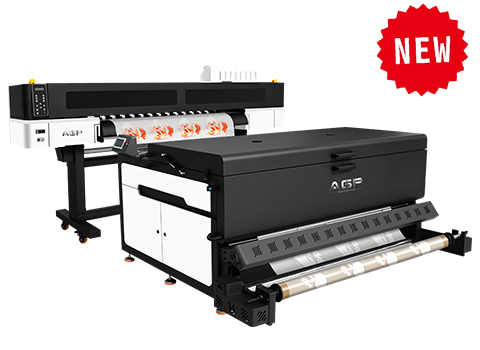
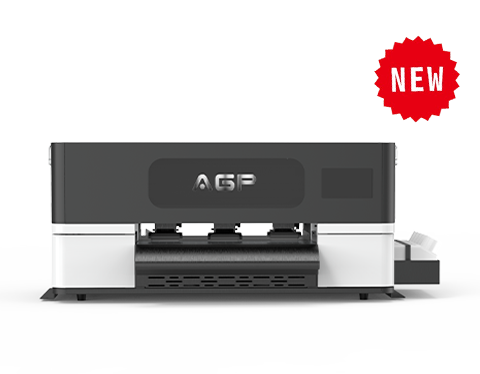
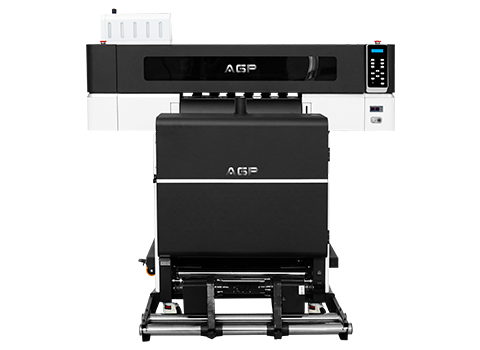
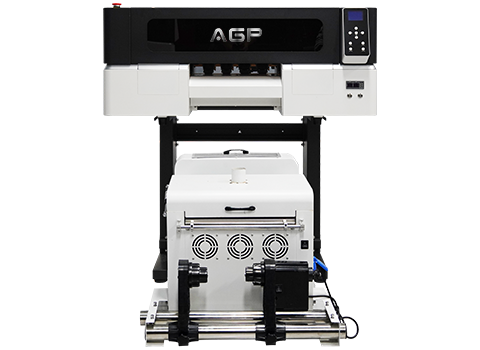
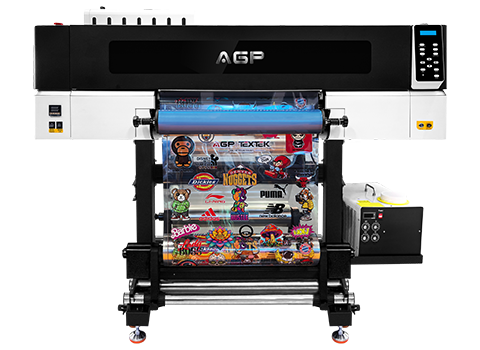
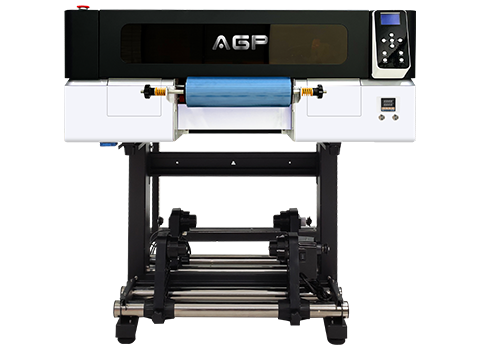
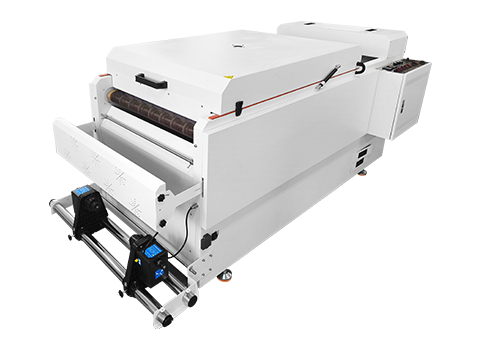
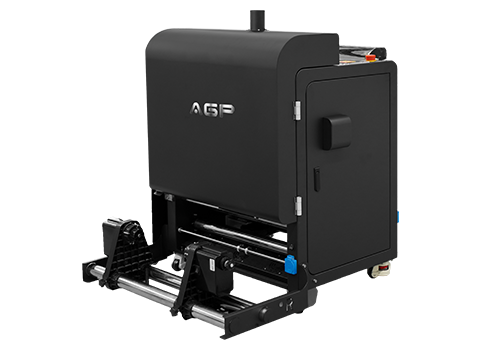
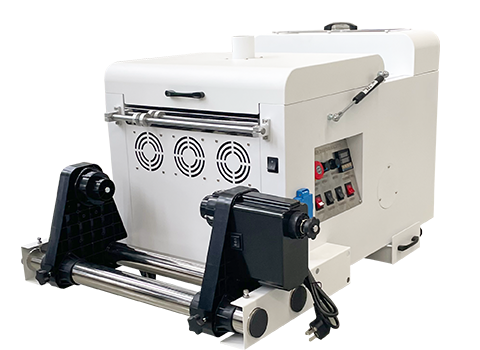
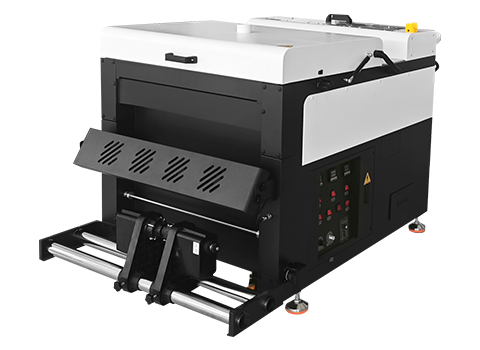
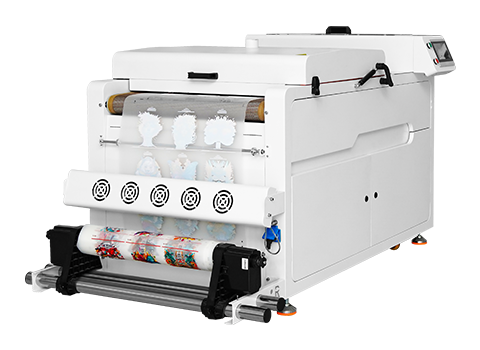
At AGP, we understand that a heat press machine is a critical part of the printing workflow. With years of experience in the digital printing industry, AGP provides integrated solutions that support DTF printers, sublimation systems, and UV printing technologies.
Our approach focuses on performance stability, production efficiency, and long-term reliability—helping printing businesses grow with confidence.
Conclusion: Making the Right Heat Press Machine Choice
Choosing the right heat press machine is not about chasing the lowest price or the most features—it is about alignment. The right machine matches your materials, production volume, workspace, and long-term goals.
By understanding heat press types, evaluating key performance factors, and investing in reliable equipment, printing businesses can ensure consistent quality, reduce waste, and unlock new customization opportunities. With the right heat press machine in place, your printing operation is ready to scale.