
How Much Should You Charge for DTF Transfers? A 2026 Pricing Guide
Quick Answer: Most profitable DTF shops in 2026 price gang sheets between $0.04–$0.08 per square inch (roughly $15–$35 for a standard 22" × 24" mixed-design sheet), and single ready-to-press transfers between $2–$6 depending on size. Your actual production cost — ink, film, powder, labor, and equipment wear — typically lands around $0.02–$0.03 per square inch, so everything above that is your margin. The businesses that struggle aren't the ones charging "too much" — they're the ones who never calculated their real cost in the first place.
What a DTF Transfer Actually Costs to Produce
Most new shops price based on what competitors charge, not what a transfer actually costs them — which is how margins quietly disappear. Here's the full cost stack most shops underestimate:
| Cost Component | Typical Range |
|---|---|
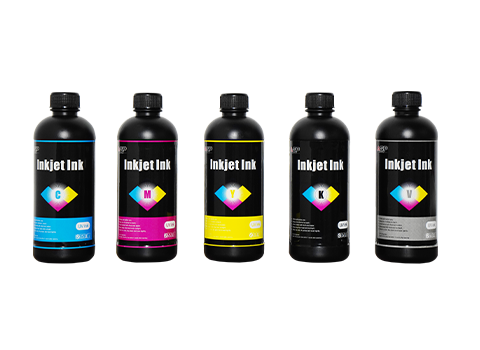
| CMYK + white ink | $0.005–$0.015 per sq. in. (based on $80–$120/liter ink) |
| DTF PET film | $0.003–$0.008 per sq. in. |
| Adhesive powder | $0.001–$0.003 per sq. in. |
| Labor (printing, powdering, curing, cutting) | Often the most underestimated cost — budget real per-minute labor, not $0 |
| Equipment depreciation & electricity | Small per-unit, but real — spread your machine cost across its working life |
Add it up and a realistic loaded cost — everything included — usually lands around $0.02–$0.03 per square inch. That number, not a competitor's sticker price, is your actual pricing floor.
The Simple Formula
True cost per transfer = (ink + film + powder + labor + equipment share) ÷ printed area
Once you know your true cost per square inch, your price is just that number plus the margin you choose to build in. Everything below walks through applying this in practice.
2026 Market Pricing Benchmarks
| Format | Typical 2026 Market Price |
|---|---|
| Per square inch (gang sheet) | $0.04–$0.08 |
| Standard 22"×24" mixed gang sheet | $15–$35 |
| Single small transfer (left chest, ~9 sq. in.) | $2–$3 |
| Single large transfer (full front, ~100+ sq. in.) | $5–$10 |
| High-volume / budget sellers | $0.017–$0.025 per sq. in. (thin margin, volume-dependent) |
These are market reference points, not a price you should copy blindly — your actual price should always be built from your own cost stack above, adjusted for your local market and the service level you offer.
Three Pricing Models — Pick What Fits Your Shop
| Model | How It Works | Best For |
|---|---|---|
| Per-square-inch | Flat rate × printed area, scales with design size | Custom, mixed-size orders — most transparent for customers |
| Per-transfer flat rate | Fixed price per size tier (small/medium/large) | Simple storefronts and online ordering — easiest for customers to understand instantly |
| Gang sheet / bulk pricing | One price for a full sheet regardless of how many designs are packed on it | Repeat customers and resellers who nest their own designs — rewards efficient layout |
If you're pricing gang sheets, coverage efficiency directly affects your margin — a tightly packed sheet costs you the same to produce as a sparse one, but delivers far more value per dollar. See our DTF Gang Sheet Layout Guide for the layout techniques that make bulk pricing actually profitable.
Worked Example
Say your loaded cost is $0.025 per sq. in. and you're quoting a 22" × 24" gang sheet (528 sq. in.):
- Production cost: 528 × $0.025 = $13.20
- Price at $0.06/sq. in. (mid-market): 528 × $0.06 = $31.68
- Gross margin: $18.48 per sheet, or roughly 58%
Run this same math against your own cost numbers before setting prices — the formula matters more than any specific number in this guide, since your ink brand, film cost, and local labor rates all shift the result.
Pricing Mistakes That Quietly Kill Margin
- Not counting labor as a real cost. "I'm just running the machine" still costs time — price it like the resource it is, especially once you hire help.
- Ignoring equipment depreciation. Your printer, oven, and heat press wear out and need replacing eventually; spreading that cost into your pricing avoids a painful surprise later.
- Matching the lowest competitor's price. The cheapest seller in your market is often pricing below their true cost and won't last — racing to match them usually means racing them out of business.
- Underpricing small orders. Small transfers carry proportionally more labor and setup time per square inch — don't apply your bulk gang sheet rate to a single 3" logo.
Frequently Asked Questions
How much does it cost to print one DTF transfer?
A realistic loaded production cost — including ink, film, powder, labor, and equipment wear — typically runs $0.02–$0.03 per square inch, meaning a small 9-square-inch transfer costs roughly $0.20–$0.30 to actually produce, before markup.
Should I price DTF transfers by size or by the sheet?
Both are common — per-square-inch or per-transfer flat rates work well for custom, mixed-size orders, while flat gang sheet pricing works better for repeat customers who nest their own designs efficiently and want one predictable price regardless of design count.
Why are some DTF sellers so much cheaper than others?
Large-volume sellers can operate on thinner per-unit margins because their fixed costs are spread across far more transfers, while some sellers simply underprice below their true cost — which isn't sustainable and often shows up later as declining quality or business closures.
What margin should I aim for on DTF transfers?
There's no universal number, but many profitable shops in 2026 target roughly 50–65% gross margin after accounting for ink, film, powder, labor, and equipment costs — adjust based on your local market, service level, and turnaround speed.
Still deciding on equipment before you start pricing jobs?
See how machine choice affects your cost base in our DTF Printer Buying Guide.