
How to Choose the Right DTF Powder Shaker Machine for Your Printing Business
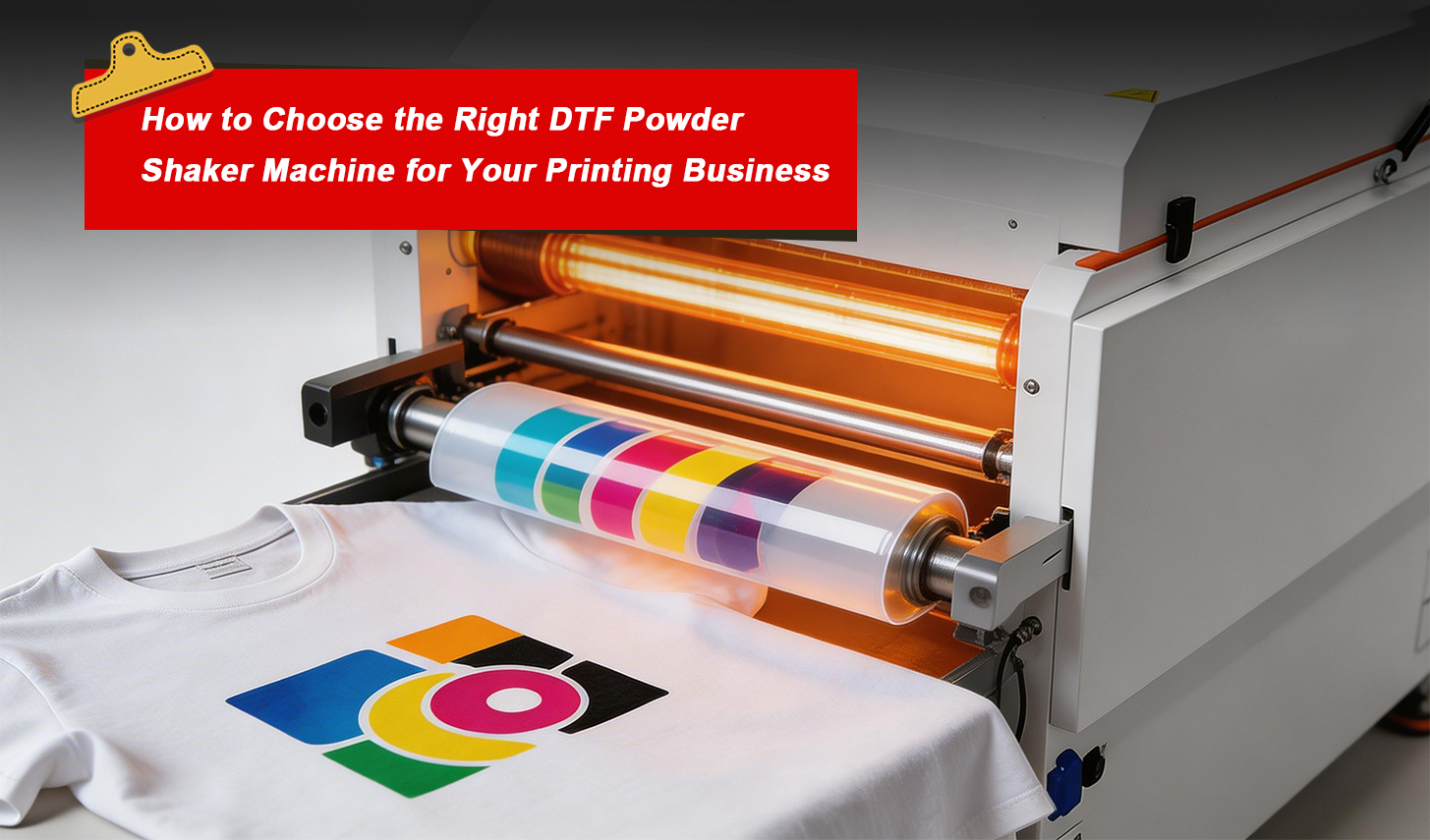
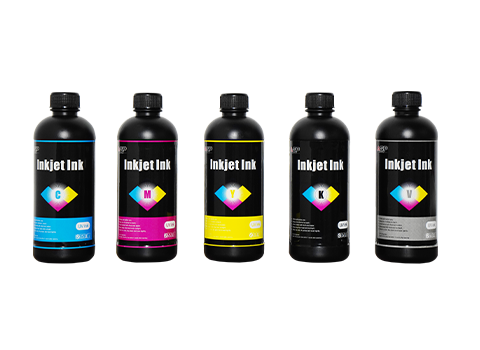
In the rapidly growing DTF printing industry, many beginners focus heavily on selecting the right DTF printer, high-quality DTF ink, and premium PET transfer film. However, one essential component is often underestimated—the DTF powder shaker machine.
While the printer handles image output, the powder shaker machine is responsible for applying hot melt adhesive powder, removing excess powder, and curing the adhesive evenly. Without a reliable DTF powder shaker system, even the best printer cannot produce durable, professional transfers.
A properly configured DTF powder shaker machine ensures:
- Even adhesive powder distribution
- Consistent curing results
- Strong wash durability
- Higher production efficiency
For businesses producing custom apparel, DTF transfers, or garment decorations, choosing the right powder shaker is essential to maintaining stable production and product quality.
This guide will help you understand how to evaluate and select the most suitable DTF powder shaker machine for your printing workflow.
Choosing a Machine Based on Production Scale
The first factor to consider is the scale of your DTF printing operation. Your powder shaker machine must match the output capacity of your DTF printer.
Desktop Production for Small Businesses
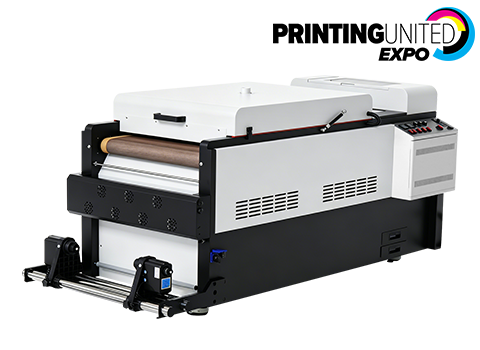
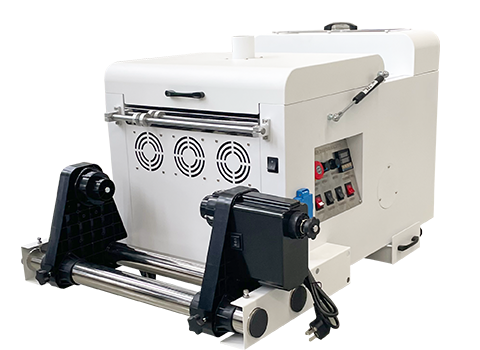
For entry-level printing businesses using A3 DTF printers, a desktop powder shaker oven or semi-automatic powder shaker is usually sufficient.
These compact machines are designed for:
- Small batch production
- Custom garment printing
- Limited workshop space
Most desktop powder shaker machines operate with 110V power, making them convenient for home studios or small print shops.
They provide an affordable entry point into DTF transfer production while maintaining acceptable curing quality.
Industrial Production for Large Print Shops
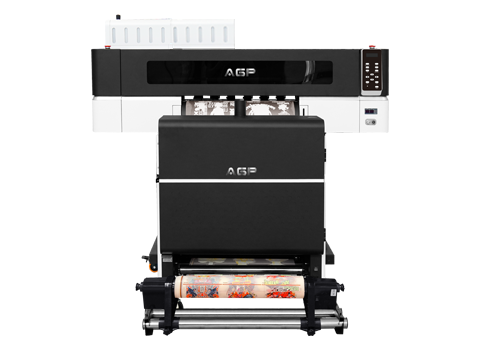
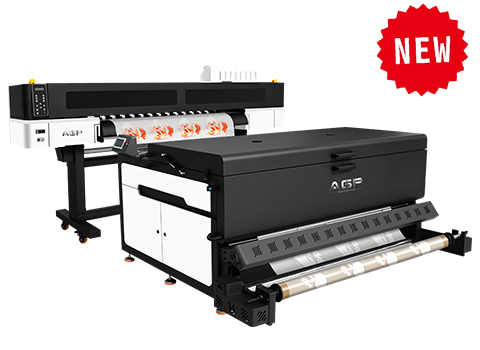
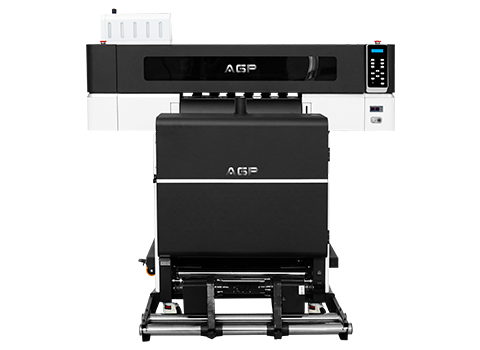
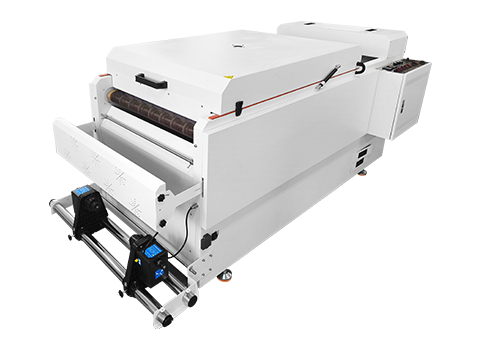
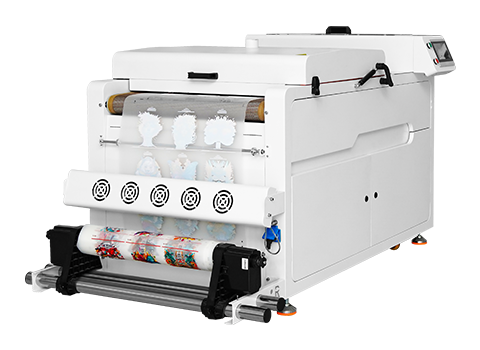
For businesses using 24-inch or larger DTF printers, a fully integrated automatic powder shaker machine is highly recommended.
Industrial machines typically include:
- Automatic powder application
- Continuous film shaking
- Conveyor curing system
- Automatic film winding
These roll-to-roll powder shaker systems allow uninterrupted production and significantly increase output capacity. For companies producing large volumes of DTF transfers, industrial systems are essential.
Essential Features of a Professional DTF Powder Shaker Machine
When comparing different machines, it is important to evaluate several key technical features that directly impact DTF printing efficiency.
Automatic Powder Recycling System
Traditional manual powder application often leads to excessive waste and messy working environments.
Modern DTF powder shaker machines are equipped with automatic powder recycling systems. During operation, excess adhesive powder is automatically collected and returned to the powder container.
This feature offers several advantages:
- Reduces adhesive powder waste
- Saves up to 30% material cost
- Keeps the workspace clean
- Improves overall production efficiency
For businesses running continuous production, powder recycling technology quickly pays for itself.
Adjustable Film Shaking Mechanism
The shaking mechanism ensures that adhesive powder spreads evenly across the printed film.
Advanced DTF shaker machines allow operators to adjust:
- Shaking intensity
- Film vibration frequency
- Powder distribution speed
These adjustments are particularly important when working with different DTF transfer sizes or fabric types.
Automatic Film Conveying System
Another key feature is the film conveyor system, which moves the printed PET film through the curing tunnel.
A stable conveyor ensures:
- Uniform heating
- Consistent curing results
- Smooth production workflow
Without proper film movement, adhesive powder may cure unevenly, leading to poor transfer quality.
Heating and Curing Technologies Explained
The curing stage is one of the most critical steps in the DTF transfer process. The heating system used in a powder shaker machine directly affects adhesive performance and print durability.
Infrared Heating Technology
Infrared (IR) heating is widely used in DTF powder shaker machines due to its fast heating speed and deep heat penetration.
Advantages include:
- Faster curing time
- High energy efficiency
- Consistent adhesive melting
However, temperature control is essential. Excessive heat may cause PET film deformation or “scorching”.
Dual Heating Systems (Top + Bottom Heating)
Many new-generation DTF shaker machines feature dual heating technology, combining top infrared heaters with bottom heating plates.
This design ensures:
- More even heat distribution
- Better adhesive melting
- Reduced risk of film warping
Dual heating systems are increasingly popular in 2026 DTF production lines because they improve transfer quality while maintaining stable curing temperatures.
Integrated Air Filtration and Smoke Purification
During the DTF powder curing process, fumes and fine particles may be released. Without proper ventilation, these emissions can accumulate inside the workspace.
To address this issue, many modern DTF powder shaker machines now include integrated air purification systems.
These systems help to:
- Filter smoke and fumes
- Improve workshop air quality
- Reduce environmental impact
For home-based printing studios or indoor workshops without industrial ventilation, built-in purification systems are extremely valuable.
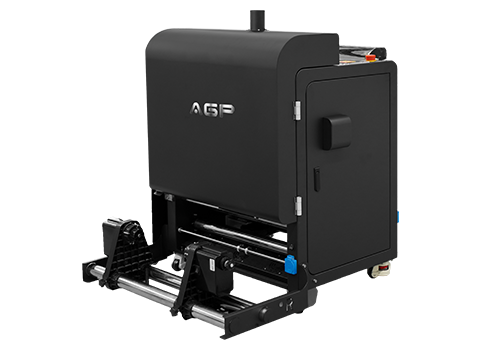
Many AGP DTF printing solutions incorporate advanced air filtration technology to support safer production environments.
Comparing Powder Shaker Machine Configurations
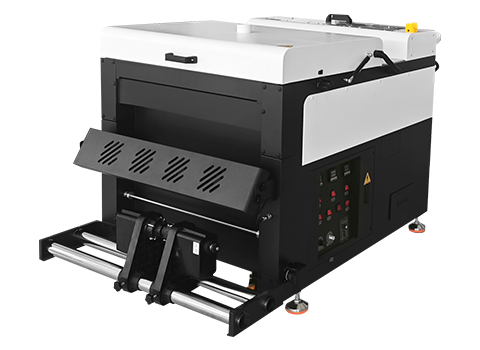
DTF powder shaker machines are generally available in two main structural configurations: horizontal and vertical systems.
Horizontal Powder Shaker Machines
Horizontal machines are designed with extended curing tunnels and conveyor systems.
Advantages:
- Ideal for high-speed roll printing
- Excellent heat consistency
- Stable long-distance curing
These machines are commonly used in large-scale DTF production facilities.
Vertical Powder Shaker Machines
Vertical powder shaker machines have a more compact design, stacking heating and shaking modules vertically.
Advantages:
- Space-saving design
- Suitable for medium production volume
- Easier installation in smaller workshops
However, maintenance and cleaning may require more effort compared to horizontal systems.
Electrical Requirements and Installation Planning
One common mistake among new buyers is overlooking electrical requirements when purchasing a powder shaker machine.
Different machine sizes require different power configurations.
Small Machines
Typical requirement:
110V / 15A
This setup is common for A3 desktop powder shaker machines and allows plug-and-play installation.
Industrial Machines
Larger roll-to-roll DTF powder shaker machines require:
220V / 30A or higher
In many cases, professional electrical installation may be necessary to ensure stable operation.
Before purchasing, always confirm your workshop’s power capacity.
Why Reliable Technical Support Is Essential
Another critical factor when choosing a DTF powder shaker machine is the availability of technical support.
Like all industrial equipment, powder shaker machines contain multiple components such as:
- Heating elements
- Temperature sensors
- Conveyor motors
- Control boards
If a component fails during a large production order, having access to technical assistance and spare parts becomes extremely important.
Working with an established manufacturer like AGP ensures access to:
- Technical training
- Video troubleshooting support
- Spare parts supply
- Professional guidance
Investing in reliable equipment with strong support can prevent costly downtime and production delays.
Conclusion
Selecting the right DTF powder shaker machine is not simply about applying adhesive powder—it is about building an efficient and scalable DTF printing workflow.
By carefully considering factors such as:
- Production scale
- Powder recycling technology
- Heating systems
- Machine configuration
- Power requirements
- Technical support
you can choose a powder shaker system that supports long-term business growth.
As the DTF printing industry continues to expand, investing in reliable and efficient equipment will help printing businesses improve productivity, reduce material waste, and deliver consistent high-quality transfers.
For companies looking to build a complete DTF printing solution, AGP provides professional DTF printers, powder shaker machines, and integrated production systems designed to support modern garment customization businesses.