
Best Blank Apparel for DTF Printing: How to Build a Brand Customers Actually Wear
A lot of people entering the custom apparel business focus almost entirely on the printer.
They spend weeks comparing DTF printers, RIP software, printheads, heat presses, PET film, and DTF powder. They fine-tune color settings, test transfer temperatures, and optimize production workflows.
But then something strange happens.
The print itself looks amazing… yet the final shirt still feels disappointing.
The colors may be vibrant. The transfer may be perfectly pressed. The artwork may look sharp.
But the garment?
It feels rough. Fits awkwardly. Shrinks after washing. Loses shape quickly. Or simply ends up forgotten in someone’s closet.
And honestly, that’s one of the biggest mistakes many custom apparel businesses make.
Because in modern DTF printing, the blank garment matters just as much as the printer itself.
If customers do not enjoy wearing the shirt, they usually will not buy from you again.
That’s why successful apparel brands in 2026 are paying far more attention to premium blank apparel instead of only chasing cheaper production costs.
Why Cheap Blank Shirts Damage Your Brand
Let’s be real for a second.
Most customers do not understand the difference between:
- DTF transfer quality
- garment quality
- fabric composition
- or printing technology
If the shirt feels bad, they blame your brand.
Not the blank supplier.
Not the fabric manufacturer.
You.
That’s why cheap blank T-shirts can quietly destroy customer trust even when your DTF printing quality is excellent.
Low-quality garments often create problems like:
- poor wash durability
- uncomfortable fabric texture
- weak stitching
- shrinking after washing
- stiff print appearance
- inconsistent sizing
- poor color retention
And once customers have a bad experience, many never complain.
They simply disappear.
That silent customer loss is one of the biggest reasons small print shops struggle to grow.
How Better Blank Apparel Improves DTF Print Quality
Here’s something many beginners overlook:
Even the best DTF printer cannot fully compensate for poor fabric quality.
Different garments react differently during heat transfer printing.
Higher-quality cotton T-shirts and cotton-poly blends usually provide:
- smoother print surfaces
- better ink bonding
- improved soft-hand feel
- cleaner color reproduction
- better stretch recovery
- stronger wash performance
That directly affects how professional your final product looks.
For example, premium ringspun cotton tends to produce softer DTF transfers compared to rougher low-cost fabric.
Better garments also reduce common production issues like:
- uneven pressure marks
- fabric scorching
- excessive dye migration
- transfer cracking
- distorted graphics
So when people say their DTF prints suddenly look “premium,” many times the secret is not only the printer settings.
It’s the shirt itself.
The Real Cost of Low-Quality Garments
At first glance, cheaper blank apparel seems attractive.
Saving $1 or $2 per shirt feels smart when calculating production costs.
But over time, that decision often becomes expensive.
Why?
Because apparel is not just a printed product anymore.
It’s wearable branding.
Every time someone wears your custom T-shirt outside, they become free advertising for your business.
If the shirt fits well and feels comfortable, customers wear it repeatedly.
That increases:
- brand exposure
- customer loyalty
- word-of-mouth referrals
- repeat orders
- social media visibility
On the other hand, cheap shirts usually end up:
- sitting in drawers
- becoming sleepwear
- getting donated
- or thrown away quickly
That means your custom merch stops generating value almost immediately.
Premium apparel may cost slightly more upfront, but the long-term return is often much higher.
Why Customers Stop Buying Without Complaining
This is where many apparel businesses get blindsided.
Not every unhappy customer leaves a bad review.
Most simply stop ordering.
And because they never explain why, print shops often assume:
- pricing was the issue
- marketing failed
- competition was cheaper
- or demand slowed down
Meanwhile, the real problem was simply the garment experience.
Modern consumers care about:
- softness
- fit
- breathability
- stretch
- lightweight feel
- retail-quality appearance
Especially in 2026, customers expect custom apparel to feel similar to premium fashion brands.
If your shirts feel stiff or cheap, people notice immediately.
That’s why many successful apparel decoration businesses now focus heavily on:
- soft-hand feel
- retail-style fits
- tear-away labels
- premium fabric blends
- lightweight cotton
- high-quality stitching
These details massively influence customer retention.
How Premium Apparel Helps Grow Your Custom Printing Business
Here’s where things get interesting.
Better blank apparel actually makes selling easier.
Why?
Because customers naturally promote products they genuinely enjoy wearing.
A soft, well-fitted branded shirt does not feel like advertising.
It feels like fashion.
That creates powerful organic marketing.
Many growing DTF printing businesses now position themselves as premium apparel brands instead of simply “shirt printers.”
That shift changes everything.
Instead of competing only on low pricing, they compete on:
- quality
- comfort
- brand identity
- durability
- and overall customer experience
And honestly, that’s usually where the higher profit margins are.
Cheap custom merch is everywhere now.
But premium custom apparel?
That still stands out.
Choosing the Right Blank Apparel for DTF Printing
Not every blank garment performs equally well for DTF transfers.
Some fabrics handle heat transfer printing much better than others.
For most DTF printing applications, strong options include:
- ringspun cotton
- cotton-poly blends
- heavyweight cotton
- tri-blend fabrics
- premium streetwear blanks
When choosing blank apparel, look for:
- smooth fabric surfaces
- stable stitching
- consistent sizing
- low shrinkage
- soft texture
- strong wash durability
Fabric weight also matters.
Heavier garments often feel more premium, while lightweight shirts usually provide better breathability.
The right choice depends on your target audience.
Streetwear brands, sportswear companies, promotional apparel businesses, and fashion startups all need different garment styles.
That’s why testing matters.
Experienced print shops usually sample multiple blanks before scaling production.
Why AGP Printing Solutions Work Better With Quality Garments
Professional equipment still plays a huge role in apparel decoration.
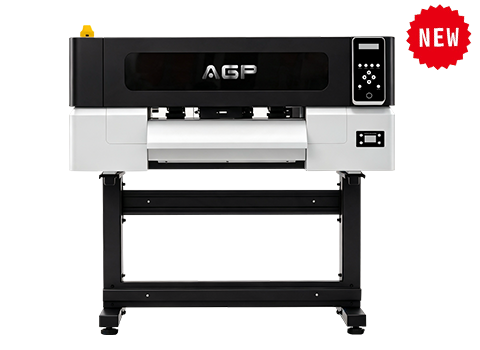
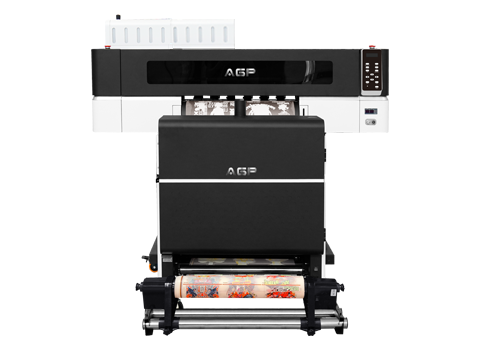
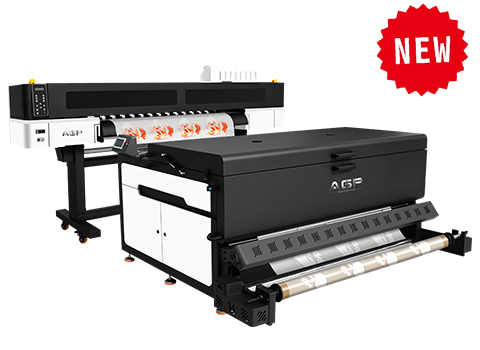
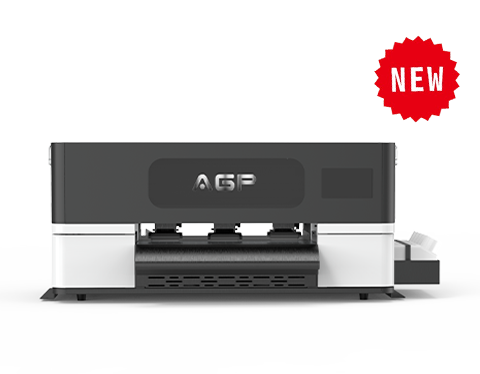
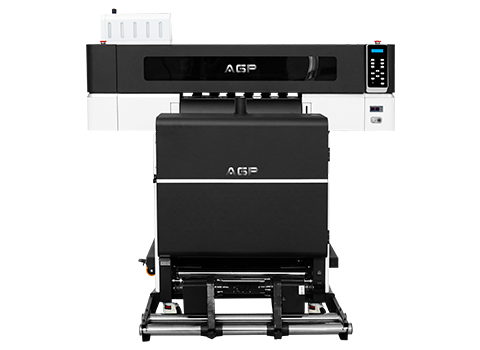
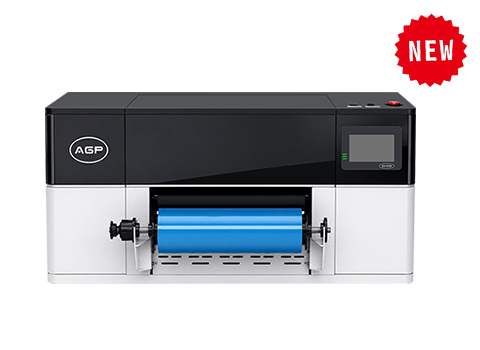
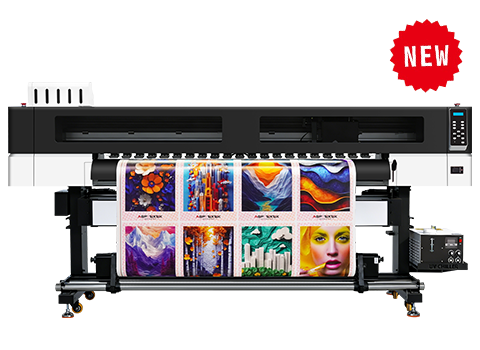
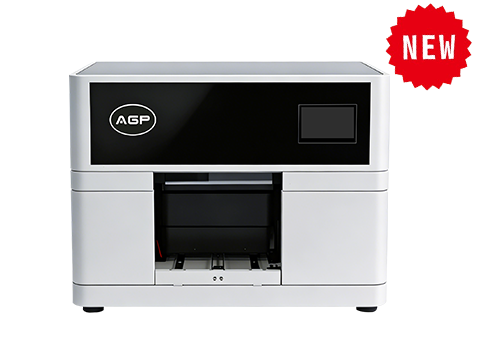
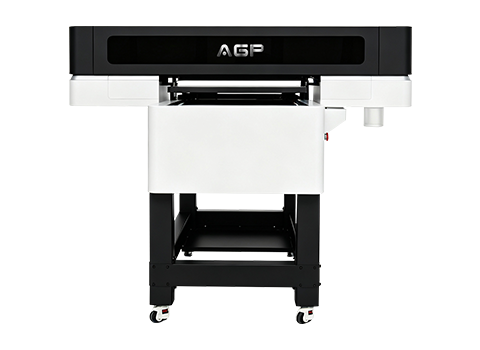
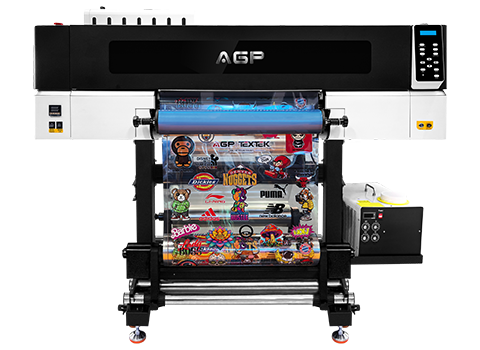
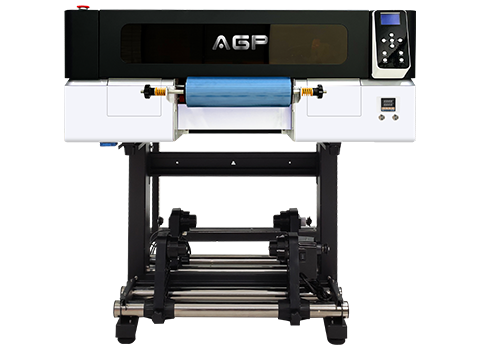
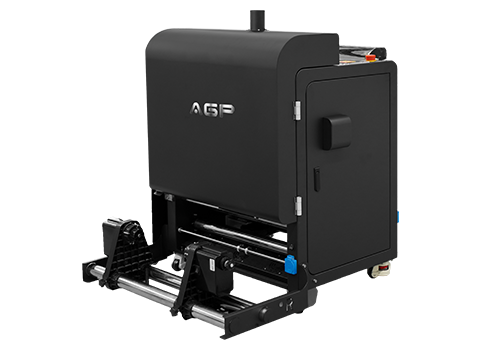
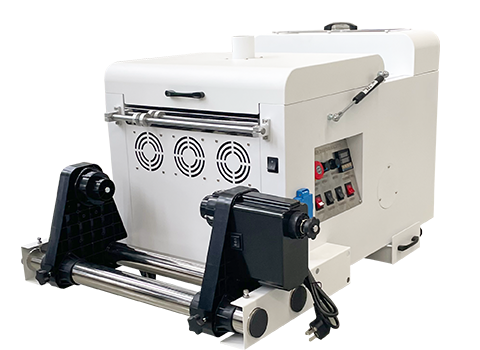
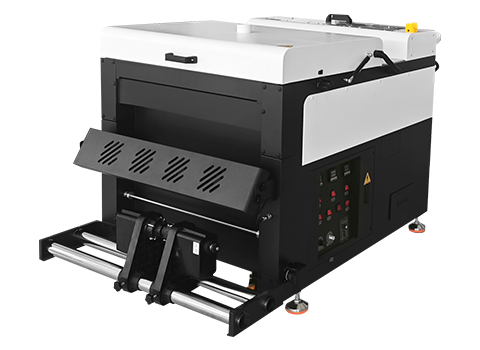
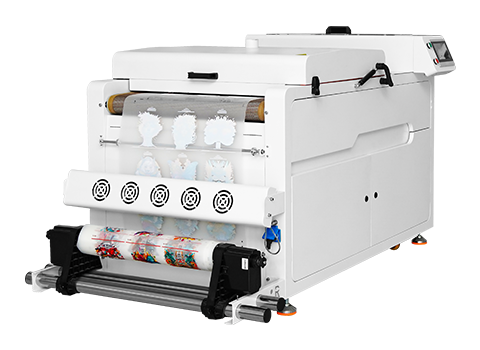
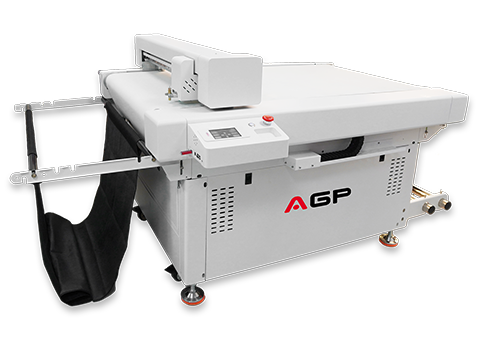
Modern AGP DTF printers are designed for:
- high-resolution garment printing
- vibrant CMYK color output
- stable white ink circulation
- smooth transfer workflows
- scalable production environments
But even advanced DTF printing systems perform best when paired with quality garments.
Combining:
- premium blank apparel
- professional PET film
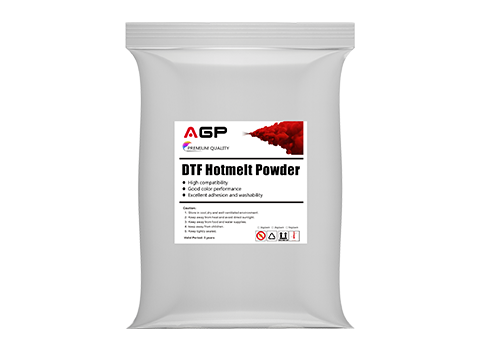
- reliable DTF powder
- accurate RIP software settings
- and stable AGP printing equipment
helps businesses produce:
- softer transfers
- sharper graphics
- cleaner gradients
- better wash resistance
- and more professional custom apparel
That combination is what separates hobby-level production from scalable commercial apparel manufacturing.
Final Thoughts
At the end of the day, customers rarely remember:
- your print resolution
- your ink brand
- your transfer temperature
- or your RIP settings
They remember how the shirt feels.
That’s the part many businesses overlook.
You can have the best DTF printer in the world, but if the garment itself feels cheap, the customer experience still suffers.
And in modern custom apparel printing, customer experience is everything.
That’s why more successful DTF printing businesses are moving toward premium blank apparel instead of chasing the absolute lowest production cost.
Because better garments lead to:
- stronger branding
- better customer retention
- higher perceived value
- more repeat business
- and easier long-term growth
And honestly?
That extra dollar spent on quality apparel may end up being th