
Should You Print DTF Transfers In-House or Outsource to a Gang Sheet Service?
Quick Answer: Outsourcing to a gang sheet service generally makes sense at low or unpredictable order volume — think under roughly 300–500 transfers a month — where the per-unit cost of ordering from a supplier still beats the overhead of owning equipment. In-house production becomes the better economics once your volume is consistent enough to keep a printer productive most days, since your cost per transfer drops sharply while a supplier's price per sheet stays flat. Many growing shops land on a hybrid model: standard orders printed in-house, with a supplier kept on hand for overflow or specialty jobs.
What "Outsourcing" Actually Means Here
Outsourcing DTF production means sending your artwork to a third-party gang sheet supplier, who prints, powders, and cures the transfers and ships them back to you ready to press. You're not buying a printer, a powder shaker, or an oven — you're paying per sheet or per transfer and handling only the final heat-pressing step yourself.
Cost Comparison: Outsourcing vs. In-House
| Factor | Outsourcing | In-House |
|---|---|---|
| Upfront cost | None — pay per order | Printer, powder shaker, curing setup, and heat press represent real upfront investment |
| Cost per transfer | Fixed, doesn't improve with volume | Drops significantly as volume increases, since equipment cost is fixed regardless of output |
| Turnaround control | Dependent on supplier shipping and queue times | Same-day production, full control over rush orders |
| Quality consistency | Varies by supplier, sometimes even by batch | Fully controlled once your process is dialed in |
| Labor and maintenance | None required | Ongoing time for maintenance, consumable management, and operation |
The comparison isn't really "outsourcing vs. ownership" in the abstract — it's about which model produces the lowest real cost per transfer at your actual, current order volume, not your hoped-for future volume.
Finding Your Break-Even Point
A rough way to estimate this: take your total monthly equipment cost (financing or depreciation, consumables, and a reasonable estimate of your own labor time) and divide it by your average cost per transfer to produce in-house. Compare that to what the same volume would cost through a supplier's per-sheet pricing. As a general pattern across the industry, shops printing under roughly 300–500 transfers a month often find outsourcing cheaper once labor and downtime are factored in honestly, while shops consistently above that range tend to see in-house production pull ahead. Your own numbers will vary based on equipment cost and local labor — this is a starting point for your own calculation, not a fixed rule. Our DTF Pricing Guide covers how to calculate your true in-house cost per transfer in detail.
Non-Cost Factors Worth Weighing
- Turnaround speed: in-house production means you're never waiting on a supplier's shipping window for a rush order.
- Quality control: owning the process means one consistent machine, ink batch, and operator — outsourcing means trusting someone else's calibration.
- Flexibility on design changes: reprints, last-minute edits, and small test runs are far easier to handle when you control the equipment directly.
- Space and labor: in-house production requires dedicated workspace and someone trained to run it — not a small consideration for a home-based or single-person shop.
The Hybrid Model
A growing number of shops don't pick one side exclusively. A common pattern: keep standard, predictable orders in-house on your own equipment, and lean on an outsourced supplier for overflow during busy seasons, specialty finishes you don't stock (like a particular glitter or metallic film), or as backup capacity if your own equipment goes down. This gives you the cost advantage of ownership at your baseline volume without carrying idle equipment during slow periods.
Signs It's Time to Bring Production In-House
- Your monthly order volume has been consistently climbing for several months, not just a one-time spike.
- You're regularly paying rush fees or missing deadlines waiting on a supplier's turnaround.
- You've had repeated quality inconsistencies between orders from an outsourced supplier.
- Your calculated in-house cost per transfer would already beat your current per-sheet supplier pricing at your existing volume.
Frequently Asked Questions
How much volume do I need before buying a DTF printer makes sense?
There's no single universal number, but many shops find the tipping point somewhere around 300–500 transfers a month, depending on local labor cost and the specific equipment being compared. Run the math on your own numbers using your actual outsourcing costs rather than relying on a general benchmark.
Can I start by outsourcing and switch to in-house later?
Yes — this is a very common path. Starting with an outsourced supplier lets you validate demand and build a customer base without upfront equipment risk, then transition to in-house production once volume is consistent enough to justify the investment.
Is outsourcing DTF transfers lower quality than printing in-house?
Not inherently — quality depends on the specific supplier's equipment and process, not on outsourcing itself. That said, consistency can be harder to guarantee across different suppliers or batches compared to a single, well-maintained in-house setup.
What's the biggest hidden cost of in-house DTF printing?
Downtime and labor are the most commonly underestimated costs — maintenance, troubleshooting, and the time spent managing consumables add up in ways that a simple ink-and-film cost calculation often misses.
Ready to see if in-house production pencils out for your volume?
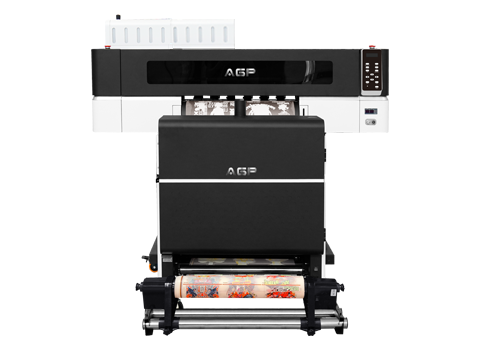
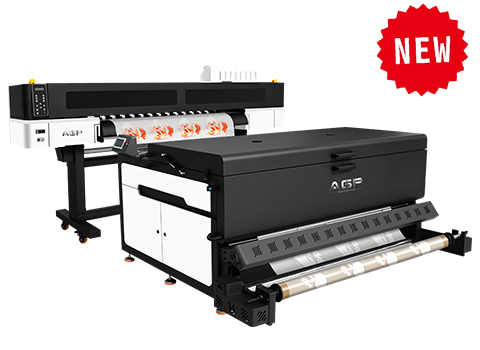
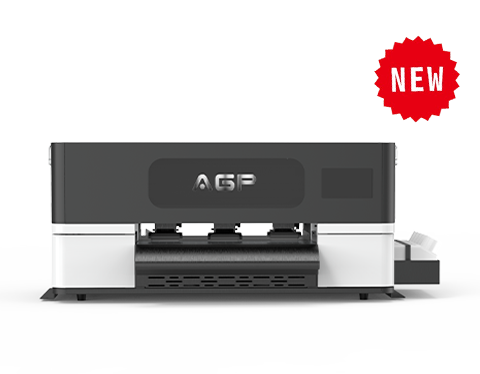
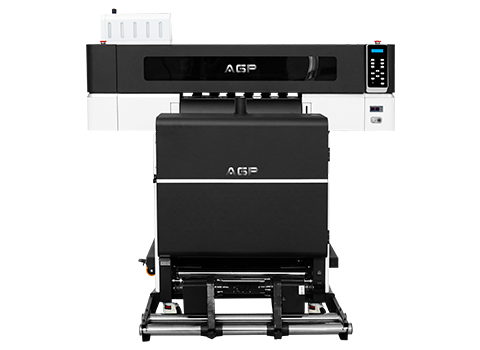
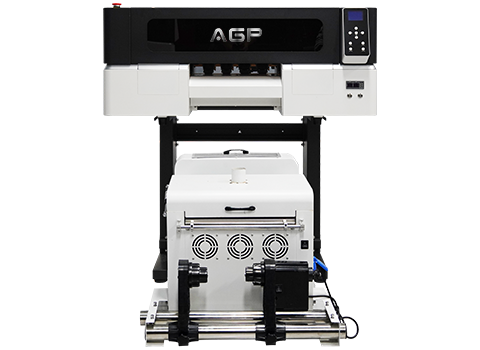
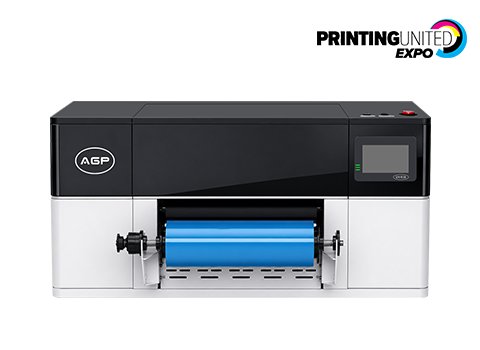
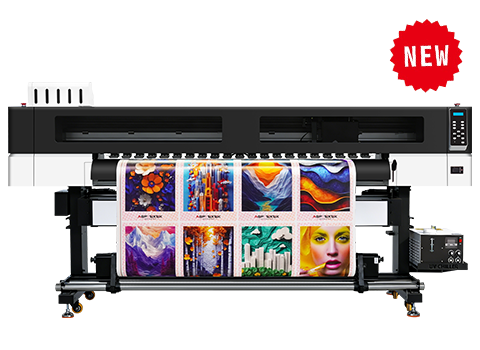
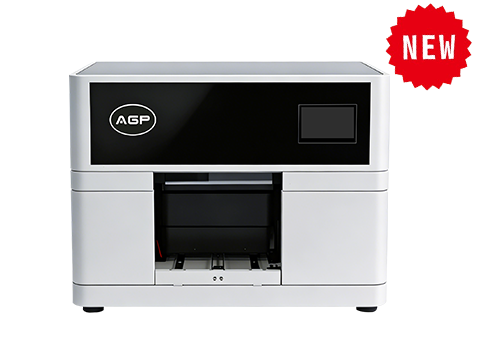
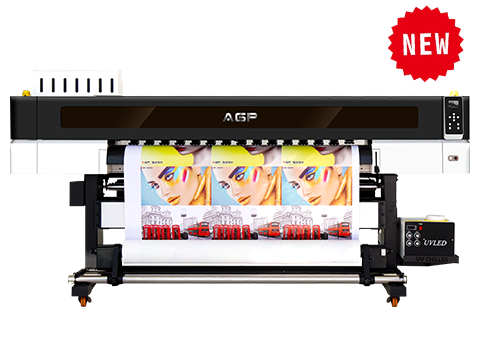
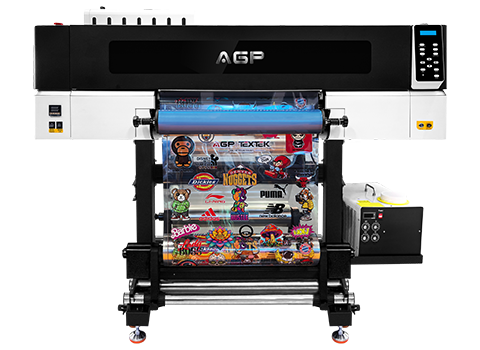
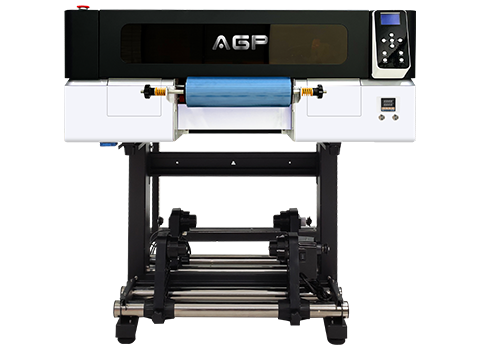
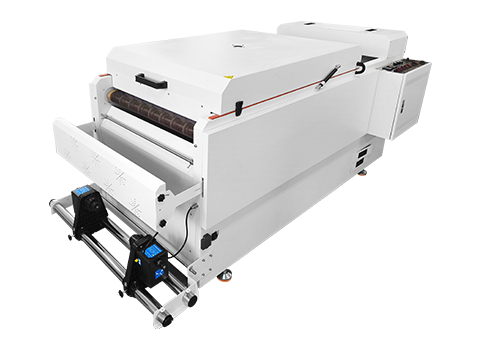
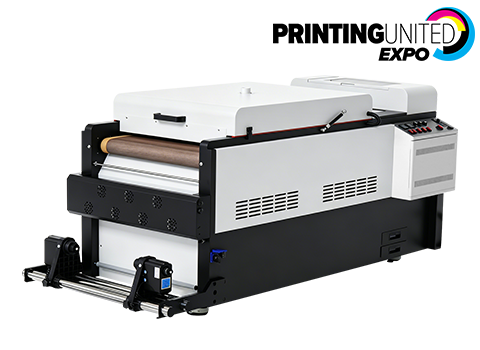
Explore AGP's entry-level DTF printers built for shops making the transition.
Browse DTF Printers | DTF Pricing Guide | Talk to Our Team