


What Temperature Should You Use to Cure DTF Powder in an Oven?
Quick Answer: A batch-style curing oven typically runs at 100–110°C (212–230°F) for 2–3 minutes. Conveyor/tunnel ovens usually run hotter — 130–180°C (266–356°F) — with belt speed tuned so the film spends roughly 1–3 minutes in the heat zone. The exact number depends on your powder type: PA (polyamide) powders typically cure around 130–150°C, while PES (polyester) powders need 160–180°C.
Curing Is a Different Step Than Pressing — Don't Confuse the Two
It's easy to mix up curing and pressing since both involve heat, but they do different jobs. Curing happens right after the powder is applied to the wet ink — it melts the hot-melt powder so it fuses into a smooth, solid adhesive layer bonded to the printed design. Pressing happens later, when that cured film is applied to the garment with a heat press, bonding the finished transfer to the fabric. Under-curing at this first stage causes problems no amount of correct pressing can fix later. For pressing-stage settings specifically, see our DTF Heat Press Temperature & Time Settings guide.
Curing Temperature by Powder Type
| Powder Type | Typical Curing Temperature | Notes |
|---|---|---|
| PA (Polyamide) | 130–150°C (266–302°F) | Lower melting point, common for standard cotton-blend prints |
| PES (Polyester) | 160–180°C (320–356°F) | Higher melting point, often chosen for softer hand-feel or specific fabric compatibility |
| Batch/flash oven (general) | 100–110°C (212–230°F), 2–3 minutes | Lower-temperature, longer-dwell approach used in many compact curing units |
Always confirm the exact figure against your specific powder manufacturer's spec sheet — mesh size and formulation shift the ideal range even within the same powder category.
Oven Type Affects How You Apply These Numbers
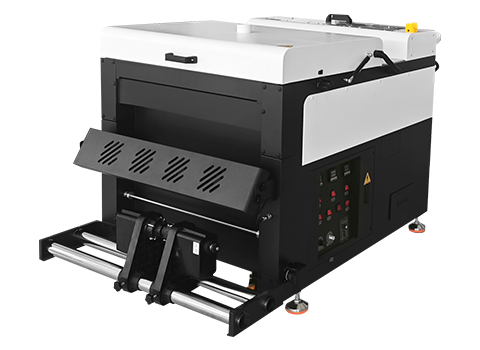
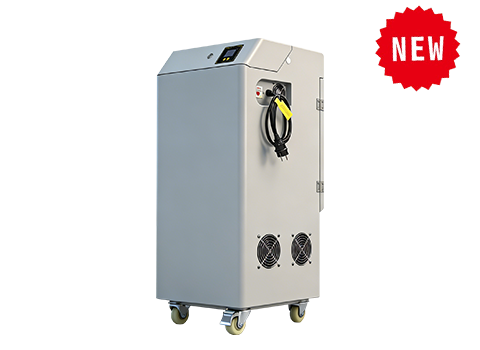
- Batch ovens heat the whole sheet at once inside a chamber, so the temperature and dwell time are set once and stay fixed for that run — straightforward to dial in and repeat.
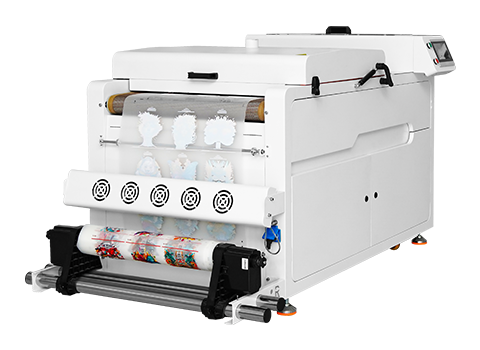
- Conveyor/tunnel ovens move film continuously through a heated zone on a belt, so temperature and belt speed work together — a belt running too fast through the heat zone under-cures the powder just as reliably as an oven set too cool. As a rule of thumb: faster belt speed needs higher zone temperature to hit the same total heat exposure.
Signs Your Curing Settings Are Off
| Symptom | Likely Cause |
|---|---|
| Powder looks dull or slightly grainy, not glossy | Under-cured — raise temperature or slow the belt/extend dwell time |
| Transfer feels stiff, brittle, or yellows slightly | Over-cured — lower temperature or increase belt speed |
| Design peels off during pressing despite correct press settings | Powder never fully fused during curing — this is a curing-stage problem, not a pressing-stage one |
| Uneven finish across a wide sheet | Hot or cold spots in the oven chamber — check for airflow obstructions or uneven heating elements |
Curing Oven or Heat Press for This Step?
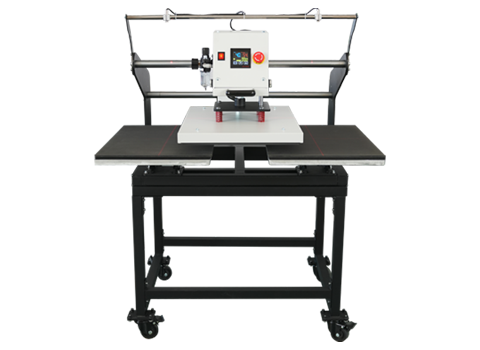
Some smaller shops cure powder using a heat press hovered just above the sheet rather than a dedicated oven, which works but is harder to standardize consistently than a fixed oven cycle or conveyor speed. If you're deciding which equipment fits your production volume, our Curing Oven vs Heat Press guide compares the two directly.
Frequently Asked Questions
What happens if I cure DTF powder at too low a temperature?
The powder won't fully melt and fuse into the ink layer, leaving a weak or incomplete bond. This often isn't obvious until the transfer is pressed and peeled — the design may lift, crack, or peel away from the garment even though the pressing step itself was done correctly.
Can I over-cure DTF powder?
Yes — excessive heat or dwell time can make the cured layer brittle and prone to yellowing, particularly on lighter designs. If you're seeing discoloration, reduce temperature or dwell time before adjusting anything else.
Do PA and PES powders really need different curing temperatures?
Yes — they're different adhesive formulations with different melting points. PA powder generally cures at a lower temperature than PES powder, so using one powder's settings for the other is a common cause of inconsistent results when switching suppliers.
How do I know if my conveyor oven's belt speed is set correctly?
Check that a sheet spends roughly 1–3 minutes in the heated zone at your set temperature — too fast under-cures, too slow risks over-curing or bottlenecking production. Run a test sheet and inspect the powder finish before committing to a production run.
Looking for consistent, even curing at scale?
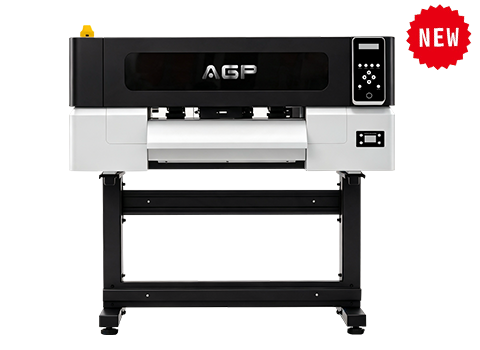
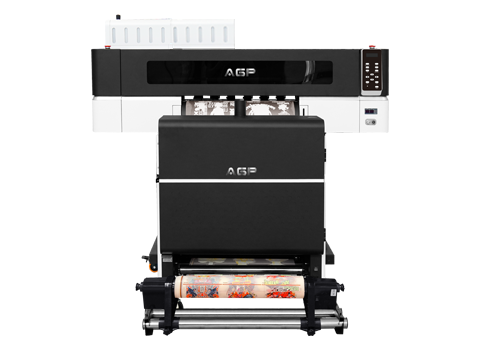
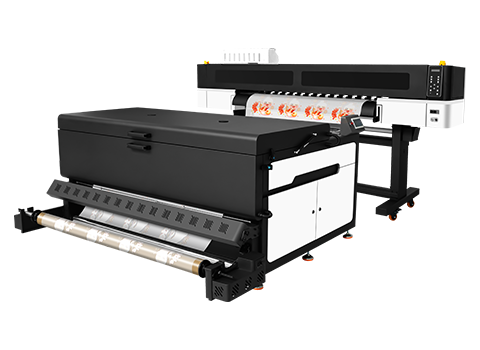
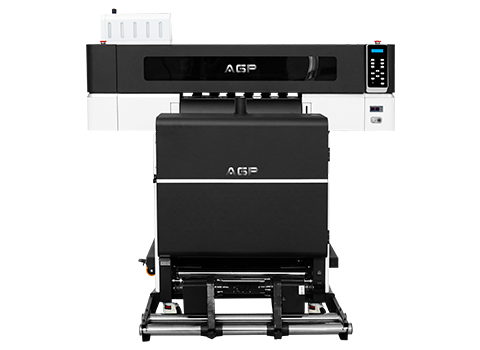
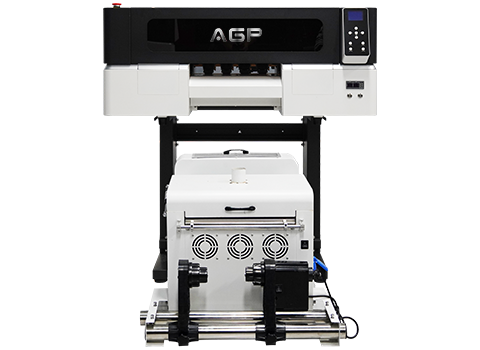
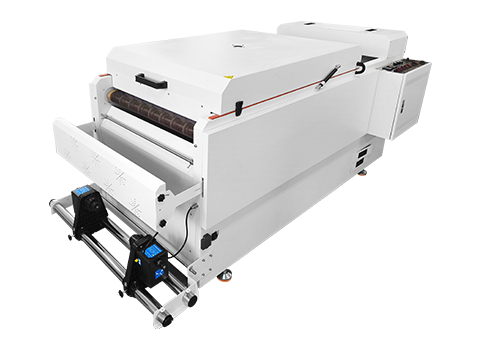
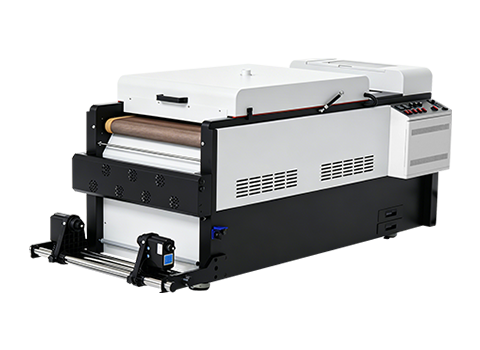
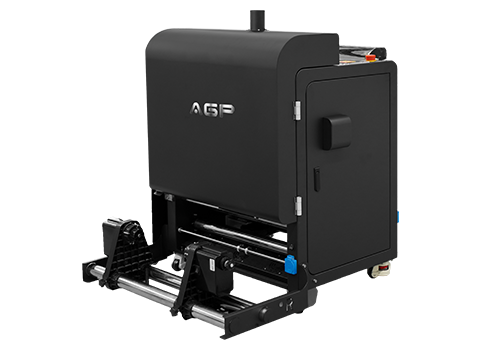
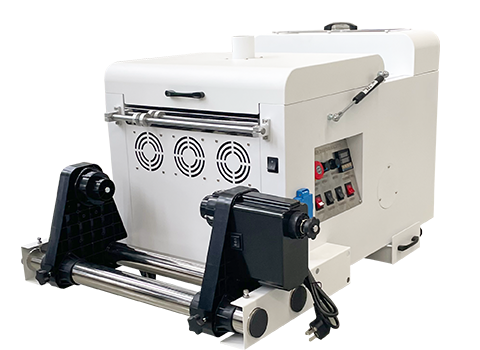
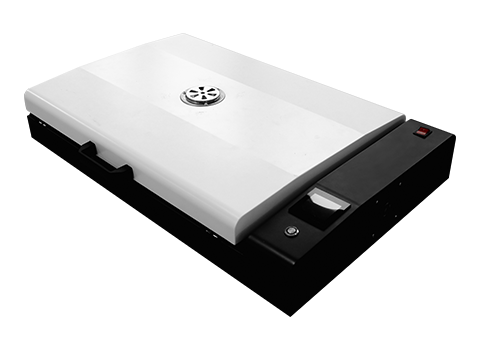
See how AGP's DTF Oven A280/A380 delivers reliable curing for high-volume production.
DTF Oven A280/A380 | DTF Hot Melt Powder | Talk to Our Team