

Choosing the right DTF printer is a pivotal investment for custom apparel businesses, print shops, garment manufacturers, and entrepreneurs entering the textile printing market. The best DTF printing machine is not simply the cheapest or fastest model—it is the one that perfectly aligns with your order volume, product range, workspace, budget, and long-term production goals.
This comprehensive buying guide explains how to evaluate a commercial DTF printer, compare essential technical specifications, estimate the total cost of ownership (TCO), and select a reliable setup that drives long-term business growth.
What Is a DTF Printer & How Does the Workflow Work?
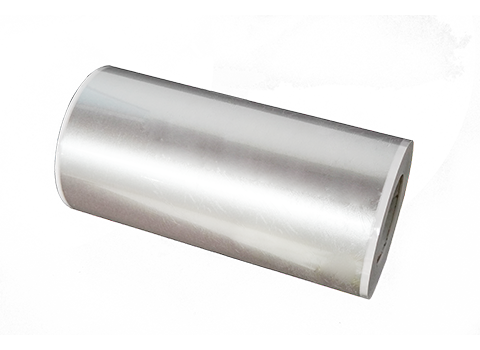
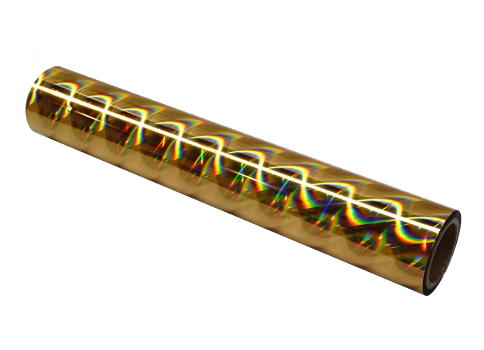
A Direct-to-Film (DTF) printer prints custom designs onto specialized PET transfer films using textile pigment inks. Hot-melt adhesive powder is applied to the wet print, cured through heating, and then heat-pressed onto compatible garments or fabrics.
Essential Equipment in a Complete DTF Production Line:
- Commercial DTF Printer (2, 3, or 4 printhead configurations)
- RIP Software (Raster Image Processing for color management & white layer handling)
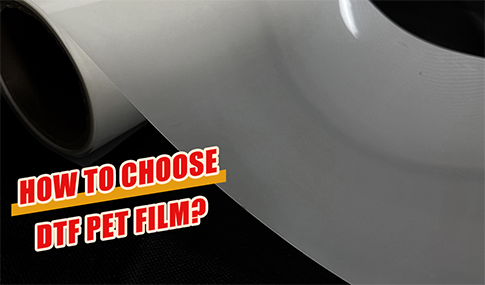
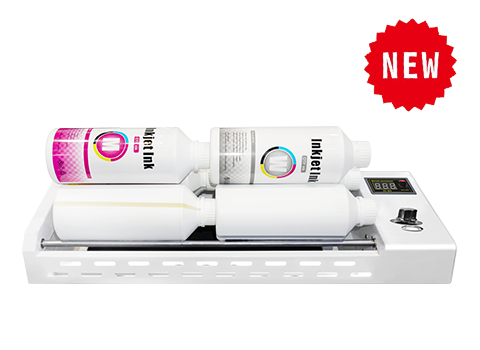
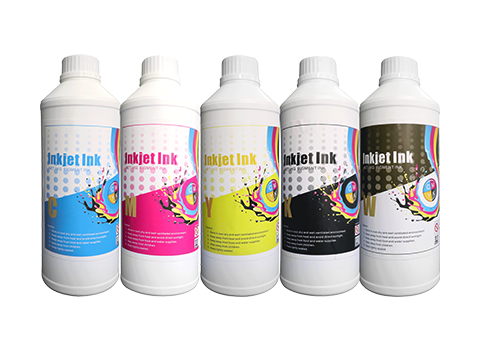
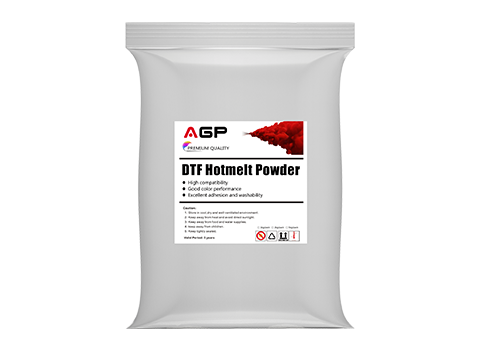
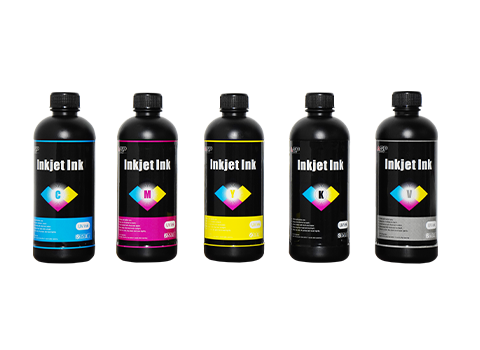
- Consumables: DTF Inks (CMYK + White), PET Transfer Film, Adhesive Powder
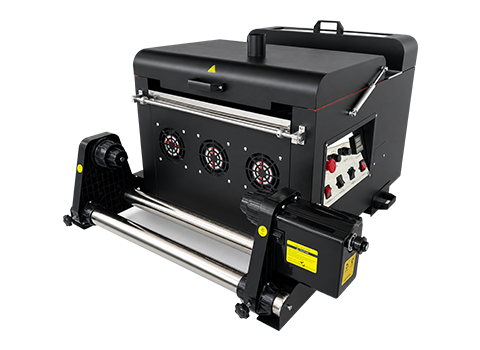
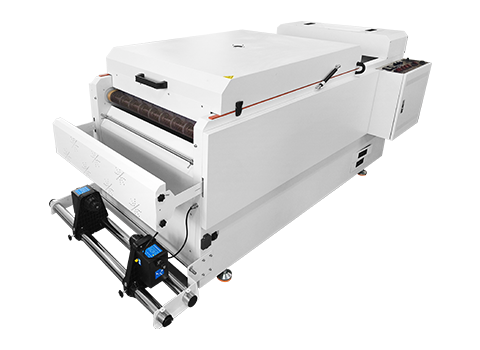
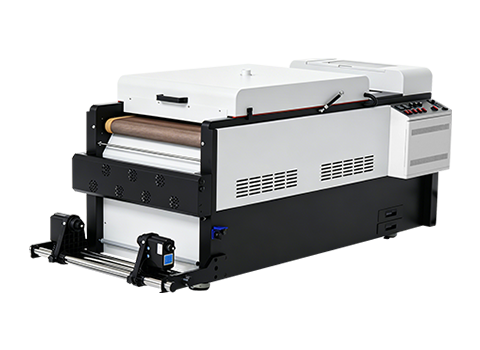
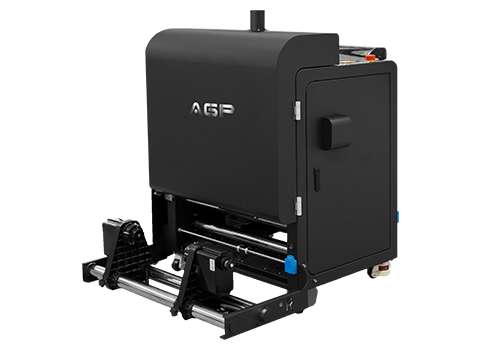
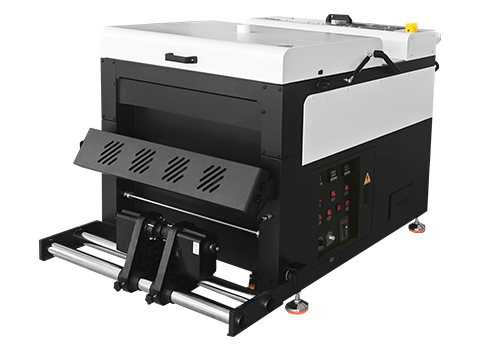
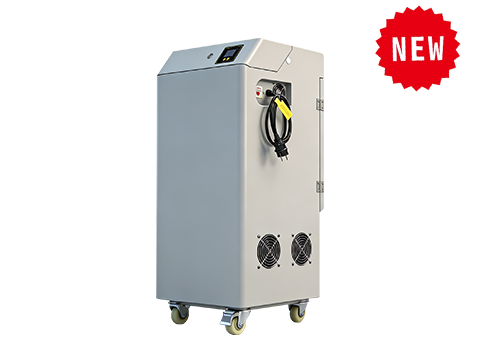
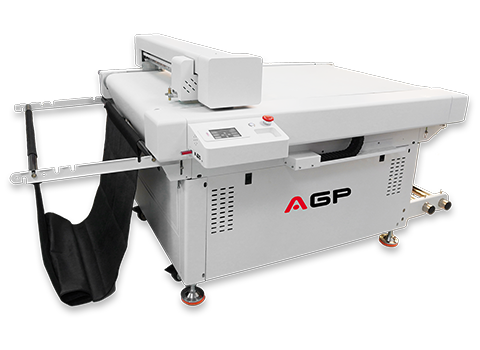
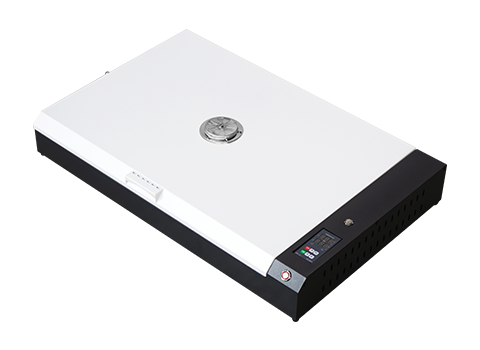
- Powder Shaker & Curing Oven (Manual or Automated)
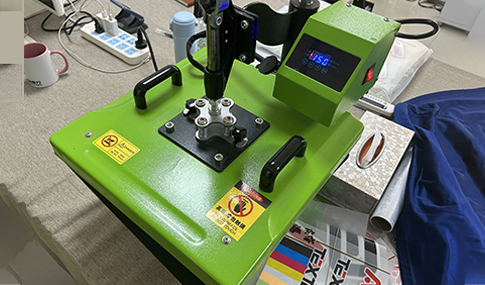
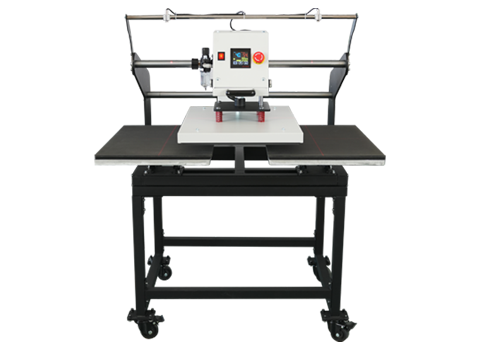
- Industrial Heat Press Machine
2. Choose a DTF Printer Based on Your Business Stage
Before comparing hardware specs, define your target product line and expected daily output.
Startups & Small Businesses
Goal: Testing market demand, small custom runs, lower risk.
- Focus on low initial investment & compact footprint.
- Ensure easy maintenance and accessible supplier support.
- Recommended Width: A3 / 30cm (12 inch) range.
Established Print Shops
Goal: Daily steady orders, turnaround speed, stability.
- Prioritize continuous media feeding & print speed.
- Wider roll-to-roll printing allows multi-design nesting.
- Recommended Width: 45cm to 60cm (18-24 inch).
Garment Manufacturers
Goal: High-volume bulk fulfillment & minimal downtime.
- Evaluate complete line automation (Auto Powder Shaker & Dryer).
- Focus on 3 or 4 printheads for high-speed white + CMYK output.
- Recommended Width: 60cm (24 inch) or customized industrial setups.
3. Key Specifications to Evaluate Before Buying
| Feature | What to Look For | Business Impact |
|---|---|---|
| Print Width | 30cm (12") vs 45cm (18") vs 60cm (24") | Determines graphic size limits and multi-artwork nesting efficiency. |
| Printhead Setup | Epson i3200 / XP600 (Dual or Triple heads) | Directly controls speed, color accuracy, resolution, and head lifespan. |
| White Ink System | Circulation, stirring, and filtration functions | Prevents white ink precipitation, clogging, and printhead damage. |
| RIP Software | RIIN, FlexiPrint, CADlink, Photoprint compatibility | Controls color matching, ink consumption, white layer layout, and workflow speed. |
4. Calculate the Total Cost of Ownership (TCO)
Looking at the initial DTF printer price alone is a common buyer mistake. A true financial evaluation must consider the cost per saleable print over time.
Operating Expense Checklist:
- Initial Hardware: Printer, Curing Oven / Shaker, Heat Press, RIP Software License.
- Consumables: DTF Pigment Ink ($/L), PET Film ($/roll), Powder ($/kg).
- Facilities & Labor: Workspace footprint, electricity usage, ventilation/fume extraction systems.
- Maintenance & Parts: Capping stations, wipers, dampers, and routine printhead replacement reserve.
- Freight & Duties: Shipping terms (FOB/CIF/DDP), import tariffs, and local installation costs.
5. AGP Commercial DTF Printer Options Comparison
To meet varying business demands, AGP offers production-ready DTF printing solutions tailored for efficiency and long-term durability:
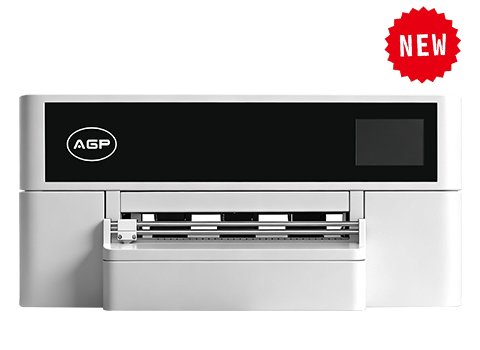
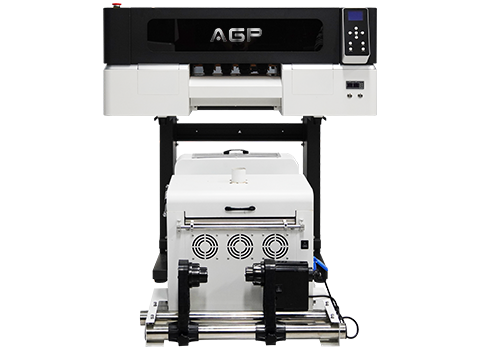
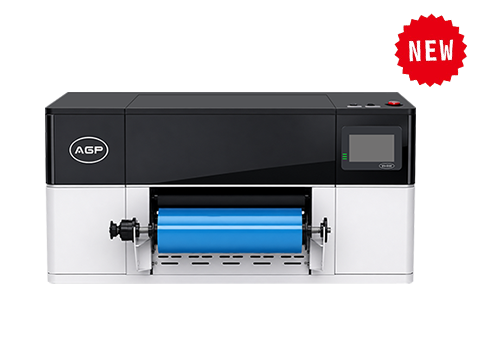
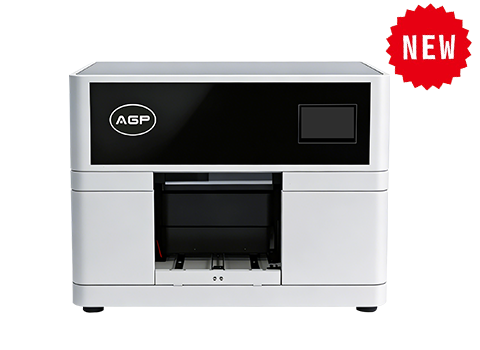
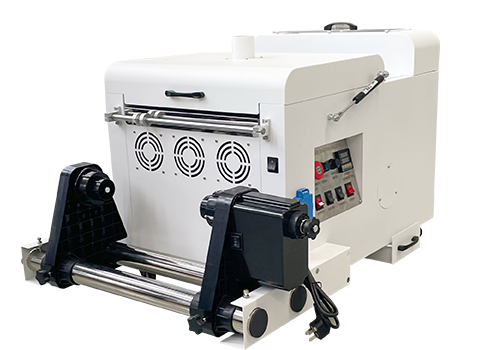
AGP DTF-E30T (Entry-Level / Compact Format)
Best DTF printer for small business & startups.
Designed for compact workspaces requiring reliable output for small logos, personalized T-shirts, and short-run custom apparel with minimal setup friction.
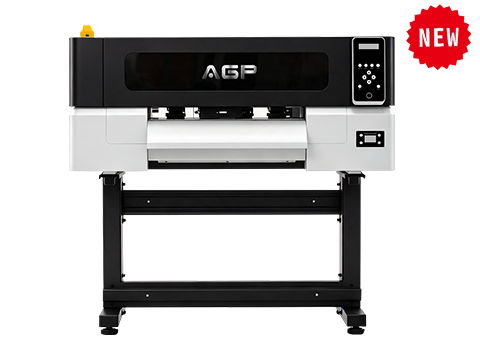
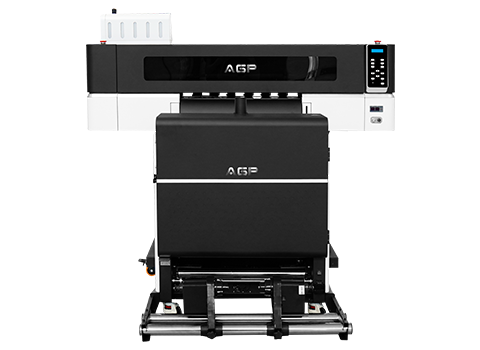
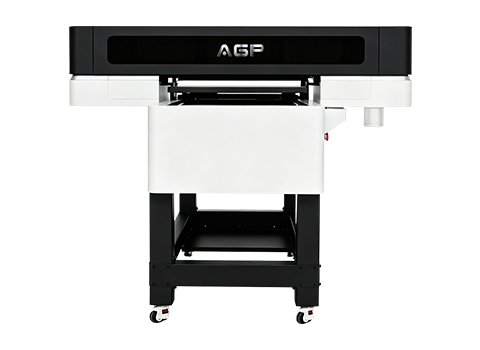
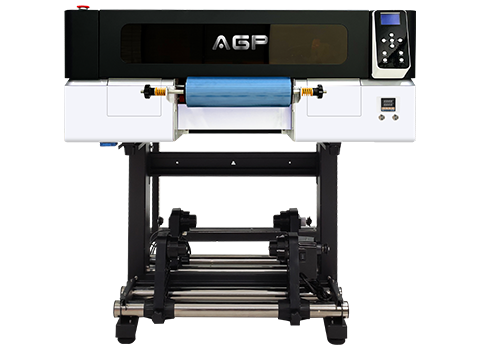
AGP DTF-T45 (450mm Mid-Size Production)
Ideal for expanding print shops needing wider roll capability.
Balances print width and automation. The 450mm feeding capacity allows larger graphics while optimizing film roll usage without requiring industrial-sized floor space.
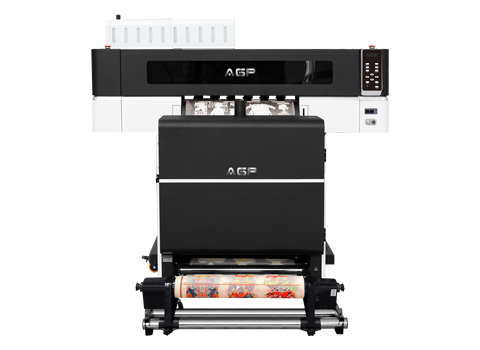
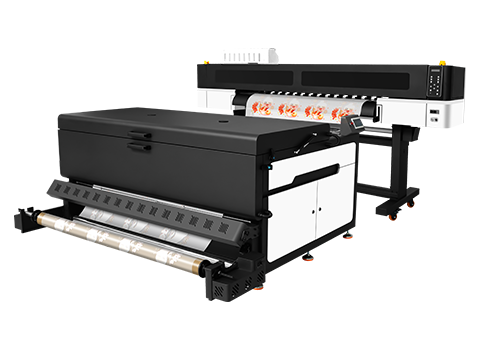
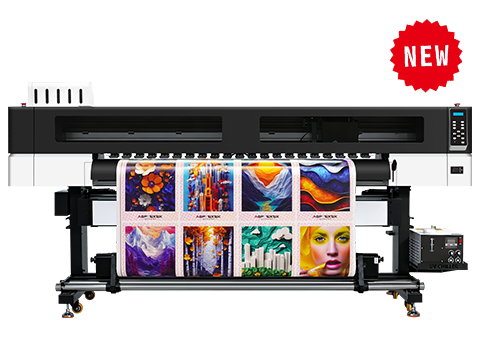
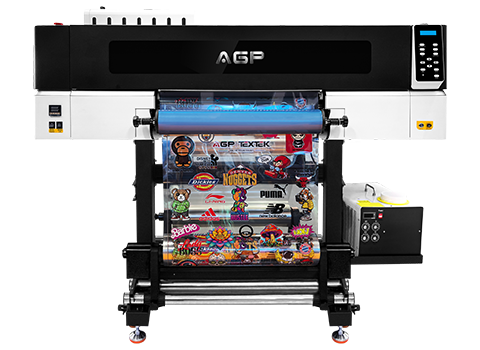
AGP DTF-T656 (600mm High-Capacity Production)
Heavy-duty commercial DTF printer for high-volume fulfillment.
Engineered for continuous production. Features multi-head configurations, robust feeding mechanisms, and seamless integration with automated powder shakers.
6. Pre-Purchase Testing & Vendor Checklist
Before placing an order with any DTF printer manufacturer or distributor, request live print samples and verify supplier capabilities using this checklist:
- Sample Test on Artwork: Provide your own detailed artwork with gradients, fine text, and solid white fills.
- Fabric Compatibility Check: Test transfers on 100% cotton, polyester blends, and dark nylon.
- After-Sales & Warranty Terms: Confirm remote installation support, video guides, spare part availability, and technical response times.
- Consumables Profile: Verify whether ICC color profiles are provided for recommended inks and film types.
Frequently Asked Questions (FAQ)
Q: How much does a commercial DTF printer cost?
A: Commercial DTF printer prices range from $2,500 for entry-level compact desktop models to over $10,000–$18,000 for fully automated 60cm multi-head industrial systems including shakers and curing units. Always request an itemized quote including shipping, software, and spare parts.
Q: What is the best DTF printer for a small business?
A: The best model for a small business balances manageable footprint, low initial investment, reliable white ink management, and responsive technical support. Models like the AGP DTF-E30T provide an accessible entry point without sacrificing print quality.
Q: Do I need an automated powder shaker with a DTF printer?
A: For low-volume startups, manual powdering and curing in a small oven works. However, as daily volume grows, an automated powder shaker and dryer reduces labor, ensures consistent powder distribution, and drastically speeds up delivery cycles.
Q: Is DTF printing profitable for custom apparel businesses?
A: Yes. DTF printing yields high profit margins due to low ink costs, elimination of pretreatment labor, and compatibility with virtually all fabric colors and types.
Ready to Upgrade Your Apparel Printing Setup?
Contact the AGP technical sales team with your target print volume, preferred width, and destination country to get a customized machine configuration and factory quote.
Request a Customized Quotation & Free Printed Samples