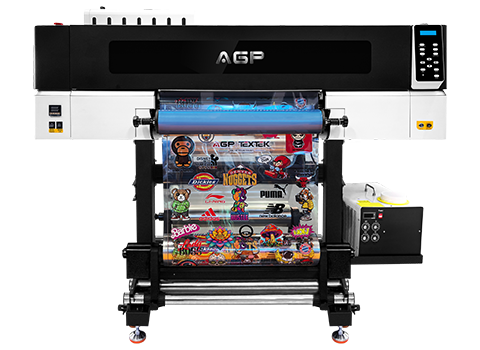
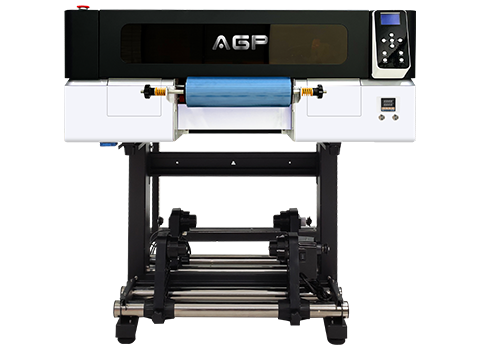

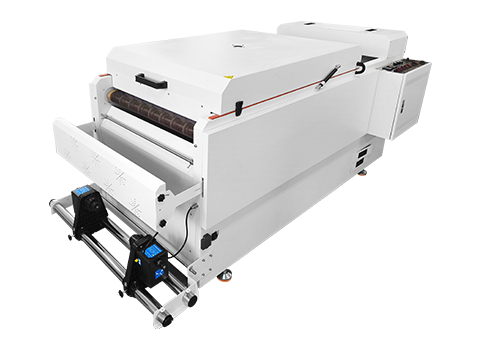
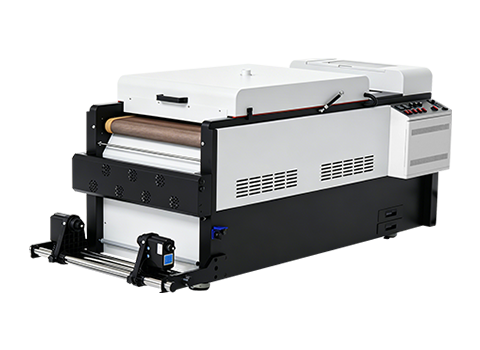
Why UV DTF Printers Are Redefining Custom Printing for Modern Businesses
The global custom printing industry is quietly entering a new stage.
While traditional processes such as screen printing, heat transfer printing, and flatbed UV printing continue to play an important role, the growing demand for flexible customization, short-run production, and multi-material printing is reshaping how print businesses operate.
In recent years, UV DTF printers have emerged as one of the most discussed and fastest-growing solutions in the digital printing equipment market.
From brand owners and promotional product suppliers to industrial labeling providers and personalized merchandise studios, more companies are beginning to adopt UV DTF printing solutions to overcome the limitations of conventional workflows.
At AGP, we have witnessed how UV DTF printers are transforming production efficiency, expanding product portfolios, and enabling print shops to accept orders that were previously considered technically impossible.
This article explains in practical terms why UV DTF printers are rapidly becoming a strategic investment for modern customization businesses.
What Are UV DTF Printers and How Does the Technology Work?
To understand the value of UV DTF printers, it is essential to first clarify how this technology differs from both traditional DTF printers and flatbed UV printers.
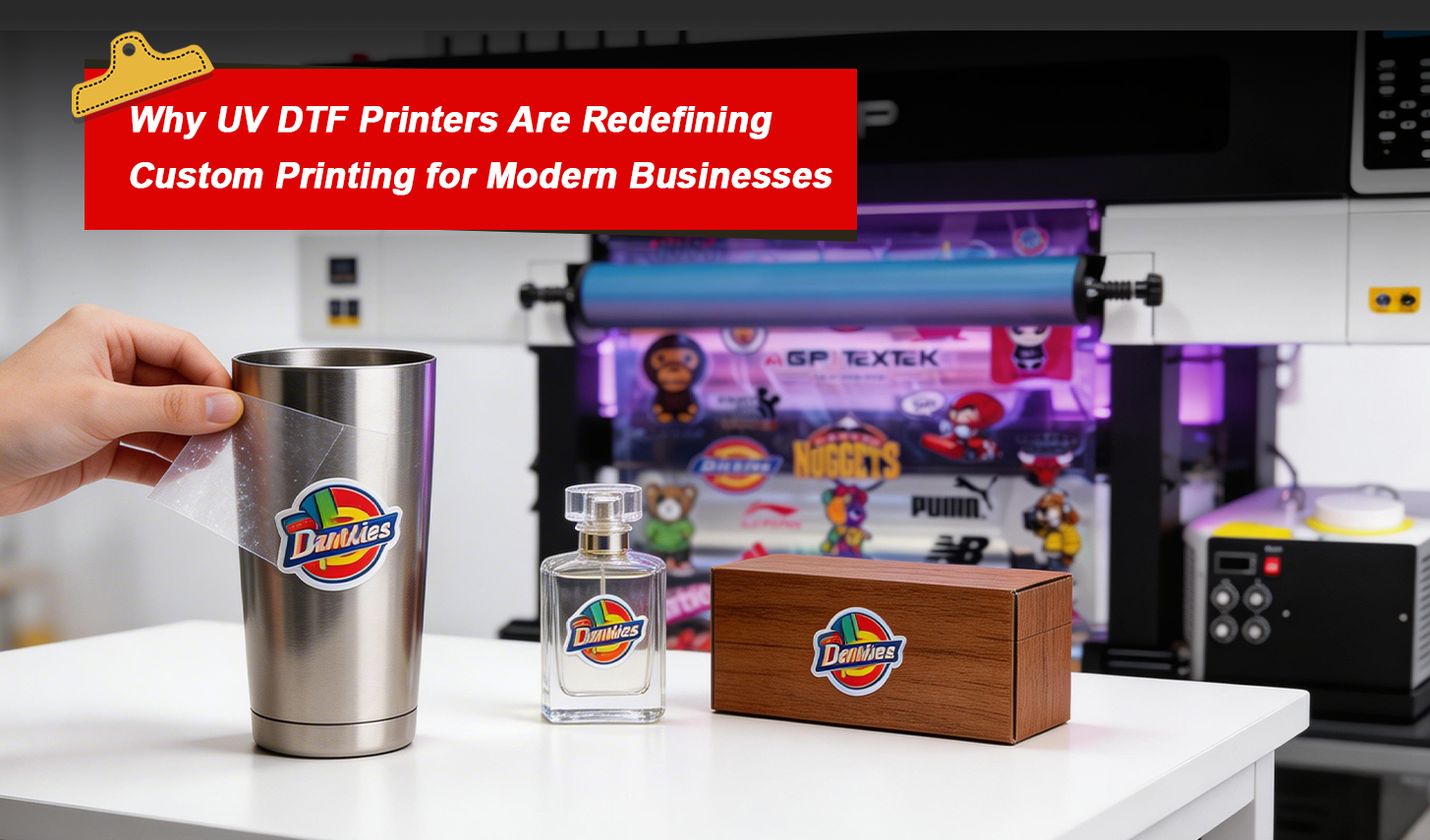
A UV DTF printer is a digital printing system that prints graphics onto a special transfer film using UV-curable inks, rather than printing directly onto the final product.
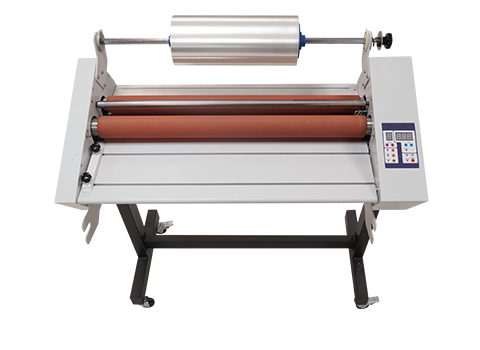
After printing, a laminating film is applied on top of the printed layer.
The finished UV DTF transfer can then be peeled and applied to a rigid surface using only pressure.
This process combines the advantages of:
-
UV digital printing technology
-
DTF transfer logic
-
pressure-based application
-
and cold transfer operation
The defining technical feature of UV DTF printers is instant UV curing.
As soon as the ink is jetted onto the transfer film, ultraviolet light immediately solidifies the ink layer.
This creates a durable, slightly raised texture that provides both visual depth and tactile quality.
Unlike traditional textile DTF printers, UV DTF printing does not require a heat press, making it fundamentally different from heat transfer workflows.
This structural difference allows UV DTF printers to focus specifically on rigid and semi-rigid surface customization.
Why UV DTF Printers Outperform Traditional Printing Solutions
Traditional flatbed UV printers are widely recognized for their high-quality output.
However, they also introduce strict physical limitations.
The product must:
-
fit under the print head
-
have a relatively flat surface
-
remain stable during printing
This instantly excludes a large number of real-world products.
UV DTF printers remove this constraint entirely.
By printing first on transfer film, the final application becomes independent of the shape of the object.
This means UV DTF printers can easily decorate:
-
curved surfaces
-
cylindrical items
-
irregular objects
-
narrow edges
-
recessed areas
From a production perspective, this flexibility is one of the strongest reasons behind the rapid adoption of UV DTF printing equipment.
Compared with traditional labeling solutions, UV DTF printing also avoids complex cutting and positioning issues.
For businesses focused on high-mix, low-volume orders, UV DTF printers offer a far more adaptable workflow.
Key Production Advantages for Commercial Print Shops
For professional printing businesses, production efficiency is not defined only by speed.
It is defined by how easily a workflow adapts to unstable order volumes and diversified customer demands.
UV DTF printers provide several operational advantages.
First, digital production eliminates plate making and screen preparation.
Whether you print one unit or one hundred units, the setup time remains almost the same.
Second, UV DTF printers significantly reduce operator dependency.
Because the transfer film carries the complete image, positioning errors during printing are minimized.
Third, the cold application process removes the need for heating systems and temperature control.
This directly reduces:
-
energy consumption
-
equipment maintenance
-
operator training requirements
From a production management perspective, UV DTF printing allows small and medium-sized print shops to achieve industrial-level consistency with far lower technical thresholds.
This is one of the reasons why UV DTF printers are increasingly adopted as entry-level industrial digital printers.
Material Compatibility and Surface Application Flexibility
One of the most commercially attractive features of UV DTF printers is their broad substrate compatibility.
After transfer, UV DTF graphics can adhere to a wide range of rigid and semi-rigid materials, including:
-
glass
-
acrylic
-
plastic
-
metal
-
stainless steel
-
aluminum
-
wood
-
ceramic
-
coated leather
-
composite materials
This material flexibility allows print businesses to serve multiple industries using a single UV DTF printing system.
In addition, the pressure-based application method makes UV DTF printing suitable for:
-
heat-sensitive materials
-
electronic accessories
-
coated surfaces
-
molded plastic products
This creates a technical advantage that neither heat transfer nor direct UV flatbed printing can fully replace.
Business Use Cases and Market Opportunities for UV DTF Printers
The rapid expansion of UV DTF printers is closely linked to the diversification of customized products in global markets.
In the promotional products sector, UV DTF printing is widely used for:
-
branded drinkware
-
customized tumblers
-
glass cups
-
insulated bottles
-
acrylic display blocks
In packaging and branding, UV DTF printers enable premium decoration for:
-
cosmetic bottles
-
perfume packaging
-
gift boxes
-
rigid containers
In corporate gifting, UV DTF printing supports efficient customization of:
-
power banks
-
wireless chargers
-
USB drives
-
office accessories
In award and recognition production, UV DTF printers allow detailed designs to be applied to:
-
crystal trophies
-
acrylic awards
-
metal plaques
In industrial labeling, UV DTF transfers provide:
-
abrasion resistance
-
water resistance
-
chemical tolerance
-
long-term legibility
These characteristics make UV DTF printers highly suitable for:
-
machinery labeling
-
electrical equipment marking
-
outdoor signage components
The market demand for small-batch, multi-SKU customization continues to grow, and UV DTF printers align precisely with this production structure.
How AGP UV DTF Printers Support Scalable Production
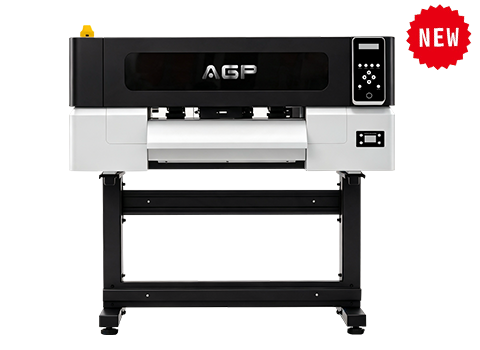
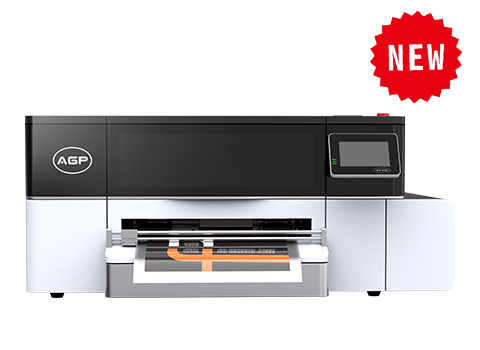
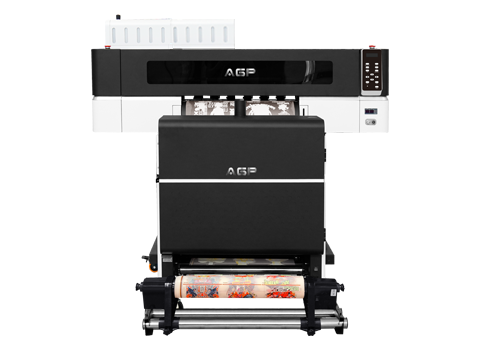
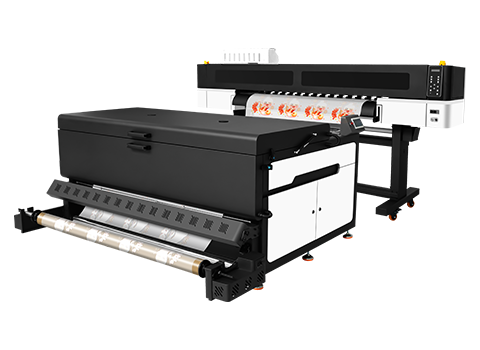
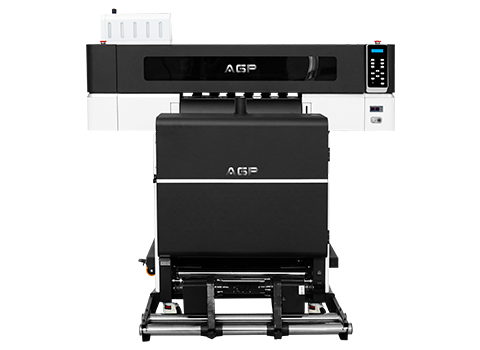
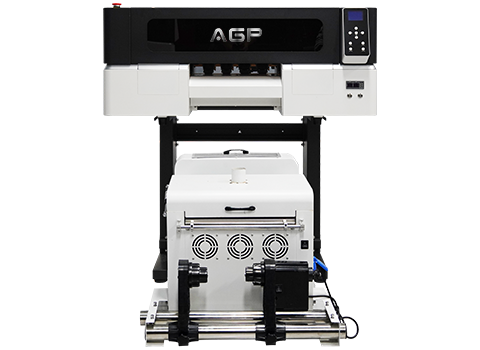
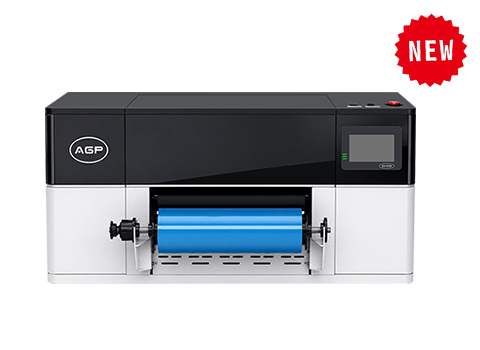
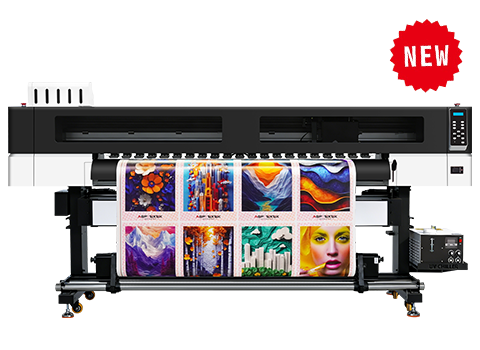
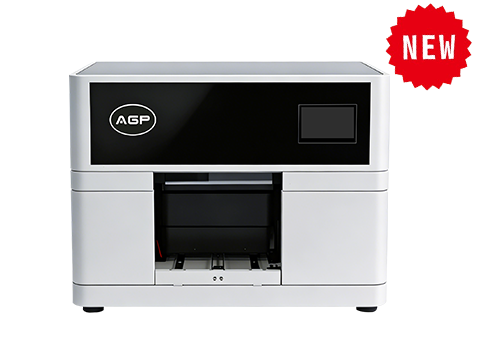
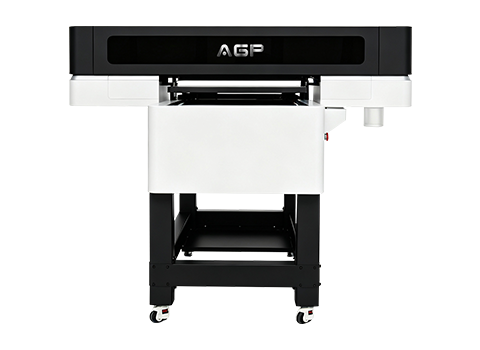
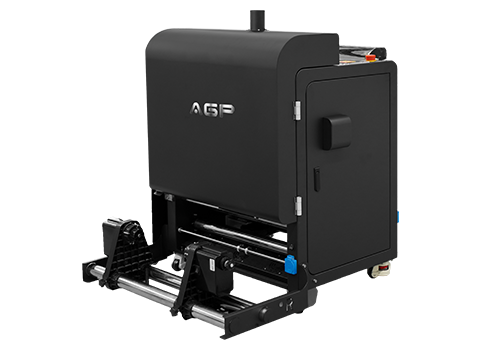
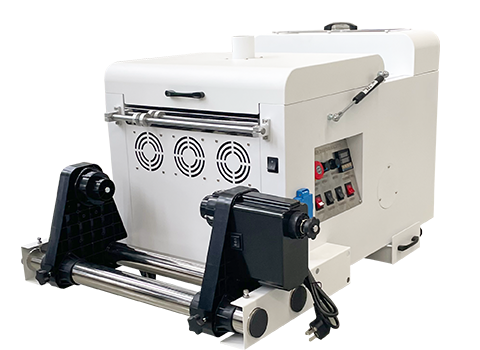
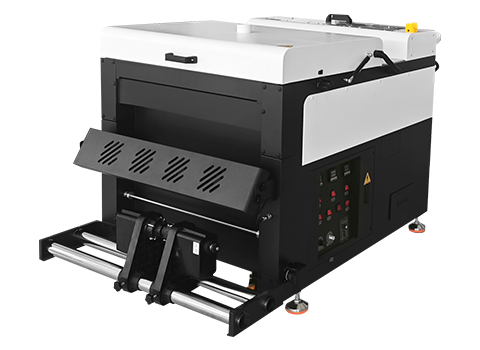
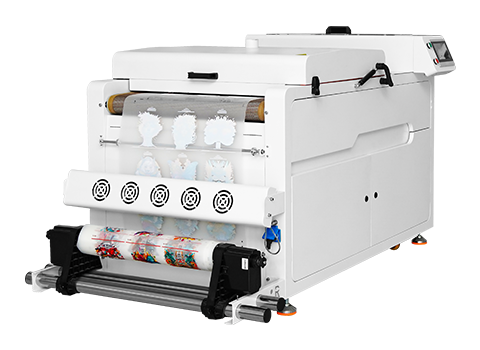
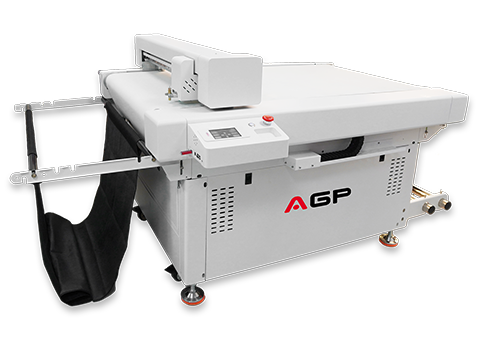
At AGP, our UV DTF printers are designed to support both entry-level customization studios and growing professional production environments.
AGP UV DTF printing solutions integrate:
-
stable UV curing systems
-
high-precision ink delivery
-
consistent white ink circulation
-
automated laminating compatibility
From a system design perspective, AGP focuses on long-term production stability rather than short-term output speed.
This is essential for businesses that aim to scale their UV DTF printing operations over time.
In addition, AGP provides complete workflow compatibility for:
-
graphic design software
-
RIP software platforms
-
automated film handling systems
This allows production managers to build standardized UV DTF printing workflows that remain consistent as order volumes increase.
More importantly, AGP UV DTF printers are engineered to minimize consumable waste and reduce rework rates, which directly improves operational profitability.
Is a UV DTF Printer a Smart Investment for Your Business?
For many businesses, the real question is not whether UV DTF printers work.
The real question is whether they can generate sustainable revenue.
From a market perspective, UV DTF printers allow companies to:
-
expand product categories without adding multiple machines
-
accept complex surface customization orders
-
serve both consumer and industrial markets
-
respond quickly to small-batch and personalized demand
From a financial perspective, UV DTF printing significantly reduces:
-
setup costs
-
labor dependency
-
rejected production caused by positioning errors
From a strategic perspective, UV DTF printers allow print shops to reposition themselves from basic printing suppliers to customized product solution providers.
In an increasingly competitive market, this positioning difference plays a decisive role.
For businesses already operating UV flatbed printers or traditional DTF printers, UV DTF printing does not replace existing equipment.
Instead, it complements and extends production capabilities.
By integrating UV DTF printers into existing production lines, companies can build a hybrid customization workflow that covers:
-
flat surfaces
-
irregular shapes
-
rigid materials
-
premium decorative finishes
This makes UV DTF printers not simply another device, but a long-term growth platform for customization businesses.
Final Thoughts
UV DTF printers are no longer experimental tools.
They have become a mature, reliable and commercially proven printing solution.
As product customization continues to move toward diversification, personalization and short-run production, UV DTF printing offers a practical and scalable answer to modern manufacturing challenges.
For businesses that want to expand service capability, improve operational efficiency and strengthen product differentiation, UV DTF printers represent one of the most realistic investment directions in today’s digital printing market.
With AGP UV DTF printers, customization is no longer limited by surface shape, material structure or production scale.