
Why Is My DTF White Ink Turning Yellow? (And How to Fix It)
Few things are more disappointing than a bright white DTF design turning dull, yellow, or dingy after pressing onto a shirt. White ink is the backbone of DTF printing, and discoloration ruins your finished garments. In this troubleshooting guide, we break down why DTF white ink turns yellow and provide clear, actionable steps to keep your whites brilliantly white.
Quick Action Plan: Fixing Yellowing White Ink
- Reason 1: Overbaked TPU Powder: Leaving the transfer inside a hot curing oven too long scorches the hot-melt powder, turning the white base yellow or brown.
- Reason 2: Dye Migration (Bleed-Through): When pressing on 100% polyester or dark dyed fabrics, heat turns garment dyes into gas, bledding directly up through the white ink.
- Reason 3: Excessive Heat Press Temperature: Pressing garments above 160°C (320°F) burns the titanium dioxide pigments inside white ink.
Dye Migration vs. Powder Overbaking: Identifying the Cause
To fix discolored prints, you must first determine when the yellowing happens:
- Yellowing Before Heat Pressing (On Film): If the white backing looks yellow straight out of your curing oven, your TPU adhesive powder is being scorched by excessive baking heat.
- Yellowing After Heat Pressing (On Garment): If the transfer looks bright white on film but turns yellowish 24 hours after pressing onto polyester, you are experiencing dye migration from the fabric.
White Ink Discoloration Diagnosis Matrix
| Discoloration Type | Primary Root Cause | Shop Correction Strategy |
|---|---|---|
| Uniform Scorch Yellowing | Oven curing temperature too high (>150°C) | Lower oven heat to 130°C–140°C and shorten bake duration. |
| Fabric Tint Bleed-Through | Dye migration on polyester or dyed cotton blends | Use low-temp anti-bleed TPU powder and drop press temp to 135°C. |
| Spotty / Patchy Discoloration | Expired white ink or inadequate ink agitation | Shake white ink bottles daily and verify circulation pump function. |
4 Steps to Guarantee Crisp, Bright White Transfers
1. Calibrate Your Curing Oven Temperatures
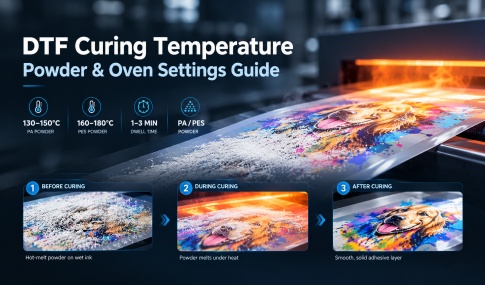
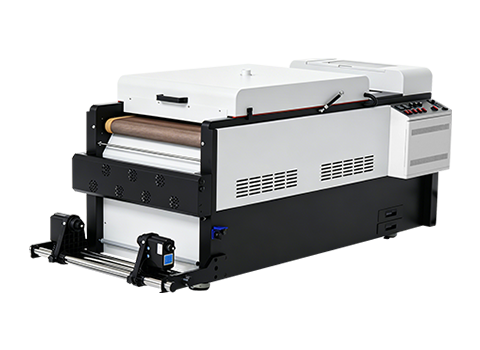
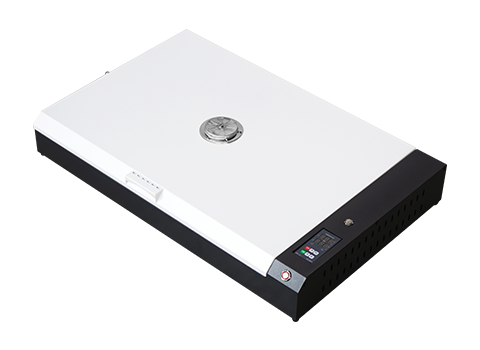
Never trust cheap oven thermostats blindly. Use an infrared thermometer gun or thermal probe to check actual internal heat. Set your oven between 130°C and 140°C (266°F–284°F). The TPU powder should melt into a clear, glossy "orange peel" texture without turning brown or glassy.
2. Use Low-Temp Anti-Bleed TPU Powder on Polyester
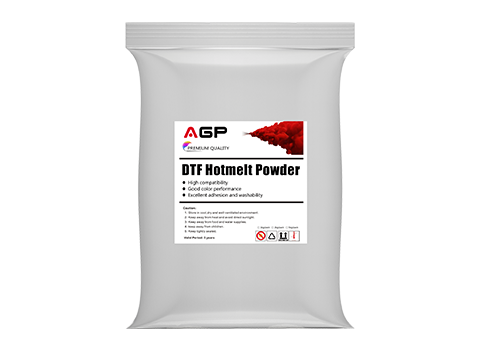
Standard TPU powder melts around 150°C, which is the exact temperature polyester dyes begin gassing out. Switch to a Black Anti-Bleed Powder or Low-Temp TPU Powder that melts at 120°C–130°C. This creates a physical barrier that stops fabric dyes from bleeding into your white ink.
3. Reduce Heat Press Temperature and Dwell Time
High press heat scorches white ink layer pigments. Lower your heat press settings to 140°C (284°F) for 12 to 15 seconds under medium pressure. For delicate synthetic sportswear, press at 135°C for 10 seconds.
4. Keep White Ink Well Circulated and Fresh
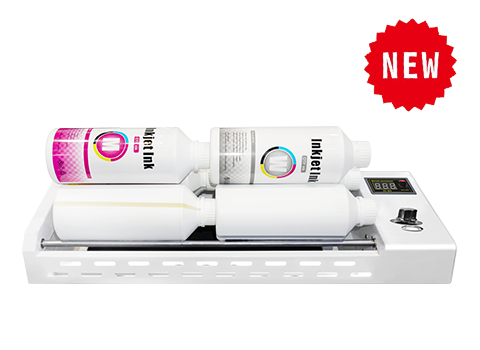
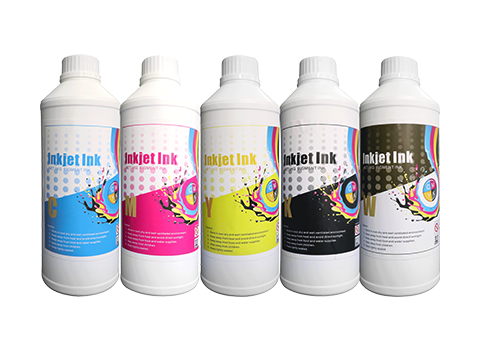
White DTF ink contains heavy Titanium Dioxide ($TiO_2$) particles that settle quickly at the bottom of ink tanks. If unmixed, your printer drops watery, thin white ink that allows dark shirt colors to shine through. Ensure your printer's white ink circulation system runs continuously.
Frequently Asked Questions (FAQ)
Can low-quality white ink cause prints to turn yellow over time?
Yes. Cheap white inks using low-grade resins oxidize when exposed to air and UV light, gradually turning yellowish after washing. Always use premium pigemented white inks formulated for DTF.
Why does white ink look white on cotton but yellow on polyester?
Cotton uses reactive dyes that do not gas out under heat. Polyester uses disperse dyes that melt under press temperatures above 140°C and migrate into the white ink layer.
Does pressing with a Teflon sheet cause white ink to yellow?
A dirty Teflon sheet with residual ink oils can transfer yellow stains onto white prints. Keep your Teflon sheets clean using isopropyl alcohol, or switch to parchment paper for white designs.
Achieve Flawless White Transfers with AGP Solutions
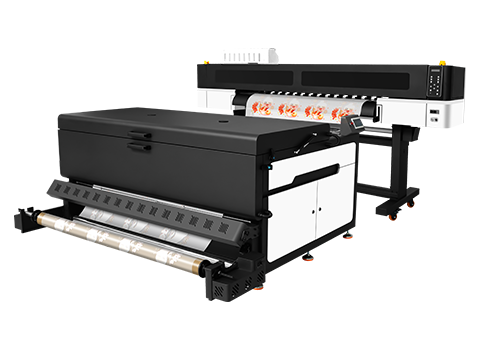
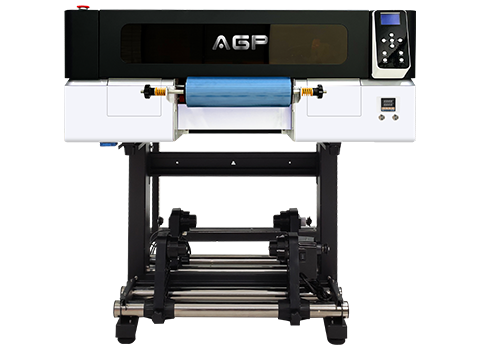
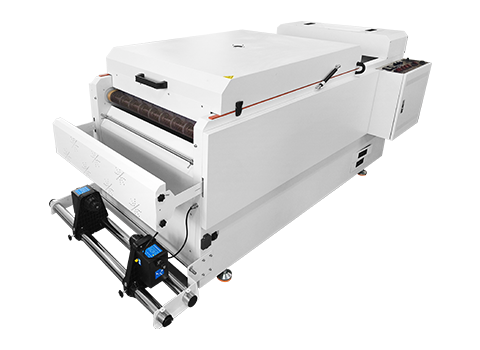
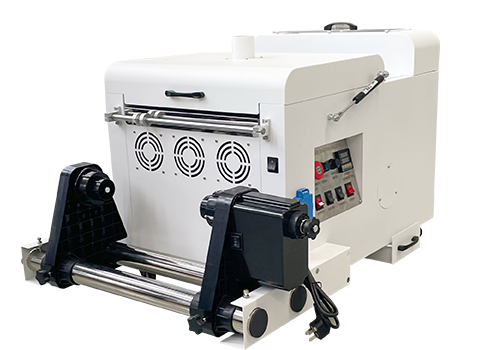
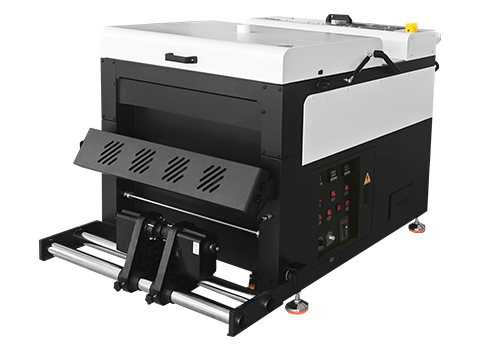
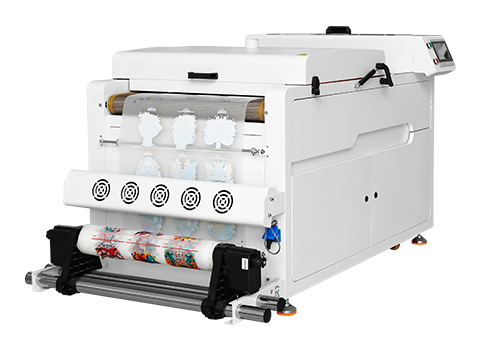
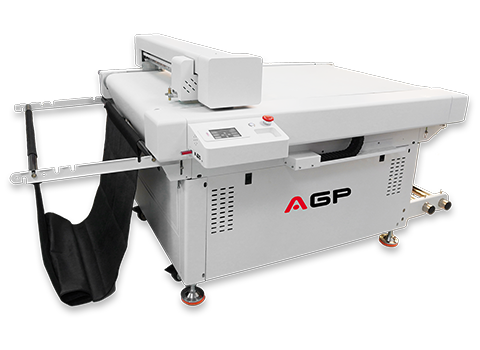
Struggling with discolored prints and dye migration? AGP DTF printers feature automated white ink circulation, precision temperature ovens, and high-opacity inks for vibrant results every time.
Get Free Sample Prints & Equipment Quote