

How Can You Customize Waterproof Sportswear and PU Leather Gear with High-Tack TPU DTF Transfers?
Looking to tap into the lucrative market of custom technical outerwear, waterproof sportswear, and leather gear? While standard heat transfers often peel or crack when applied to hydrophobic coatings and smooth synthetic leather, High-Tack TPU DTF transfers offer the ultimate game-changing solution. In this guide, we reveal how to overcome low surface tension, prevent scorching, and achieve permanent adhesion on hard-to-print materials.
Quick Summary: Customizing Technical Outerwear & Leather Gear
- The Profit Opportunity: High-end outdoor jackets, DWR-coated shells, sports duffel bags, and PU leather gear offer significantly higher profit margins than standard cotton T-shirts.
- The Technical Hurdle: Durable Water Repellent (DWR) silicone treatments repel standard glues, while PU leather scorches easily under high temperatures.
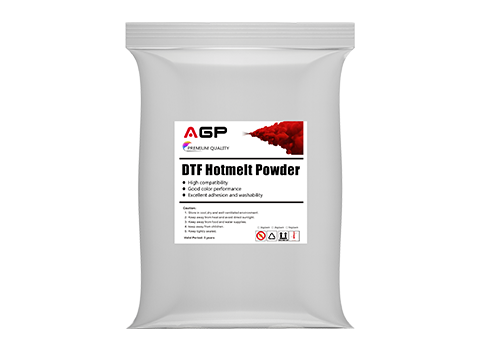
- The Solution: Combining high-elasticity TPU transfer films with High-Tack Low-Melting TPU Adhesive Powder allows strong chemical bonding at reduced press temperatures (120°C – 130°C / 248°F – 266°F).
Why Expand into Customized Waterproof Apparel & Leather Accessories?
Customizing standard promotional T-shirts is becoming increasingly competitive. However, print shops that offer custom branding on technical outerwear, rain jackets, ski wear, gym duffel bags, and PU leather goods can charge premium prices with far higher profit margins.
The main reason most print shops avoid these high-ticket items is the high failure rate when using traditional heat transfer vinyl (HTV) or standard DTF powders, which quickly peel off after rain exposure or washing. Mastering High-Tack TPU transfer technology gives your business a distinct competitive edge.
Technical Comparison: Standard DTF vs. High-Tack TPU DTF
| Application Substrate | Standard DTF Transfer | High-Tack TPU DTF Transfer |
|---|---|---|
| DWR Waterproof Shells / Rainwear | Fails (Peels off hydrophobic layer) | Permanent Chemical Bond (Wash-resistant) |
| Genuine & PU Leather Gear | High heat causes surface melting/scorching | Low-Temp Activation (Preserves Leather) |
| Tensile Elasticity & Memory | Standard Stretch | Ultra-High Elastic Stretch & Flex Recovery |
| Application Heat Range | 150°C – 160°C (302°F – 320°F) | 120°C – 130°C (248°F – 266°F) |
How to Print & Press on DWR-Coated Waterproof Sportswear
1. Surface De-greasing Pre-treatment
Waterproof jackets are treated with silicone oil emulsions to repel water. Before pressing, use a clean lint-free cloth lightly dampened with 70% Isopropyl Alcohol to gently wipe the print target area. This breaks down surface tension and allows the TPU adhesive to penetrate deeply.
2. Use High-Tack Low-Temperature TPU Powder
Standard coarse powders require high heat to melt completely. Switch to High-Tack Fine-Grain TPU Powder, which completely melts between 110°C and 120°C. This allows full adhesive flow at reduced heat press temperatures without shrinking technical nylon fibers.
3. Heat Press Protocol for Technical Outerwear
- Press Temperature: Set press to 125°C – 135°C (257°F – 275°F).
- Pressure & Dwell Time: Medium pressure for 12 seconds.
- Cooling: Always perform a 100% Complete Cold Peel. Never peel warm, as hydrophobic fabrics require full cooling to lock the resin bond.
How to Customize PU & Genuine Leather Goods Without Scorching
1. Heat-Dam Protection
Leather and synthetic PU materials are highly heat-sensitive. Exposure to temperatures above 140°C will leave an ugly permanent glossy press ring on the leather. Always cover the entire work area with a thick protective Teflon sheet or silicone pad.
2. The Low-Temp Press Strategy
- Press Temperature: Drop heat to 120°C (248°F).
- Dwell Time: Light to medium pressure for 8–10 seconds.
- No-Heat Alternative: For structured luxury leather bags, luggage, or belts where flat heat pressing is difficult, consider using **UV DTF TPU stickers**, which press permanently onto leather under firm cold pressure.
Frequently Asked Questions (FAQ)
Will high-tack TPU transfers crack when stretched on elastic sportswear?
No. Thermoplastic Polyurethane (TPU) is renowned for its exceptional elasticity and high tensile recovery. High-tack TPU prints stretch seamlessly along with Lycra, Spandex, and technical athletic fabrics without cracking, tearing, or loss of adhesion.
Is alcohol pre-wiping safe for all waterproof jacket fabrics?
Yes. A light wipe with 70% isopropyl alcohol evaporates almost instantly and removes superficial silicone oils without affecting the underlying fabric matrix or waterproof breathability of the garment.
Can customized TPU leather gear be washed?
TPU transfers themselves are 100% waterproof and scratch-resistant. However, because leather and PU materials require special care, we recommend hand-wiping or gentle cleaning rather than industrial machine washing.
Unlock New Revenue with AGP High-Tack TPU Solutions
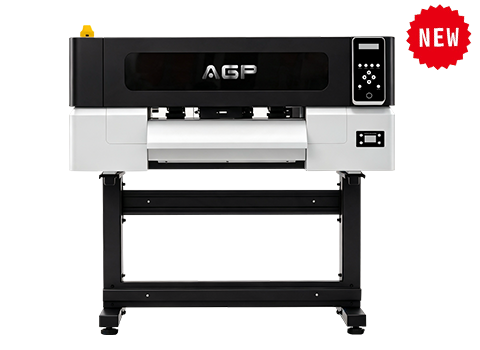
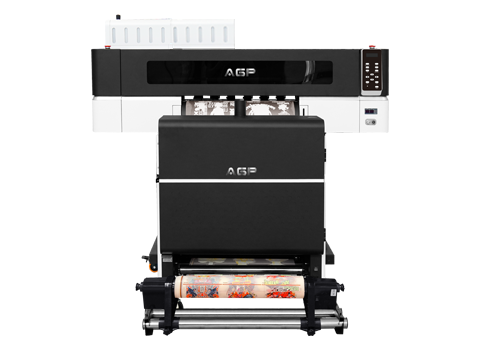
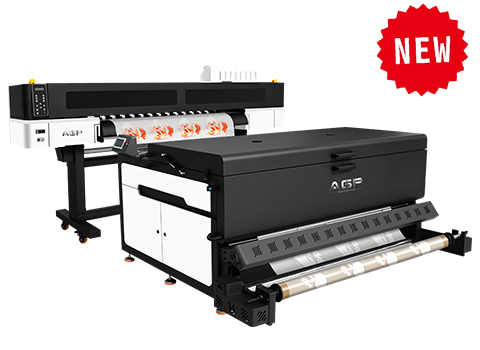
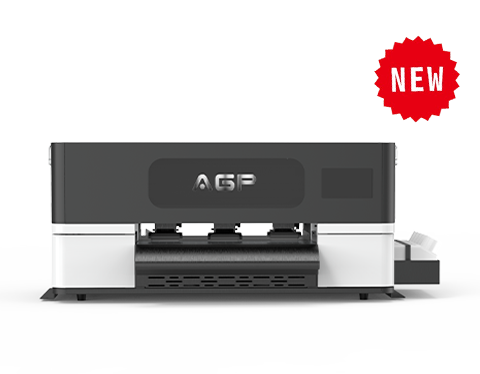
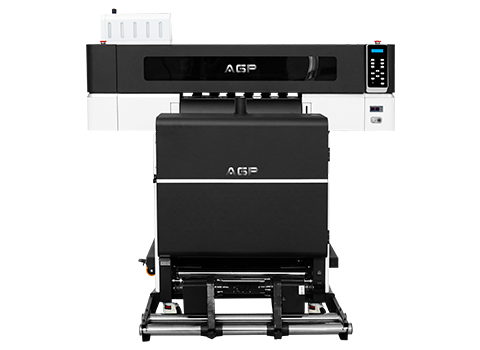
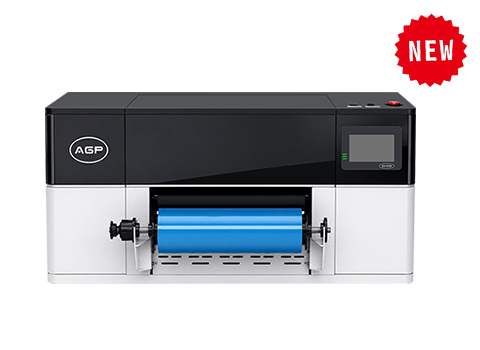
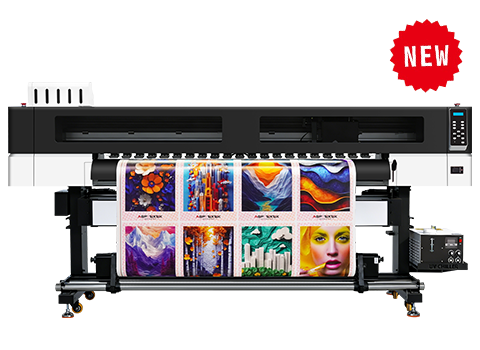
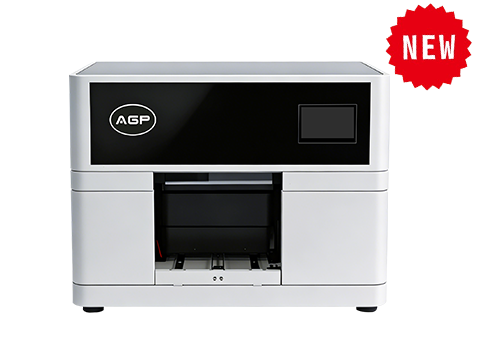
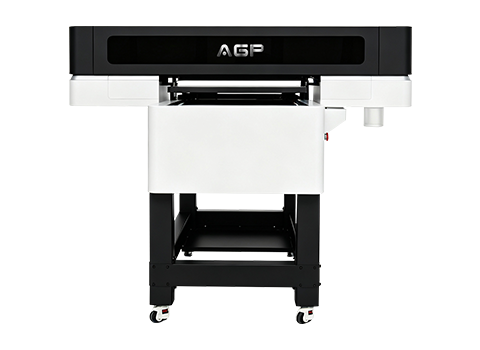
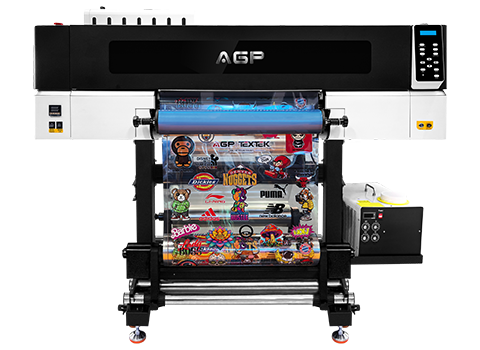
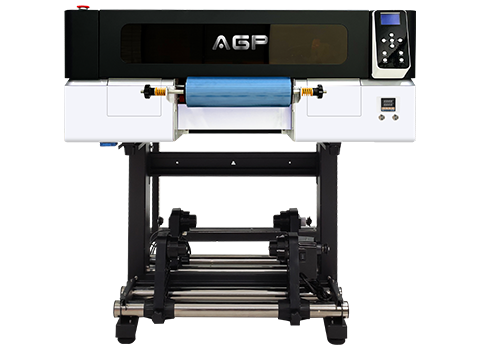
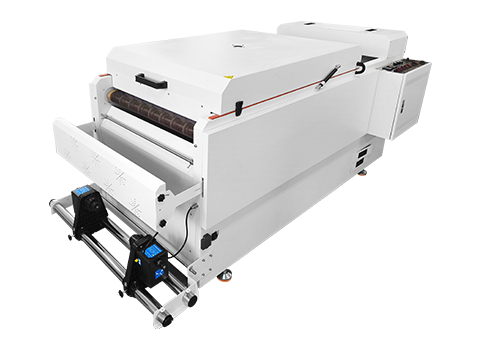
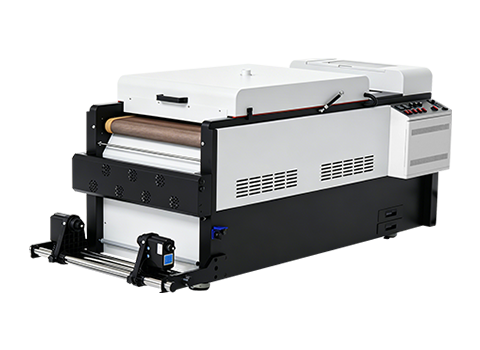
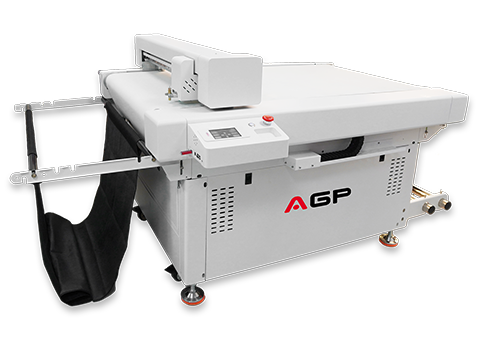
Take your custom apparel business beyond basic cotton T-shirts! Upgrade your print shop with AGP’s industrial DTF printers, specialized TPU films, and high-tack powders engineered for technical sportswear and leather customization.
Get a Free Sample & Technical Consultation