
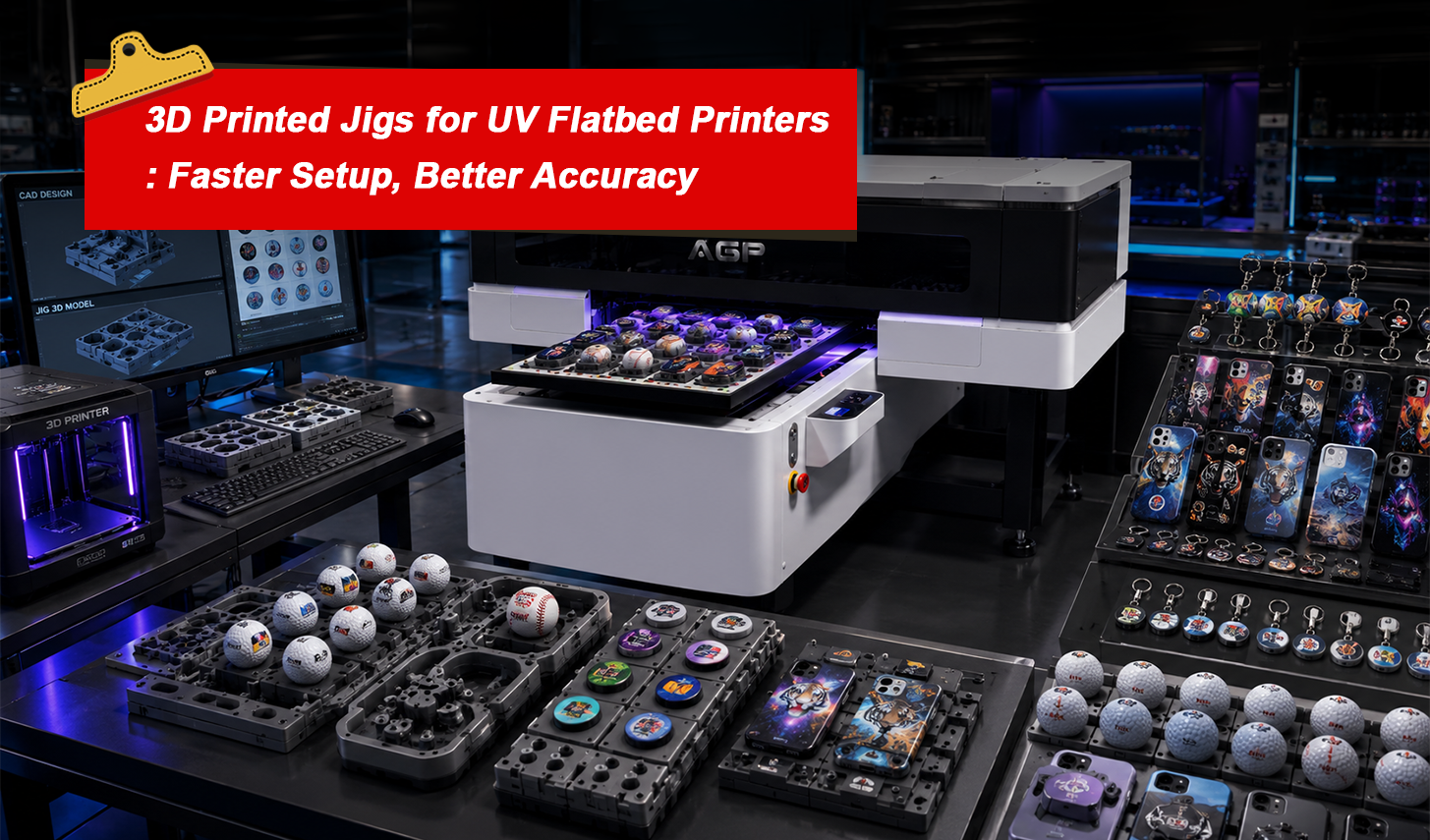
3D Printed Jigs for UV Flatbed Printers: Faster Setup, Better Accuracy
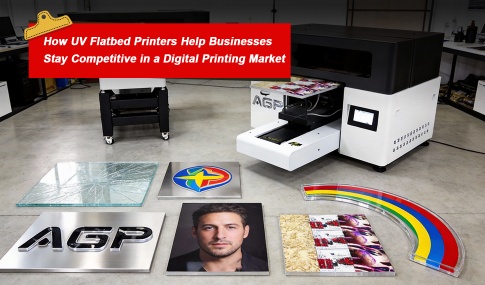
The modern UV flatbed printer has transformed the custom printing industry. From promotional products and industrial parts to personalized gifts and packaging, UV printing technology allows businesses to print directly onto an enormous variety of materials with exceptional color accuracy and durability.
However, while printing large flat substrates is relatively straightforward, many businesses encounter challenges when working with smaller, curved, or irregularly shaped products.
This is where 3D printed jigs for UV flatbed printers become a game-changing production solution.
By improving positioning accuracy, repeatability, and workflow efficiency, custom jigs allow print shops to significantly increase productivity while reducing setup time and production errors.
As customization demand continues to rise across industries, more businesses are integrating 3D printing technology into their UV flatbed printing workflows to unlock faster production speeds and greater profitability.
Why Positioning Accuracy Is Critical in UV Flatbed Printing
In professional UV flatbed printing, positioning accuracy directly affects print quality.
Unlike flat rigid panels that can easily be aligned on the print bed, smaller products often present multiple production challenges.
These products may include:
- Golf balls
- Baseballs
- Phone cases
- Pens
- Poker chips
- Promotional gifts
- Industrial parts
- Drinkware accessories
- Curved plastic products
Without a consistent positioning system, operators may experience:
- Misaligned graphics
- Inconsistent print placement
- Registration issues
- Uneven print heights
- Production slowdowns
- Material waste
For businesses producing high volumes of customized items, even small alignment inconsistencies can lead to expensive reprints and lost production time.
This is why professional print shops increasingly rely on custom UV printer jigs to maintain repeatable positioning accuracy.
The Growing Demand for 3D Printed Jigs in UV Printing
Traditional fixture systems for UV flatbed printers were often expensive, inflexible, or difficult to modify.
Today, 3D printed jigs provide a much more affordable and scalable alternative.
Using modern desktop 3D printers, businesses can rapidly create custom fixtures designed specifically for their products and workflows.
These fixtures help maintain:
- Consistent print height
- Accurate placement
- Stable positioning
- Faster product loading
- Better production repeatability
For many UV printing businesses, 3D printed jigs are now considered essential workflow tools rather than optional accessories.
Challenges of Printing Small or Irregular Products
Printing directly onto irregular objects requires precise orientation relative to the printhead.
The printable surface must remain properly aligned to ensure accurate ink placement and consistent image quality.
This becomes especially important when producing:
- Small promotional products
- Curved objects
- Dimensional products
- Multi-item production runs
- High-volume personalized products
Without a stable fixture system, operators often spend excessive time manually adjusting products before every print cycle.
This reduces production speed and increases the likelihood of positioning mistakes.
Custom 3D printed fixtures eliminate much of this inefficiency by locking products into repeatable positions.
Traditional Jig Manufacturing Methods
Historically, businesses produced UV printer jigs using:
- CNC routers
- Laser cutters
- Engraving systems
- Machined acrylic templates
- Custom fabricated fixtures
These methods can deliver excellent accuracy, but they also involve major disadvantages.
Commercial CNC equipment and laser systems are often expensive, requiring:
- Significant floor space
- Specialized training
- Higher maintenance costs
- Increased material waste
- Larger production investments
For smaller print shops, purchasing additional fabrication equipment simply to create jigs is often impractical.
This is one of the biggest reasons why 3D printed jig systems have become so popular within the UV flatbed printer industry.
Why 3D Printed Jigs Are More Cost-Effective
Modern 3D printing technology has become dramatically more affordable over the past decade.
High-quality desktop 3D printers now provide excellent precision while requiring minimal space and operational costs.
Compared with traditional manufacturing methods, 3D printed jigs for UV flatbed printers offer several advantages:
- Lower production cost
- Faster prototyping
- Easy design modifications
- Minimal material waste
- Compact equipment footprint
- Faster turnaround time
- Simplified customization
Businesses can quickly design and print custom fixtures without outsourcing production or waiting for third-party suppliers.
This flexibility allows shops to adapt rapidly to new customer requests and custom product opportunities.
Multi-Purpose Jig Design Increases Productivity
One of the biggest advantages of 3D printed UV printer jigs is design flexibility.
A single jig can often support multiple product types simultaneously.
For example, a fixture designed for golf balls may also include recessed areas for:
- Poker chips
- Bottle caps
- Keychains
- Small promotional discs
This allows operators to maximize bed usage while simplifying RIP software positioning.
Some businesses also use interchangeable spacing systems that allow the same fixture base to accommodate different product sizes.
This type of workflow optimization significantly improves production efficiency for high-volume custom printing businesses.
Faster Workflow and Reduced Setup Time
Every minute spent manually positioning products reduces overall profitability.
Custom 3D printed jigs help eliminate repetitive setup adjustments by ensuring products are automatically placed in the correct location.
This improves:
- Production speed
- Operator efficiency
- Workflow consistency
- Batch printing accuracy
- Job repeatability
For businesses producing hundreds or thousands of promotional products, these time savings quickly become substantial.
Faster setup also allows businesses to handle more short-run custom orders profitably.
How 3D Printed Jigs Improve UV Printing Quality
Positioning consistency directly impacts print quality.
Stable fixtures help maintain:
- Accurate image registration
- Consistent ink layering
- Better UV curing performance
- Sharper graphic detail
- More reliable color consistency
This becomes especially important for premium products that require highly detailed graphics or precise logo placement.
Businesses producing branded merchandise or industrial products often rely heavily on fixture accuracy to meet professional quality standards.
How AGP UV Flatbed Printers Support Custom Fixture Workflows
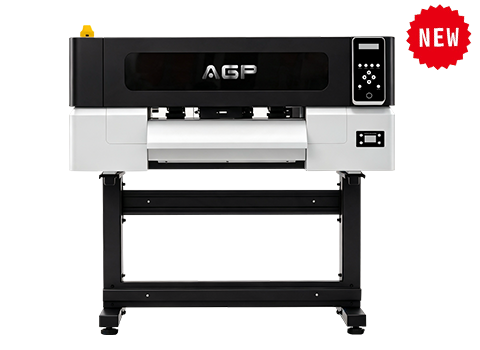
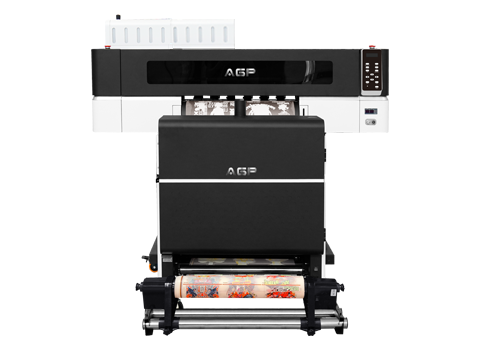
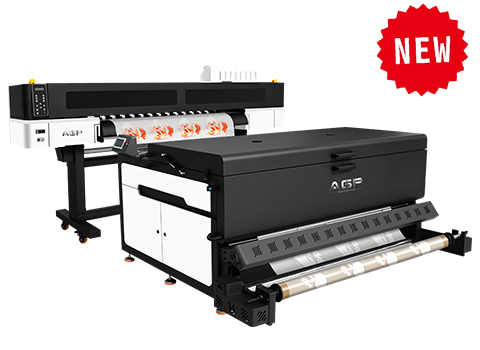
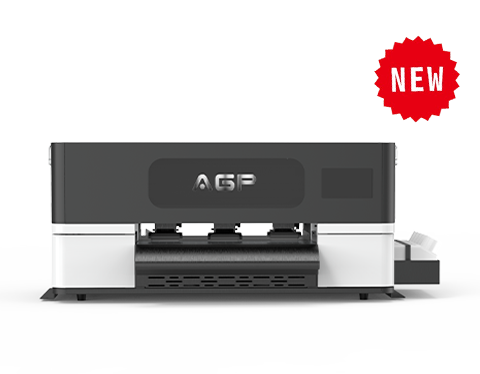
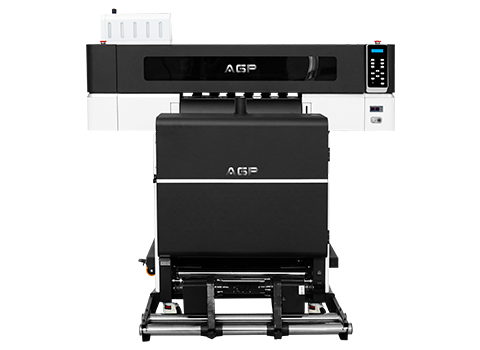
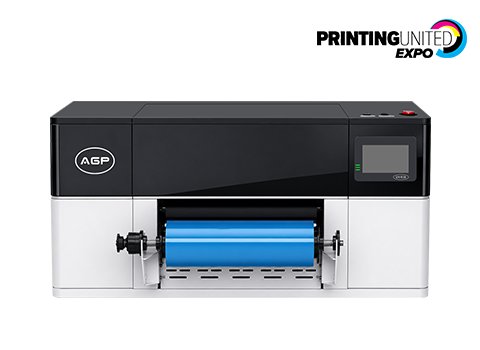
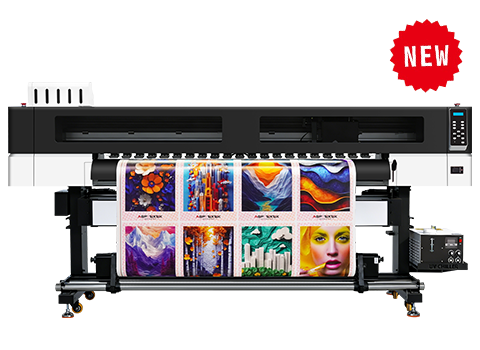
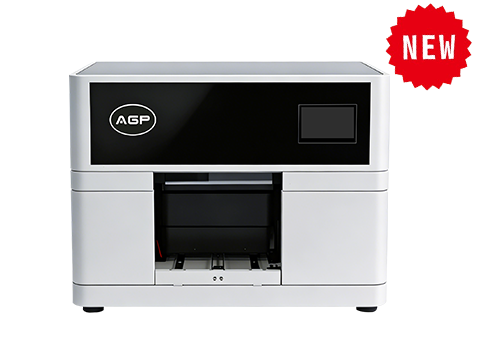
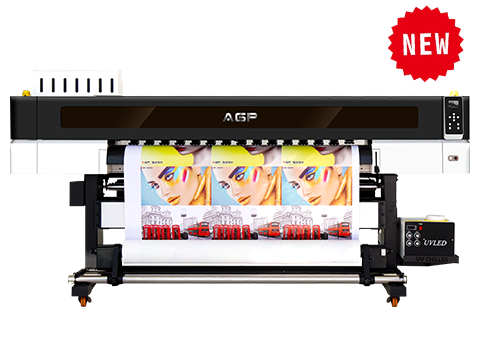
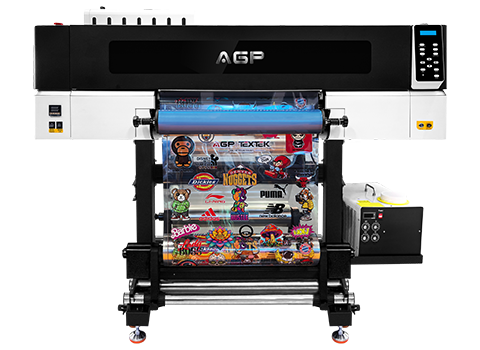
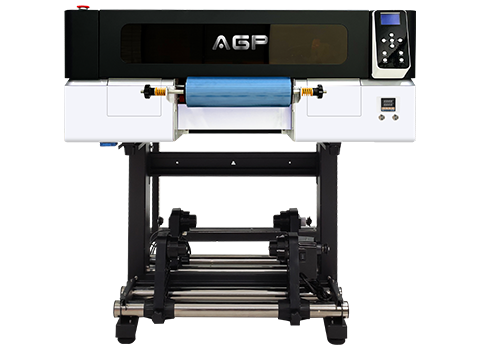
At AGP Official Website, modern UV flatbed printer systems are designed to support flexible production workflows across a wide range of applications.
Professional UV printing environments increasingly depend on:
- Custom jig systems
- RIP software alignment tools
- Precision positioning workflows
- Multi-product production setups
- Automated printing consistency
AGP UV flatbed printers help businesses improve production accuracy while maintaining excellent print quality on rigid and dimensional substrates.
Combined with 3D printed jigs, these systems allow businesses to expand into higher-value customization markets while increasing overall operational efficiency.
Expanding Business Opportunities with UV Flatbed Printing
The ability to create affordable custom fixtures opens entirely new business opportunities.
With proper jig systems, businesses can efficiently print:
- Promotional products
- Sports equipment
- Personalized gifts
- Industrial labels
- Consumer electronics accessories
- Corporate branding items
- Packaging components
- Small-batch customized products
This flexibility helps businesses diversify revenue streams while reducing dependence on traditional signage work alone.
As customization demand continues to grow, shops that combine UV flatbed printing technology with 3D printed production fixtures gain a significant competitive advantage.
Final Thoughts
The combination of 3D printed jigs and UV flatbed printers is reshaping modern custom product printing.
By improving positioning accuracy, reducing setup time, and increasing workflow efficiency, these fixtures allow businesses to scale production more effectively while maintaining professional print quality.
Compared with traditional jig manufacturing methods, 3D printing provides a faster, more affordable, and highly flexible solution for custom fixture production.
For businesses looking to maximize the capabilities of their UV flatbed printing equipment, investing in custom 3D printed jigs is no longer just a workflow upgrade — it is a strategic production advantage.