
UV DTF Stickers: How They Work, What They Cost, How Long They Last
UV DTF is a two-step process: print on a special film with UV-curable ink, laminate it with an adhesive layer, then press the finished transfer onto an object by hand — no heat, no press, no minimum order. That is what makes it different from every other decoration method: a UV flatbed needs a flat substrate, and a heat press needs heat resistance. UV DTF needs neither, which is why it owns the market for decorated bottles, mugs, helmets, pens and packaging that cannot be printed any other way.
The costs are equally distinct: per-unit cost is low, labour per unit is high, and durability is excellent on smooth surfaces and poor on textured ones. This guide covers the film, the process, the real limits and the machine choice.
Quick Action Plan: Where UV DTF Wins and Loses
- Wins: Curved and irregular objects, low volume per design, no heat tolerance required in the substrate, on-site or field application.
- Loses: High-volume mass production (hand application becomes the bottleneck), textured or oily surfaces, food-contact areas, or strict dishwasher cycles.
- Watch: The A/B film split. The two film types are not interchangeable, and mixing them up is the most common beginner failure.
What UV DTF Actually Is
| Step | What happens | Why it matters |
|---|---|---|
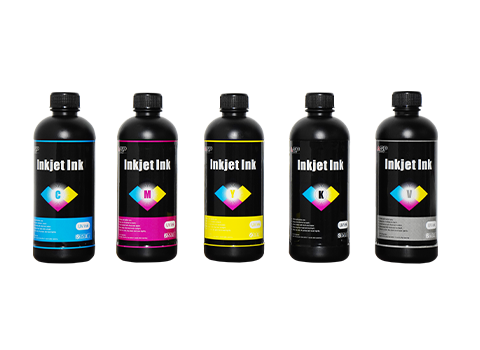
| 1. Print | UV-curable ink is printed onto Film A (the print film) — colour, white and a varnish layer. | White is essential: it makes the sticker opaque so the object colour does not show through. |
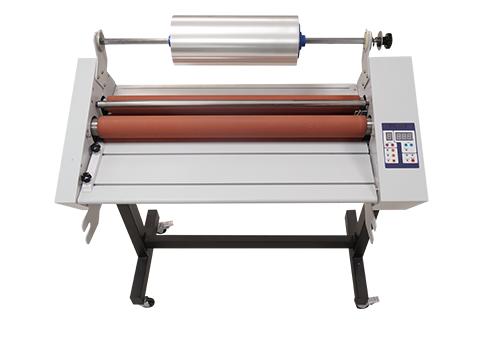
| 2. Laminate | Film B (the adhesive film) is laminated onto the wet print, usually with a roller laminator. | The adhesive is on Film B, not in the ink — which is why the two films must be paired. |
| 3. Cut | Hand-cut or plotter-cut to shape. | Small runs are cut by hand; volume runs need a cutter. |
| 4. Apply | Peel the backing, place on the object, press and rub, then peel Film A away. | The varnish layer is the release surface — this is why it cannot be skipped. |
The output is a flexible, weather-resistant sticker roughly 50–100 microns thick with a glossy, domed or matte finish depending on varnish.
How it differs from the three things people confuse it with:
- Versus UV flatbed: A flatbed prints directly onto an object sitting flat. UV DTF prints onto film and transfers, so it reaches curved surfaces the flatbed cannot. Flatbed is faster per unit at volume; UV DTF reaches shapes flatbed cannot touch.
- Versus vinyl cutting: A cut vinyl sticker is a coloured plastic film. UV DTF is a printed ink film, so it does full-colour photographic images and short runs with no weeding.
- Versus DTF (textile): DTF uses hot-melt powder and a heat press, and is for fabric. UV DTF uses a UV varnish and hand pressure, and is for hard surfaces. The consumables are not interchangeable.
Film Types: A, B and What Goes Wrong
| Film | Role | What to check |
|---|---|---|
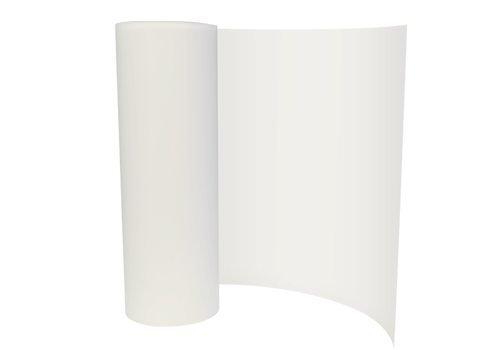
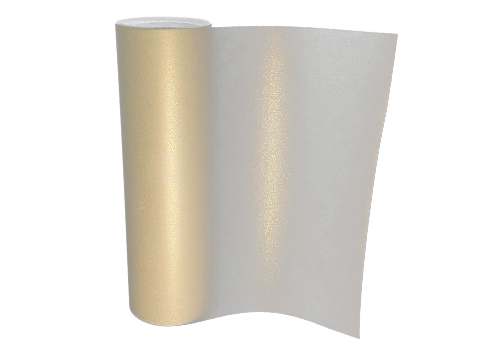
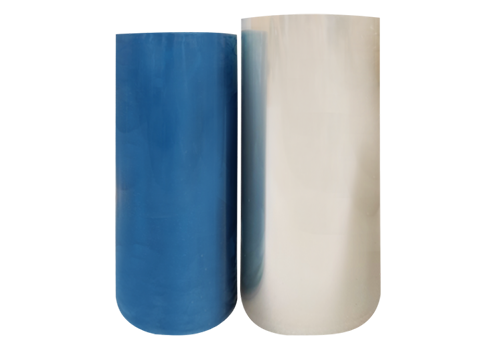
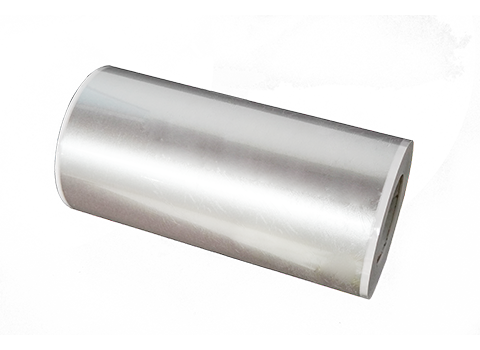
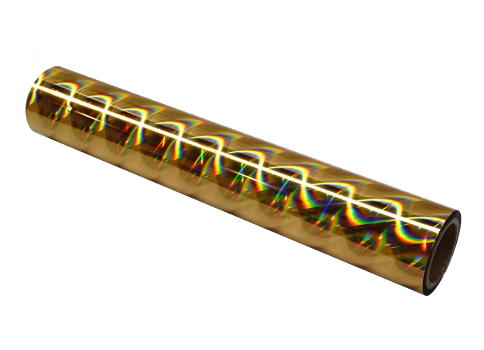
| Film A (Print Film) | Receives the ink; carries the release characteristic | Ink absorption and release consistency — cheap film gives patchy transfer |
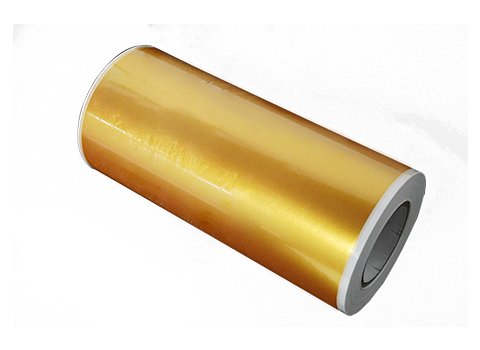
| Film B (Adhesive Film) | Supplies the adhesive and the protective top layer | Adhesion to the target surface; UV-resistance of the glue |
The three failure modes, in order of frequency:
- Wrong A/B pairing: Films are formulated as a system. Mixing Film A from one supplier with Film B from another usually "works" in testing and fails in the field, because the release and adhesion are designed together.
- Applying before the ink is fully cured: The print looks dry, the varnish is still soft, and the transfer tears or clouds. Give it the full cure time — usually minutes, not seconds.
- Applying to a contaminated surface: Fingerprints, mould release agent, silicone polish. Wipe with IPA and let it flash off.
Durability: What the Numbers Actually Mean
| Condition | Realistic performance | Limit |
|---|---|---|
| Indoor, handled occasionally | 2–4 years | Surface wear at high-touch points |
| Outdoor, vertical, sheltered | 1–3 years | UV fading of colour; varnish yellowing |
| Hand washing | Good | Repeated abrasion dulls gloss |
| Dishwasher | Conditional | Survives 10–30 cycles on smooth glass or ceramic; fails fast on textured or painted surfaces |
| Freezer / condensation | Good | Edge lift if applied to damp surfaces |
| Repeated flexing | Poor | Cracks at creases on curved or squeeze points |
On the dishwasher question specifically: UV DTF stickers can survive dishwasher cycles, but the number of cycles depends far more on the substrate than on the sticker. Smooth glazed ceramic and glass hold well; textured, matte, painted or 3D-printed surfaces fail quickly. If a customer's requirement is "must survive 100 dishwasher cycles", UV DTF is the wrong answer and they need ceramic decoration or sublimation. Full test conditions are in our dishwasher durability guide.
The Machine Side: Three Formats
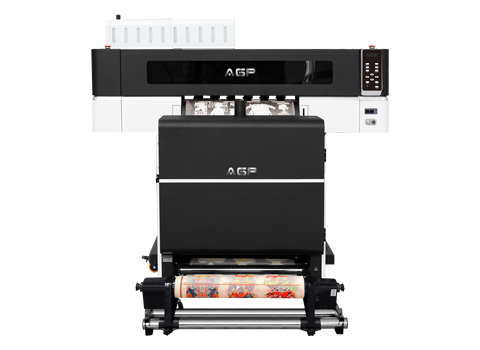
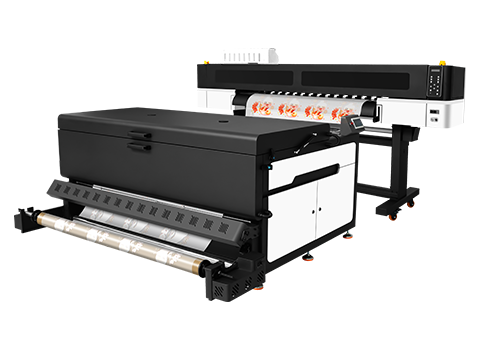
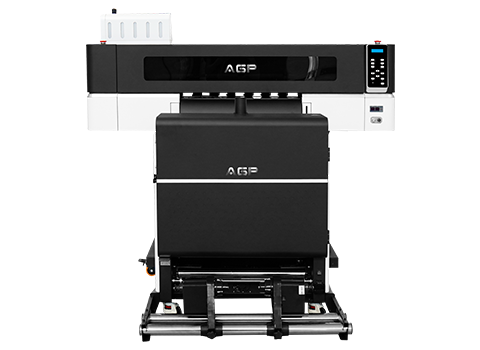
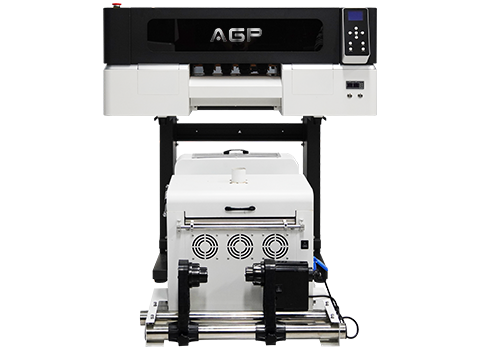
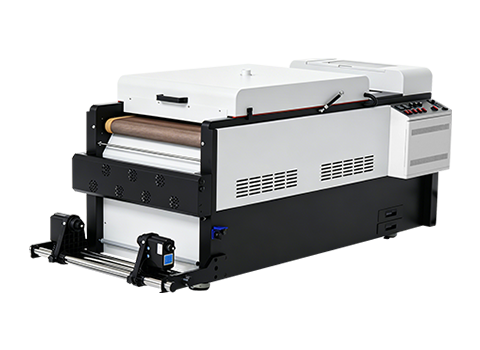
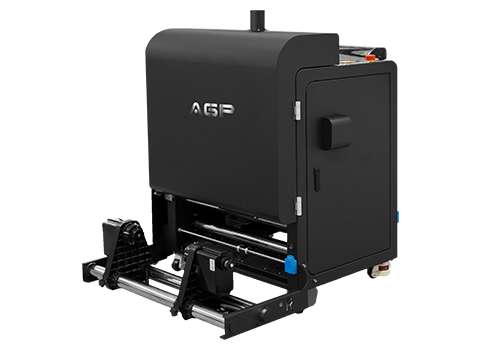
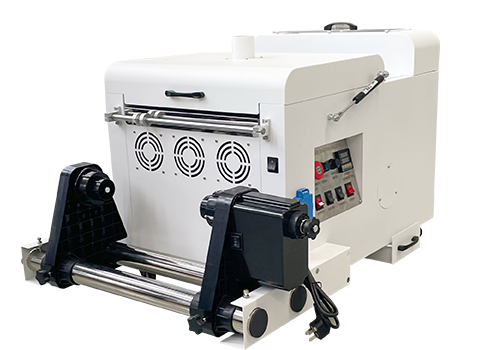
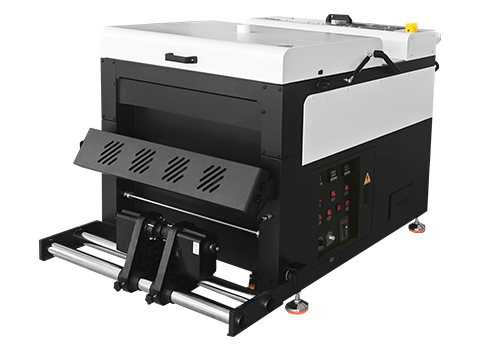
Selecting a suitable UV DTF printer setup depends mainly on format width and head count.
| Format | Output | Best for |
|---|---|---|
| 300–360mm single head | Small stickers, cup wraps, samples | Startups, gift shops, field application |
| 300mm triple head | 2–3× the throughput | Small production, Etsy-scale volume |
| 600mm multi-head | Gang sheets, sheet layouts | Production shops, packaging decoration |
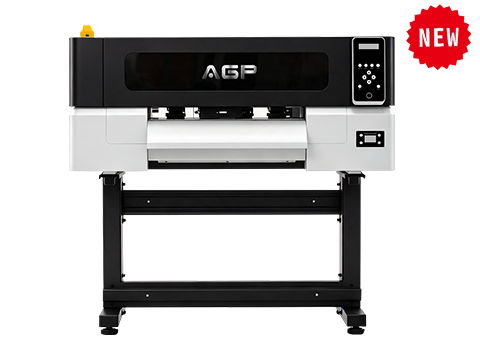
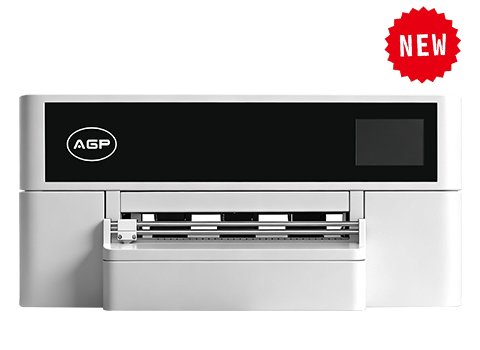
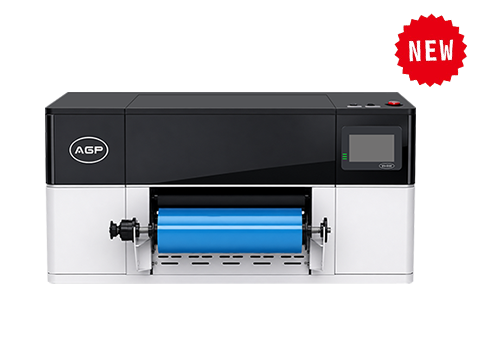
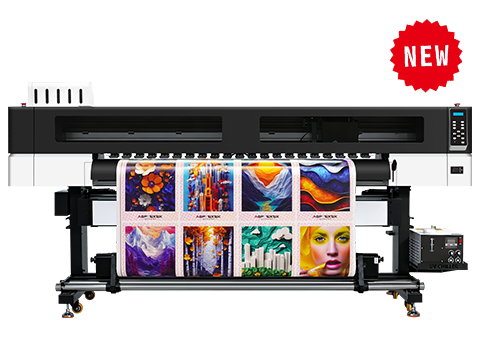
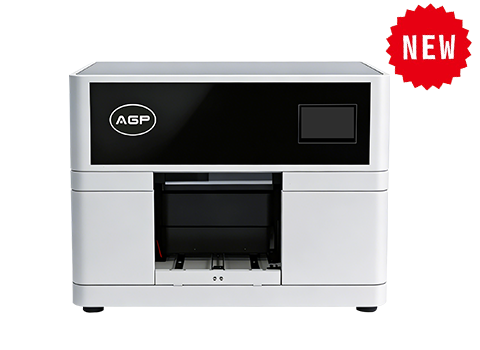
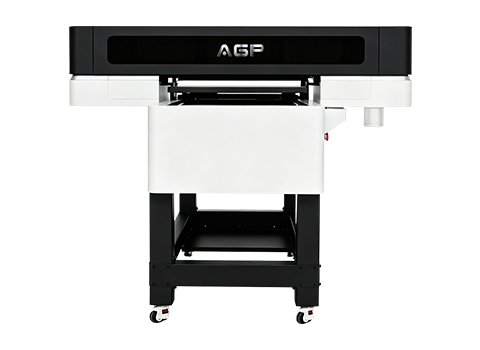
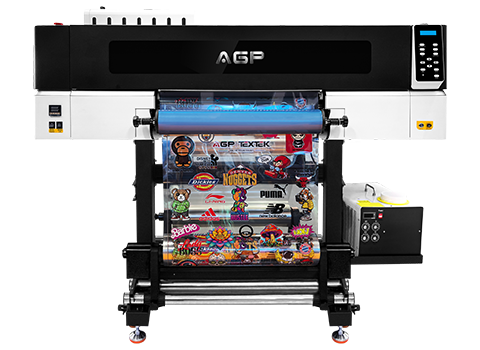
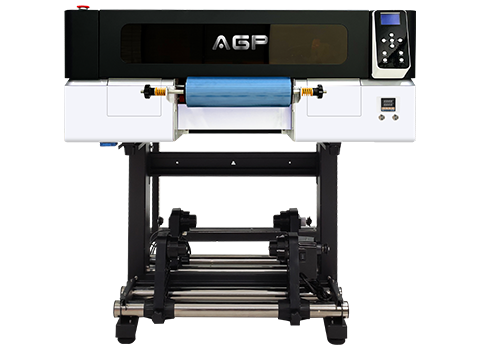
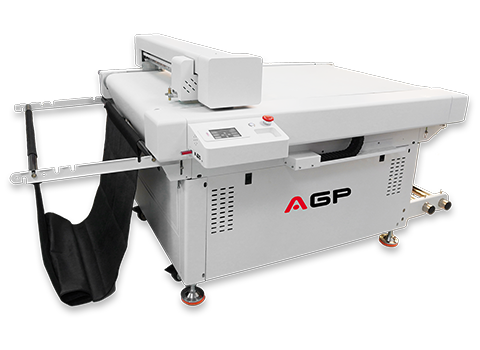
AGP builds the UV-D30 (360mm, single i3200-U1 HD), UV-S30 (300mm, triple i1600-U1) and UV-S604 (600mm, 3–4 heads). The 360mm single-head is the entry point; the 600mm frame is where per-unit cost drops enough to compete at volume.
The calculation that matters: UV DTF has low material cost and high labour cost per unit. A cup wrap uses cents of ink and film but can take three minutes to apply. At volume, your constraint is not the UV DTF printer — it is the person applying stickers. Price your product on labour time, not material cost, or the margin disappears as volume grows.
What UV DTF Cannot Do
- Textured surfaces — Powder-coated, matte, sandblasted, 3D-printed. The adhesive needs contact area; texture removes it.
- Surfaces that flex repeatedly — The film is flexible but the ink film is not, and it cracks at creases.
- Food contact areas — The ink and adhesive are not food-safe formulations. Decorating the outside of a cup is fine; the rim and interior are not.
- Very high temperature exposure — Sustained heat above roughly 80°C softens the adhesive.
- Curved surfaces with tight radius — A sharp compound curve wrinkles the film; below about 10mm radius expect trouble.
Frequently Asked Questions (FAQ)
What does UV DTF stand for, and how is it different from UV printing?
UV DTF is ultraviolet-cured direct-to-film: the print is made on a transfer film and applied by hand, not printed directly onto the object. "UV printing" usually means a UV flatbed printing directly on a flat substrate. The ink chemistry is related; the application method and the equipment are entirely different.
Do UV DTF stickers need heat to apply?
No. Application is by hand pressure — place, rub, peel. This is the whole advantage: you can decorate heat-sensitive objects like plastic bottles, candles and electronics housings that a heat press would destroy.
How long do UV DTF stickers last?
Two to four years indoors, one to three years outdoors on a vertical sheltered surface. The limiting factor is usually UV fading of the colour and abrasion at high-touch points, not adhesive failure.
Can UV DTF stickers go in a dishwasher?
Sometimes. Smooth glazed ceramic and glass can survive 10–30 cycles; textured, painted or matte surfaces fail much sooner. It is a conditional yes that depends on the substrate, and any supplier promising 100+ cycles unconditionally is overselling.
How much does a UV DTF printer cost?
A 300–360mm single-head machine covers small stickers, cup wraps and samples; a triple-head 300mm roughly doubles throughput; a 600mm production frame runs gang sheets and packaging layouts. Add film, ink and varnish starter stock plus a laminator to whatever you plan for the printer.
Can I apply UV DTF to fabric?
No. UV DTF is for hard surfaces. Fabric transfers need textile DTF with hot-melt powder and a heat press — a different process, different consumables, different machine.
Print a Sample on Your Own Object
Send us the object you want to decorate — a bottle, a helmet, the exact coated surface — and we will send back a finished UV DTF sample applied to it, so you can test durability yourself before investing in a machine.
Request a UV DTF Sample on Your Product