
Is DTF Printing Worth It? A Complete Investment Guide for Apparel Businesses
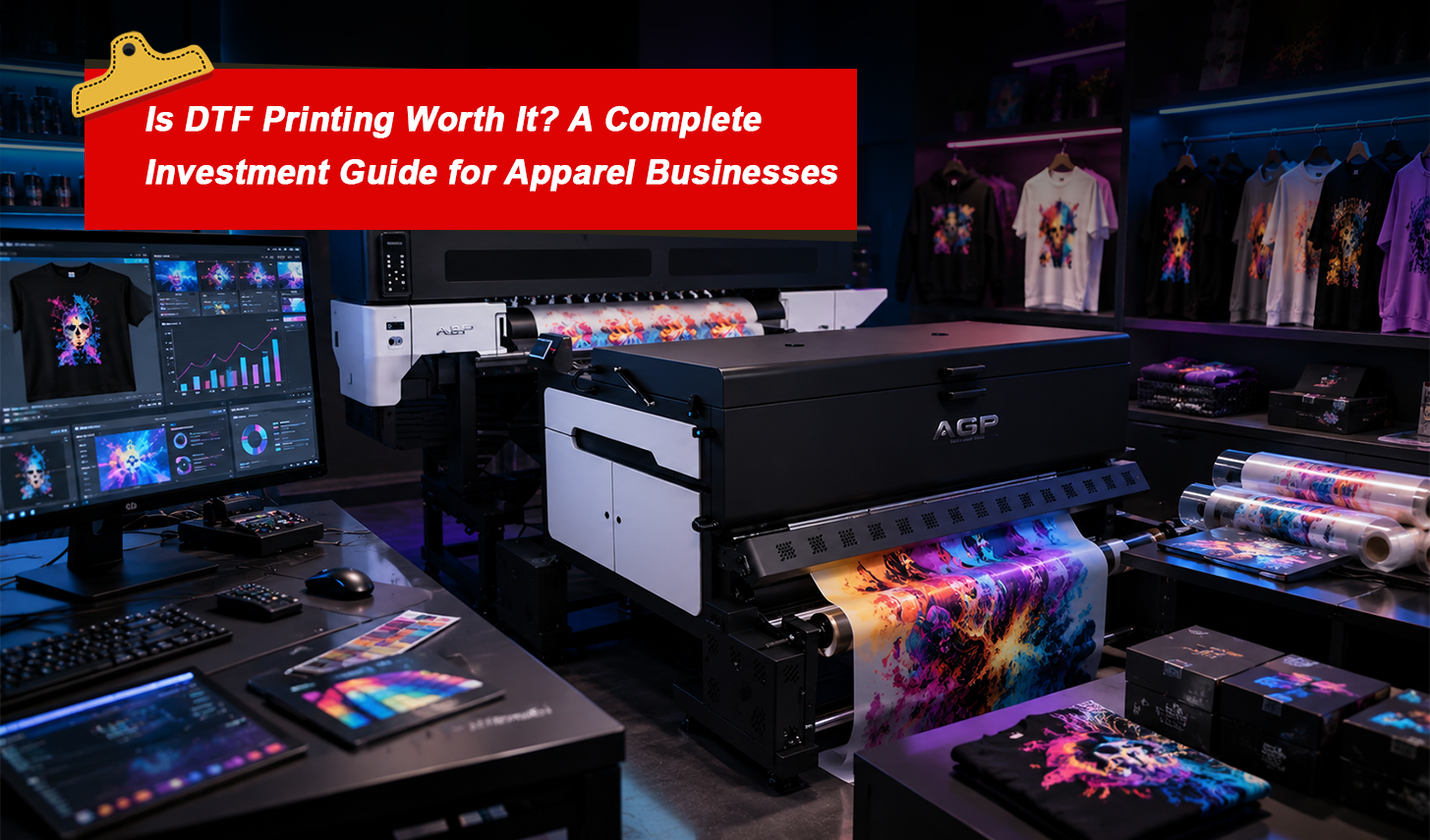
The custom apparel industry is evolving faster than ever. Brands, print shops, clothing startups, and promotional businesses are all searching for faster production methods, lower setup costs, and more flexible decoration solutions. As a result, DTF printing has quickly become one of the hottest technologies in the garment decoration market.
But despite the growing popularity of DTF printers, many business owners are still asking the same question:
Is DTF printing actually worth the investment?
The answer depends less on the machine itself and more on how your business operates, the type of orders you handle, and the production challenges you face every day.
For many apparel decorators, production is rarely consistent. Some jobs are simple, like names, numbers, and small logos. Others involve complex graphics, gradients, multi-color artwork, or short-run customization that traditional printing methods struggle to handle efficiently.
That is exactly where direct-to-film printing delivers its biggest advantages.
Rather than replacing every existing workflow, DTF transfer printing helps fill the production gaps that slow businesses down. It provides flexibility, speed, and scalability while reducing many of the limitations associated with screen printing, vinyl cutting, and traditional transfer methods.
The real question is not whether DTF printing works.
The real question is whether it makes financial sense for your business.
Why DTF Printing Has Become So Popular
The demand for personalized apparel continues to grow globally. Consumers now expect faster turnaround times, full-color graphics, and customized garments without large minimum order quantities.
Traditional printing methods often struggle with these expectations.
Screen printing remains excellent for large-volume production, but setup time and screen preparation can make small orders less profitable. Vinyl printing is suitable for simple graphics but becomes time-consuming for complex multi-color artwork.
This is why businesses are rapidly adopting DTF printing technology.
A modern DTF printer allows businesses to produce:
- Full-color transfers
- Photographic graphics
- Small-batch custom apparel
- Complex gradients
- Soft-feel prints
- Stretchable transfers
- On-demand production
More importantly, DTF printing works across multiple fabric types, including:
- Cotton
- Polyester
- Blends
- Canvas
- Performance fabrics
This flexibility alone makes DTF transfer printing extremely attractive for modern apparel businesses.
What “Worth the Investment” Really Means
When businesses ask whether a DTF printing business is worth the investment, they are really asking one thing:
Will this equipment generate profit over time?
A machine is not valuable simply because it is affordable. Likewise, expensive equipment is not automatically a bad investment.
In professional garment printing, true value comes from long-term operational benefits.
A successful DTF printing setup should help businesses:
- Increase production speed
- Reduce labor costs
- Minimize printing mistakes
- Improve print consistency
- Expand product offerings
- Increase order volume
- Generate higher profit margins
One of the most important factors is workflow efficiency.
If your current production process involves long setup times, complicated color separations, or outsourcing transfers, then DTF can significantly simplify operations.
Another important factor is production flexibility.
Because DTF transfer printers require minimal setup compared to screen printing, businesses can profitably handle small custom orders that would otherwise be inefficient.
That flexibility often becomes one of the biggest drivers of ROI.
The Real Cost of Starting a DTF Printing Business
Before investing in DTF printing equipment, it is important to understand both the initial and ongoing costs.
Equipment Costs
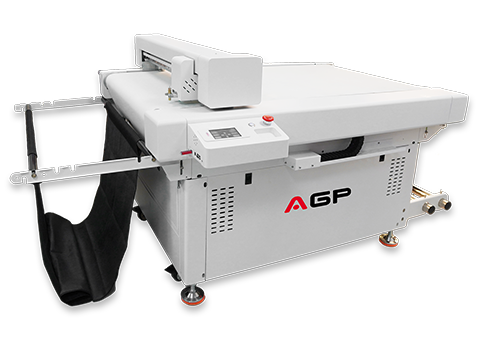
At minimum, a professional DTF workflow requires:
- DTF printer
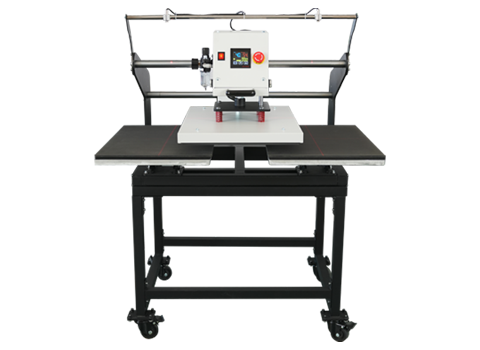
- Heat press machine
- RIP software
- Computer workstation
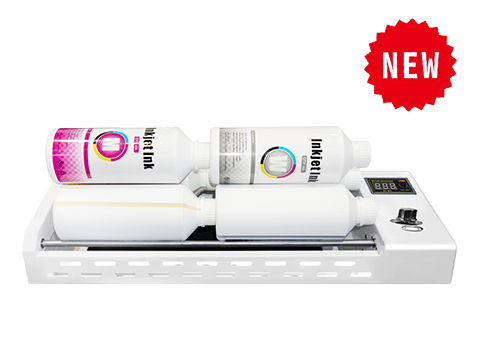
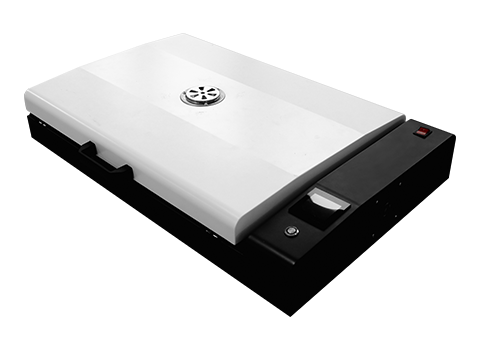
- Powder shaker or curing solution
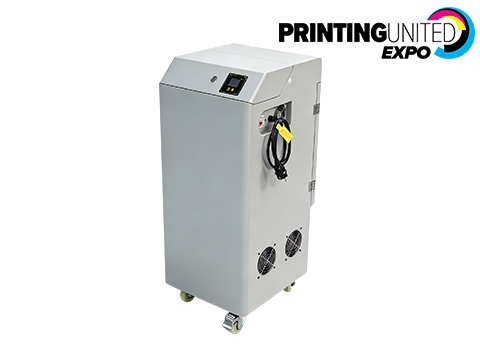
Higher-end systems may also include automated powder shakers, air purification systems, and industrial production equipment.
Workspace Requirements
DTF printing requires a clean and organized production environment.
Businesses should consider:
- Ventilation
- Workspace layout
- Humidity control
- Material storage
- Production workflow efficiency
A well-organized workspace helps improve consistency and reduce contamination issues.
Consumable Costs
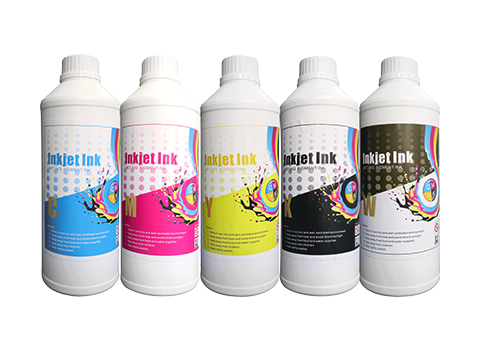
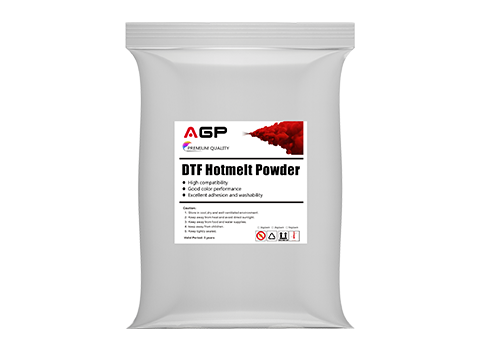
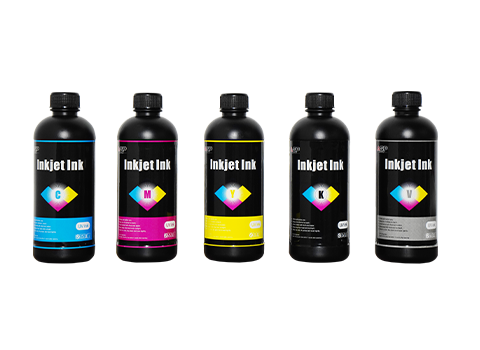
Running a DTF printing business involves recurring consumable expenses, including:
These materials directly affect transfer quality and long-term printer performance.
Labor and Learning Curve
Like any professional printing technology, DTF requires training and experience.
New operators often spend time learning:
- RIP software settings
- Color management
- Heat press techniques
- Ink curing behavior
- Film compatibility
- White ink control
Fortunately, most businesses become comfortable with production relatively quickly once the workflow is standardized.
Where DTF Printing Delivers ROI
The reason many businesses switch to DTF transfer printing is simple: efficiency.
DTF improves profitability in several major areas.
Faster Production and Turnaround Times
One of the biggest advantages of DTF is speed.
Unlike screen printing, there is:
- No screen setup
- No lengthy color separations
- No emulsion preparation
- Minimal pre-production labor
Businesses can move from digital artwork to finished garment much faster.
This speed allows print shops to handle more daily orders while improving turnaround time for customers.
Profitable Small Orders
Traditional printing methods often require large order quantities to remain profitable.
DTF changes that completely.
Because setup time is minimal, businesses can easily produce:
- One-off orders
- Personalized apparel
- Small business merchandise
- Event shirts
- Short-run fashion collections
This opens entirely new revenue opportunities.
Reduced Waste and Fewer Mistakes
Once properly calibrated, DTF printing systems produce highly consistent results.
This consistency reduces:
- Reprints
- Material waste
- Color inconsistencies
- Production delays
Reliable production creates more predictable operating costs and smoother workflows.
Greater Product Flexibility
Modern DTF transfer technology works on a wide range of garments and materials.
This allows businesses to expand beyond standard t-shirts into:
- Hoodies
- Sportswear
- Tote bags
- Hats
- Workwear
- Fashion apparel
The ability to accept more job types naturally increases business opportunities.
Pricing Power and Higher Margins
One of the most overlooked benefits of DTF printing is perceived value.
Customers are willing to pay more for apparel that features:
- Vibrant colors
- Smooth gradients
- Premium finishes
- Soft-touch transfers
- High-detail graphics
DTF makes these premium effects easier to produce without dramatically increasing labor.
That means businesses can often charge higher prices while maintaining strong profit margins.
For fashion brands and premium apparel businesses, this pricing power becomes extremely valuable.
In-House DTF Printing vs Outsourcing Transfers
Many businesses begin by outsourcing DTF transfers from suppliers.
This is often the easiest starting point because it eliminates upfront equipment costs.
However, outsourcing also creates limitations:
- Less quality control
- Slower turnaround times
- Supplier dependency
- Higher long-term transfer costs
As order volume increases, many businesses eventually move toward in-house production.
Owning a DTF printer setup provides:
- Full production control
- Faster delivery
- Better consistency
- Lower long-term production costs
In-house production also improves flexibility when handling urgent or customized orders.
Common Risks of DTF Printing and How to Reduce Them
Every printing technology comes with challenges.
Common DTF risks include:
- Printhead clogs
- Incorrect curing
- Poor powder application
- Film storage problems
- Color inconsistency
- Environmental humidity issues
Fortunately, most of these risks can be managed through:
- Routine maintenance
- Proper workspace conditions
- Quality consumables
- Staff training
- Workflow standardization
Businesses that approach DTF professionally usually overcome these issues quickly.
Why AGP Helps Businesses Succeed with DTF Printing
At AGP Official Website, the focus is not only on selling equipment but also on helping businesses build reliable production workflows.
Professional DTF printing success depends on:
- Technical support
- Workflow optimization
- Color management
- RIP software setup
- Maintenance guidance
- Production training
AGP provides comprehensive support to help businesses improve print quality, reduce downtime, and maximize production efficiency.
Whether you are starting a small apparel brand or scaling a commercial print shop, having the right support partner can dramatically reduce the learning curve.
Final Thoughts
So, is DTF printing worth the investment?
For many apparel decorators, print shops, and clothing brands, the answer is yes — especially when flexibility, speed, customization, and production efficiency are important.
DTF printing allows businesses to:
- Produce high-quality custom apparel
- Handle short-run orders profitably
- Improve turnaround times
- Expand into new markets
- Increase perceived product value
- Reduce workflow bottlenecks
Like any production technology, success depends on proper planning, training, and workflow management.
But for businesses looking to grow in today’s highly personalized apparel market, investing in a professional DTF printing system can become one of the most valuable long-term decisions they make.