
How to Select the Right DTF Printer by Business Scale and Production Needs
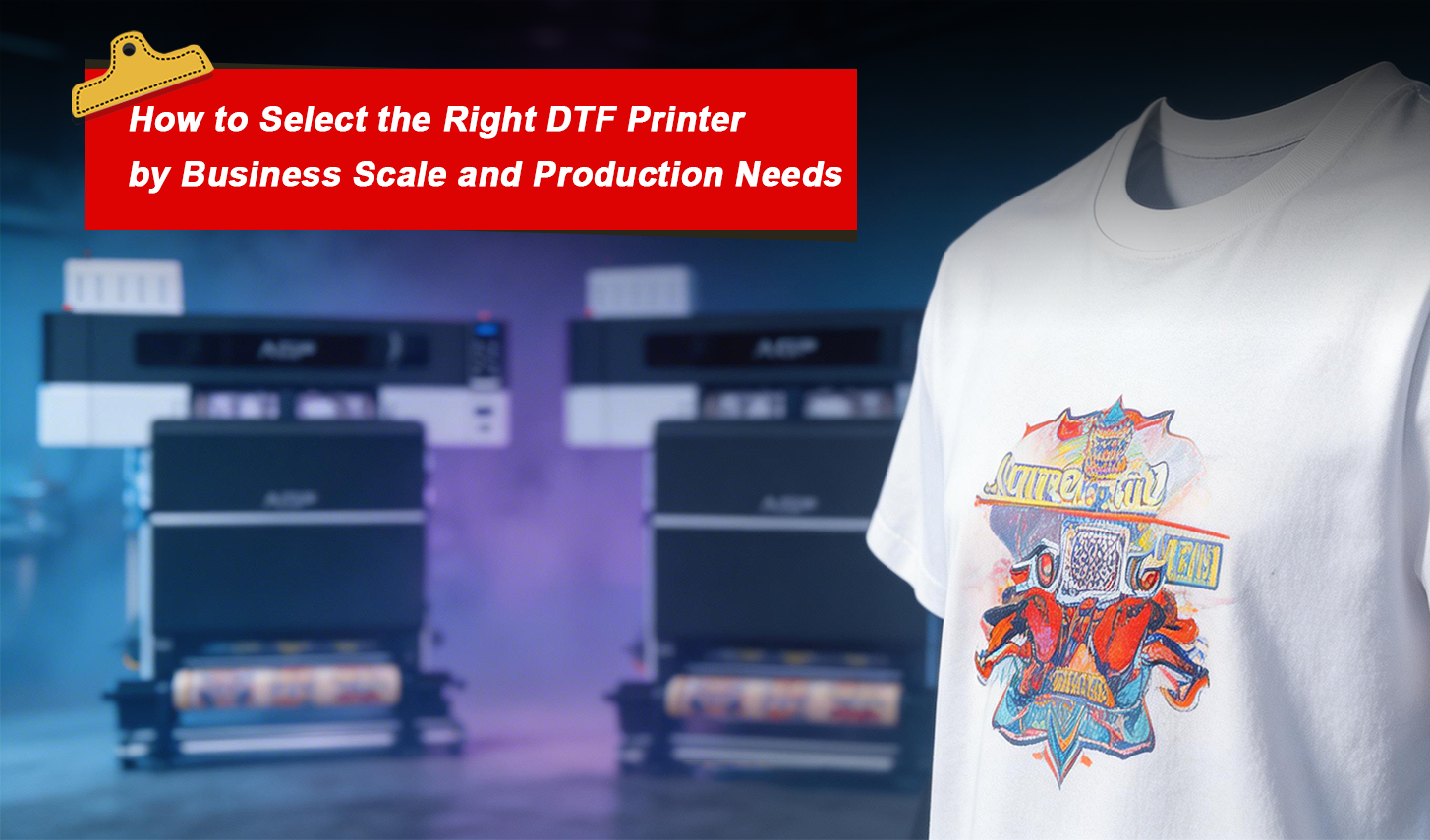
The global apparel customization market is entering a new stage of rapid growth. From personalized fashion brands and on-demand production platforms to industrial garment manufacturers, the demand for flexible and high-quality digital printing solutions is stronger than ever.
Among all emerging digital garment printing technologies, the DTF printer has quickly become one of the most competitive production tools for apparel decoration.
Compared with traditional screen printing and DTG printing, DTF printing delivers stronger material adaptability, lower production limitations, and a more flexible workflow. However, choosing the right DTF printer is not a simple decision. Different business models require completely different configurations, productivity levels, and operational strategies.
This guide focuses on one practical question:
How should you choose the best DTF printer according to your real business scenario?
What Is DTF Printing and Why It Matters for Apparel Businesses
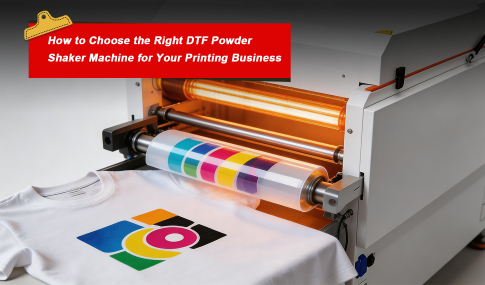
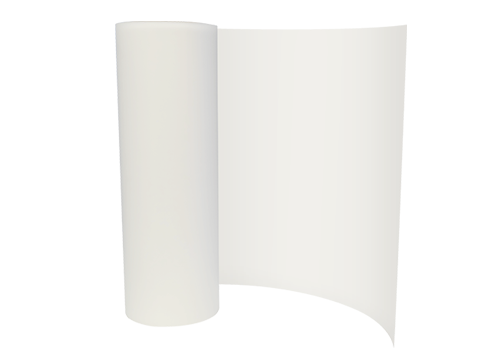
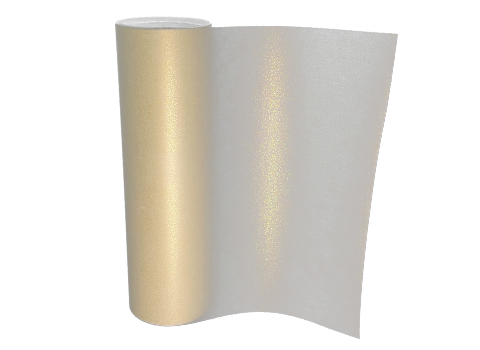
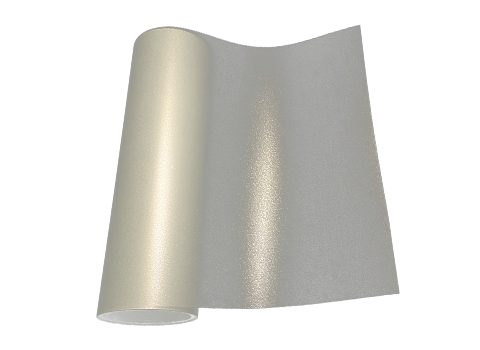
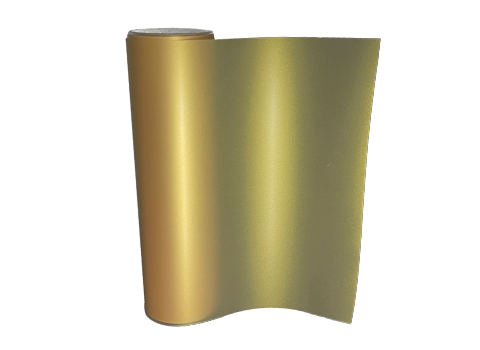
DTF printing, also known as Direct to Film printing, is a digital printing process in which a DTF printer prints the graphic design onto a special DTF transfer film. The printed image is then transferred onto fabric using a heat press.
Unlike DTG printers that require pre-treatment and are limited by fabric composition and color, DTF printers provide far wider material compatibility and production flexibility.
From a commercial point of view, DTF printing technology solves three long-standing challenges in garment decoration:
First, it enables consistent and vivid color output on cotton, polyester, blends, nylon and functional fabrics.
Second, it allows printing on both light and dark garments without changing the workflow.
Third, it significantly lowers the entry barrier for customized apparel production.
For modern apparel businesses, a professional DTF printer is no longer just a machine. It becomes a core production asset that directly impacts delivery speed, print quality stability, operating cost, and business scalability.
How to Choose a DTF Printer Based on Different Business Scenarios
Before looking at specifications or brands, the most important step is to clarify your own business scenario.
A startup workshop, a growing custom printing shop and an industrial apparel factory operate in completely different ways. Their daily order volume, production rhythm, staffing structure and profit model are not the same.
Therefore, the best DTF printer is not defined by its size or price, but by how accurately it matches your real production environment.
DTF Printer for Small Businesses and Start-Ups
For small printing studios, online sellers and newly established apparel brands, the main objective is usually fast market entry with limited investment risk.
In this stage, you need a compact and easy-to-operate DTF printer that can deliver stable print quality without complicated maintenance.
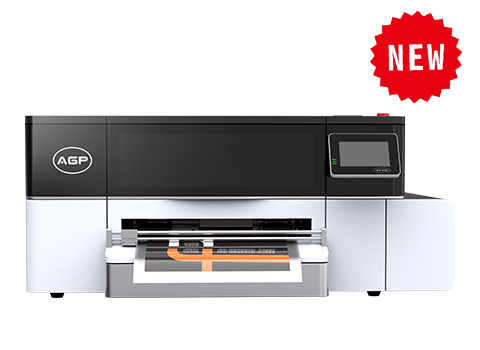
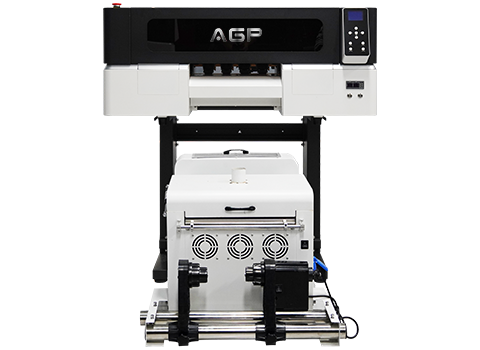
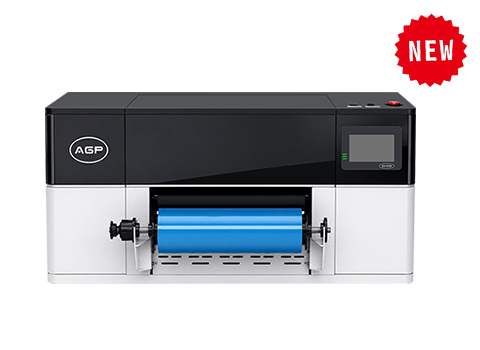
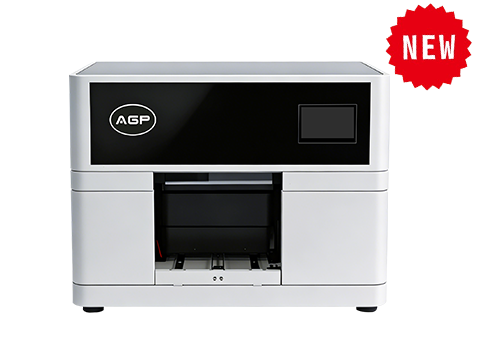
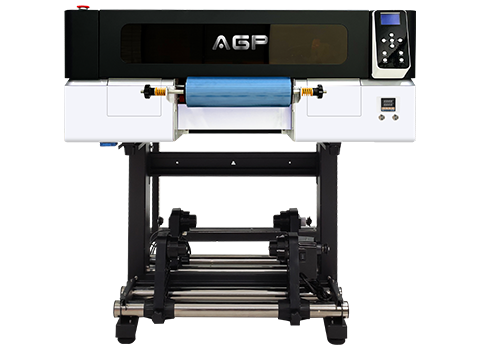
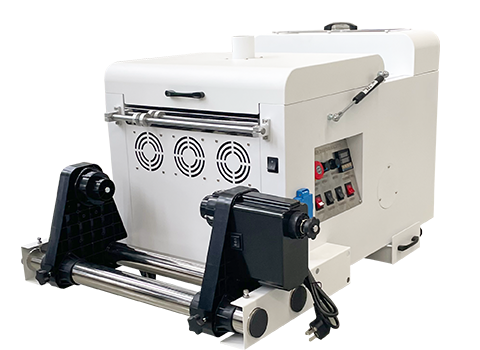
Small format DTF printers, especially A3 and A3+ models, are widely adopted by entry-level users. These machines are designed to be lightweight, space-saving and beginner-friendly.
Although their printing width is limited, their practical advantages are very clear:
They support full CMYK + white ink printing, which allows professional output for most personalized clothing applications.
They require lower initial investment and lower daily operating cost.
They are suitable for small batch production, online orders and sample making.
For startups focusing on T-shirts, hoodies, tote bags and personalized fashion items, an A3 DTF printer is often sufficient to handle early-stage business volume.
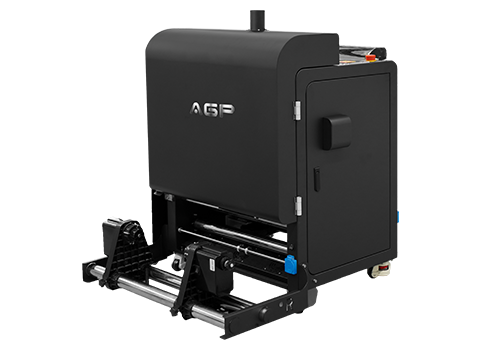
AGP provides entry-level DTF printer solutions that are optimized for stability, easy maintenance and entry-level workflow integration, making them suitable for new users who are building their first digital apparel production line.
DTF Printer for Medium-Sized Printing Companies
As your business grows, order volume increases and client expectations become higher, production efficiency becomes a critical competitive factor.
At this stage, upgrading to a wider format and higher productivity DTF printer becomes necessary.
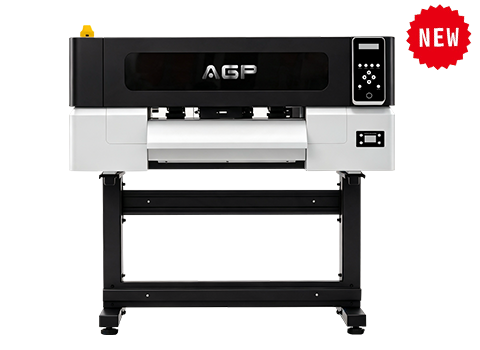
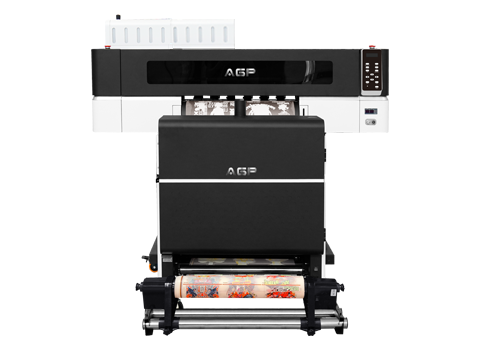
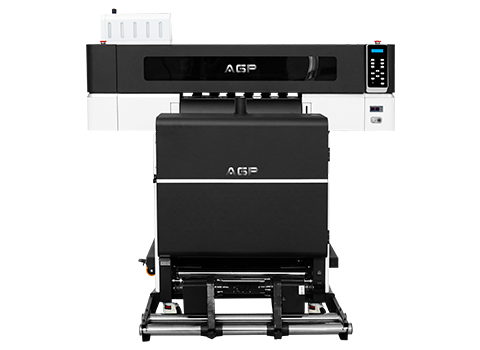
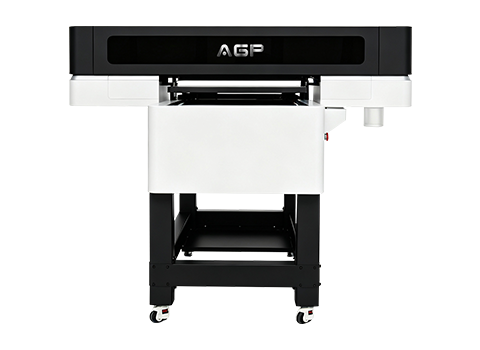
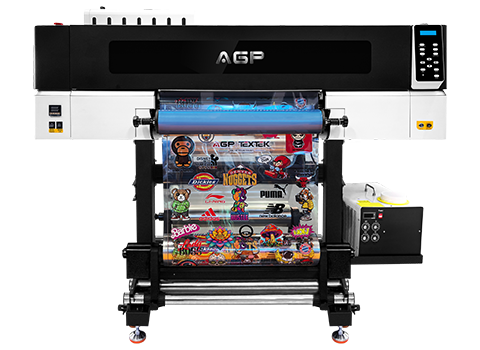
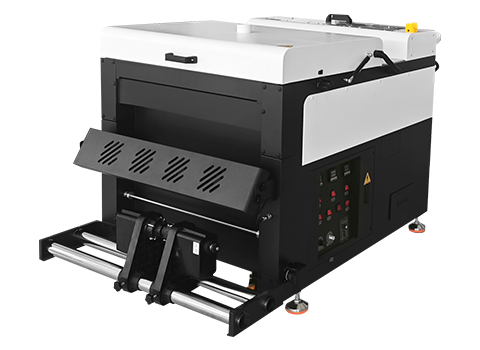
Medium-sized printing companies usually choose 600mm DTF printers or similar mid-range industrial models. These machines allow operators to print multiple designs in one production cycle, significantly improving daily output.
Compared with entry-level printers, professional DTF printers designed for medium businesses usually offer:
Higher mechanical stability for long-hour operation
More accurate white ink circulation and control systems
Improved ink curing and film handling stability
Higher resolution output consistency
For print shops serving corporate clients, fashion brands and wholesale customers, production reliability becomes more important than simply low cost.
AGP mid-range DTF printer systems are designed to support continuous production with higher color consistency and reduced downtime, which helps printing companies maintain stable delivery schedules and consistent print quality.
DTF Printer for Large-Scale and Industrial Production
For large apparel manufacturers and industrial decoration facilities, the role of the DTF printer is very different.
Here, the machine becomes part of an integrated production line rather than an isolated printing unit.
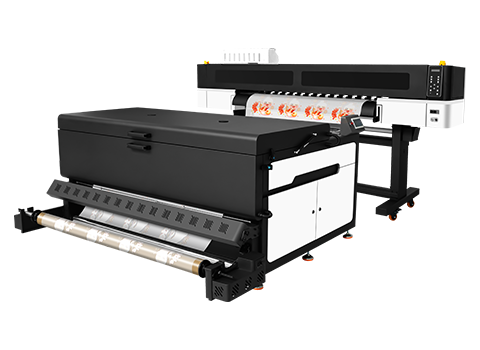
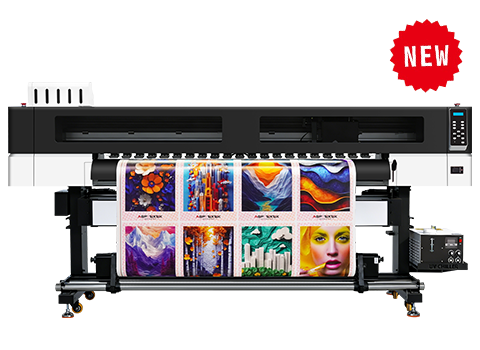
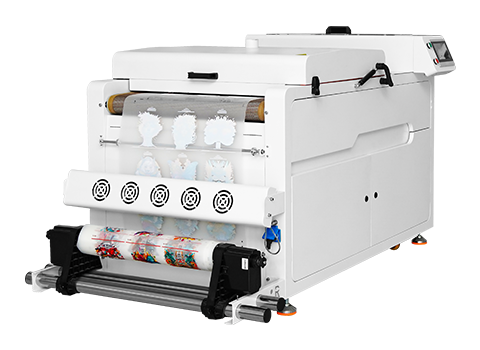
Large-format DTF printers with printing widths up to 1200mm are commonly selected for industrial environments. These systems are designed to support:
High-speed printing for large batch orders
Multiple shifts production
Automated feeding and collection systems
Stable long-term white ink circulation
High-load operation without performance degradation
Industrial DTF printers are especially suitable for contract manufacturing, sportswear production, fashion supply chains and large-scale promotional product factories.
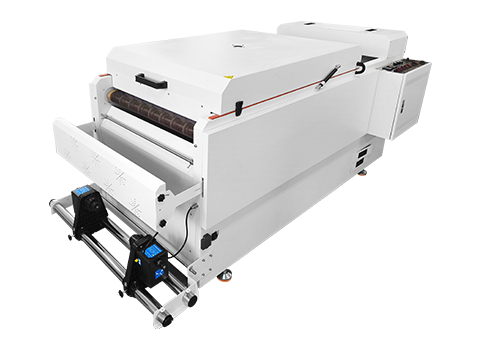
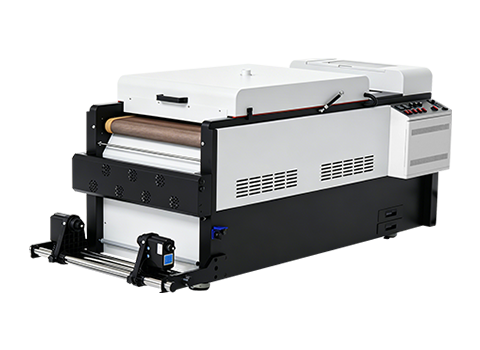
AGP industrial DTF printer solutions focus on production scalability, system integration capability and long-term operational stability, helping factories build standardized digital garment decoration workflows.
In addition, industrial DTF printers support sustainable manufacturing practices by reducing waste ink and water consumption compared with traditional garment printing technologies.
Key Technical and Commercial Factors When Buying a DTF Printer
No matter what business size you operate, several core evaluation factors remain universally important.
Print quality and color accuracy
High-resolution output and stable color reproduction are fundamental for brand consistency. A professional DTF printer must be able to reproduce fine details, gradients and complex graphics without visible banding or color deviation.
Printing speed and production efficiency
Printing speed directly determines daily production capacity. For growing businesses, choosing a faster DTF printer allows you to expand order volume without increasing labor cost.
White ink circulation and stability
White ink performance is one of the most critical technical indicators of a DTF printer. Poor circulation leads to nozzle clogging, unstable opacity and frequent machine downtime.
A reliable white ink management system significantly improves production continuity.
Ease of operation and training cost
User-friendly interfaces, automated cleaning functions and simplified workflow design reduce operator learning time and minimize human error.
Total cost of ownership
In addition to machine price, you must evaluate ink consumption, film compatibility, maintenance frequency and spare parts availability.
Manufacturer support and service capability
Professional technical support and spare parts availability directly affect long-term operational stability. This is especially important for overseas customers who rely on remote technical support.
AGP provides full technical training, remote service support and long-term spare parts supply to ensure stable production operation.
Practical Advice Before You Invest in a DTF Printer
Many buyers focus only on hardware parameters and overlook the importance of workflow compatibility.
Before making a final decision, it is strongly recommended to evaluate:
Your real daily production volume
Your target market and product categories
Your available workspace and power configuration
Your operator experience level
You should also test print your typical designs on your actual fabrics to verify color performance, adhesion strength and washing durability.
A professional DTF printer should support not only current business needs but also future business expansion.
Conclusion
Choosing the best DTF printer is not about selecting the most expensive machine or the largest printing width. It is about choosing the most suitable digital printing solution for your business model.
For startups, flexibility and affordability matter most.
For growing printing companies, stability and productivity become essential.
For industrial manufacturers, scalability and system integration determine long-term competitiveness.
With the right DTF printer and a well-designed production workflow, apparel businesses can significantly improve customization capability, shorten delivery cycles and expand service scope.
AGP continues to develop professional DTF printer solutions for businesses of different scales, helping global customers build sustainable, competitive digital garment printing operations.
If you clearly understand your production goals and growth direction, selecting the right DTF printer will become a strategic investment rather than just a machine purchase.