

How to Grow a Profitable DTF Printing Business in 2026
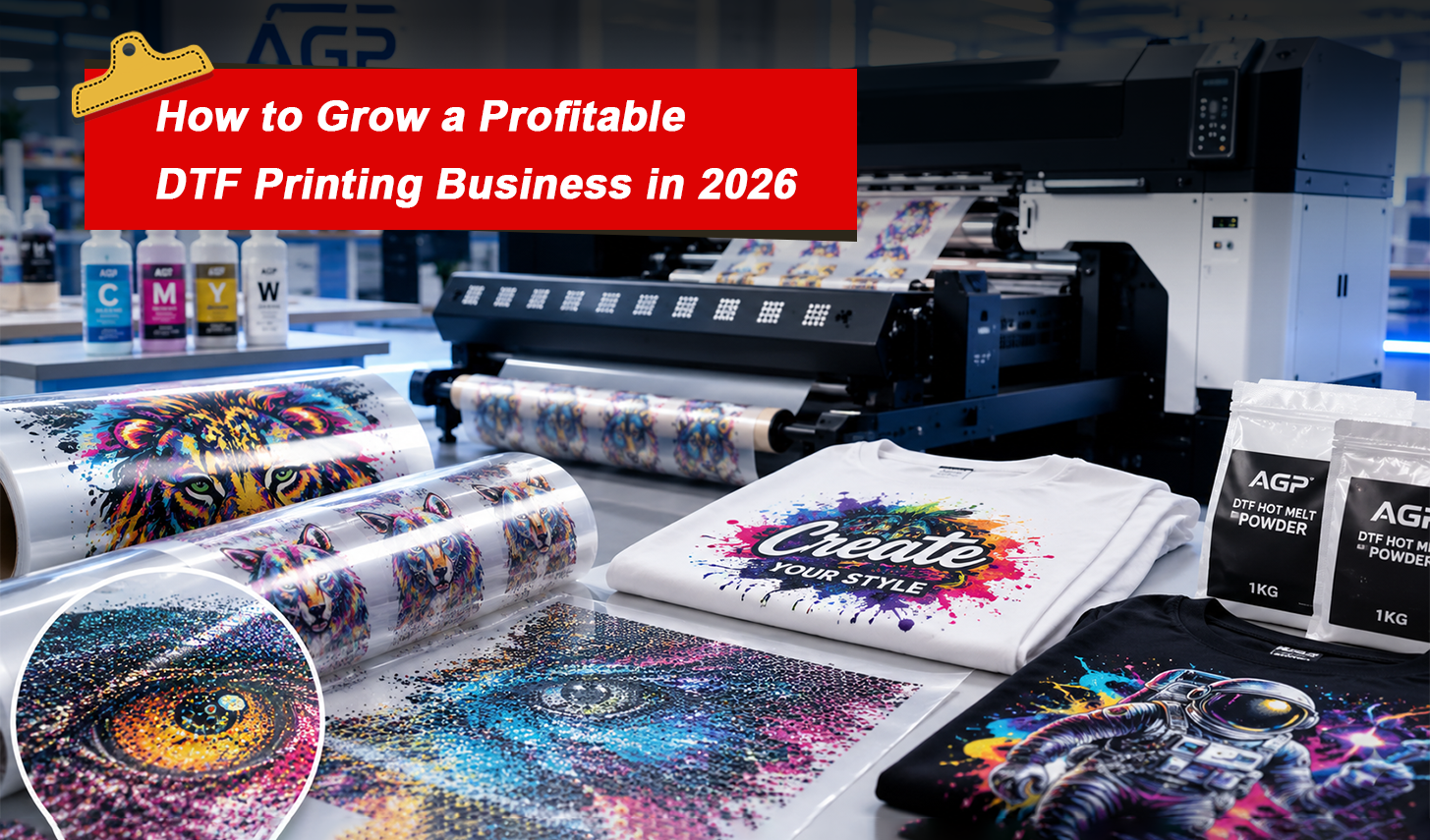
The DTF printing industry is growing incredibly fast right now. Everywhere you look, more businesses are getting into custom apparel printing, heat transfer production, and digital textile decoration. From startup clothing brands to large commercial print shops, everyone is looking for faster production, better print quality, and more flexible printing solutions.
But here’s the truth many people realize only after entering the market:
Buying a DTF printer alone does not automatically create a successful business.
A lot of print shops struggle because they focus only on the machine itself while ignoring workflow, pricing strategy, production systems, customer experience, and long-term scalability.
That’s exactly why the most successful businesses treat DTF printing as a complete production system rather than just another printing method.
In this article, we’ll break down how modern print shops are scaling successfully in 2026, what common mistakes to avoid, and how professional equipment like AGP DTF printers can help businesses grow faster and more efficiently.
Why DTF Printing Businesses Are Growing Fast
Over the past few years, DTF printing has become one of the most popular technologies in the custom apparel industry.
And honestly, it’s easy to understand why.
Compared with traditional screen printing, vinyl transfer, or sublimation printing, DTF transfer printing offers much more flexibility.
With a professional DTF printer, businesses can print on:
- Cotton
- Polyester
- Blends
- Hoodies
- Sportswear
- Tote bags
- Denim
- Dark garments
- Light fabrics
That flexibility opens huge opportunities for custom t-shirt printing businesses and apparel brands.
At the same time, modern DTF printing machines now deliver:
- Vibrant CMYK colors
- Soft hand feel
- Excellent wash durability
- Fast turnaround times
- High production efficiency
- Lower setup costs
Because of this, many entrepreneurs are entering the digital textile printing industry for the first time.
But growth becomes difficult when production systems are not properly planned.
DTF Printing Is More Than Just a Printer
One mistake many beginners make is thinking that success only depends on buying an expensive DTF printing machine.
In reality, profitable businesses focus on the entire workflow.
A strong DTF printing business includes:
- Reliable DTF equipment
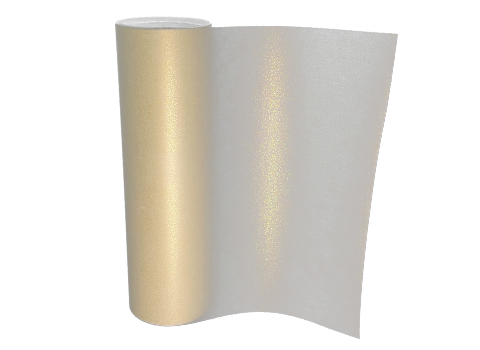
- Consistent PET film quality
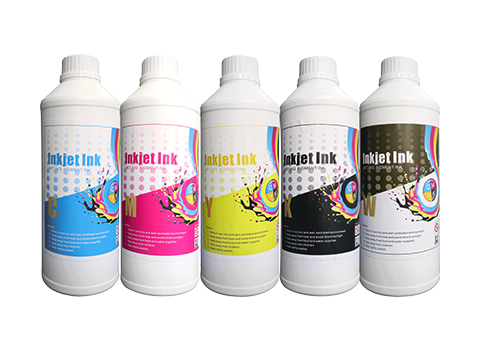
- Stable ink performance
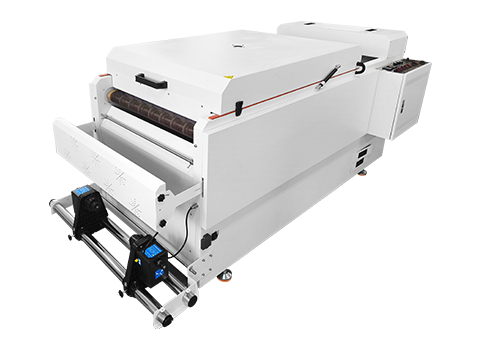
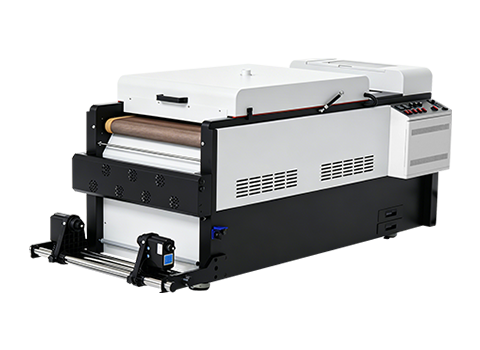
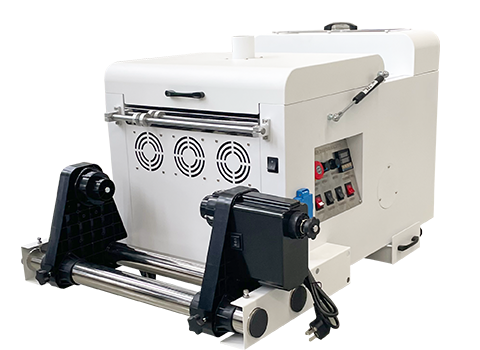
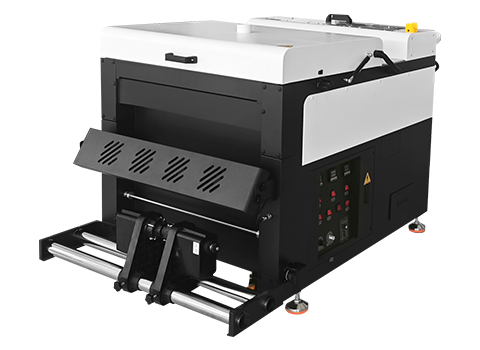
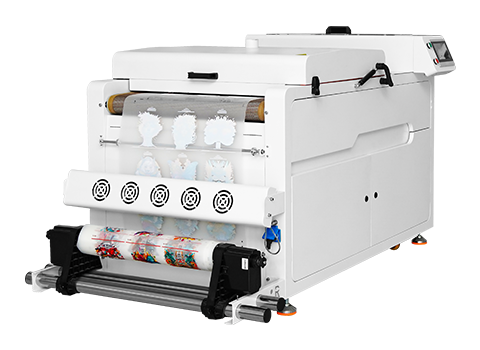
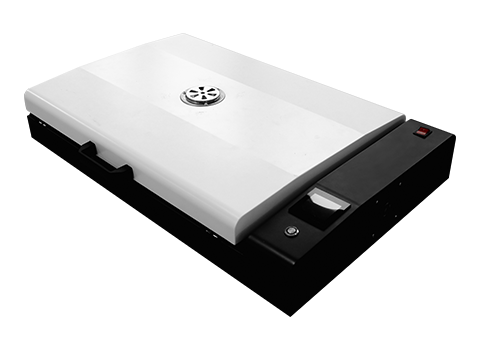
- Efficient powder shaker systems
- Proper heat press settings
- Organized production flow
- Fast customer service
- Repeatable printing processes
Even the best design can fail if production becomes inconsistent.
That’s why professional apparel printing businesses focus heavily on standard operating procedures, maintenance routines, and workflow optimization.
The goal is simple:
Create repeatable results every single day.
The 3 Stages of Growing a DTF Printing Business
Most successful print shops usually grow through three different stages.
1. Reactive Stage
This is where most startups begin.
At this stage, businesses often:
- Accept every order
- Rush production
- Use inconsistent settings
- Constantly troubleshoot problems
- Operate without clear systems
Many print shops stay stuck here because they focus only on surviving day to day.
2. Intentional Growth Stage
This is where businesses start becoming more professional.
They begin improving:
- Production workflow
- Color consistency
- DTF transfer quality
- Customer communication
- Pricing structure
- Inventory management
Instead of reacting to problems constantly, they start building systems that reduce mistakes.
This is also when many companies upgrade to commercial DTF printers with better reliability and support.
3. Scalable Production Stage
At this level, the business becomes much more stable and profitable.
Professional print shops now focus on:
- Wholesale DTF production
- High-volume transfer printing
- Faster turnaround times
- Lower production costs
- Multiple production lines
- Staff training
- Automated workflows
The business is no longer dependent on one operator doing everything manually.
That’s where true scalability begins.
Why Workflow Matters in DTF Production
A lot of people underestimate how important workflow is in garment printing.
But poor workflow creates major production bottlenecks.
For example:
- Delayed curing times
- Incorrect powder application
- Film contamination
- Ink inconsistency
- Heat press errors
- Missed delivery deadlines
All of these problems reduce profitability.
Professional DTF printing businesses solve this by creating clear SOPs (standard operating procedures).
Every step becomes repeatable:
- Artwork preparation
- RIP software setup
- Printing process
- Powder application
- Curing
- Heat transfer
- Quality inspection
- Packaging
This improves consistency and customer trust significantly.
And honestly, customers notice consistency more than anything else.
Choosing the Right DTF Printer and Support Team
Not all DTF printers are built the same.
Some machines may look affordable upfront, but poor stability and limited technical support can create expensive downtime later.
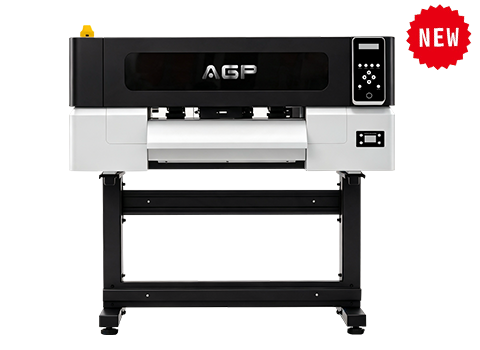
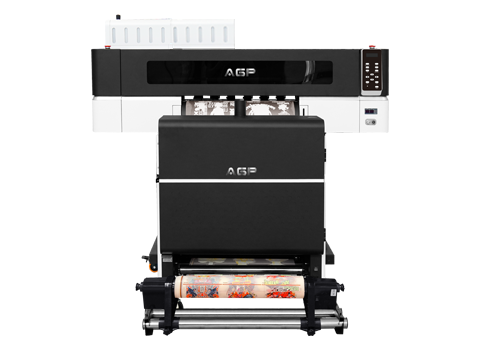
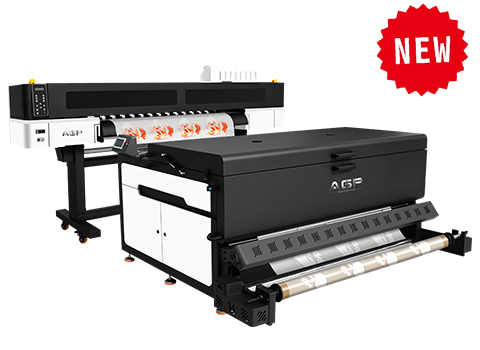
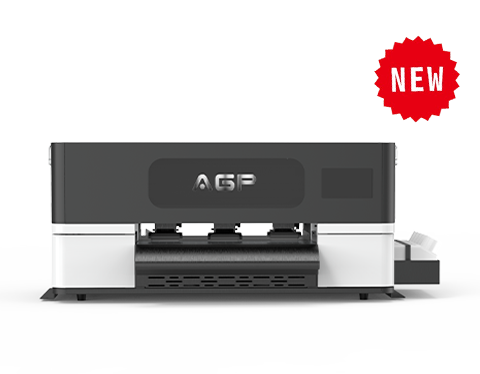
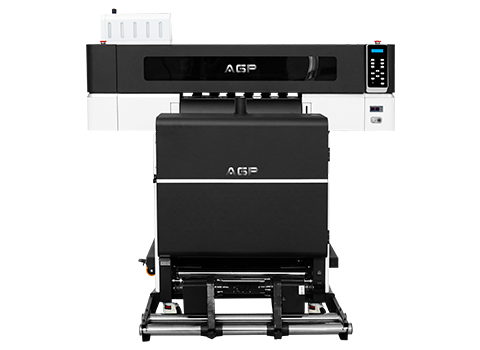
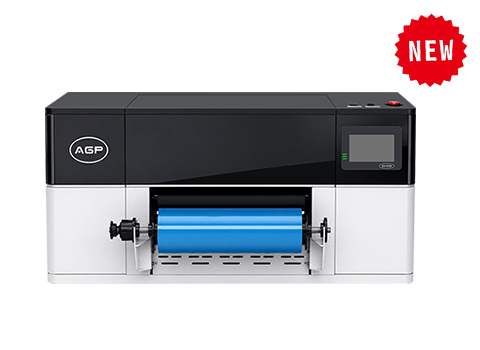
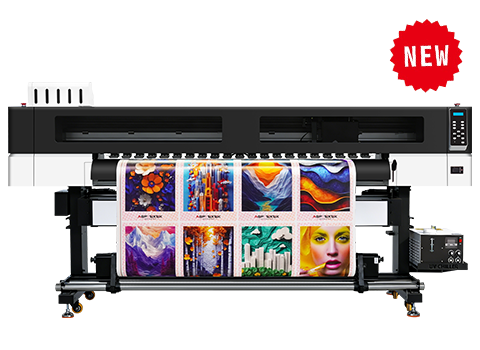
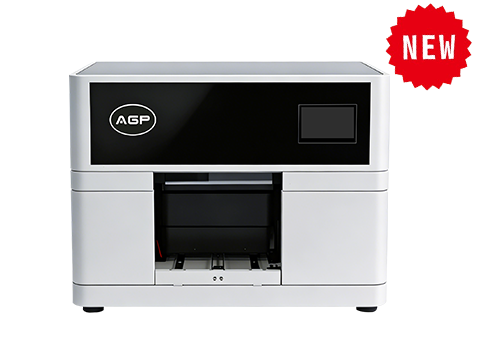
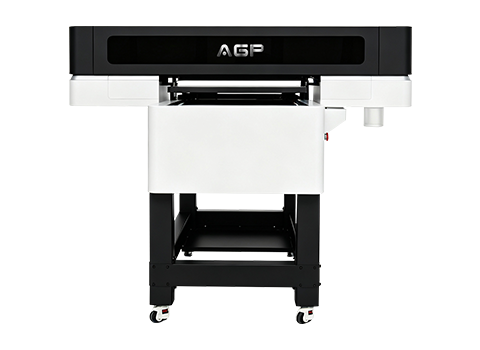
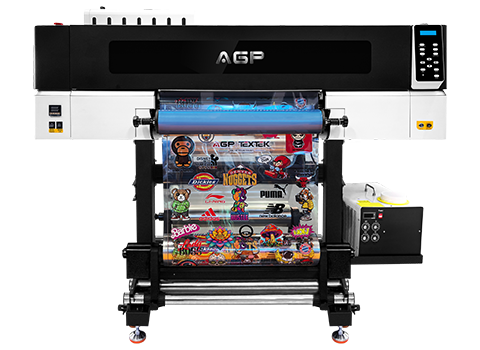
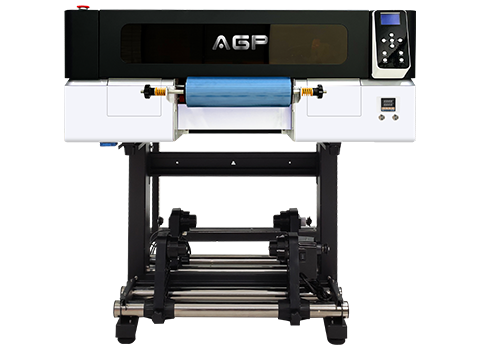
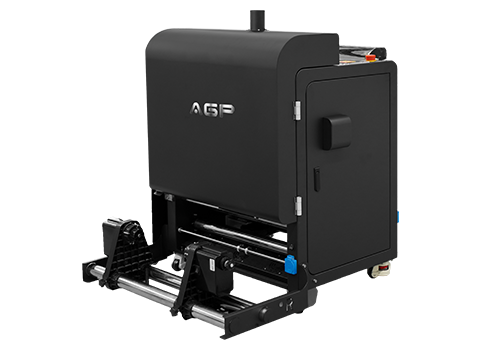
That’s why many growing businesses now choose professional systems like AGP DTF printers.
AGP focuses on:
- Epson printhead technology
- Stable white ink circulation
- High-speed textile printing
- Commercial production reliability
- Precision ink output
- Professional RIP software compatibility
- Strong after-sales support
For print shops running daily production, stability matters far more than simply buying the cheapest machine available.
Reliable equipment helps businesses avoid:
- Nozzle clogging
- Ink interruptions
- Color inconsistency
- Production delays
- Maintenance headaches
And when technical issues happen, responsive support becomes extremely important.
Retail vs Wholesale DTF Printing Business Models
Another major decision is choosing your business model.
Retail DTF Printing
Retail printing focuses on small custom orders.
Examples include:
- Personalized t-shirts
- Small business branding
- Event apparel
- School uniforms
- Local sports teams
Margins are usually higher, but production volume is smaller.
Wholesale DTF Transfer Business
Wholesale production focuses on larger transfer quantities.
These businesses supply:
- Apparel brands
- Local print shops
- Resellers
- Promotional product companies
The profit often comes from production efficiency and volume.
This model requires:
- Faster DTF printing machines
- Better workflow systems
- Consistent quality control
- Reliable powder shaker equipment
Many AGP customers are now expanding into wholesale DTF transfer production because market demand continues to grow rapidly.
Common Mistakes That Slow Down Print Shops
A lot of DTF businesses struggle because they make the same operational mistakes repeatedly.
Some of the most common include:
Choosing Cheap Consumables
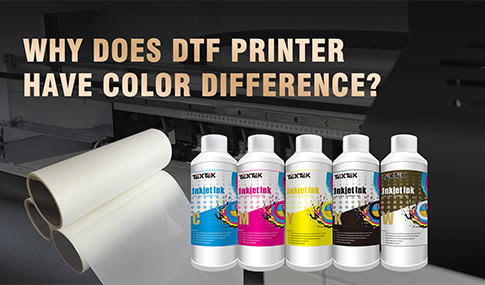
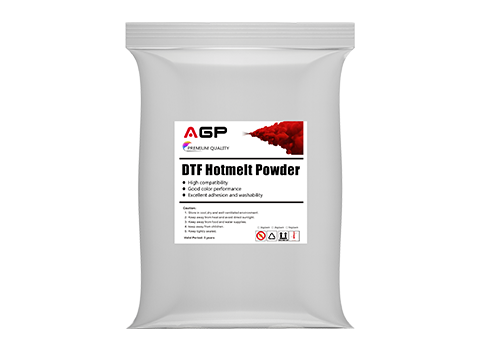
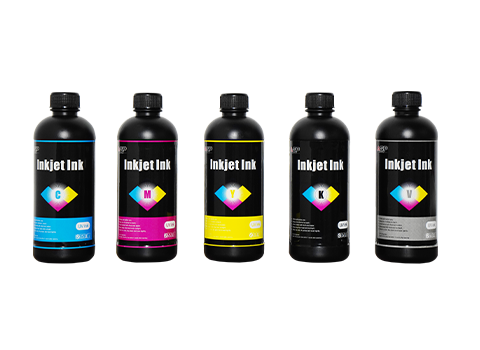
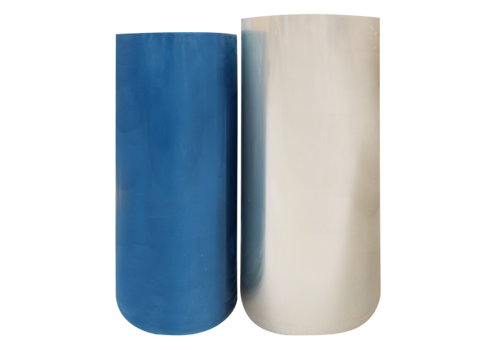
Low-quality DTF ink, PET film, or hot melt powder often creates inconsistent results.
That leads to reprints and wasted production time.
Running Equipment at Maximum Capacity
Machines also need maintenance and recovery time.
Overworking equipment constantly usually causes long-term stability problems.
Poor Pricing Strategy
Many businesses only calculate material costs.
But real pricing should also include:
- Labor
- Maintenance
- Electricity
- Failed prints
- Downtime
- Packaging
- Equipment depreciation
Otherwise, profits disappear quickly.
Ignoring Maintenance
Daily cleaning routines are critical for commercial DTF printing.
Especially with white ink systems.
Regular maintenance helps improve:
- Printhead lifespan
- Color consistency
- Ink flow stability
- Overall machine performance
How AGP Helps Businesses Scale Faster
AGP has spent years focusing on digital textile printing solutions for global markets.
With more than 12 years of industry experience, AGP provides:
- DTF printers
- UV DTF printers
- Textile printers
- Digital inkjet printing equipment
- Professional consumables
- Technical training
- After-sales service
AGP equipment is already used across:
- Europe
- North America
- South America
- Southeast Asia
- Middle East
- Africa
By combining advanced printhead technology with practical production design, AGP helps businesses improve efficiency while maintaining stable print quality.
For growing print shops, this combination becomes extremely valuable.
Because in real production environments, consistency is everything.
Final Thoughts
The DTF printing market will continue growing rapidly in 2026 and beyond.
But the businesses that succeed long-term are usually the ones that focus on systems, consistency, workflow, and customer trust — not just printing alone.
A profitable DTF printing business requires:
- Reliable equipment
- Strong workflow management
- Smart pricing
- Quality consumables
- Consistent production
- Professional support
That’s why more apparel businesses are choosing professional solutions like AGP DTF printers to help scale production efficiently.
Whether you are launching your first custom apparel business or expanding an existing print shop, building the right foundation now can make a huge difference later.
And in today’s competitive market, consistency and reliability are often what separate growing brands from struggling ones.