
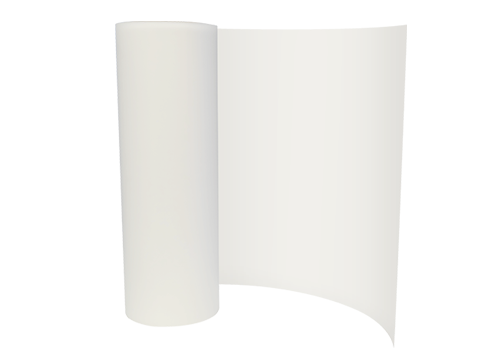
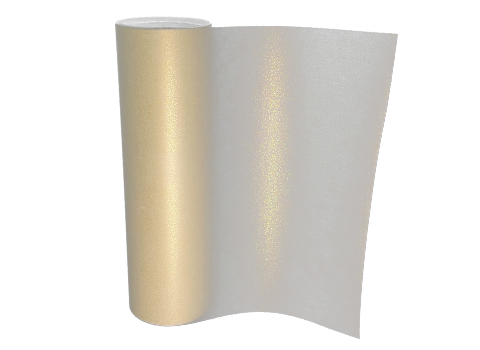
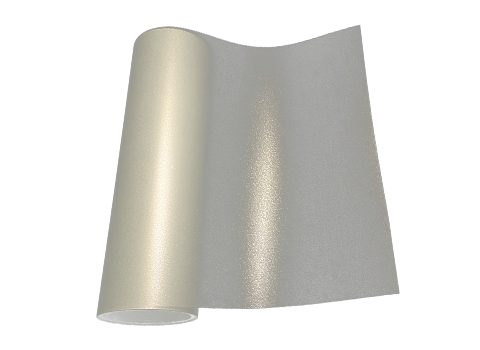
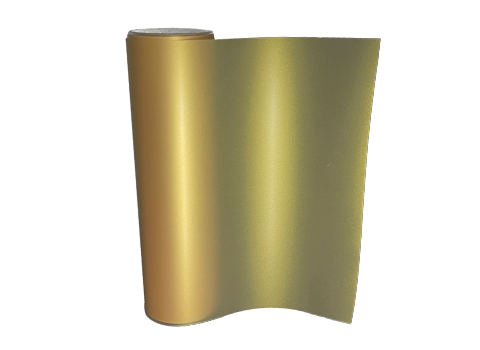
DTF Film Guide: Hot Peel vs Cold Peel, Matte vs Glossy — Which Should You Use?
Quick Answer: Hot peel DTF film is peeled immediately after pressing, typically produces a semi-gloss finish, and speeds up production — making it the better choice for high-volume shops. Cold peel DTF film requires waiting until the transfer reaches room temperature, typically produces a matte, screen-print-like finish with slightly stronger adhesion, and is more forgiving for beginners. Neither is universally "better" — the choice comes down to how much finish and durability matter versus how fast you need to move through orders.
Every DTF film does the same basic job — carry your printed design from the printer to the garment — but the type of film you load changes your finish, your workflow speed, and even how forgiving the process is for a new operator. Here's exactly what "hot peel" and "cold peel" mean, how they compare, and how to pick the right one for your shop.
What Do "Hot Peel" and "Cold Peel" Actually Mean?
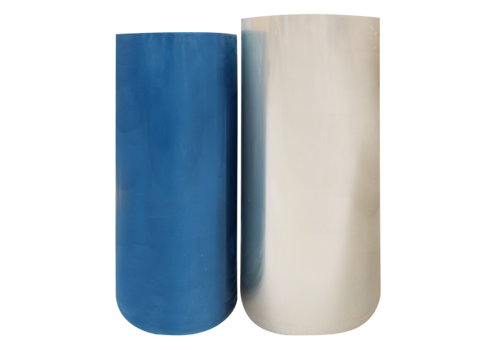
The terms describe when you remove the film after heat pressing, not the film's color or coating — both are printed on the same matte side and heat-pressed with the glossy/carrier side facing outward. Hot peel film is designed to be peeled off within a few seconds of pressing, while the transfer is still hot. Cold peel film needs to cool to room temperature — typically 30–60 seconds — before the film will release cleanly.
Hot Peel vs Cold Peel: Side-by-Side Comparison
| Factor | Hot Peel | Cold Peel |
|---|---|---|
| Peel timing | Immediately after pressing | After cooling to room temperature |
| Typical finish | Semi-gloss | Matte |
| Production speed | Faster — no wait time | Slower — requires a cooling step |
| Beginner-friendliness | Requires precise timing | More forgiving |
| Best for | High-volume runs, quick turnaround | Premium finish, fine detail work |
Note: Finish can vary slightly by film brand and coating formula — always test a small batch with your specific ink and heat press before committing to a full production run.
Recommended Pressing Settings
Both film types generally press in a similar temperature range, but timing and peel behavior differ:
| Setting | Hot Peel | Cold Peel |
|---|---|---|
| Temperature | ~150–160°C (300–320°F) | ~150–170°C (300–340°F) |
| Pressure | Medium-high, even coverage | Medium-high, even coverage |
| Peel window | 2–5 seconds after opening press | 30–60 seconds, until cool to the touch |
Always start with your film manufacturer's recommended settings — heat press models, ambient humidity, and fabric type all shift the ideal timing slightly.
Which Finish Sells Better — Matte or Glossy?
This comes down to product category more than a fixed rule. A semi-gloss finish tends to suit bold logos, athletic numbering, and designs where a bit of shine reads as "vibrant." A matte finish is often preferred for premium streetwear and designs meant to resemble traditional screen printing — the softer sheen reads as higher-end to many customers. If your shop serves multiple markets, it's common to stock both film types and match the finish to the order.
Which Should Beginners Use?
Cold peel film is generally the more forgiving starting point — since the peel window is measured in tens of seconds rather than a handful of seconds, there's much less risk of ruining a transfer by peeling too early or too late. As you get comfortable with your heat press's exact timing, switching to hot peel film for high-volume orders becomes an easy transition.
Which Should High-Volume Shops Use?
Hot peel film removes the cooling step from every single press cycle, which adds up fast across a full production day. For shops running back-to-back orders, that saved time per garment is often worth more than the finish difference — especially on designs where a semi-gloss result is acceptable or even preferred.
DTF Film Buying Checklist
✅ Match peel type to your production speed — cold peel for beginners, hot peel for volume
✅ Match finish to your product line — matte for premium apparel, semi-gloss for bold graphics
✅ Confirm your heat press can hold consistent, even temperature and pressure
✅ Test a small batch before committing to a full production run on a new film
✅ Store film flat, away from humidity and direct sunlight, to protect the coating before use
Conclusion: There's No Universally "Better" Film — Only the Right Fit
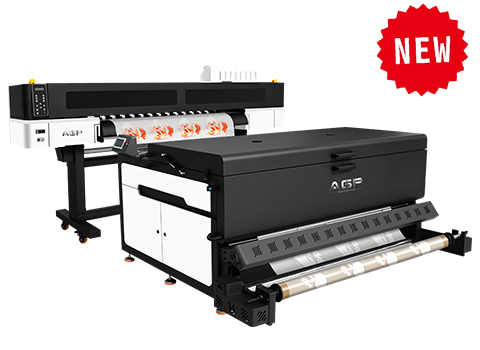
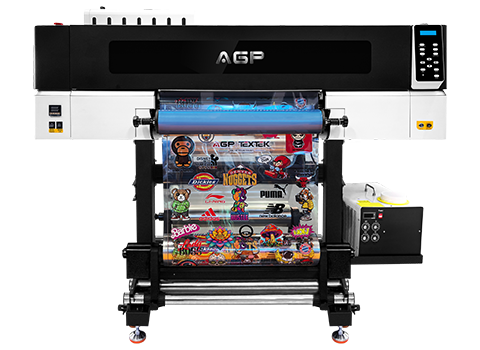
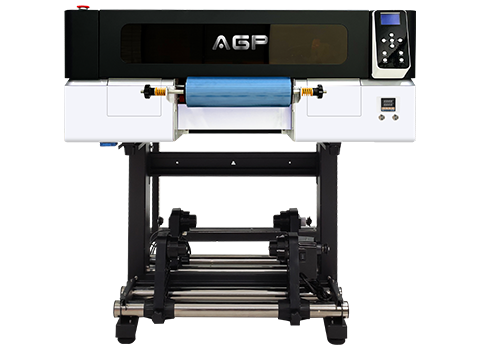
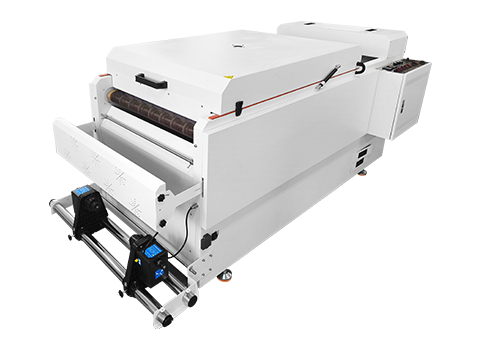
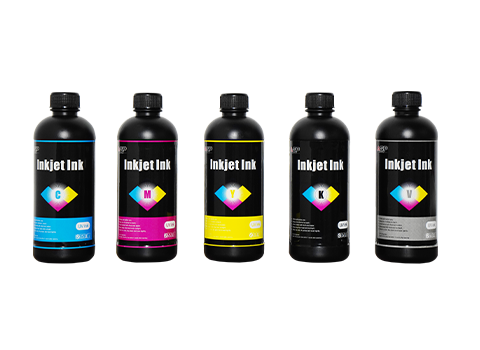
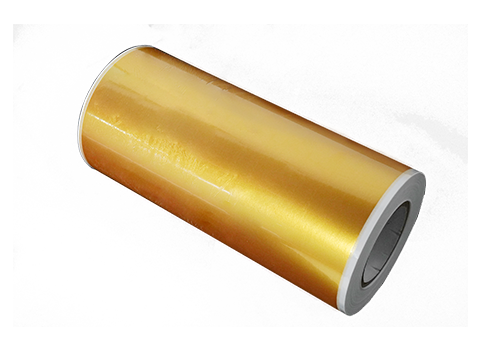
Hot peel and cold peel DTF film solve the same problem in two different ways — one trades a few seconds of waiting for a more matte, premium finish, the other trades that finish nuance for faster throughput. Most established shops end up stocking both and matching the film to the order. AGP's DTF PET transfer film is designed to pair with our full DTF printer lineup, along with matched pigment ink, hot-melt adhesive powder, and heat presses — so your film, ink, and equipment are built to work together from the start. Contact our team to find the right film and consumables for your production line.
FAQ: DTF Film Questions
What's the difference between hot peel and cold peel DTF film?
The difference is timing: hot peel is removed immediately after pressing, while cold peel needs to cool to room temperature first. This timing difference also tends to affect the finish — hot peel usually looks more semi-gloss, cold peel more matte.
Which DTF film is best for beginners?
Cold peel is generally more forgiving, since the longer peel window leaves more room for error than the few-second window hot peel requires.
Can I use both hot peel and cold peel film in the same shop?
Yes — many shops stock both and choose the film based on the order's finish requirements and how quickly it needs to be turned around.
Does DTF film go on the printer with a specific side facing up?
Yes. Print on the matte side, which absorbs the ink and adhesive powder; the glossy side becomes the outward-facing surface during the heat press step.
Can DTF film be reused after pressing?
No. Once a DTF film has been printed and pressed, its adhesive and ink layers are transferred to the garment and the film cannot be reused.
Does the type of DTF film affect wash durability?
Both film types can be highly wash-durable when pressed at the correct temperature and pressure — durability depends more on proper curing and pressing technique than on peel type alone.