
What Is Puff DTF Printing and How Does It Create a 3D Effect?
Quick Answer: Puff DTF is a variation of standard DTF printing that uses a heat-activated foaming powder instead of (or blended with) regular hot-melt adhesive powder. When pressed, the powder expands upward, turning a flat printed design into a raised, pillowy, tactile print — without embroidery, screens, or extra equipment beyond your existing DTF printer and heat press.
What Makes Puff DTF Different from Standard DTF?
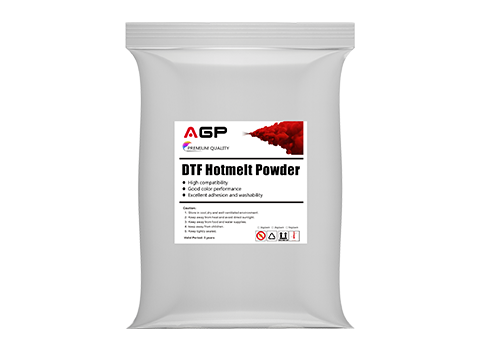
Standard DTF is built to lie flat: print, powder, cure, press, peel, and the finished design sits smoothly on the fabric surface. Puff DTF follows the exact same workflow up through curing — the difference is in the powder itself. A puff-capable powder contains a foaming agent that stays inactive during normal handling but expands under heat press temperature, lifting the printed ink layer upward instead of leaving it flat. The result reads as dimensional rather than simply printed — closer to the raised feel of a patch or embroidery than a standard transfer.
How the Puff Effect Is Built, Layer by Layer
- PET film — the same clear carrier film used for any DTF print
- Ink layer — CMYK plus white underbase, printed exactly as a standard design
- Puff powder — applied over the wet ink in place of (or blended with) standard hot-melt powder, then cured
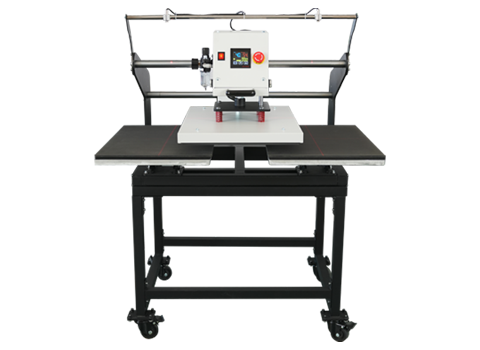
- Heat press activation — pressure and heat trigger the foaming agent, and the design visibly rises as it presses onto the garment
Because the expansion happens during the final press, the effect isn't visible on the film beforehand — the flat-looking transfer only becomes 3D once it's actually applied to fabric.
Recommended Pressing Settings for Puff DTF
| Setting | Recommended Range |
|---|---|
| Temperature | 295–310°F (146–154°C) |
| Pressing time | 8–12 seconds |
| Pressure | Medium — heavy pressure can flatten the puff effect before it fully expands |
| Peel | Typically hot-peel — check your specific puff powder's spec sheet |
These settings are a starting point for puff-specific powder; results vary by brand and powder mesh, so always run a test press first. For general DTF baseline settings by fabric type, see our DTF Heat Press Temperature & Time Settings guide.
Design Rules That Make or Break a Puff Print
- Use bold, thick shapes. Thin lines and small text tend to distort or lose definition once the powder expands — puff works best on logos, block lettering, and simple graphic elements.
- Leave breathing room between elements. Because the design physically rises and slightly spreads, adjacent shapes that sit too close together can blur into each other after expansion. Building in extra negative space between elements helps keep edges clean.
- Avoid fine gradients. Puff reads best in solid, high-contrast color blocks rather than smooth photographic blends.
Where Puff DTF Works Best
Puff DTF is a natural fit for hoodies, sweatshirts, streetwear drops, and varsity-style branding — anywhere a raised, premium texture adds perceived value. It's also a popular lower-cost alternative to embroidery for logos and lettering, since it delivers a similar tactile, dimensional look without needles, thread, or digitizing setup. If you're weighing puff against a stitched look specifically, our DTF Embroidery-Look Guide covers that flat-print alternative.
Frequently Asked Questions
Can I use puff DTF on any fabric?
Puff DTF works well on the same fabrics as standard DTF — cotton, polyester, and blends — though it's most commonly used on heavier garments like hoodies and sweatshirts, where the raised texture reads most clearly against a thicker fabric base.
Does puff DTF wash and wear the same as standard DTF?
A correctly pressed puff transfer holds up similarly to a standard DTF print in terms of wash durability, though the raised surface does experience more direct friction during wear and washing than a flat print, so following the recommended settings closely matters more than usual.
Do I need a different printer for puff DTF?
No — puff DTF uses the same DTF printer and heat press as standard transfers. The only change is the powder used during production, not the equipment itself.
Why did my puff print come out flat instead of raised?
The most common causes are too much pressure (which compresses the foaming powder before it can expand), too low a temperature to fully activate the foaming agent, or powder that wasn't cured properly before pressing. Test a scrap piece and adjust one variable at a time.
Interested in adding puff effects to your production line?
Talk to our team about puff-capable powder options and equipment recommendations.
DTF Hot Melt Powder | Powder Shaker Machines | Talk to Our Team