
What Are Glitter & Metallic DTF Transfers, and How Do You Press Them?
Quick Answer: Glitter and metallic DTF transfers use a specialty film — glitter, gold, or silver — instead of standard clear PET film to add a sparkling or reflective finish to your design. They print and cure the same way as regular DTF transfers, but need slightly firmer, longer pressing (around 310°F / 155°C for 13–15 seconds) and bolder artwork, since fine detail gets lost under the texture.
What Makes Glitter and Metallic DTF Different from Standard Transfers?
A standard DTF transfer prints onto clear PET film, gets coated in hot-melt powder, and cures before pressing. Glitter and metallic transfers follow the same basic workflow, but the film itself carries the effect — a glitter-textured surface or a reflective gold/silver base — so the sparkle or shine is built into the transfer rather than added afterward. That means no loose glitter, no separate foiling step, and no extra equipment: it's the same printer and heat press you're already using.
The Main Specialty Film Types
| Film Type | Best For |
|---|---|
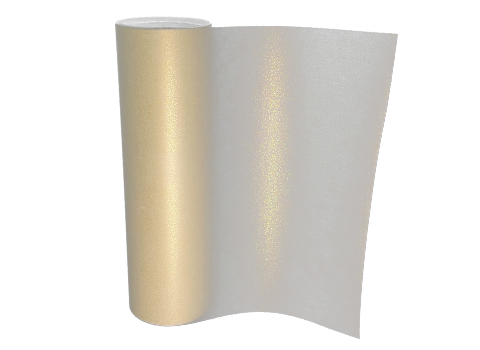
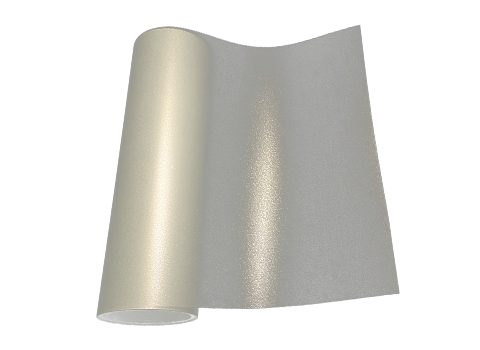
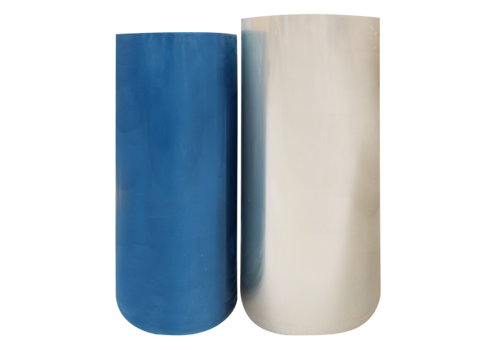
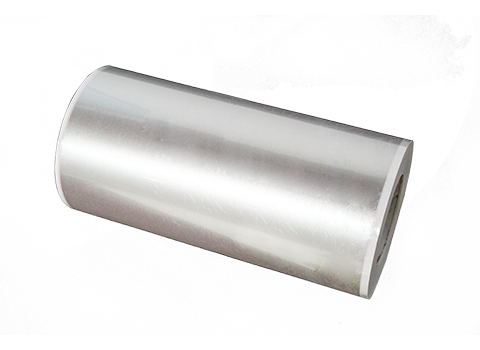
| Glitter Gold / Glitter Silver Film | Full designs that need an all-over sparkle finish — event apparel, seasonal drops, kidswear, dance and cheer uniforms |
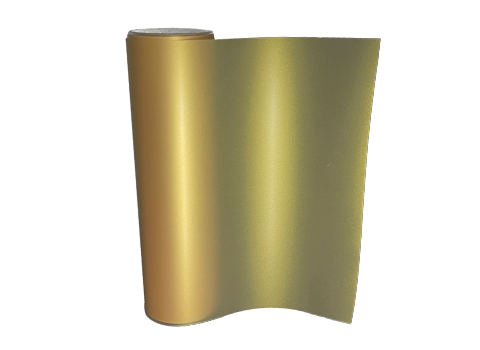
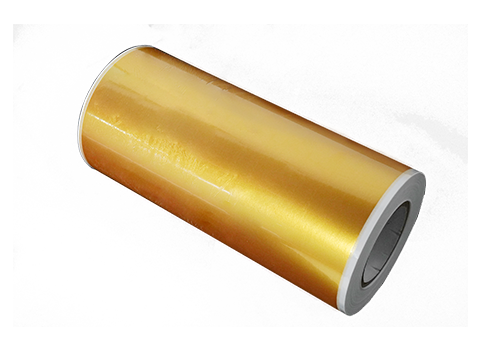
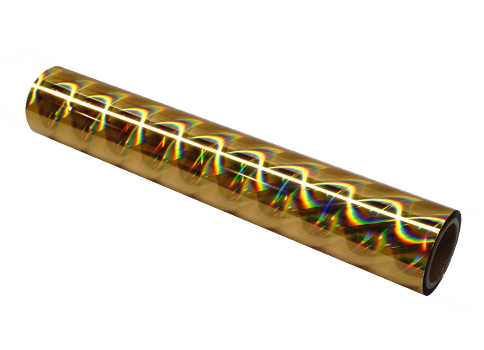
| Golden Film | Logos, text, and accent details that benefit from a solid metallic sheen rather than a sparkle texture — premium branding, awards-style lettering |
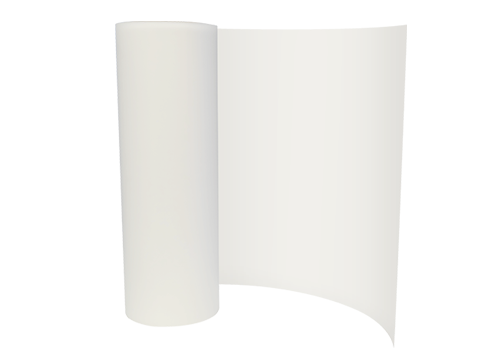
| Standard PET Film (for comparison) | Full-color photographic designs where flat, true-to-color printing matters more than added texture |
Browse AGP's Glitter Gold Film, Glitter Silver Film, and Golden Film product pages for full specs.
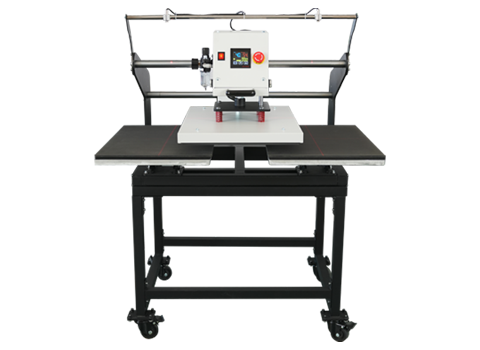
How Do You Press Glitter and Metallic DTF Transfers?
| Setting | Recommended Range |
|---|---|
| Temperature | 300–320°F (149–160°C) |
| Pressing time | 13–15 seconds |
| Pressure | Medium to firm — slightly firmer than a standard transfer to seat the textured film evenly |
As always, check the specific film's spec sheet before a full run, and press a test piece first. For the general baseline behind these numbers — including hot-peel vs. cold-peel handling — see our DTF Heat Press Temperature & Time Settings guide.
Design Tips for Glitter and Metallic Transfers
- Favor bold shapes and thick lettering. Fine lines, small text, and delicate detail tend to disappear into the glitter texture or get lost in the reflective sheen.
- Use it as an accent, not the whole design. Pairing a glitter or metallic element with a standard full-color print often reads as more premium than an entirely sparkly design.
- Keep gradients simple. Smooth color blends can look uneven once textured or reflective film is behind them — solid color blocks generally hold up better.
Why Offer Glitter and Metallic Transfers in Your Shop
Specialty finishes are one of the easiest upsells in a DTF business: the production workflow barely changes, but the perceived value — and the price customers are willing to pay — goes up. Event apparel, dance and cheer uniforms, seasonal product drops, and premium branding requests are all natural fits for a glitter or metallic upgrade, and offering them gives repeat customers a reason to order something beyond a standard print.
Frequently Asked Questions
Do glitter DTF transfers wash the same as standard transfers?
Yes — because the glitter is built into the film rather than applied loose on top, glitter DTF transfers hold up to washing similarly to standard DTF prints, without flaking or shedding over time when pressed correctly.
Can I mix standard and glitter film in the same design?
Not within a single print pass — each film type is a separate sheet. Shops typically achieve a mixed look by printing the standard and glitter elements as separate transfers and pressing them in sequence, aligning the second piece to the first.
Do I need special ink for glitter or metallic DTF film?
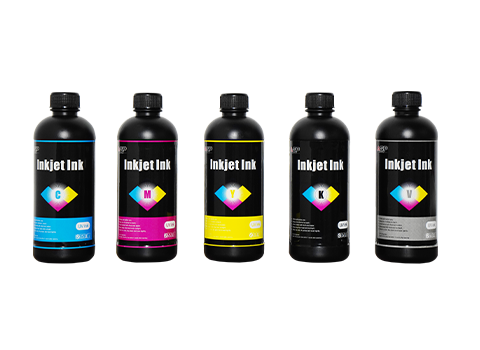
No — the same CMYK and white ink used for standard DTF printing works on glitter and metallic film. The effect comes from the film itself, not a different ink set.
Why does my glitter transfer look uneven after pressing?
This is usually a pressure issue — glitter and metallic film need slightly firmer, more even pressure than standard film to seat properly. Confirm your heat press platen pressure and check for worn or uneven padding underneath.
Ready to add specialty finishes to your lineup?
Explore AGP's glitter and metallic DTF film options.
Glitter Gold Film | Glitter Silver Film | Golden Film | Talk to Our Team