

Best Card Printer Guide 2026: Inkjet vs Laser vs Dye Sublimation vs UV DTF
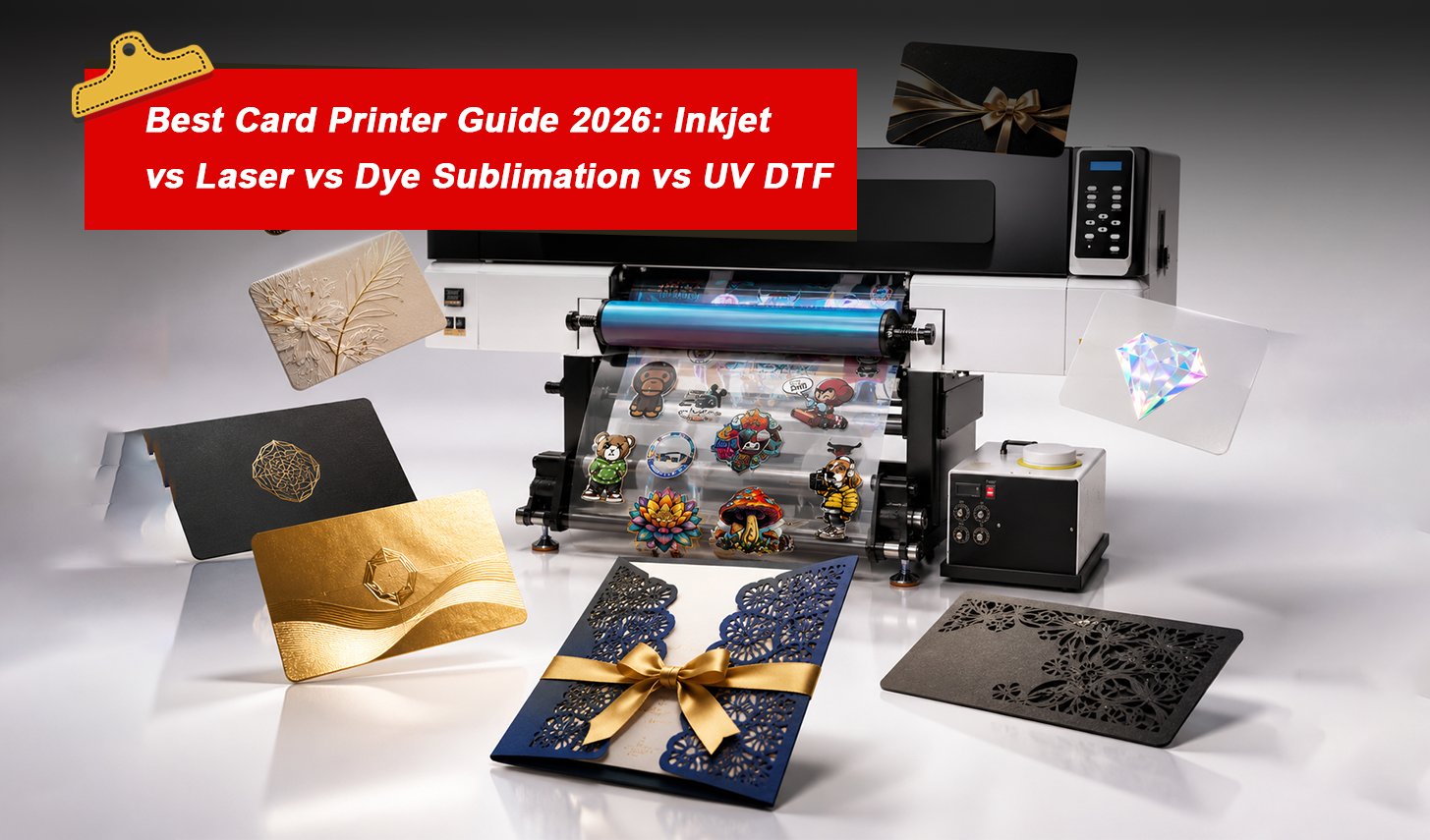
A small card often carries a surprisingly large impact. In many industries, it is not just a piece of printed material—it is a brand impression tool.
A well-designed business card can:
- Start conversations instantly
- Strengthen brand memory
- Influence purchase decisions
In marketing psychology, physical cards still outperform digital contact sharing in memorability. That is why choosing the right card printing machine is critical.
Modern businesses rely on technologies like uv dtf card printing, inkjet systems, laser printing, and dye sublimation to achieve different visual and functional effects.
Types of Cards in Modern Printing Industry
Card printing is not limited to simple paper business cards anymore. Today’s market includes multiple categories:
Business Cards
A core branding tool that defines professionalism. Thick textured cardstock or UV-coated finishes are commonly used for premium perception.
Gift Cards
Usually made from PVC or plastic materials, requiring high durability and scratch resistance.
Event Invitations
Wedding invitations, corporate events, and luxury parties often require metallic finishes or embossed textures.
Membership Cards
Used in gyms, clubs, and loyalty programs, requiring long-term durability and wear resistance.
Each category requires different printing technology support, especially in pvc card printing and custom invitation printing.
Key Requirements for High-Quality Card Printing
Before selecting a printer, several technical factors must be evaluated:
Print Resolution
High-definition output is essential for fine text and logos. Professional card printing requires at least 1200 DPI or higher.
Material Compatibility
Modern card production involves:
- Coated paper
- PVC plastic
- Acrylic sheets
- Specialty textured materials
A flexible system ensures better production scalability.
Color Accuracy
Brand consistency depends on precise color reproduction. Weak systems often distort corporate identity colors.
Durability
Cards are frequently handled, scratched, and exposed to moisture. UV-curable ink systems significantly improve lifespan.
Card Printer Technologies Explained
Inkjet Printing
Inkjet systems spray liquid ink onto surfaces.
- Best for: prototypes, low-volume work
- Weakness: limited durability and water resistance
Laser Printing
Laser printers use toner fused with heat.
- Best for: bulk text-based cards
- Weakness: limited material flexibility
Dye-Sublimation Printing
Uses heat transfer to embed color into coated surfaces.
- Best for: ID cards and photo cards
- Weakness: requires coated materials
UV DTF Printing (Modern Standard)
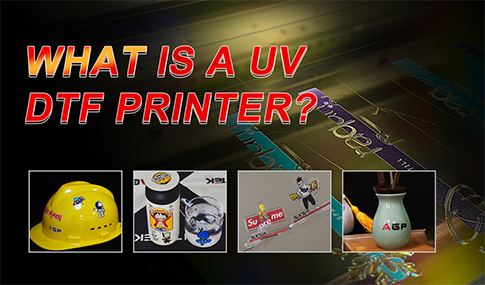
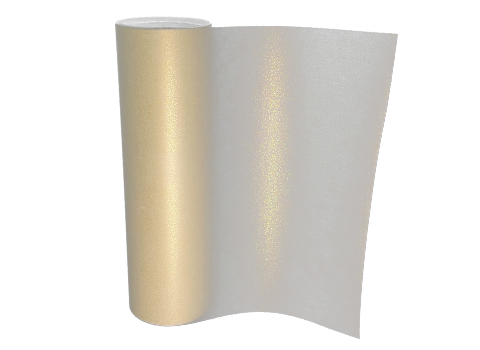
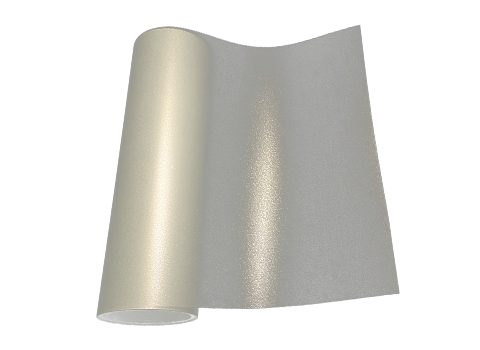
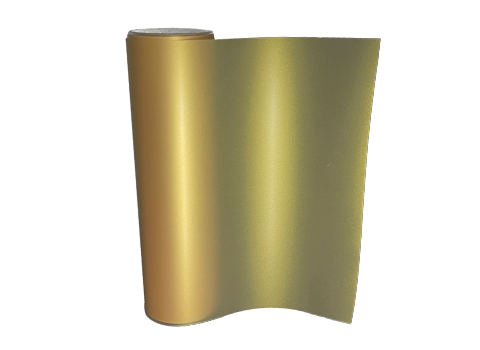
UV DTF printer technology prints onto film and transfers to multiple surfaces using UV curing.
- Works on: PVC, metal, acrylic, wood
- Output: high gloss, scratch-resistant finish
- Advantage: premium visual impact + durability
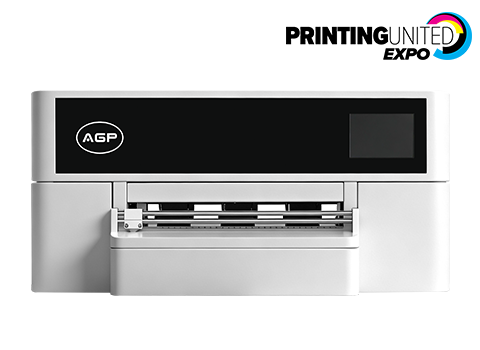
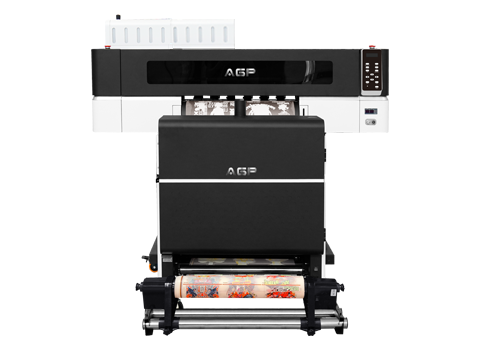
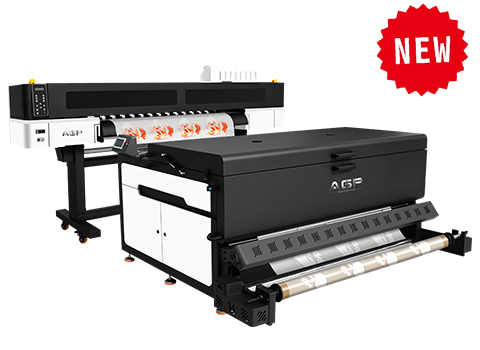
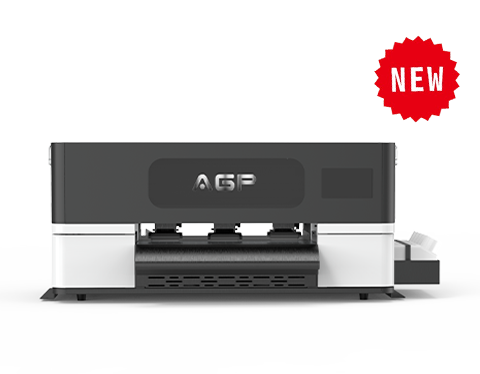
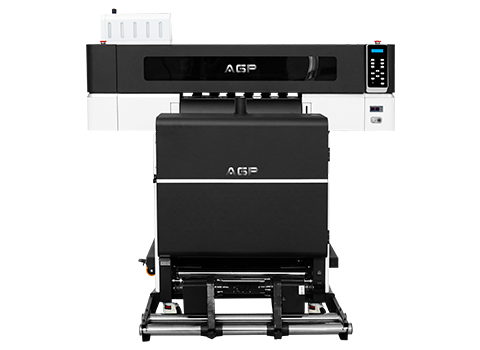
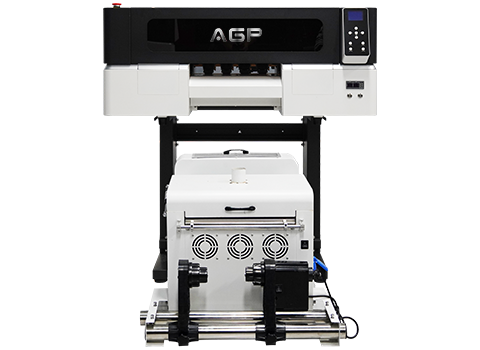
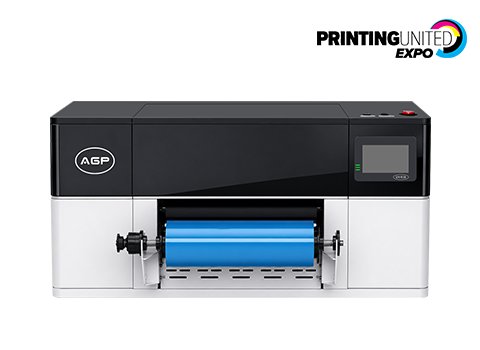
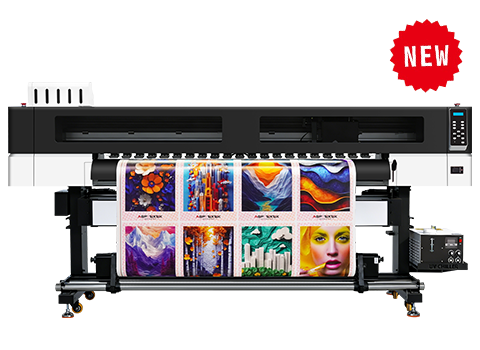
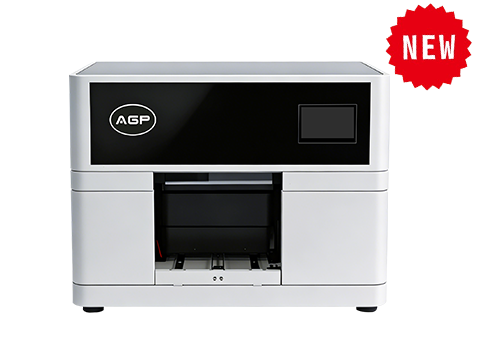
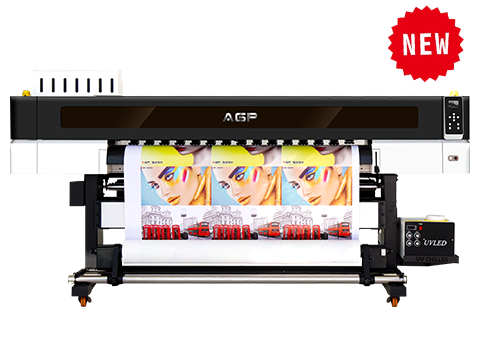
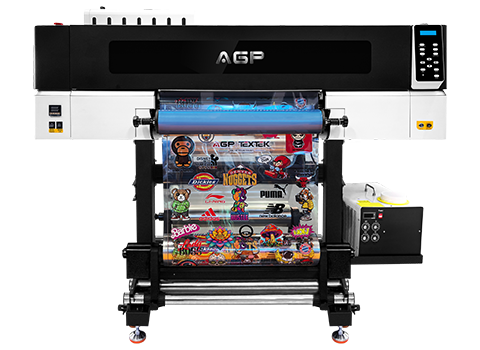
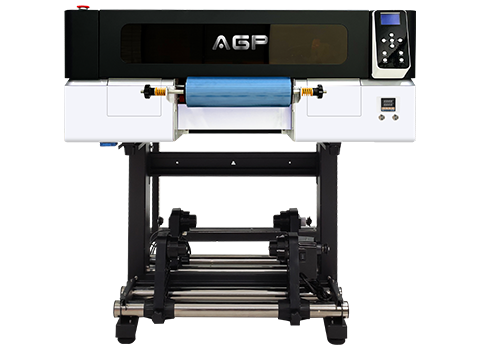
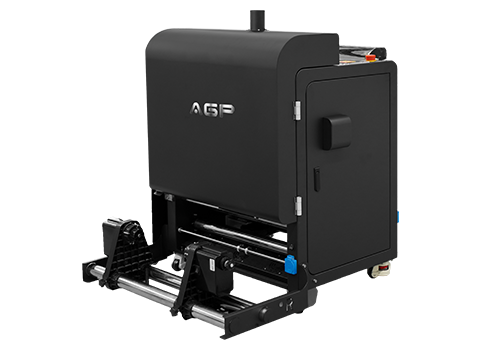
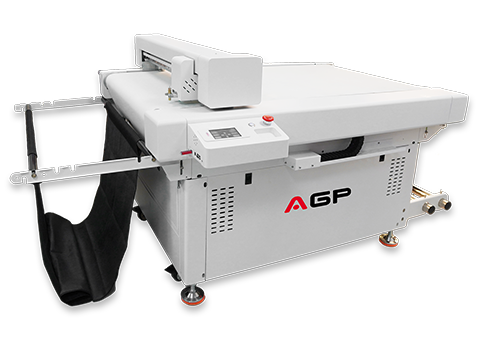
This is where brands like AGP uv dtf printer solutions are rapidly gaining attention in the card printing machine comparison market.
Why UV DTF Card Printing Is Leading the Market
Among all technologies, uv dtf card printing is becoming the most disruptive solution.
Material Freedom
Unlike traditional systems, UV DTF supports:
- Plastic cards
- Acrylic cards
- Metal surfaces
- Textured specialty materials
High Precision Output
Even micro text and complex logos remain sharp and stable.
Advanced Surface Effects
Users can achieve:
- Gloss finish
- Matte finish
- Raised texture effects
Long-Term Durability
UV curing ensures:
- Anti-scratch performance
- Waterproof stability
- Fade resistance
This makes it ideal for premium business card printing and gift card printing machine applications.
AGP UV DTF Printers for Professional Card Production
In the professional printing industry, AGP UV DTF printers are widely used due to their stability and output quality.
Key Advantages
- White ink circulation system for dark material printing
- Instant UV curing system for zero drying time
- High stability for both small batches and mass production
- Anti-collision protection system for precision printing
Business Value
They are widely adopted in:
- Print shops
- Creative studios
- Custom gift manufacturers
This makes AGP one of the strongest choices in uv dtf printer business expansion.
How to Choose the Right Card Printer
1. Production Volume
- Small scale → inkjet or dye sublimation
- High volume → UV DTF system
2. Material Range
If you need PVC or acrylic printing, UV DTF is essential.
3. Design Complexity
High-detail artwork requires UV DTF or high-end dye sublimation.
4. ROI Strategy
Although UV DTF requires higher initial investment, it offers:
- Higher profit margin
- Premium pricing capability
- Faster return in commercial printing
Cost and ROI in Card Printing Business
Initial Investment
- Inkjet: low entry cost
- Dye sublimation: medium cost
- UV DTF: higher cost but scalable
Operating Cost
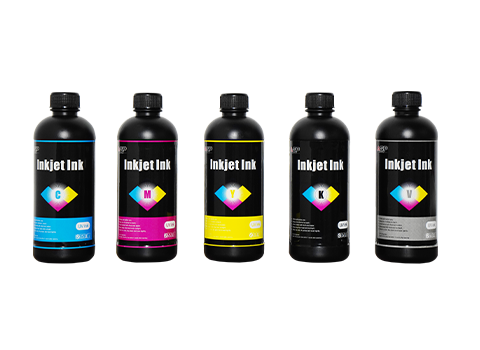
Includes ink, film, and maintenance. UV DTF has higher consumables but better output value.
Profit Potential
- Business cards: high frequency orders
- Gift cards: high margin products
- Membership cards: long-term contracts
This makes custom invitation printing and premium cards highly profitable.
Step-by-Step UV DTF Card Printing Process
- Design creation using software tools
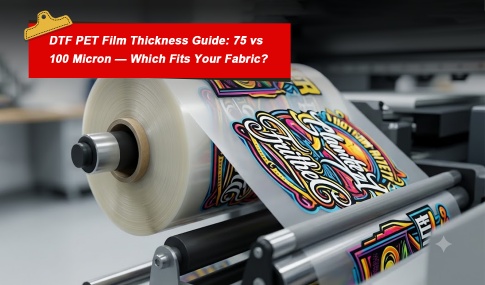
- Print onto UV DTF film with white base layer
- Apply transfer film onto card surface
- UV curing for instant drying
- Final product inspection and delivery
This workflow ensures stable production quality for pvc card printing and premium card output.
Common Mistakes in Card Printing
- Using incompatible materials
- Skipping color calibration
- Ignoring surface protection layers
- Using low-grade ink or film
These mistakes often reduce output quality and damage brand perception.
Final Conclusion
Card printing is no longer just a basic production task—it is a branding strategy tool.
Among all technologies:
- Inkjet = entry-level
- Laser = bulk efficiency
- Dye sublimation = photo-quality niche
- UV DTF = premium industry standard
For businesses aiming at high-end markets, uv dtf card printing with AGP UV DTF printers offers the best combination of quality, durability, and profit potential.