
Why Is My DTF Print Cracking After Washing? (And How to Fix It)
Your custom t-shirts look stunning fresh off the heat press, but after three trips through the washing machine, the designs start cracking. This is one of the most frustrating customer complaints in the custom apparel business. In this troubleshooting guide, we break down the real causes of DTF print cracking and how to bulletproof your wash durability.
Quick Action Plan: Fixing DTF Cracking
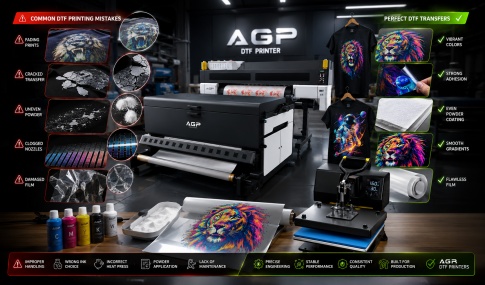
- The Primary Culprit: Over-cured or under-cured TPU adhesive powder. Under-curing leaves the back sandy and weak; over-curing makes the glue brittle like glass.
- The Missing Step: Skipping the second finishing press (using a Teflon or parchment sheet) leaves ink and adhesive unmerged into the fabric weave.
- The Solution: Target an even "orange peel" gloss during baking, press garments at 140°C–150°C (280°F–300°F) for 12–15 seconds, and always finish with a 5-second re-press.
The Root Cause: It All Starts at the Curing Oven
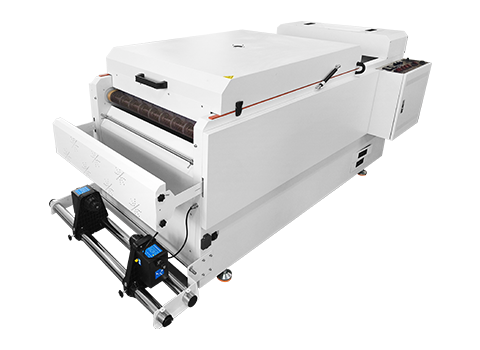
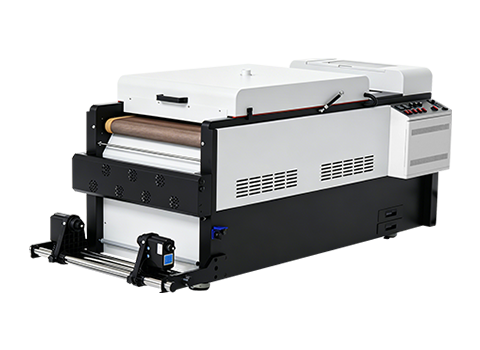
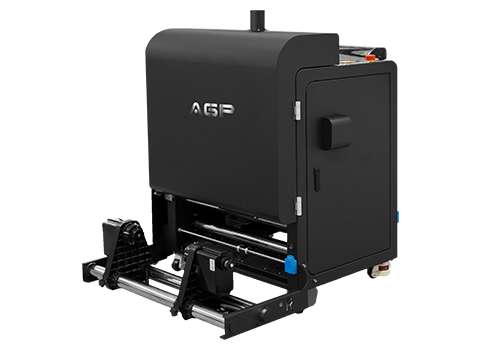
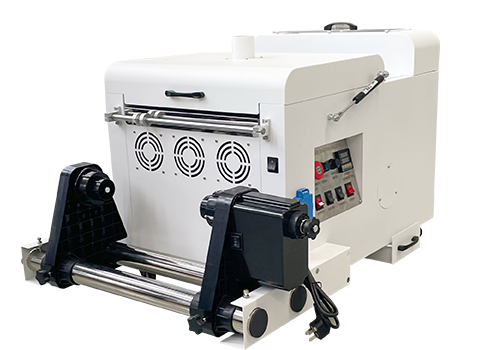
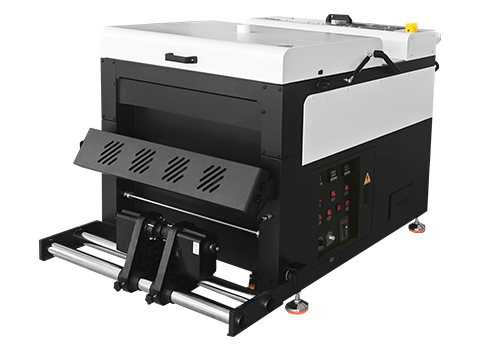
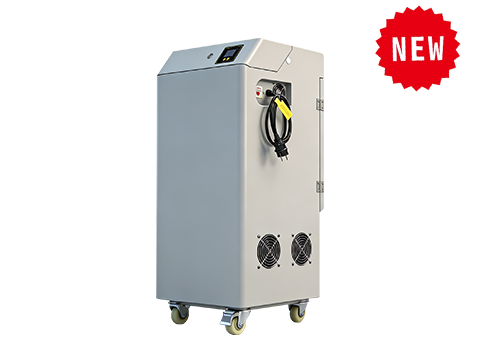
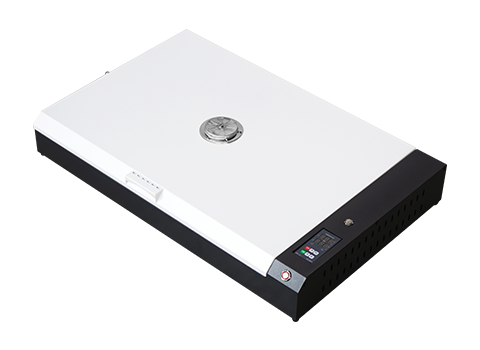
Many shops blame the heat press or fabric quality when prints crack, but the actual fault usually happens earlier—inside the DTF curing oven or shaker tunnel.
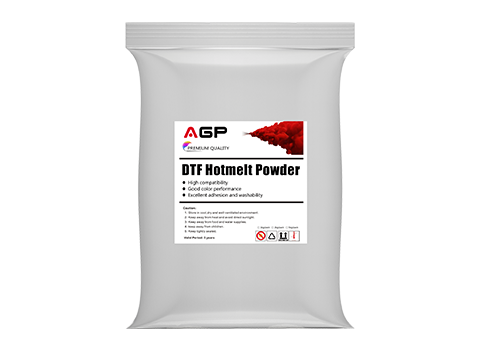
Hot-melt TPU powder acts as the glue bonding your print to the shirt. If the powder is baked incorrectly, it loses its elasticity:
- Under-Cured Powder: Individual grains never fully melt together. The back of the film feels gritty or sandy. The transfer presses fine at first, but disintegrates and sheds under wash agitation.
- Over-Cured Powder: Left too long under intense heat, the adhesive turns glassy, rigid, and brittle. When the customer stretches the t-shirt, the stiff ink film snaps, creating permanent cracks.
Curing States & Wash Durability Matrix
| Powder State | Visual Texture (Back of Film) | Wash Test Result (After 5 Washes) |
|---|---|---|
| Under-Cured | Gritty, sandy, loose white dust particles | Edges lift, ink flakes off, high wash failure. |
| On-Target (Optimal) | Soft, even, textured "orange peel" gloss | Survives 75+ washes with zero cracking or peeling. |
| Over-Cured | Glassy, shiny, brittle, slightly yellowed | Cracks instantly upon stretching; ink web fractures. |
4 Ways to Stop DTF Prints from Cracking
1. Master the "Orange Peel" Visual Check
Stop relying solely on oven timers. Different powder brands and ambient room temperatures change melt rates. Watch the surface of your powder under the oven's heating element; pull the sheet out the exact moment the white grains melt into a smooth, uniform **orange-peel texture**.
2. Never Skip the Second Finishing Press
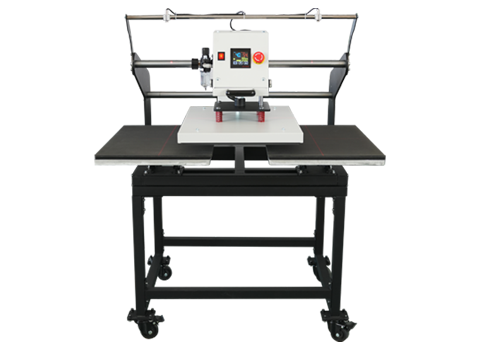
After you peel away the transfer film from the hot or cold garment, the ink is exposed directly to the air. Always perform a second finishing press. Cover the design with a Teflon sheet or parchment paper and press for an additional 5 to 8 seconds. This locks the ink into the fabric pores and smooths out microscopic micro-cracks.
3. Adjust Heat Press Pressure and Temperature
Too much pressure or excessive heat (above 160°C / 320°F) bakes the ink twice, turning the transfer into rigid plastic. Set your heat press between 140°C and 150°C (280°F–300°F) with medium, even pressure for 12 seconds.
4. Check Your Workshop Humidity
Damp TPU powder clumps together inside storage bins or powder shakers. Clumped powder melts unevenly, leaving thick patches that crack easily under stress. Keep your powder and film stored in a sealed container with humidity maintained between 40% and 60%.
Frequently Asked Questions (FAQ)
Does fabric choice affect whether DTF prints crack?
Yes. Highly stretchy synthetic fabrics like spandex or athletic polyester pull heavily on rigid prints. If you print on stretchy garments, ensure you use a soft, elastic-grade TPU powder and lower your press dwell time.
Why do my prints look fine at first, but crack after the first wash?
This is the classic symptom of an under-cured or un-pressed transfer. The adhesive temporarily held the garment fibers together under initial pressure, but water agitation and detergent broke the weak surface bond.
Should I use hot peel or cold peel film for better wash durability?
Both peel types achieve excellent wash resistance if cured properly. However, instant hot-peel films formulated with modern adhesive blends offer superior initial stretch, reducing stress fractures on cotton tees.
Produce Crack-Free, Durable Transfers with AGP
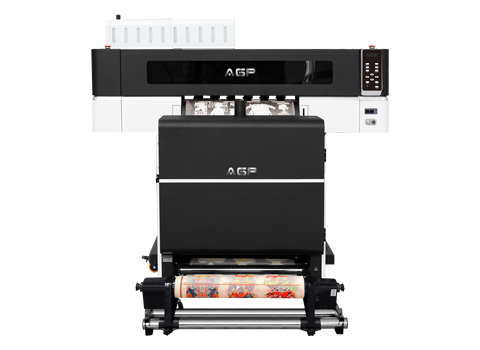
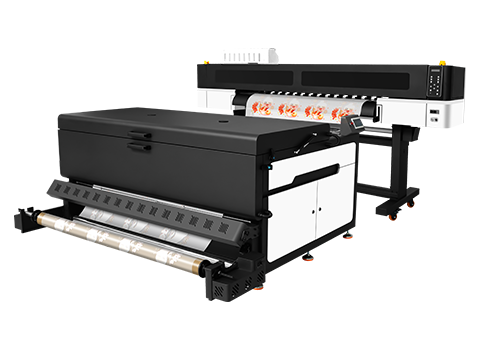
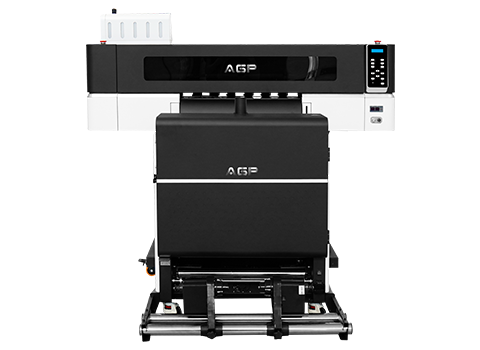
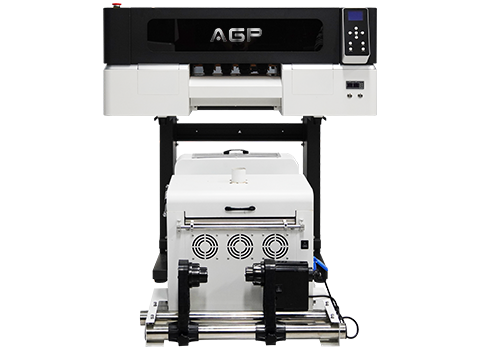
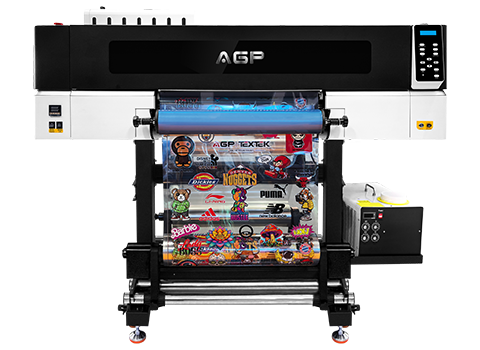
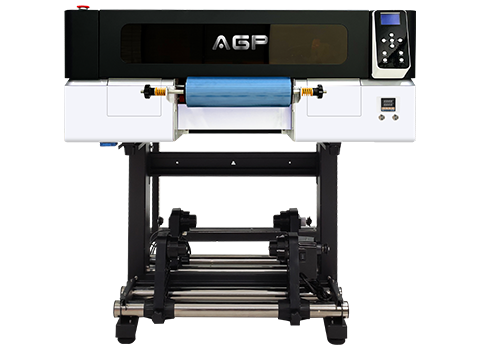
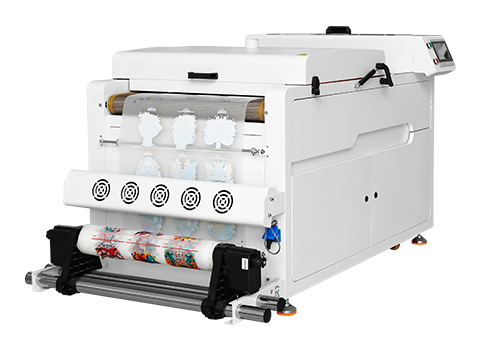
Tired of wash durability complaints and customer returns? AGP high-performance DTF printers, stable convection ovens, and premium consumables give your apparel business professional results every time.
Get Free Sample Prints & Equipment Quote