










What Environmental & Safety Standards (OEKO-TEX / MSDS) Do You Need to Know When Selling DTF Printed Apparel?
Are your DTF printed garments compliant with international chemical safety standards? As global textile regulations tighten across North America, Europe, and Australia, selling custom printed apparel requires more than just high print quality—it demands strict chemical compliance. In this guide, we break down essential regulations like OEKO-TEX Standard 100, CPSIA, RoHS, and MSDS, explaining exactly what B2B buyers and apparel brands must look for in DTF inks, TPU powders, and PET films to avoid costly legal customs recalls.
Quick Summary: Critical Compliance Standards for DTF Printing
- OEKO-TEX® Standard 100: Tests for toxic substances in textiles. Crucial for eco-conscious apparel brands and mandatory for baby and toddler garments (Class I).
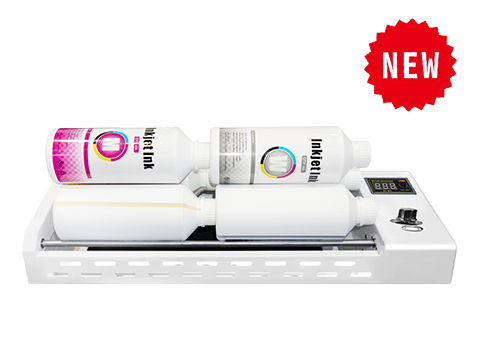
- MSDS / SDS (Safety Data Sheet): Document outlining chemical properties, handling, safety hazards, and emergency protocols for DTF pigment inks, cleaner solutions, and hot-melt TPU powders.
- CPSIA (US) & REACH (EU): Restricts heavy metals, lead, and phthalates in consumer goods—especially children's clothing.
Why Does Chemical Compliance Matter in DTF Apparel Printing?
In traditional apparel decoration, compliance was largely handled by garment manufacturers. However, with Direct-to-Film (DTF) printing, chemical consumables—specifically pigment inks and TPU hot-melt adhesive powders—become an integral part of the finished garment.
If your ink or powder contains harmful heavy metals, formaldehyde, or restricted phthalates, the finished garment will fail import customs testing. Non-compliant apparel can result in severe financial penalties, product recalls, and blacklisting by major retail platforms like Amazon, Etsy, and Zalando.
Key International Compliance Certificates for DTF Consumables
When purchasing DTF equipment and consumables, always demand authentic certification documentation from your supplier. Here are the core regulations you must know:
| Standard / Certification | Target Market | Key Requirements | Tested Consumable |
|---|---|---|---|
| OEKO-TEX® Standard 100 | Global / Europe / US | Free of toxic azo dyes, heavy metals, formaldehyde, and harmful volatile organic compounds (VOCs). | DTF Pigment Ink, Hot-Melt Powder, PET Film |
| CPSIA (Consumer Product Safety Improvement Act) | United States | Lead content under 90 ppm and strict ban on regulated phthalates (plasticizers) in children's products. | Cured DTF Transfer Print & TPU Powder |
| EU REACH Regulation | European Union | Restricts Substances of Very High Concern (SVHC) in chemical substances used during textile processing. | Inks, TPU Powders, and Solvents |
| MSDS / SDS | Global (Workplace Safety & Logistics) | Detailed chemical breakdown, flashpoints, safe handling, ventilation, and air freight transport compliance. | All Liquids & Chemical Powders |
Deep Dive: What Is an MSDS and Why Do Custom Print Shops Need It?
An MSDS (Material Safety Data Sheet), also known as SDS, is a standardized safety document mandated by occupational health authorities worldwide (such as OSHA in the US).
Three Reasons You Need MSDS Reports for Your DTF Supplies:
- Customs & Air Cargo Clearance: Liquid DTF pigment inks and fine TPU powders are closely inspected during international transport. Freight forwarders require an official MSDS to verify that supplies are non-hazardous for air shipping.
- Workplace Safety & Air Quality Standards: During the heating and powder curing process, volatile organic compounds (VOCs) and airborne dust can enter the workshop. MSDS details the required air filtration (e.g., fume extractors) and personal protective equipment (PPE).
- Commercial B2B Audit Requirements: When pitching custom merch deals to corporate clients or schools, buyers frequently request Safety Data Sheets to verify worker safety in your supply chain.
OEKO-TEX Product Classes: Why Baby Clothing Demands Extra Caution
When applying for OEKO-TEX certification, products are categorized into four distinct risk classes based on human skin contact. If you decorate children's wear, understanding these tiers is vital:
Class I: Baby & Toddler Items (Up to 36 Months)
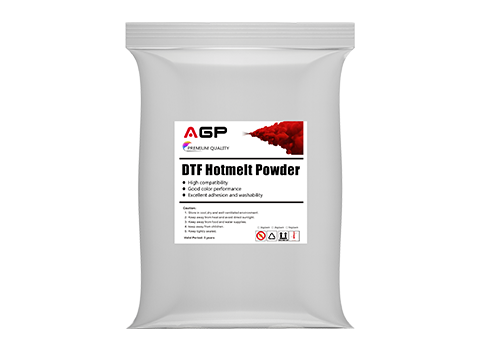
Has the strictest limits against heavy metals, formaldehyde, and skin irritants. Inks and TPU adhesive powders used on baby bodysuits and bibs must strictly pass Class I limits to prevent harmful chemicals from absorbing through delicate skin or being ingested.
Class II: Direct-to-Skin Contact Textiles
Covers standard adult apparel, such as T-shirts, underwear, hoodies, activewear, and bed sheets that directly touch human skin.
Class III & IV: Outerwear & Home Decor
Covers items with minimal or no direct skin contact, such as heavy winter jackets, canvas tote bags, curtains, and upholstery.
3-Step Compliance Checklist for B2B Apparel Decorators
Before launching a new DTF printing line or fulfilling overseas orders, follow this checklist to ensure complete compliance:
- 1. Request Original Test Reports: Ask your supplier for genuine lab reports issued by accredited third-party testing institutions (such as SGS, TÜV Rheinland, or Intertek) rather than unverified self-declarations.
- 2. Verify Batch Consistency: Ensure that the OEKO-TEX or REACH certificates explicitly match the specific model numbers of the DTF pigment ink, TPU adhesive powder, and release film you are using in production.
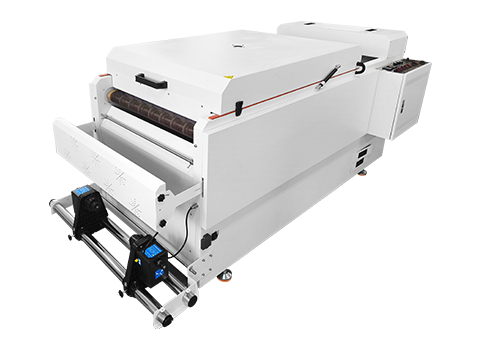
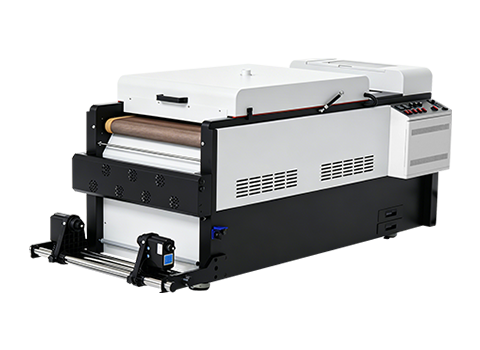
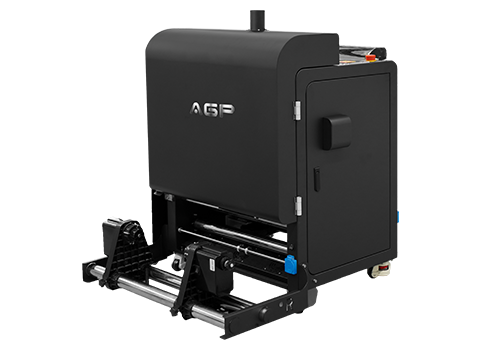
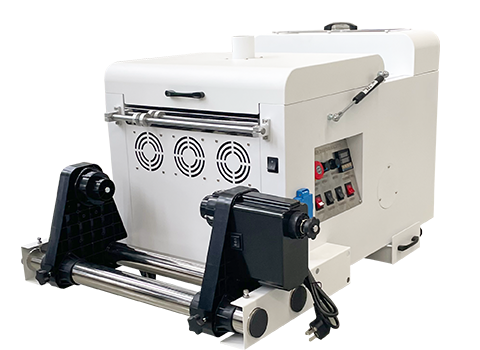
- 3. Implement Workshop Fume Extraction: Even eco-friendly TPU powders release micro-particles and heat fumes during the oven curing process. Always operate powder shakers with an industrial HEPA/activated carbon air purifier (such as AGP Air Purifier Series).
Frequently Asked Questions (FAQ)
Are standard water-based DTF inks eco-friendly?
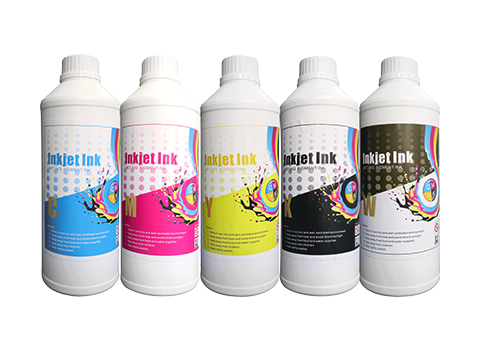
Yes, premium water-based DTF pigment inks are significantly more environmentally friendly than traditional PVC plastisol inks. High-grade DTF inks do not contain toxic plasticizers (phthalates) or volatile solvents, making them safer for operators and end consumers.
Can eco-certified DTF transfers withstand repeated commercial washing?
Absolutely. Eco-friendly TPU powders and high-density pigment inks engineered under OEKO-TEX standards maintain superior wash fastness (40+ industrial wash cycles) without color fading, cracking, or loss of stretch elasticity.
Where can I get MSDS documentation for AGP DTF printers and consumables?
AGP provides comprehensive, up-to-date MSDS documents and safety compliance certificates for all pigment inks, hot-melt powders, and specialty transfer films. You can request these documents directly from your assigned account representative or via our support team.
Build a Safe, Certified & Profitable DTF Business with AGP
At AGP, we prioritize chemical safety, operational stability, and global export compliance. Partner with us to access certified industrial DTF equipment, eco-friendly consumables, and full documentation to support your global brand expansion.
Request Compliance Certificates & Samples