
UV Printing and DTF Printing Explained: Technology, Advantages, and Use Cases
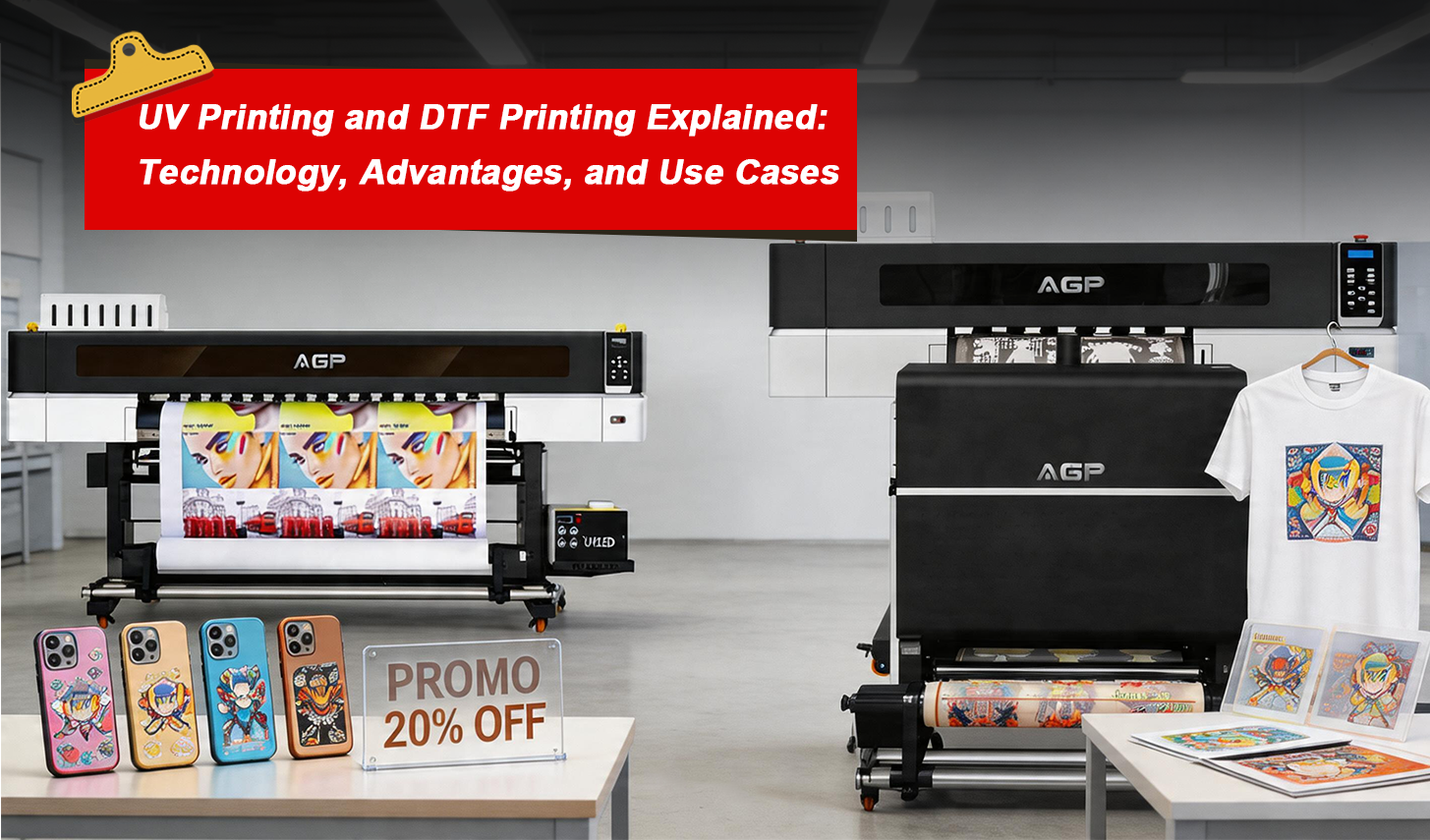
The digital printing industry has evolved rapidly in recent years. Technologies such as UV printing and DTF printing (Direct-to-Film printing) are transforming how businesses produce customized products, promotional items, and personalized apparel.
For companies entering the custom printing market, choosing the right printing technology can directly impact production efficiency, product quality, and long-term profitability. While both UV printers and DTF printers belong to the digital printing category, their working principles, applications, and advantages are quite different.
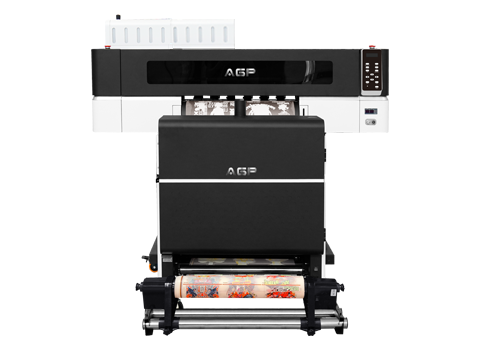
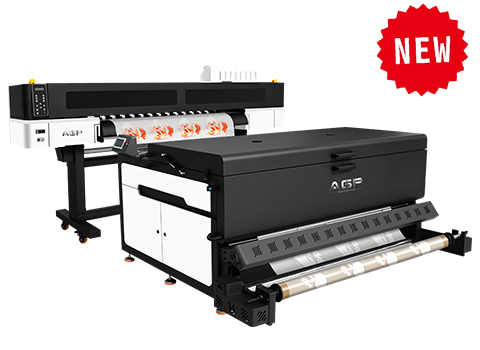
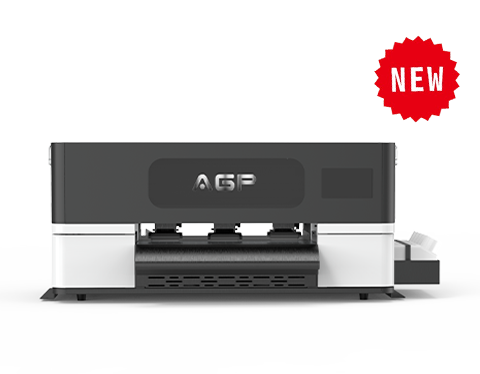
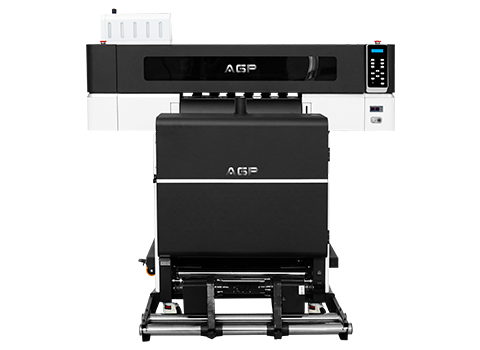
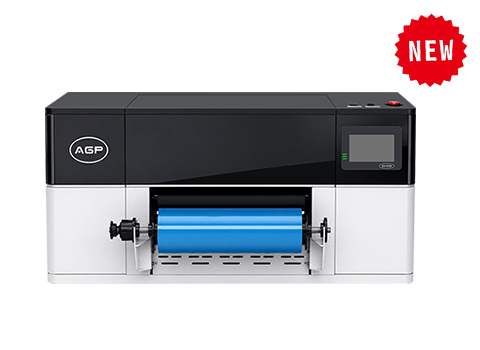
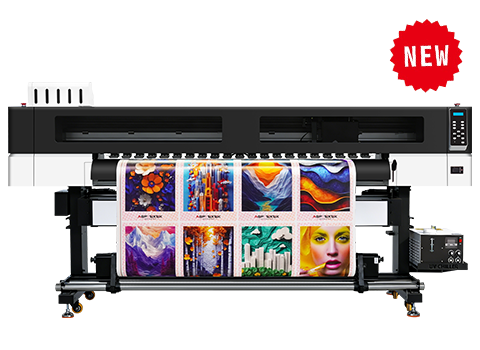
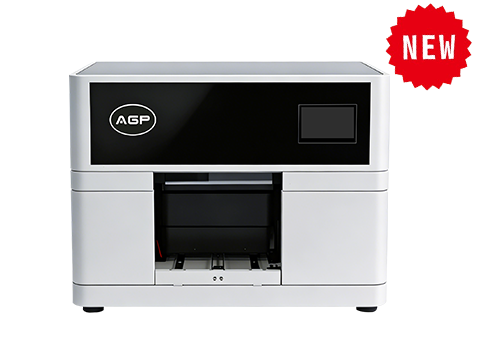
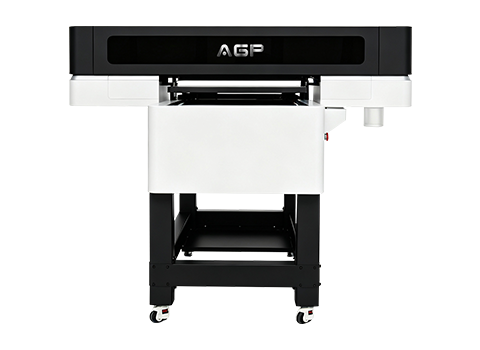
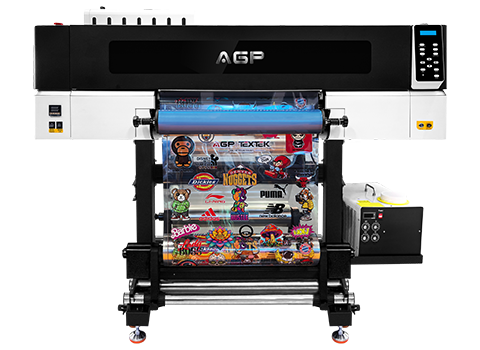
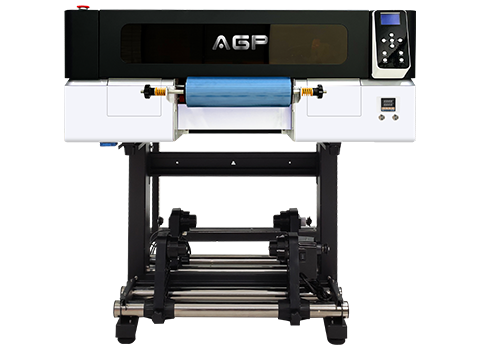
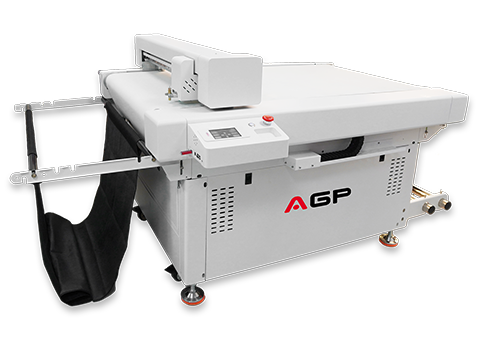
As a professional manufacturer of digital printing equipment, AGP provides advanced DTF printers, UV printers, UV DTF printers, and digital textile printing solutions for businesses around the world. In this article, we will explore the fundamental differences between UV printing and DTF printing, helping you decide which technology better suits your business needs.
What is UV Printing?
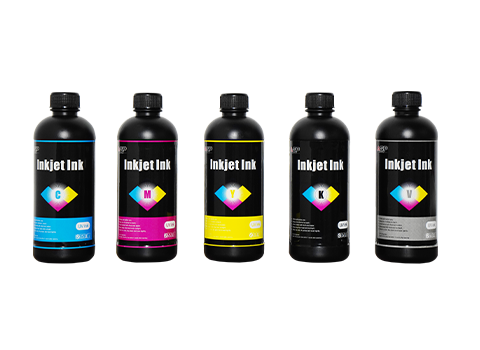
UV printing is an advanced digital printing technology that uses ultraviolet light to instantly cure specially formulated UV ink after it is deposited onto a material’s surface.
Unlike traditional printing methods that require drying time, UV printers solidify the ink almost immediately through UV light exposure. This rapid curing process produces sharp images, vibrant colors, and highly durable prints.
One of the biggest advantages of UV printing technology is its ability to print directly onto a wide variety of materials, including:
- Glass
- Metal
- Acrylic
- Plastic
- Wood
- Ceramic
- Leather
- Promotional items
Because of its versatility, UV flatbed printers have become widely used in industries such as advertising, packaging, industrial decoration, signage, and promotional products.
How UV Printing Technology Works
The working process of a UV printer is relatively straightforward but highly efficient.
First, the printer deposits UV-curable ink onto the surface of the material. Immediately after the ink is applied, built-in UV LED lamps expose the ink to ultraviolet light.
This exposure triggers a chemical reaction that causes the ink to instantly cure and solidify.
The benefits of this curing process include:
- Preventing ink spreading or smudging
- Producing crisp, high-resolution prints
- Increasing durability and scratch resistance
- Allowing printing on non-porous materials
Because the ink dries instantly, UV digital printing enables faster production speeds and more consistent print quality.
Modern UV flatbed printers and UV DTF printers can also produce embossed textures, glossy effects, and layered printing, opening new creative possibilities for customized products.
Advantages of UV Printing
UV printing has gained popularity across many industries due to several key advantages.
Material Versatility
A UV printer can print on a wide range of rigid and flexible substrates, including plastic, glass, metal, wood, and acrylic. This allows businesses to expand their product offerings without investing in multiple printing technologies.
Exceptional Durability
Because the UV ink forms a strong bond with the surface during curing, the prints are highly resistant to:
- scratches
- water
- UV exposure
- outdoor weather conditions
This makes UV printing ideal for outdoor signage, industrial labels, and decorative products.
High Image Quality
UV digital printing produces high-resolution images, vivid colors, and fine details, making it suitable for premium decorative items and branding materials.
Eco-Friendly Printing
Compared with traditional solvent-based printing methods, UV printing technology emits fewer volatile organic compounds (VOCs). The instant curing process also reduces ink waste and energy consumption.
Common Applications of UV Printers
Thanks to its flexibility, UV printing is widely used in multiple industries.
Typical applications include:
- Advertising signage
- Custom promotional products
- Phone cases and gift items
- Industrial labels
- Packaging printing
- Glass decoration
- Acrylic displays
- Home décor products
Many businesses also use UV flatbed printers to create personalized gifts, branded merchandise, and customized packaging solutions.
What is DTF Printing?
DTF printing (Direct-to-Film printing) is a rapidly growing digital textile printing technology designed specifically for garment customization and fabric decoration.
Instead of printing directly onto fabric, DTF printers print the design onto a special PET transfer film using DTF ink. The printed film is then coated with hot melt adhesive powder and cured before being transferred onto fabric using a heat press machine.
This process allows high-quality designs to be applied to a wide variety of fabrics with excellent durability and color vibrancy.
Because of its flexibility and ease of use, DTF printing technology has become one of the most popular solutions for custom apparel printing.
How DTF Printing Works
The DTF printing workflow consists of several steps.
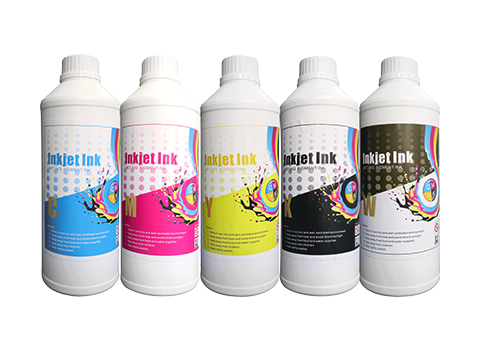
First, a digital design is printed onto DTF PET film using a DTF printer with CMYK + white ink.
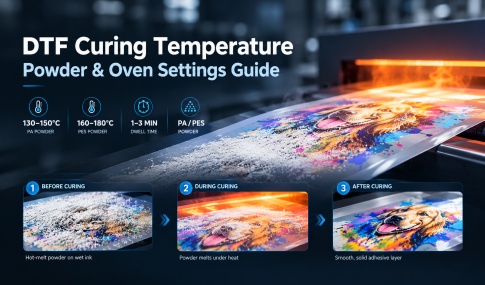
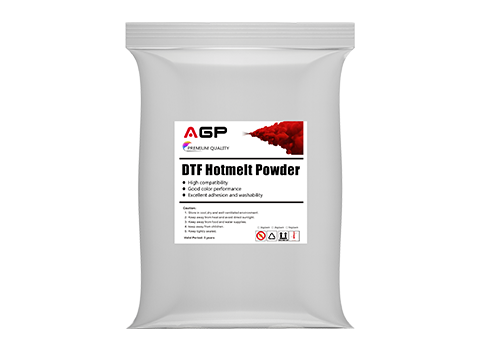
Next, hot melt adhesive powder is applied to the wet ink layer. This powder sticks only to the printed areas.
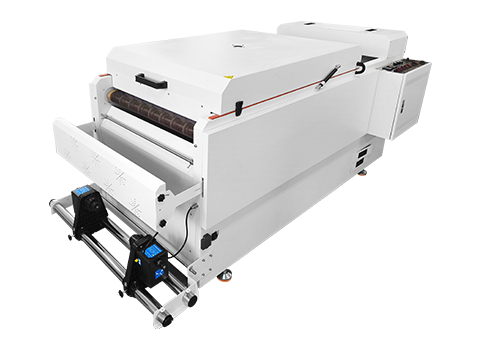
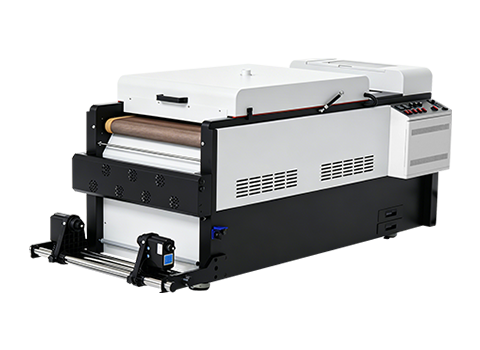
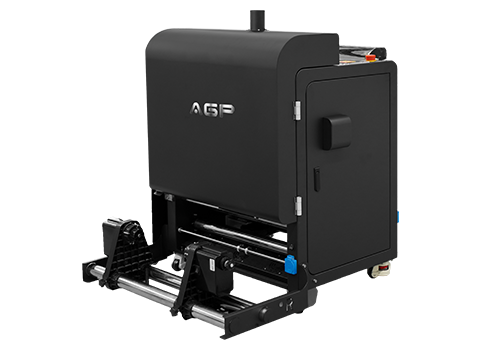
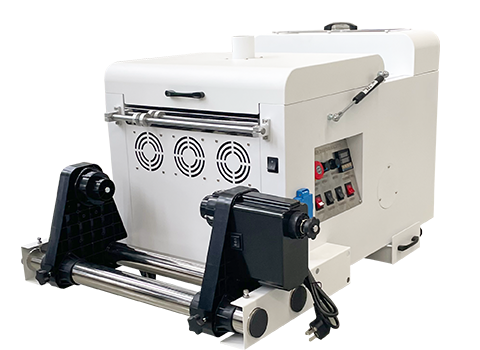
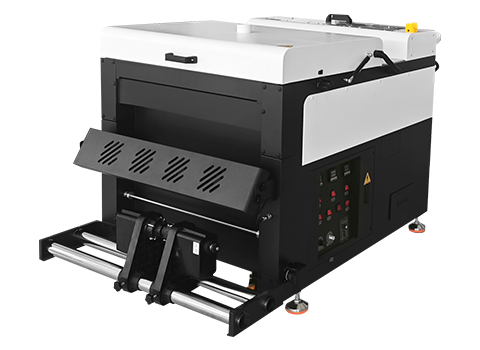
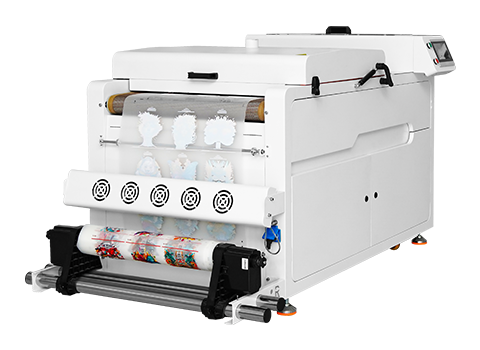
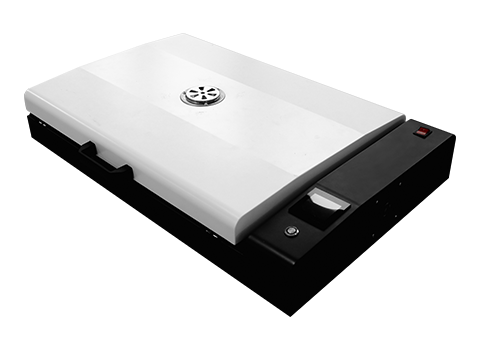
After that, the film passes through a powder shaker and curing oven, where the adhesive powder melts and bonds with the ink layer.
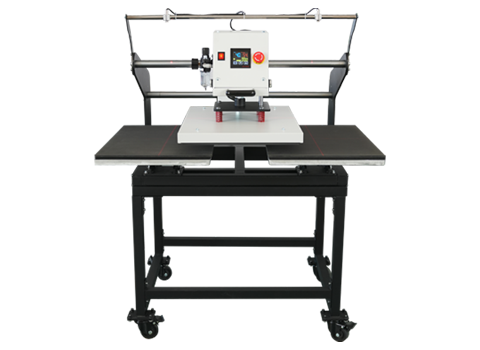
Finally, the design is transferred onto fabric using a heat press machine, where heat and pressure activate the adhesive and permanently bond the image to the garment.
This process produces soft, flexible, and durable prints suitable for many types of clothing.
Benefits of DTF Printing
DTF printing has quickly become a favorite technology among custom apparel businesses and on-demand printing companies.
Excellent Print Quality
Modern DTF printers produce bright colors, smooth gradients, and sharp details, making them ideal for complex artwork and brand logos.
Fabric Compatibility
DTF printing works on a wide range of fabrics, including:
- cotton
- polyester
- nylon
- blends
- canvas
This versatility allows businesses to produce many types of customized garments.
No Pre-Treatment Required
Unlike DTG printing, DTF printing does not require fabric pre-treatment. This simplifies the production workflow and reduces preparation time.
Strong Wash Resistance
DTF transfers provide excellent durability. When applied correctly, the printed design can withstand repeated washing without cracking or fading.
Common Applications of DTF Printers
DTF printing is widely used in the textile and apparel industry.
Popular applications include:
- custom T-shirts
- hoodies
- sportswear
- work uniforms
- promotional apparel
- fashion garments
- personalized gifts
Because DTF printing supports small-batch production and on-demand customization, it is especially attractive for startup printing businesses and e-commerce brands.
UV Printing vs DTF Printing: Key Differences Explained
Although both technologies belong to digital printing, their applications and printing processes are very different.
Printing Technology
- UV printing uses ultraviolet light to cure ink directly on material surfaces.
- DTF printing transfers designs onto fabric using PET film, adhesive powder, and heat pressing.
Material Compatibility
- UV printers work best with rigid materials like glass, acrylic, plastic, and metal.
- DTF printers are specifically designed for textile printing and garment customization.
Durability
- UV prints are highly resistant to weather, making them ideal for outdoor applications.
- DTF prints provide excellent wash durability for apparel.
Typical Industries
UV printing is commonly used in:
- signage
- packaging
- decorative products
- industrial printing
DTF printing is mainly used in:
- apparel customization
- fashion production
- promotional clothing
- sportswear printing
Which Printing Technology Is Right for Your Business?
Choosing between UV printing and DTF printing depends largely on your target market and production needs.
If your business focuses on custom promotional products, packaging, signage, or rigid materials, a UV printer may be the better investment.
However, if your goal is to enter the custom apparel industry, produce T-shirts, hoodies, and textile products, then a DTF printer will be the ideal solution.
Many successful businesses today even combine both technologies to expand their product offerings and increase revenue opportunities.
Conclusion
Both UV printing and DTF printing are powerful technologies that are reshaping the digital printing industry.
UV printers excel at producing durable prints on rigid materials, making them perfect for signage, packaging, and promotional products. Meanwhile, DTF printers are revolutionizing the custom apparel market by enabling vibrant, long-lasting prints on various fabrics.
With years of experience in digital printing equipment manufacturing, AGP provides professional DTF printers, UV printers, UV DTF printing solutions, and textile printing equipment designed to help businesses grow.
Whether you want to launch a custom garment brand or expand into industrial UV printing, AGP offers the technology and expertise needed to support your success.
If you are looking for reliable DTF printing machines or UV printing solutions, explore AGP’s product lineup to discover the best equipment for your business.