
Sublimation Printer Buying Guide: Applications, Limits and How It Compares with UV Printer Technology
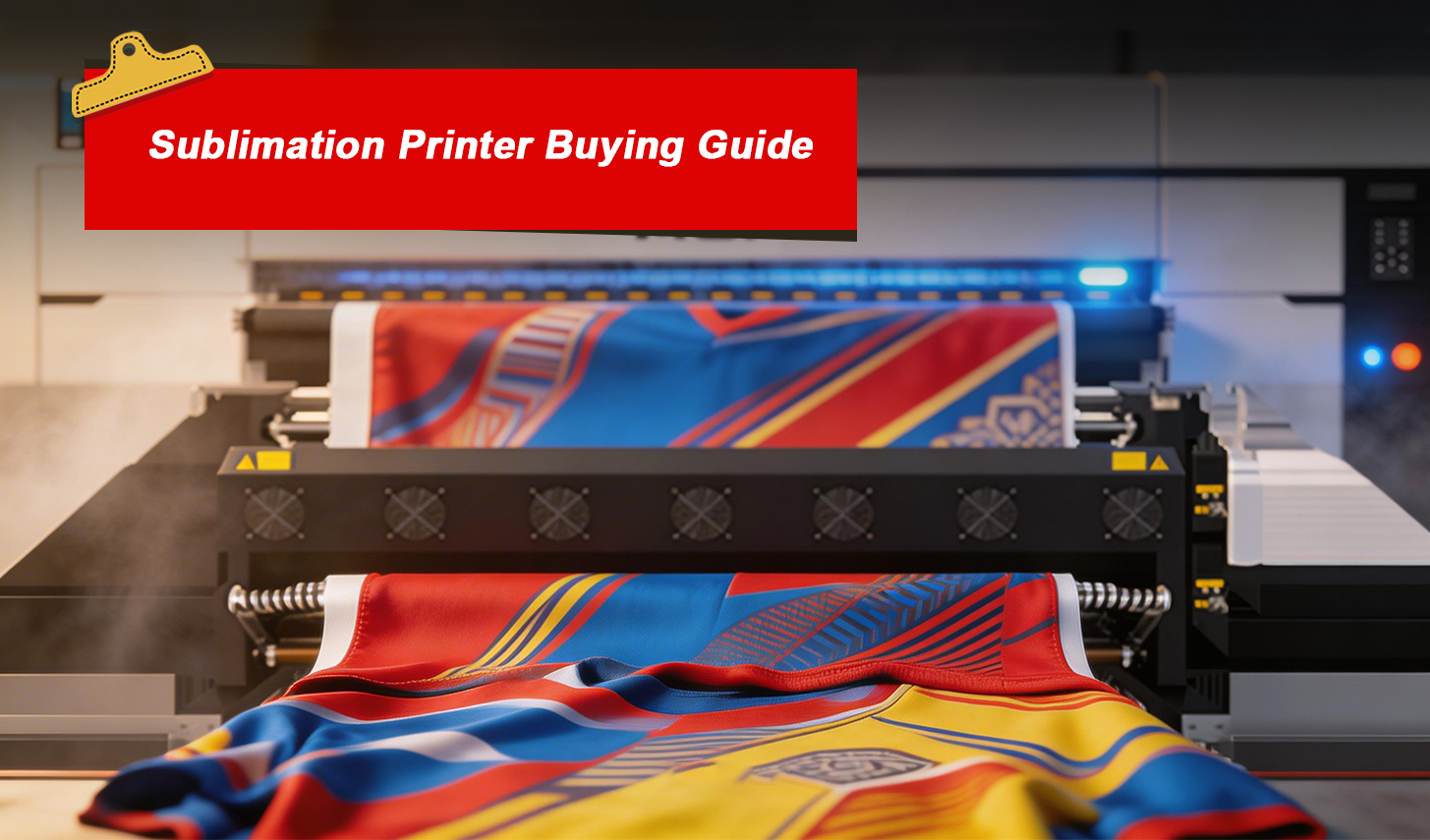
In today’s digital printing industry, technologies such as DTF printing and UV printing machines are rapidly reshaping the customization market. However, for many manufacturers, garment factories and large-scale production workshops, the sublimation printer still remains a highly stable and cost-effective solution.
A sublimation printer, also known as a dye sublimation printer, works by transferring special sublimation ink from solid directly into gas under high temperature and pressure, without passing through the liquid stage. The ink penetrates the coated substrate or polyester fabric and becomes part of the material itself.
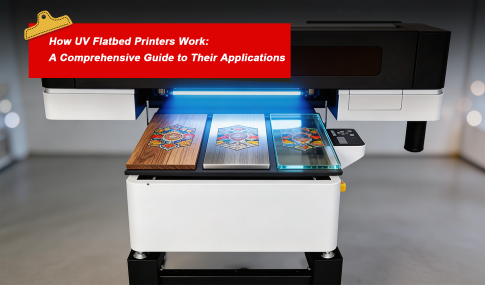
This physical bonding mechanism is fundamentally different from surface printing methods used by a UV printer or UV flatbed printer, where UV ink is cured on the surface by UV lamps. Instead of forming a raised ink layer, sublimation printing integrates color into the substrate, delivering a smooth, breathable and long-lasting image.
To run a complete sublimation printing workflow, a typical production line includes:
-
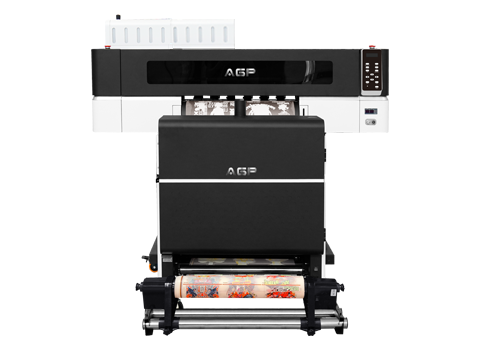
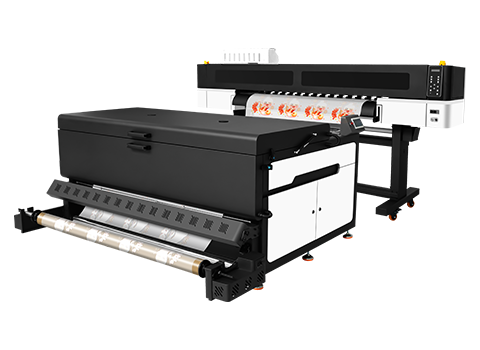
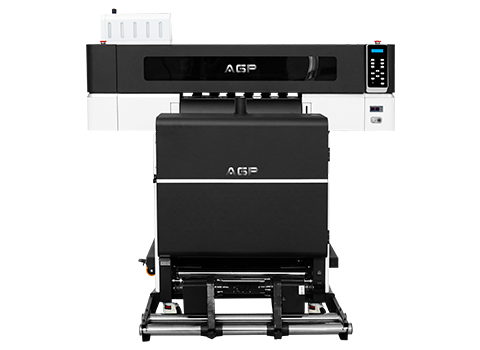
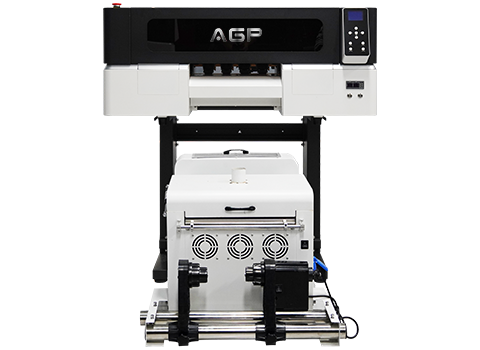
Sublimation printer
-
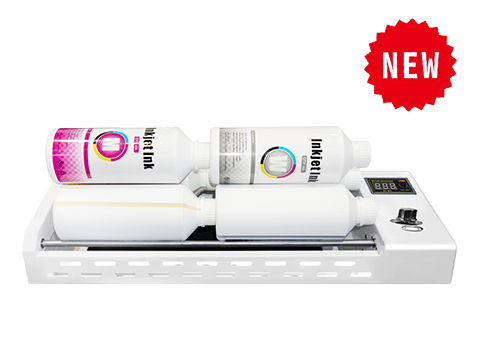
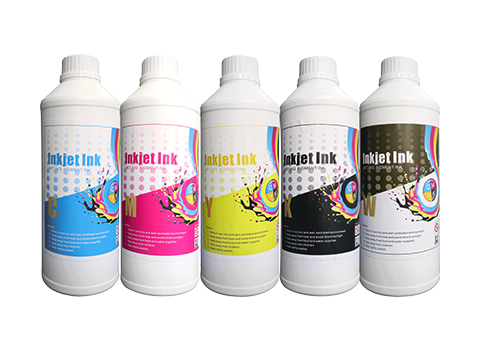
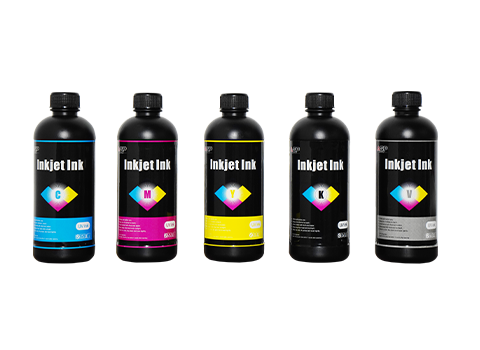
Sublimation ink
-
Sublimation transfer paper
-
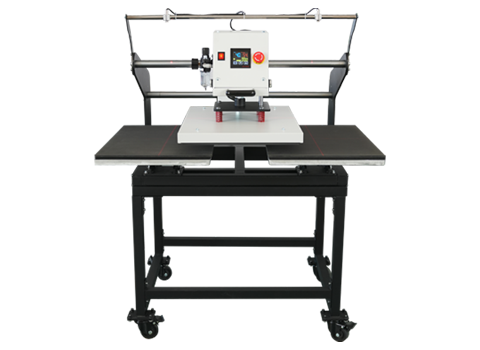
Heat press machine or rotary heat press
-
Design and RIP software
For many textile manufacturers and advertising factories, sublimation printing continues to serve as a core production method alongside newer technologies such as UV DTF printers and industrial UV printers.
How Does a Sublimation Printer Work?
Compared with traditional screen printing and some UV printer production workflows, sublimation printing is straightforward and beginner-friendly.
The standard process is usually composed of three stages:
Step 1 – Artwork preparation
Design files are created and adjusted on a computer and exported into supported formats for printing.
Step 2 – Printing on sublimation paper
The sublimation printer prints the image onto special sublimation paper using dedicated sublimation ink. Using ordinary dye ink or pigment ink will damage the print head and affect color stability.
Step 3 – Heat transfer
With the help of a flat heat press or rotary heat press machine, the printed design is transferred onto the final substrate under controlled temperature and pressure. For wide-format production, rotary heat presses are widely used in industrial environments.
Compared with UV printing machines that rely on UV curing systems and varnish layers, sublimation printing relies entirely on thermal transfer and gas diffusion.
Key Advantages of Sublimation Printers for Commercial Production
Even with the growing popularity of UV printer technology and UV flatbed printer solutions, sublimation printers still offer several important advantages for specific business scenarios.
First, sublimated images are extremely durable. Since the dye becomes part of the material itself, the printed graphics do not crack, peel or fade easily, even after repeated washing or long exposure to sunlight.
Second, the production workflow is highly efficient. Without the need for coating, varnish printing or UV curing, sublimation printing allows continuous, stable output for large batch orders.
Third, sublimation printers are especially suitable for factories focusing on personalized mass customization. Sportswear brands, promotional clothing manufacturers and event apparel suppliers benefit from the fast turnaround and consistent quality.
Fourth, sublimation printing offers an environmentally friendly alternative to many traditional ink systems. Compared with some solvent-based printing processes and certain industrial UV printer inks, sublimation inks generate less chemical residue during production.
Finally, sublimation printing delivers a soft hand feel. Unlike UV printing solutions or DTF printers that leave a visible ink layer, sublimated patterns remain breathable and comfortable on garments.
Limitations You Must Know Before Investing in a Sublimation Printer
Although sublimation printers are powerful, they are not universal solutions.
The first and most important limitation lies in material compatibility. Sublimation printing works mainly on polyester-based fabrics or specially coated hard substrates. Natural fibers such as cotton cannot be directly sublimated.
Secondly, sublimation printing is suitable only for light-colored or white substrates. Unlike a UV printer or UV DTF printer that can print white ink and build multilayer structures, sublimation printers cannot reproduce white graphics and cannot work properly on dark materials.
Another practical issue is print head maintenance. Like most digital printers, sublimation printers require regular operation and cleaning. Long idle time may cause nozzle clogging, affecting color output and productivity.
For customers who need to print on dark fabrics, leather, wood, acrylic, glass, metal or mixed materials, UV printing machines or DTF printers usually offer greater flexibility.
Main Applications of Sublimation Printing in Modern Customization
Sublimation printers are widely adopted across multiple customization sectors.
Personal apparel
Sportswear, team uniforms, yoga clothing and performance garments are the most typical sublimation products. Sublimation printing produces breathable, lightweight and wash-resistant designs that meet professional apparel requirements.
Gifts and personalized products
Mugs, photo frames, mouse pads, phone cases and keychains with polymer coatings are commonly produced using sublimation printers. This segment overlaps with some UV printer application fields, especially in gift personalization.
Promotional items and advertising materials
Flags, banners and soft signage benefit from sublimation printing due to vivid colors and strong outdoor durability. Compared with UV flatbed printer signage solutions, sublimation banners remain lightweight and foldable for transportation.
Home decor and interior textiles
Curtains, cushions, table covers, wall fabrics and decorative tiles can be produced in unified visual themes using sublimation printing. The long-term color stability supports hospitality, commercial interior and exhibition projects.
In many factories, sublimation printers operate together with UV printers, UV flatbed printers and UV DTF printers to form a complete diversified customization production line.
Sublimation Printer vs DTF Printer vs UV Printer
When choosing a digital printing solution today, most buyers compare sublimation printers with DTF printers and UV printers.
From a material perspective, DTF printers support almost all fabric types, including cotton, polyester and blends, while sublimation printers are limited mainly to polyester. UV printers and UV flatbed printers, on the other hand, are designed primarily for rigid and irregular substrates such as wood, acrylic, glass, metal, leather and plastic.
From a printing process perspective, DTF printing involves multiple steps including printing, powder application, curing and heat transfer. Sublimation printing follows a simpler three-step workflow. UV printer solutions rely on direct ink deposition and UV curing systems.
From a visual and tactile result perspective, sublimation images are embedded into the material surface, while DTF and UV printer outputs create a visible ink layer. UV DTF printers even allow raised varnish textures and 3D visual effects.
From a market application perspective, sublimation printers dominate textile decoration, especially in sportswear and advertising fabrics. DTF printers dominate garment customization. UV printers dominate signage, industrial labeling, packaging decoration, promotional items and rigid product personalization.
How to Decide Between Sublimation Printing and UV Printer Solutions
In real production environments, the question is rarely about choosing only one technology.
If your business mainly focuses on polyester garments, sportswear, banners and fabric-based advertising products, a sublimation printer is still a highly reliable investment.
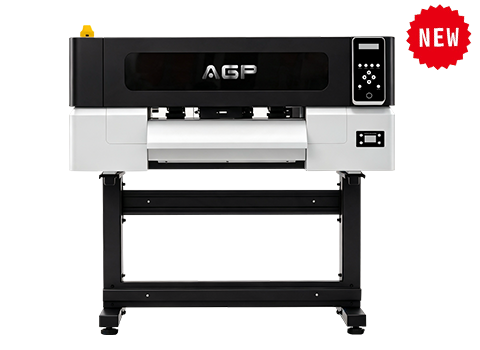
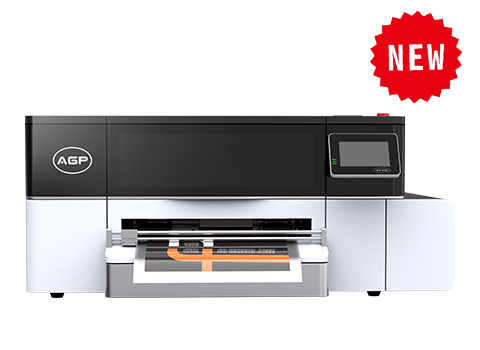
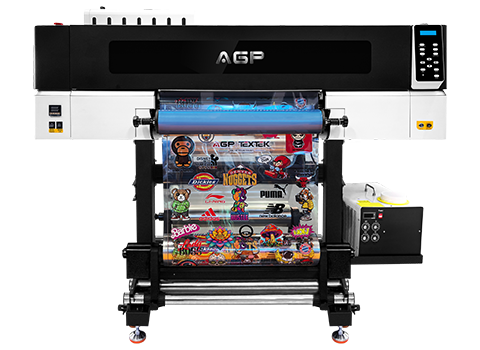
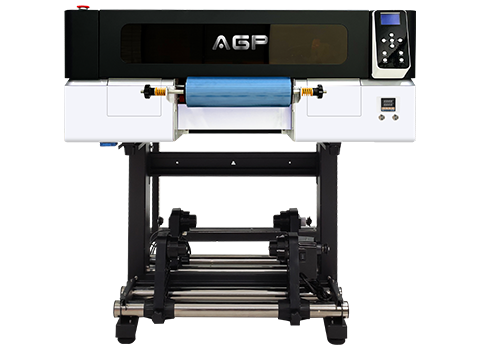
If your product portfolio includes rigid items such as phone cases, drinkware, signage boards, gift boxes, acrylic displays and industrial labels, a UV printer or UV flatbed printer from AGP will dramatically expand your production capability.
If you plan to enter the high-end personalized sticker and surface decoration market, UV DTF printers provide flexible transfer solutions without complex positioning or direct printing limitations.
In practice, many professional print shops combine sublimation printers with AGP UV printers to cover both textile and rigid material markets efficiently.
Conclusion
Sublimation printers remain a powerful production tool in modern digital printing, especially for apparel, fabric decoration and mass customization businesses. Their smooth touch, long-term durability and stable production workflow make them irreplaceable in polyester-based manufacturing.
At the same time, with the rapid development of UV printer technology, UV flatbed printers and UV DTF printers are gradually filling the gaps that sublimation printing cannot cover.
For forward-looking print businesses, combining sublimation printing with AGP UV printer solutions creates a balanced and future-ready production structure that serves both textile and rigid material markets.
FAQ
What do I need to start sublimation printing?
You need a sublimation printer, sublimation ink, sublimation paper, a heat press machine and design software. Substrate selection should be based on polyester fabrics or coated products.
Can I sublimate on dark fabrics?
No. Sublimation printing is designed for white or light-colored polyester materials.
What heat press machine is suitable for sublimation printing?
Flat heat presses are suitable for small products, while rotary heat press machines are recommended for wide-format and industrial production.
Is there any limitation of sublimation printers?
Yes. Material compatibility and color restrictions are the main limitations. For dark materials and rigid products, UV printers or DTF printers are better alternatives.