
How UV Flatbed Printers Work: A Comprehensive Guide to Their Applications
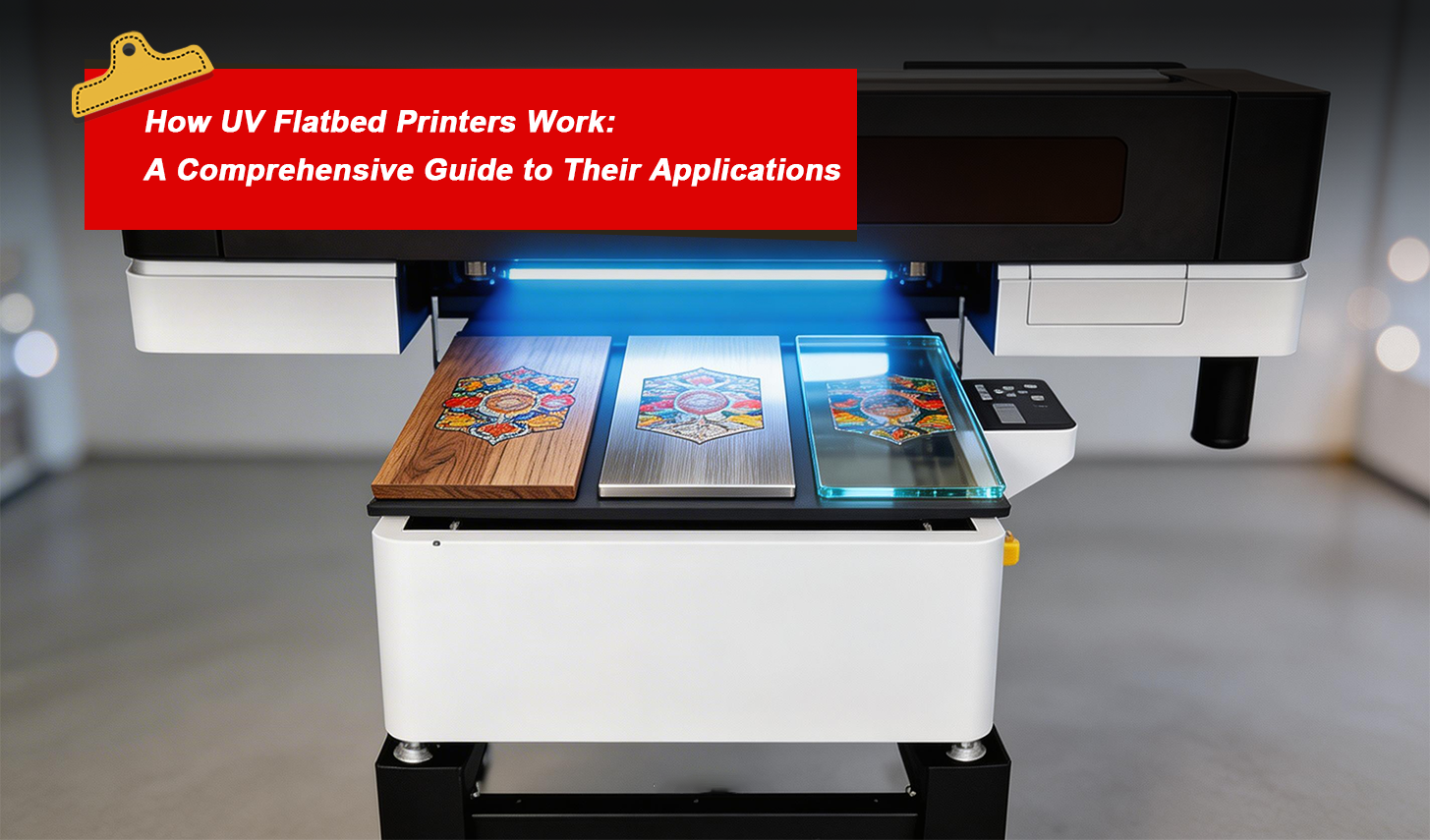
In the world of modern printing, UV flatbed printers stand out for their ability to print directly onto various materials such as glass, metal, plastic, and wood, delivering high-quality, vibrant prints. This makes them a popular choice for customization businesses looking to offer personalized products. But many may wonder, how exactly does a UV flatbed printer work, and is it difficult to use? The answer is simple: it's user-friendly and versatile, and in this guide, we’ll explore everything you need to know about UV flatbed printers and how they can benefit your business.
What Is a UV Flatbed Printer?
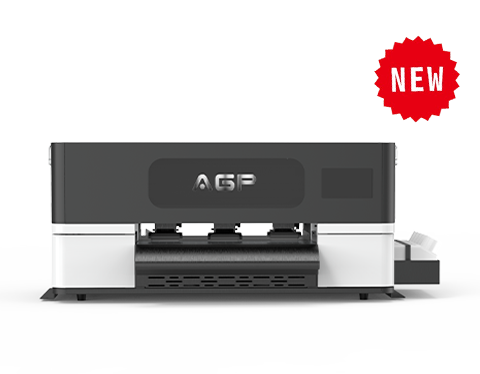
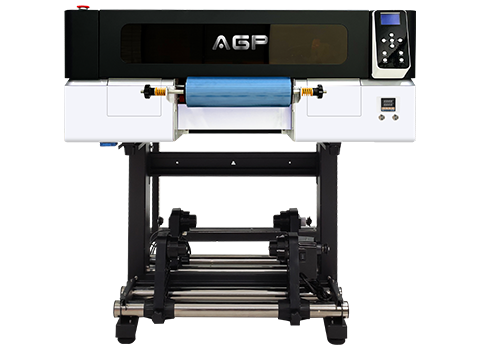
A UV flatbed printer is a type of digital printer that uses ultraviolet (UV) light to cure ink as it prints, allowing for direct printing on various flat surfaces. Unlike traditional printing methods, UV printing ensures that the ink dries instantly, providing vibrant, durable prints on materials such as wood, glass, metal, and plastic. Whether you’re looking to start a customization printing business or enhance your current production line, UV flatbed printers offer a great solution for high-quality, personalized items.
Key Applications of UV Flatbed Printers
One of the greatest advantages of UV flatbed printers is their versatility in application. These printers are used across numerous industries, offering countless possibilities for businesses. Here are just a few common applications:
- Advertising and Promotional Products: UV flatbed printers can produce custom signage, banners, business cards, and more.
- Home Décor: Many people use UV flatbed printers to print vivid designs on home décor items like ceramic tiles, vases, and wall art.
- Personalized Products: UV flatbed printers are ideal for printing on items like phone cases, gift bags, and mugs, offering durable, water-resistant prints.
- Industrial Applications: UV printing is widely used for printing on metal parts, plastic components, and packaging materials in industrial sectors.
Pros and Cons of UV Flatbed Printers
Like any printing technology, UV flatbed printers come with both advantages and disadvantages. Let’s look at what makes them a great choice for customization printing, as well as some limitations to consider.
Pros of UV Flatbed Printers
- Fast Drying Times: UV printers cure ink instantly with UV light, allowing for quicker turnaround times and making it easier to meet tight deadlines.
- Durability: Prints created with UV ink are highly durable and resistant to fading, peeling, and scratching, making them ideal for both indoor and outdoor use.
- Wide Material Compatibility: UV flatbed printers can print on a wide variety of materials, including wood, metal, glass, plastic, and even leather.
- High-Quality Prints: UV printing delivers sharp, vibrant, and high-resolution images, making it suitable for both small and large-scale production.
Cons of UV Flatbed Printers
- Limited Printing Size: UV flatbed printers are often fixed in size, which can limit the area available for printing. For larger products, a larger flatbed printer may be needed.
- Higher Initial Investment: UV printers tend to have a higher upfront cost compared to traditional printing methods, including screen printing or DTG printing.
- Not Ideal for Curved Surfaces: While UV flatbed printers are excellent for flat surfaces, printing on curved or irregular surfaces may require additional equipment like a UV DTF printer.
How Does a UV Flatbed Printer Work?
UV flatbed printers utilize ultraviolet light to cure ink directly onto a variety of substrates. This process involves several key steps:
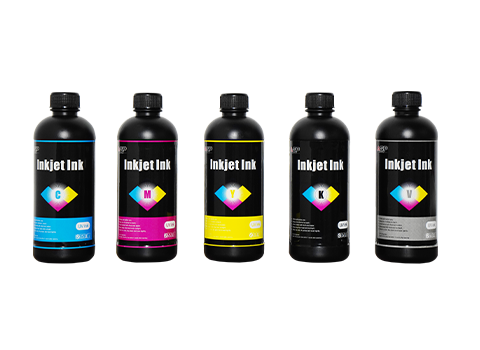
- Ink Application: UV ink is applied to the surface of the material by the printer's printheads.
- Curing with UV Light: Once the ink is applied, UV light immediately cures the ink, allowing it to dry instantly and bond securely to the material.
- Durable Prints: The final print is durable and water-resistant, making it suitable for long-term use in both indoor and outdoor environments.
This quick-drying feature of UV flatbed printers makes them an excellent choice for businesses needing fast turnaround times while maintaining high-quality output.
Step-by-Step Process for Printing on Different Materials
Using a UV flatbed printer is easier than you might think. Let’s walk through two examples of how to print on wood and metal, two common materials for custom printing.
Example 1: UV Printing on Wood
- Design Preparation: Start by designing the pattern or image you want to print on the wood. Use design software like Adobe Illustrator or CorelDRAW.
- Set Up the Printer: Place the wood on the flatbed printer’s printing surface and adjust the printer settings accordingly.
- Print the Design: After setting the necessary parameters (like color profiles and resolution), click “start,” and the printer will begin applying the ink.
- Cure the Ink: The UV light will cure the ink immediately after it’s applied, ensuring a durable, long-lasting print.
Example 2: UV Printing on Metal
- Design Preparation: Just like with wood, start by designing your artwork on the computer.
- Place the Metal Surface: Position the metal piece onto the flatbed printer’s platform.
- Printer Settings: Adjust the parameters for metal printing, as different materials require specific settings for optimal print quality.
- Start the Print: Once everything is set, click “start” to begin printing, followed by the UV curing process.
Popular Applications: Printing on Wood and Metal
The UV flatbed printer is an excellent tool for businesses in need of custom printing on wood and metal surfaces. Whether you’re creating personalized wood products like signs or furniture, or producing custom metal tags or decorative pieces, UV printing ensures the highest level of quality and durability.
Common Challenges and Solutions in UV Flatbed Printing
Despite its many benefits, there are some common challenges that users of UV flatbed printers may encounter:
- Ink Compatibility: Different substrates may require specific inks or adjustments to ensure proper adhesion. Regular testing can help you identify the best ink combinations.
- Printhead Maintenance: Over time, printheads may require cleaning or maintenance to prevent clogging, especially with white ink used in underbase printing.
- Cost Considerations: The initial investment in a UV flatbed printer can be high, but the ability to print on a wide range of materials offers great long-term value for businesses.
Conclusion
UV flatbed printers are incredibly versatile, capable of producing high-quality prints on a wide variety of materials such as wood, metal, glass, and plastic. With their fast curing times, durability, and excellent print quality, they are ideal for businesses in need of custom printing solutions. Though there are some challenges, such as cost and maintenance, the benefits of using a UV flatbed printer far outweigh the limitations. If you're looking to take your printing business to the next level, investing in a UV flatbed printer can open up a world of new opportunities.