
Start Smart with DTF Printing: 25 Essential Questions Before Buying a DTF Printer
Let’s be honest.
Most people do not fail in DTF printing because the technology is bad.
They fail because they did not understand it before starting.
They watch videos, read forums, talk to suppliers and then assume it is simple.
Then reality hits.
Ink issues, film handling, heat press settings, maintenance, and profit control suddenly become very real problems.
That is why this DTF Printing FAQ 2026 exists.
No hype. No sales talk. Just real answers to real questions from people who are about to invest in a DTF printer business.
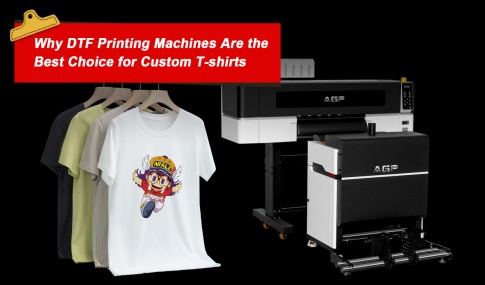
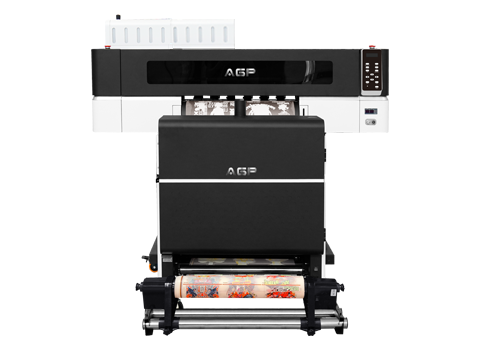
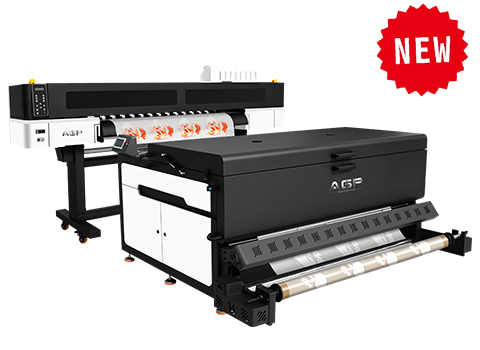
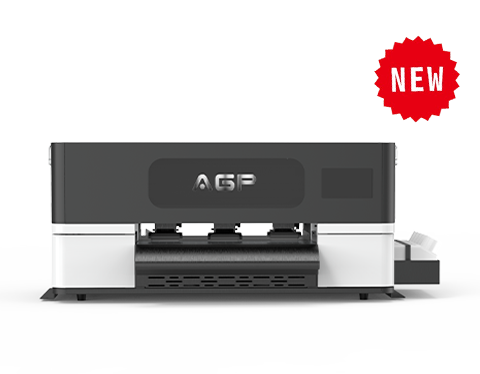
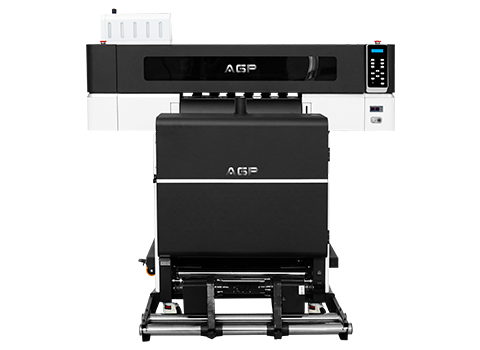
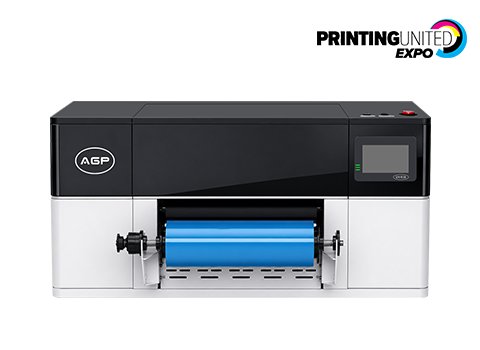
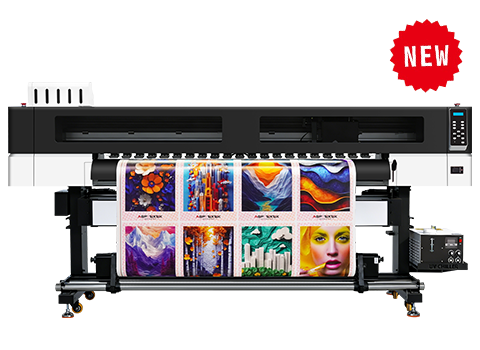
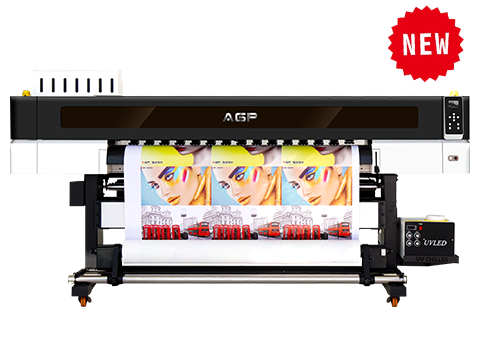
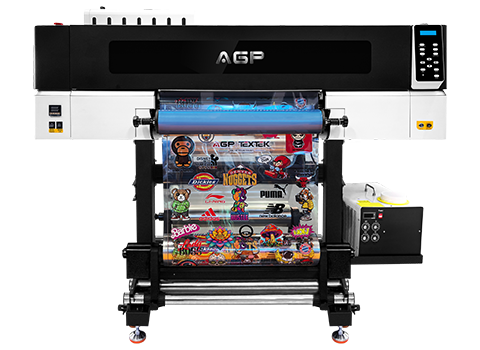
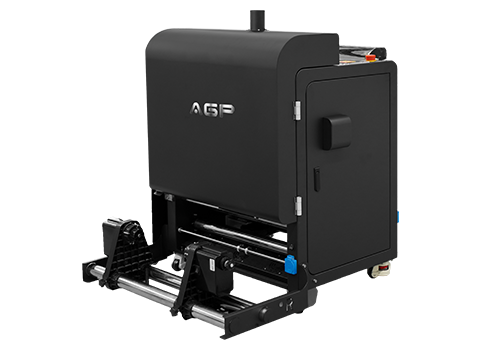
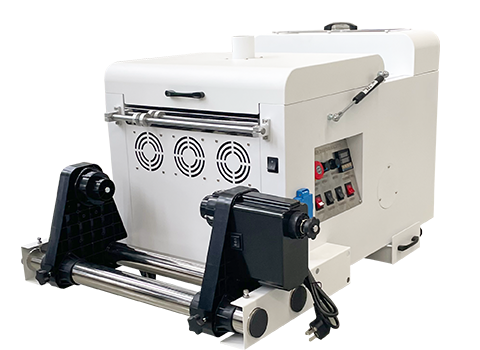
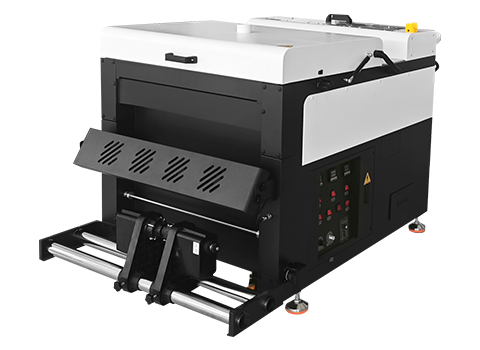
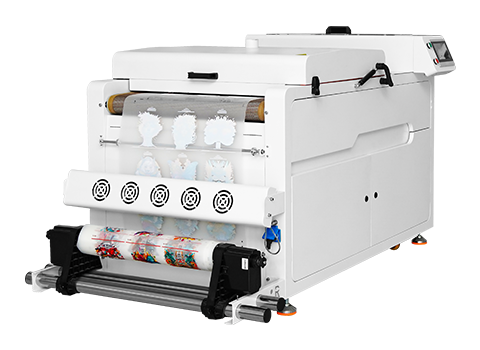
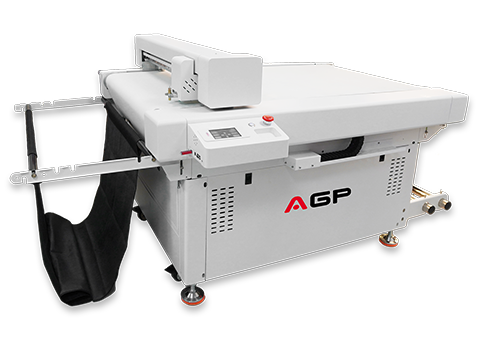
Modern systems such as AGP DTF printing solutions have improved stability and workflow, but the business logic remains the same.
Let’s start.
Cost and Startup What Does It Really Take to Start DTF Printing
Starting a DTF printing business is not free, but it is also not as expensive as many people think.
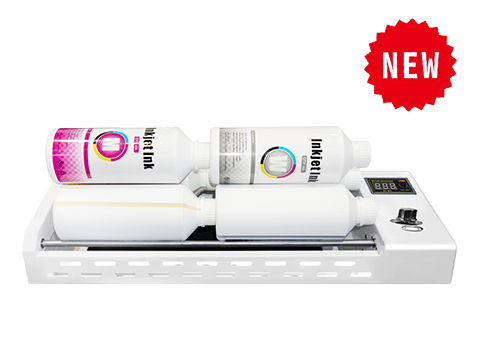
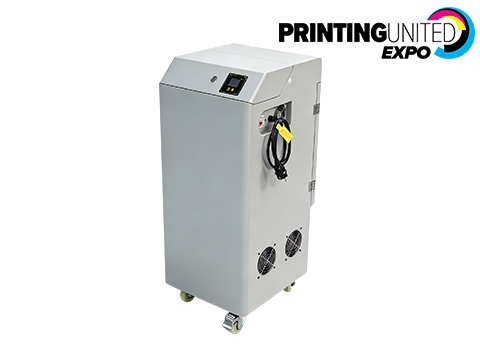
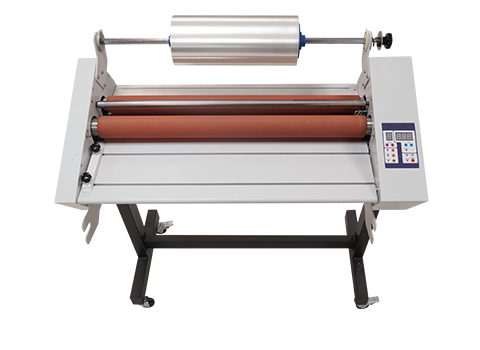
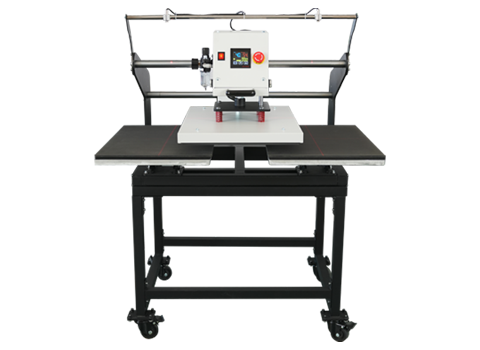
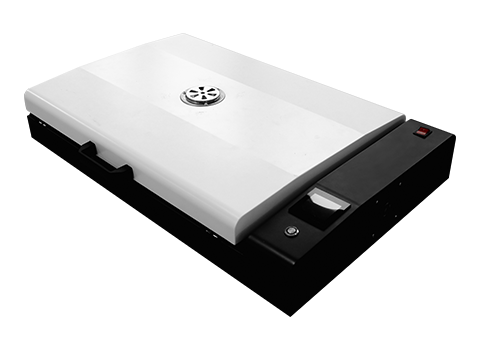
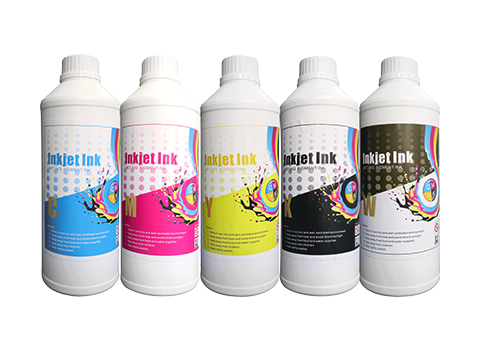
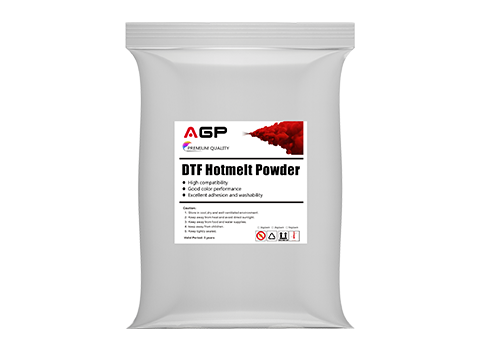
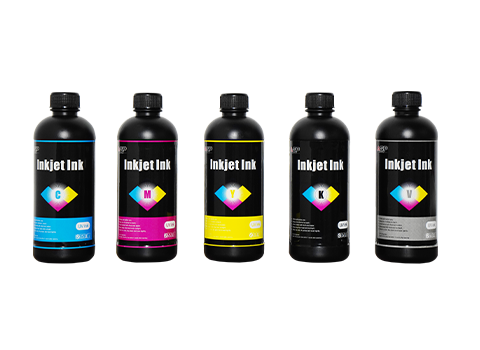
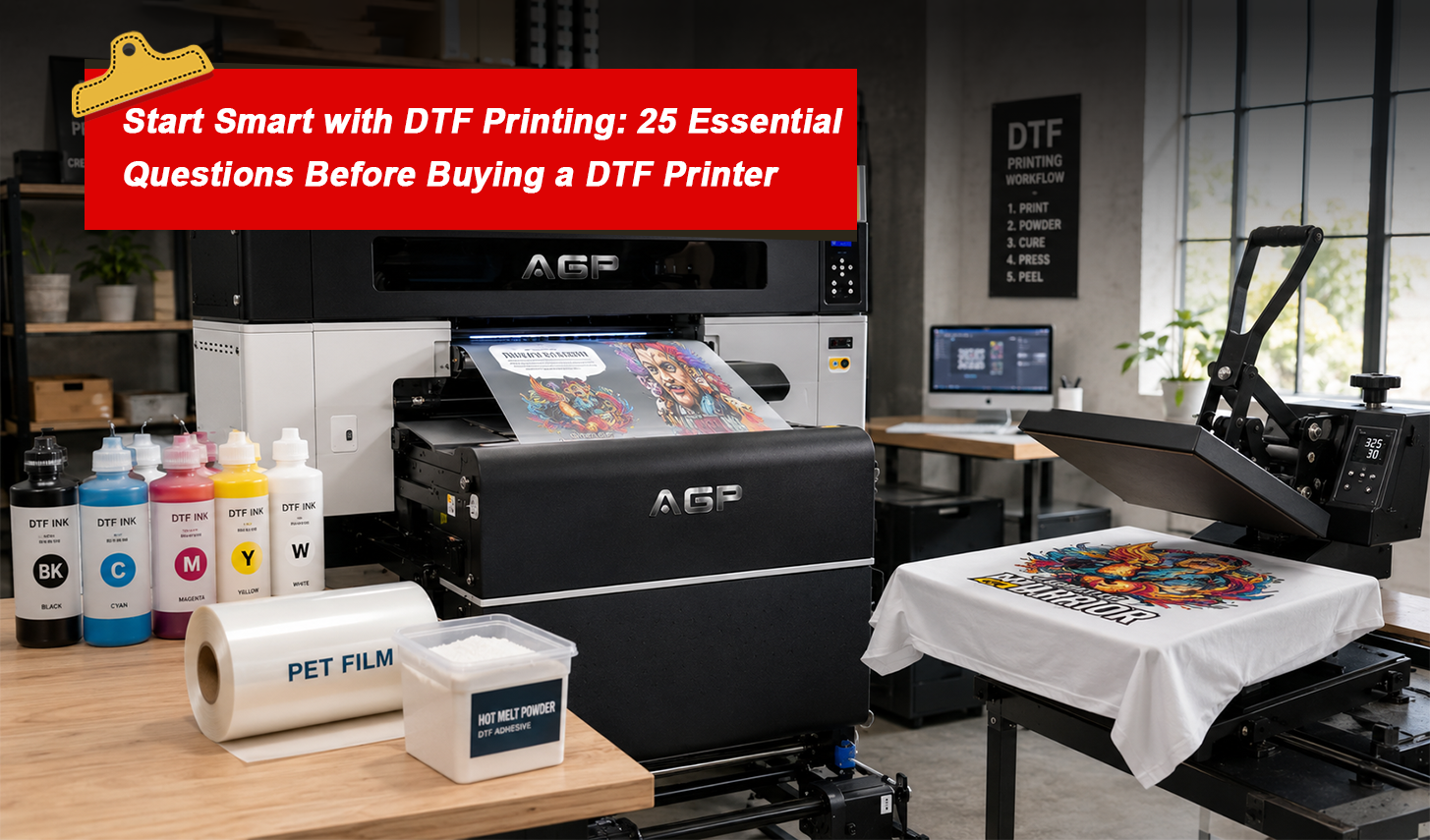
A basic setup includes a DTF printer system, heat press machine, PET film, DTF ink, white ink, adhesive powder, and blank garments.
The total startup cost usually ranges from 7000 to 12000 USD depending on configuration and production level.
What you are really building is a full custom apparel printing system, not just a machine.
What Is the Best DTF Printer for Beginners in 2026
There is no single best DTF printer for everyone.
The right choice depends on your workspace, budget, and production goals.
A good beginner DTF printer should offer stable white ink circulation, easy maintenance, reliable printhead performance, and strong technical support.
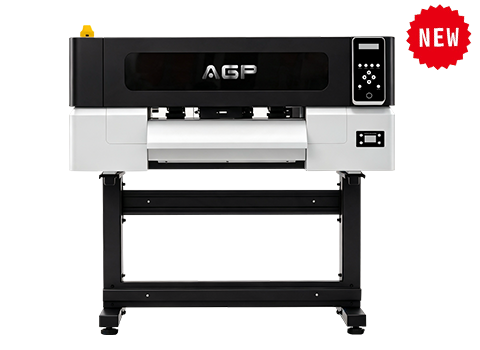
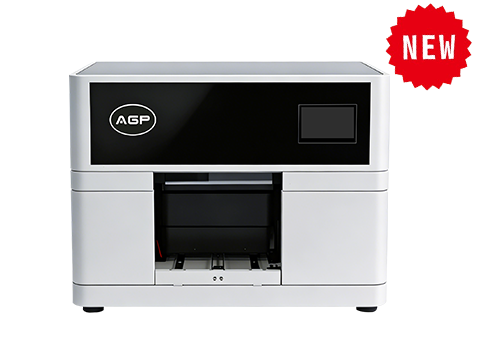
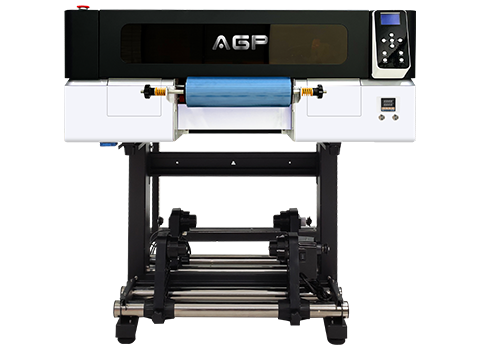
Many beginners choose compact AGP DTF printing systems because they are designed for small studios and startup print businesses.
The most important factor is stability, not just price.
A cheap unstable machine will cost more in downtime and wasted material.
Is DTF Printing Profitable in 2026
Yes, DTF printing is still profitable in 2026.
But profitability depends more on business execution than the printer itself.
Successful DTF printing businesses usually focus on custom apparel printing, print on demand services, small batch streetwear brands, event merchandise, and local business branding.
Profit margins typically range from 40 percent to 70 percent depending on pricing strategy and production efficiency.
With a stable AGP DTF printer system, scaling production becomes much easier.
What Equipment Do You Need for DTF Printing
Many beginners overcomplicate this.
You only need a few core items to start.
A DTF printer system, heat press machine, PET transfer film, DTF ink set including white ink, and adhesive powder.
Optional tools include RIP software, cleaning supplies, heat tape, and protective accessories.
This forms the complete garment printing machine workflow used in modern apparel production.
How Does DTF Printing Work Step by Step
DTF printing is simple once you understand the flow.
First, the design is printed onto PET film using DTF ink.
Then adhesive powder is applied while the ink is still wet.
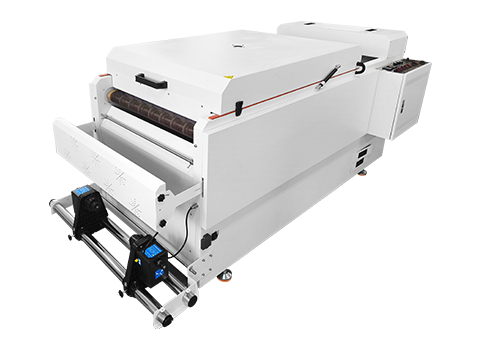
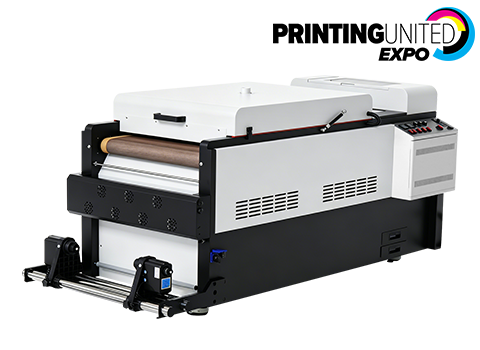
Next, the print is cured and prepared for transfer.
Finally, heat press is used to apply the design onto fabric.
After pressing, the film is peeled away and the design remains on the garment.
This method is widely used in custom apparel printing because it works on many fabric types without pretreatment.
DTF vs DTG vs Sublimation What Is the Difference
DTF printing works on cotton, polyester, blends, nylon, and synthetic fabrics. It does not require pretreatment and supports full color designs.
DTG printing applies ink directly onto fabric and is best for cotton garments. It requires pretreatment and produces a softer feel.
Sublimation works only on polyester and light colored fabrics. The ink becomes part of the material and produces a no feel finish.
In practical business terms, DTF printing is the most flexible option for modern apparel printing businesses.
Does DTF Work on Cotton Polyester and Blends
Yes, DTF printing works on almost all fabric types.
It supports cotton, polyester, cotton polyester blends, tri blends, nylon, leather, and synthetic materials.
This flexibility is one reason AGP DTF printing systems are widely used in commercial garment printing workflows.
Do You Need Pretreatment for DTF Printing
No pretreatment is required for DTF printing.
Unlike DTG, there is no need for chemical pretreatment or special fabric preparation.
The workflow is straightforward. Print, powder, cure, and press.
This simplicity is one of the biggest advantages of DTF printing technology.
How Durable Are DTF Prints
A properly made DTF print can last between 50 and 100 washes.
Durability depends on heat press settings, pressure, ink quality, adhesive powder, and fabric type.
When processed correctly, DTF prints are resistant to fading, cracking, and stretching.
This makes them suitable for commercial use in apparel printing businesses.
Does DTF Printing Crack or Peel
DTF prints should not crack or peel when applied correctly.
Problems usually come from incorrect temperature, insufficient pressure, short press time, or low quality materials.
With stable equipment such as AGP DTF printer systems, these issues are significantly reduced.
How Hard Is DTF Printer Maintenance
DTF printer maintenance is not difficult, but it must be consistent.
Daily tasks include shaking white ink circulation, cleaning printheads, checking nozzles, and wiping residual ink.
Once you build a routine, maintenance becomes a normal part of workflow rather than a problem.
Why Is My DTF Print Not Sticking
Common reasons include incorrect heat press temperature, insufficient pressure, short pressing time, or moisture in fabric.
Most sticking issues are not machine related but process related.
Can You Make Money with DTF Printing in 2026
Yes, but only if you treat it as a real business.
Successful operators focus on local custom printing, online apparel stores, Etsy shops, Shopify brands, event merchandise, and streetwear production.
A single AGP DTF printer can support both small batch and bulk production models.
How Many Shirts Can You Produce per Hour
Production depends on machine size and workflow.
Entry level DTF systems can produce 30 to 60 transfers per hour.
Commercial AGP DTF printer systems can reach 100 to 300 transfers per hour.
Heat pressing speed also affects total output.
What Is the Profit Margin on DTF Shirts
Profit margins typically range from 40 percent to 70 percent.
A shirt may cost 6 to 10 dollars to produce and sell for 20 to 35 dollars depending on branding and market positioning.
This is why DTF printing is popular in print on demand apparel businesses.
Can You Sell DTF Transfers Without a Printer
Yes, you can outsource production and resell transfers.
However, owning your own AGP DTF printer gives you full control over quality, turnaround time, and profit margins.
Final Thoughts Is DTF Printing Worth It in 2026
DTF printing is not a shortcut to instant income.
It is a scalable production system for custom apparel printing businesses.
If you understand your market, control your workflow, and invest in stable equipment like AGP DTF printers, it can be highly profitable.
If you expect passive income without effort, it will not meet expectations.