
Powderless DTF Printing vs. Traditional DTF: Is It Worth the Upgrade for Your Apparel Business?
Release: Jun 2026 | Updated: Jul 2026 | By AGP Printer Technical Team
Quick answer: Powderless DTF replaces hot-melt powder with a liquid binding agent, giving you a cleaner shop, a softer hand-feel, and a shorter overall production workflow since two steps (powder shaking + tunnel curing) disappear. Traditional DTF remains the stronger choice for high-volume wholesale printing, heavy fabrics, and shops that need the lowest possible cost per print. There's no universal winner — the right choice depends on your order mix, fabric type, and workspace constraints, which is what this guide helps you work out.
- Choose powderless if: boutique/streetwear brand, tight workspace, hand-feel and breathability matter more than unit cost.
- Choose traditional if: high-volume wholesale, heavy fabrics (canvas, denim, workwear), lowest cost-per-print is the priority.
- Watch out for: powderless liquid agents can thicken and clog printheads in cold, dry rooms — climate control matters more than with traditional powder systems.
- Mixed evidence: some technical sources report powderless prints have slightly lower stretch/elasticity than powder-bonded prints — worth testing on your specific fabric before switching.
What Is Powderless DTF Printing and How Does It Work?
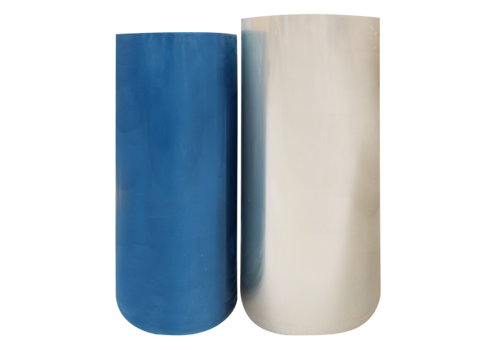
The core change in powderless DTF is the total removal of dry hot-melt DTF powder from the production line. In a traditional setup, wet ink passes through an automated powder shaker that applies, shakes off excess, and bakes solid adhesive grains onto the film. Powderless systems replace that entire mechanical step by either firing a liquid binding agent through a dedicated printhead channel, or using a specially pre-coated barrier film that chemically bonds with the wet ink on contact.
Because there's no solid adhesive granule to melt, curing relies on chemical cross-linking rather than thermal melting, which means the film can pass through a smaller, lower-temperature heating panel instead of a full-size tunnel dryer.
Why Are Print Shops Switching to Powder-Free Systems?
A Cleaner, Safer Workspace
Traditional DTF powder is extremely fine and easily becomes airborne, settling on electronics, clogging cooling fans, and often requiring dedicated air purifiers to keep the workspace comfortable. A liquid adhesive system removes that airborne dust entirely, cutting clean-up time and improving air quality on the shop floor.
Smaller Footprint, Fewer Moving Parts
Removing the powder shaker and tunnel dryer means fewer machines on the floor and less heavy-duty power wiring, which is why powderless setups suit growing brands working out of tighter retail or studio spaces better than a full traditional line.
Softer Hand-Feel
Traditional powder forms a structural plastic layer on the fabric surface, which large solid graphics can make feel heavy. The liquid-bonding method produces a thinner adhesive layer that integrates more into the fabric fibers, giving a softer, more breathable finish that boutique and premium apparel brands tend to prefer.
Fewer Total Production Steps
Removing powder shaking and tunnel curing shortens the workflow to essentially print → dry → press. Even when raw per-square-meter print speed is similar to a traditional machine, the shorter total process can meaningfully cut turnaround time for smaller, high-mix orders.
What Are the Real Limitations of Powderless DTF Right Now?
Printhead Clogging in Cold, Dry Conditions
This is the limitation most marketing pages leave out. Hot-melt powder is largely indifferent to room climate, but the liquid binding agent used in powderless systems can thicken or partially solidify in low-temperature, dry environments — a documented cause of printhead clogging. Overheating the agent to compensate can degrade its bonding performance. In practice, this means powderless printers need tighter, more consistent climate control than traditional machines.
Mixed Reports on Elasticity
Some suppliers position powderless as the softer, more flexible option; other technical sources report the opposite — that powder-bonded prints actually hold up better on stretch-heavy performance fabrics, while powderless layers can show reduced elasticity. The honest takeaway is that results vary by film/ink combination and manufacturer, so athletic or high-stretch garment printers should request a wash-and-stretch test sample before switching a full production line.
Higher Consumable Cost, Less Mature Supply Chain
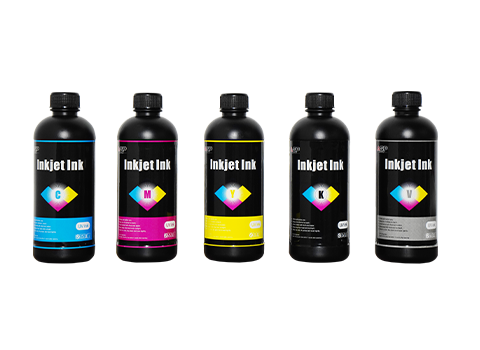
Standard DTF powder and generic DTF inks are highly commoditized and cheap. Powderless liquid binding agents and matching coated films are newer to market, with fewer suppliers competing on price — so cost per print typically runs higher until the supply chain matures further.
Weaker Bond on Heavy, Coarse Fabrics
On thick canvas, denim, or industrial workwear, the physical melting of hot-melt powder forces adhesive deep into the coarse weave, creating a very durable bond. Liquid adhesives work well on lighter fabrics but can show edge-lifting sooner under harsh industrial laundering on heavy materials.
Powderless vs. Traditional DTF: Side-by-Side Comparison
For a 60cm-class setup, here's how the two systems generally compare. Exact pricing and speed vary by manufacturer and machine configuration — treat these as directional ranges, not quotes.
| Factor | Traditional DTF | Powderless DTF |
|---|---|---|
| Equipment investment | Lower / more established pricing | Higher — newer technology premium |
| Consumable cost per print | Lower — powder & film are commoditized | Higher — specialty agent & coated film |
| Process steps | Print → Powder → Cure → Press (4 steps) | Print → Dry → Press (3 steps) |
| Shop floor / equipment footprint | Larger — shaker + tunnel dryer | Smaller — no shaker, compact curing panel |
| Airborne dust / cleanup | Present — needs ventilation/purifier | Eliminated |
| Climate sensitivity | Low — powder is climate-tolerant | Higher — cold/dry air risks head clogging |
| Best fabric fit | Heavy canvas, denim, industrial workwear | Lightweight cotton, tri-blends, polyester |
Note: figures reflect general industry patterns as of mid-2026, sourced from equipment supplier documentation. Actual pricing, throughput, and consumable costs vary by manufacturer, machine configuration, and region — request current quotes for exact numbers on any specific machine.
FAQ: Powderless DTF Printing
Which System Is Right for Your Business?
Choose Traditional DTF if:
- Your business relies on high-volume contract printing or wholesale distribution.
- You need the lowest possible consumable cost per square meter to protect margins on low-cost items.
- You regularly print large graphics on heavy hoodies, thick canvas bags, or denim.
Choose Powderless DTF if:
- You run a boutique streetwear brand or premium apparel studio where hand-feel matters most.
- Your workspace is confined, lacks industrial ventilation, or faces high commercial electricity rates.
- Your order mix leans toward high-mix, low-to-medium volume, higher-margin print runs.
Not sure which system fits your order volume and fabric mix? Get a free production cost analysis from our engineering team.
Get a Free Cost Analysis