

How to Master T-Shirt Customization with DTF Printing, Embroidery, and Sublimation
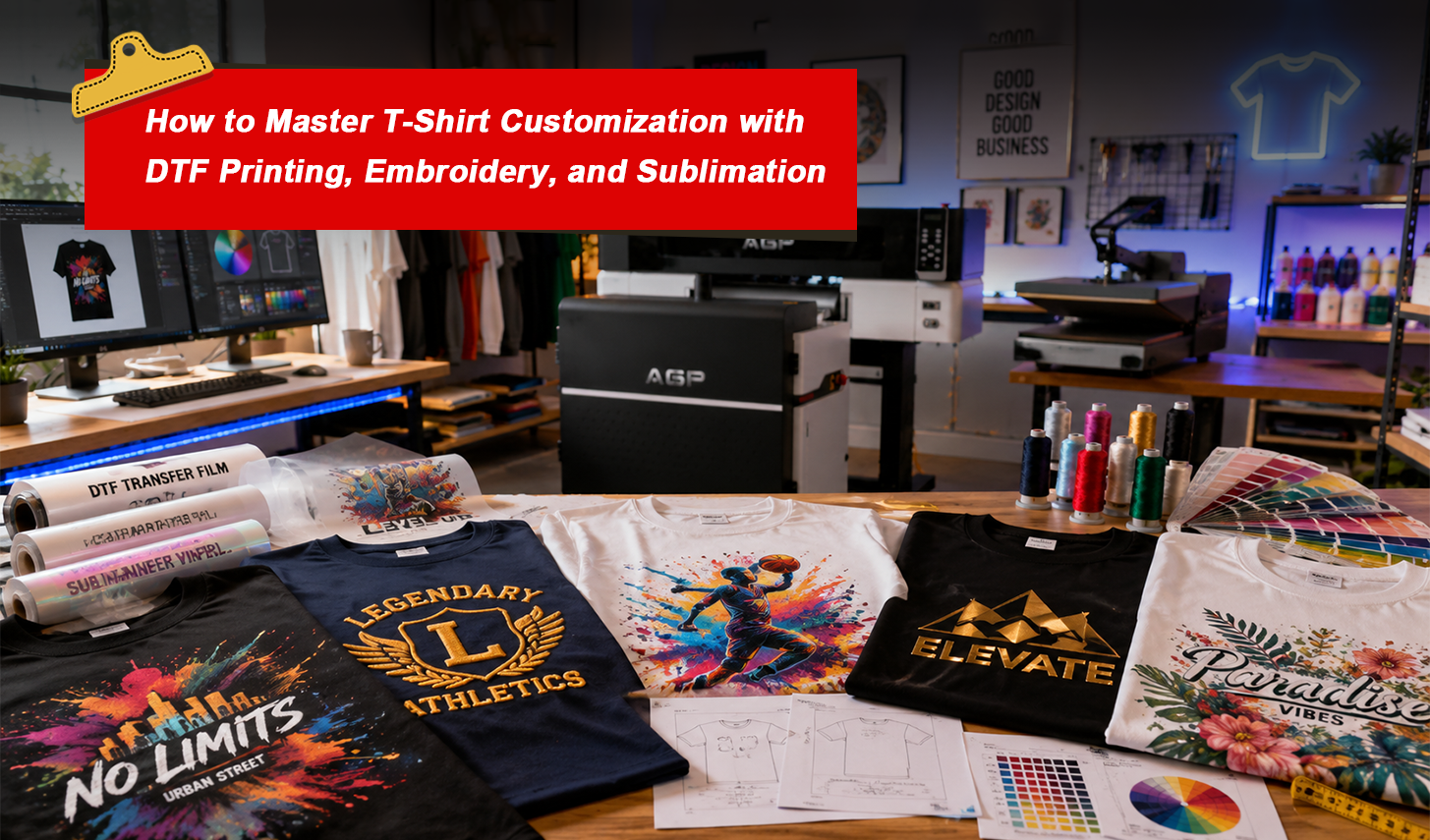
The custom apparel industry has changed dramatically over the past few years. Today, customers expect more than just a logo on a shirt. They want personalized apparel, vibrant graphics, premium finishes, and fast delivery times. Whether you're running a startup clothing brand, a print shop, or a large-scale custom apparel business, mastering t-shirt customization is essential for staying competitive.
Modern technologies such as DTF printing, embroidery machines, sublimation printing, white toner printing, and heat transfer printing have created more opportunities than ever before. However, achieving professional results requires much more than simply owning the equipment.
Successful t-shirt customization combines creative design, proper garment selection, efficient production workflows, and the right printing technology. In this guide, we'll share practical strategies that can help you improve print quality, increase efficiency, and grow your custom t-shirt printing business.
Why T-Shirt Customization Continues to Grow
Consumers are increasingly looking for products that reflect their personal style. From fashion brands and corporate uniforms to sports teams and promotional merchandise, custom apparel has become a major market.
The rise of DTF printers and digital garment printing solutions has made it easier than ever to produce short runs, personalized orders, and on-demand products without the limitations of traditional printing methods.
For apparel decorators, this means greater flexibility, lower inventory risks, and more opportunities to serve niche markets.
Start with the Right Blank T-Shirt
Every successful custom t-shirt begins with selecting the correct garment.
Many printing problems actually start with choosing the wrong fabric rather than the wrong printer.
Cotton Garments
Cotton remains one of the most popular materials for custom apparel decoration. It works exceptionally well with:
- DTF printing
- DTG printing
- White toner transfers
- Embroidery
- Heat transfer applications
Polyester Garments
Polyester is the preferred choice for sublimation printing because the dye bonds directly with polyester fibers, creating permanent, vibrant colors.
Blended Fabrics
Cotton-poly blends offer versatility and work well with DTF transfer technology, making them popular for sportswear and casual apparel.
Garment Construction Matters
Premium garments with smooth surfaces typically produce better print results. For embroidery projects, shirts with stable stitching and higher fabric density often provide cleaner embroidery outcomes.
Create Designs That Work in Real Production
One of the biggest mistakes beginners make is designing without considering production requirements.
A design may look amazing on a computer screen but fail when printed or embroidered.
Before opening your design software:
- Define your target audience
- Identify the garment type
- Determine the decoration method
- Consider fabric compatibility
When creating artwork, focus on strong visual hierarchy, readability, and proper color contrast.
The best custom t-shirt designs are often simple, memorable, and easy to reproduce consistently.
Use Mockups Before Production
Mockups save time, money, and customer frustration.
Applying your design to realistic apparel mockups helps you evaluate:
- Design size
- Placement accuracy
- Visual balance
- Color appearance
For custom clothing businesses, mockups also improve customer approval rates because clients can clearly visualize the final product before production begins.
Choosing the Best Printing Method for Every Order
No single printing method is perfect for every application.
The most successful apparel decorators know how to match the production process to the customer's needs.
DTF Printing
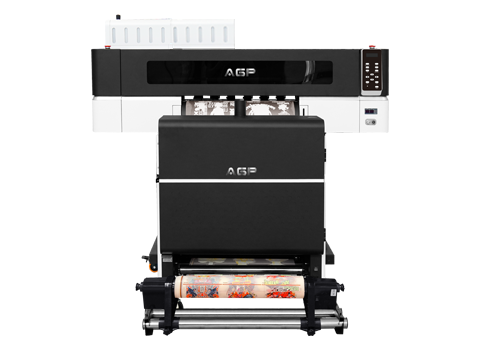
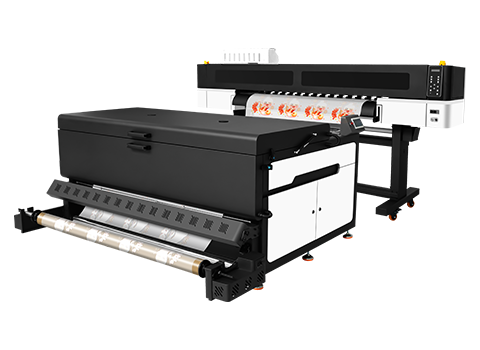
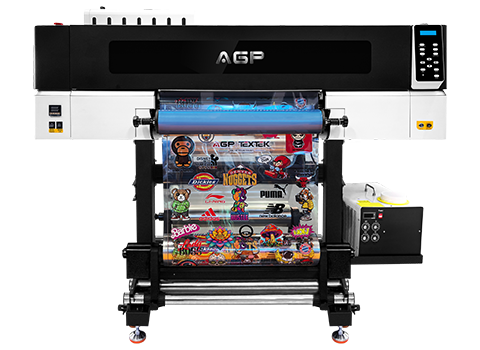
DTF printing has become one of the fastest-growing technologies in the garment decoration industry.
Advantages include:
- Works on cotton, polyester, blends, and performance fabrics
- Supports full-color graphics
- Excellent durability
- No fabric pretreatment required
- Ideal for short and medium production runs
Embroidery
Embroidery remains the premium choice for:
- Corporate uniforms
- Polo shirts
- Caps
- Workwear
- Luxury branding
Embroidery machines create textured, professional finishes that are difficult to replicate with other decoration methods.
Sublimation Printing
Sublimation excels in:
- Sportswear
- Activewear
- Polyester garments
- Promotional products
The dye becomes part of the fabric, producing long-lasting prints that won't crack or peel.
White Toner Printing
White toner printers offer flexibility for short-run custom orders and personalized apparel production, especially on dark garments.
DTF Printing Tips for Better Results
As one of the most versatile technologies available today, DTF printing deserves special attention.
Many successful apparel businesses are replacing multiple decoration methods with a single DTF printer setup.
Use High-Quality DTF Supplies
Always choose:
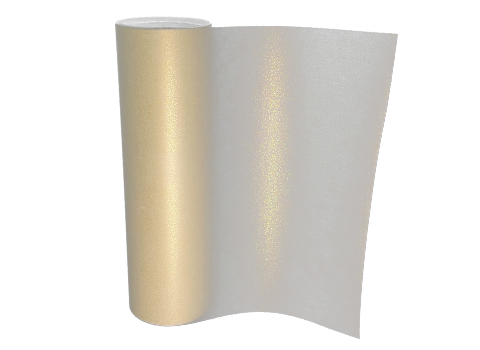
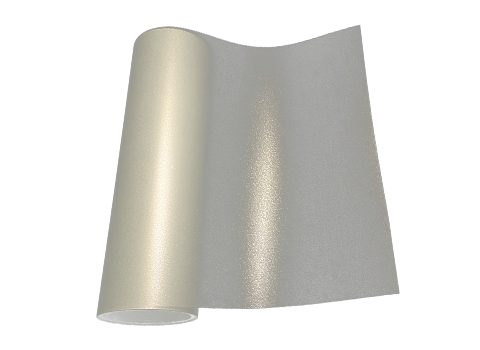
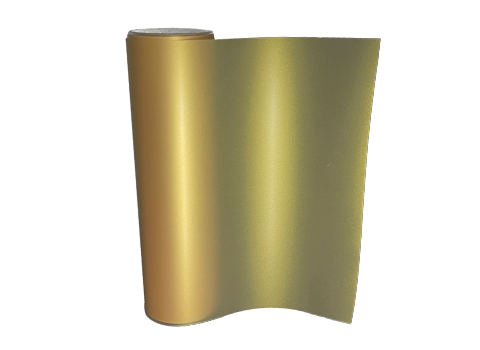
- Premium DTF transfer film
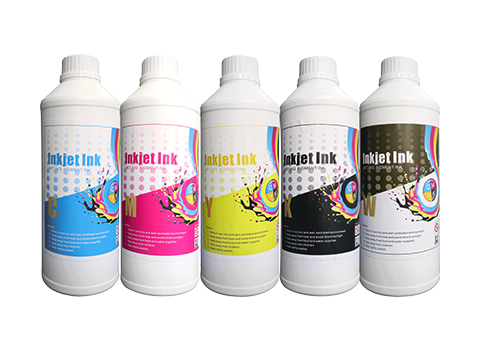
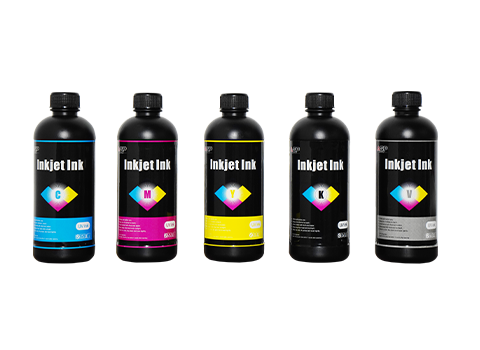
- Reliable DTF ink
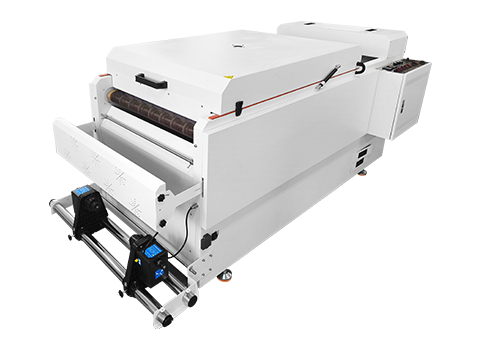
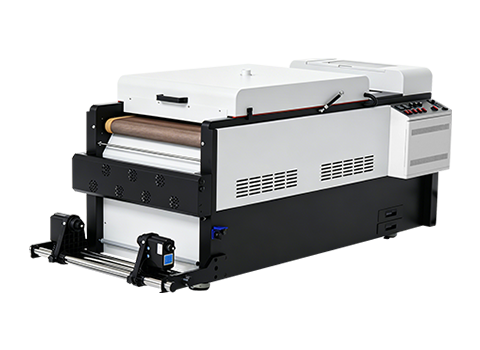
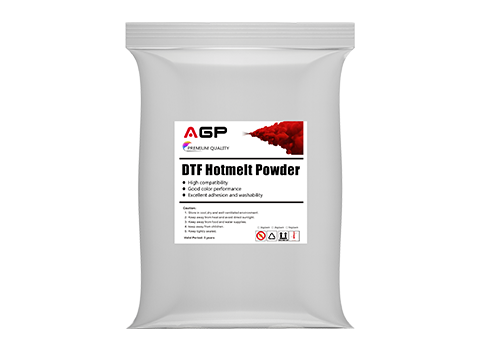
- High-quality hot melt powder
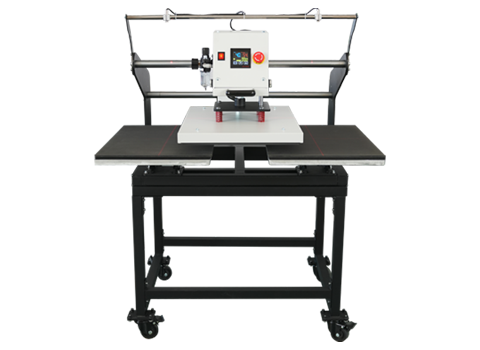
- Professional heat press equipment
Poor consumables can lead to adhesion problems, color inconsistency, and reduced wash durability.
Optimize Color Management
Use RIP software to maintain accurate color profiles and achieve consistent print quality across different jobs.
Pre-Press Every Garment
Pre-pressing removes moisture and wrinkles, helping the transfer bond more effectively to the fabric.
Follow Proper Heat Press Settings
Correct temperature, pressure, and pressing time are critical for achieving durable DTF transfers that withstand repeated washing.
Embroidery Best Practices for Professional Results
Embroidery remains one of the most profitable decoration methods when done correctly.
Use Proper Digitizing
Good embroidery starts with quality digitizing.
Professional embroidery digitizing helps optimize:
- Stitch density
- Underlay settings
- Thread paths
- Registration accuracy
Select the Right Stabilizer
Different fabrics require different stabilizers.
- Cut-away stabilizers for stretch fabrics
- Tear-away stabilizers for stable materials
Maintain Your Embroidery Machine
Regular maintenance ensures:
- Consistent stitch quality
- Reduced thread breaks
- Higher production efficiency
Sublimation and White Toner Printing Tips
Both technologies continue to play important roles in apparel decoration.
Sublimation Best Practices
- Use 100% polyester whenever possible
- Pre-press garments before transfer
- Use premium sublimation paper
- Avoid dark-colored fabrics
White Toner Best Practices
- Utilize white underbase layers
- Follow peel instructions carefully
- Avoid extremely fine details
- Test transfer settings regularly
Quality Control and Sample Testing
Even experienced production teams make test samples.
Before launching full production:
- Print a sample
- Inspect colors
- Test durability
- Check garment compatibility
- Verify positioning
For DTF transfer applications, perform wash testing to confirm long-term durability.
For embroidery projects, examine thread tension, registration, and puckering.
A small test run can prevent costly production mistakes later.
Improve Production Efficiency and Profitability
As your custom apparel business grows, workflow efficiency becomes increasingly important.
Organize Production
Sort garments by:
- Size
- Color
- Decoration method
- Customer order
Standardize Procedures
Create production checklists for:
- Artwork preparation
- Printer setup
- Heat press settings
- Quality inspections
Cross-Train Employees
Training staff on multiple technologies—including DTF printers, embroidery machines, sublimation systems, and heat presses—improves operational flexibility.
Expand Your Product Line and Grow Your Business
Many successful companies increase revenue by offering multiple customization options.
Popular products include:
DTF Printing Applications
- T-shirts
- Hoodies
- Sportswear
- Tote bags
- Fashion apparel
Embroidery Applications
- Uniforms
- Polos
- Hats
- Jackets
Sublimation Applications
- Performance apparel
- Team jerseys
- Promotional products
Personalized Products
- Event merchandise
- Corporate gifts
- School apparel
- Team uniforms
Offering diverse decoration methods helps attract a broader customer base while creating additional sales opportunities.
Conclusion
T-shirt customization is about much more than printing a design onto fabric. Success comes from combining creative ideas with the right technology, materials, and production processes.
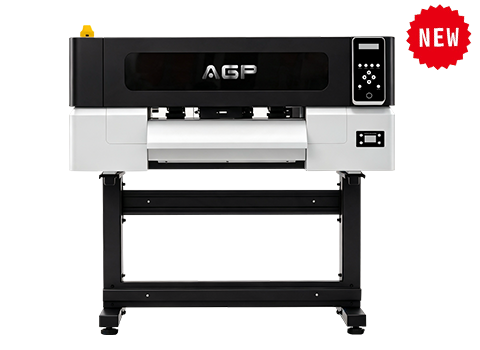
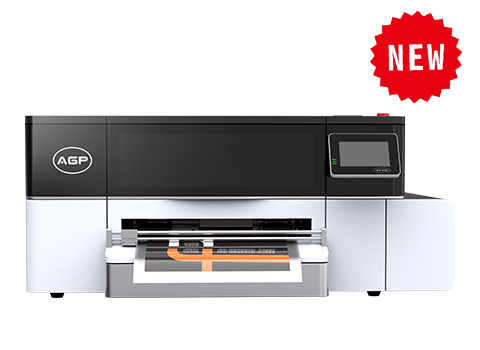
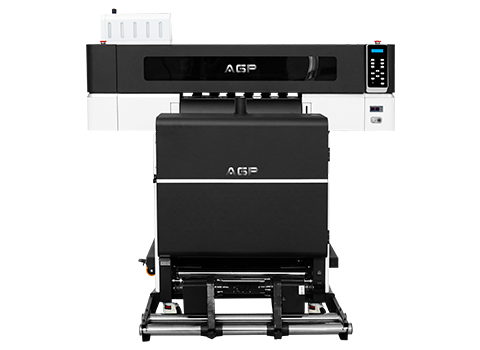
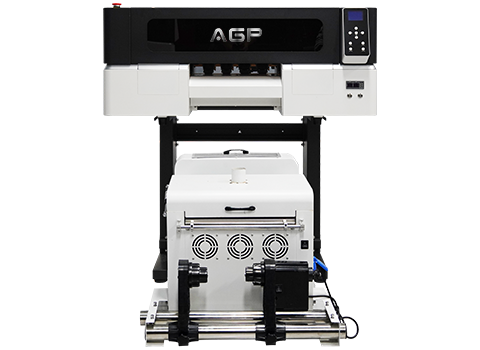
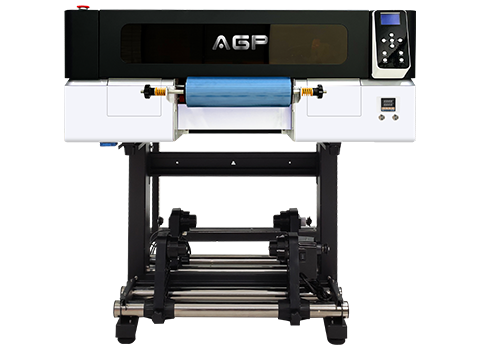
Whether you're using an AGP DTF printer, an embroidery machine, a sublimation printer, or white toner technology, the key is understanding how each method works and when to use it.
By selecting the right garments, preparing production-ready artwork, maintaining consistent quality control, and continuously improving your workflow, you can create high-quality custom apparel that keeps customers returning for more.
As the demand for personalized clothing continues to grow, businesses that invest in modern apparel decoration technologies and efficient production systems will be in the strongest position to scale, increase profits, and build lasting customer relationships.