
How to DTF Print on Polyester, Nylon, and Blends Without Scorch Marks or Bleeding?
Quick Summary for Print Shops:
To prevent heat press burn marks and dye migration on synthetic fabrics: (1) Lower heat press temperature to 130°C–140°C (266°F–284°F) while slightly increasing dwell time; (2) Use specialized Anti-Sublimation (Black) Powder for 100% polyester dyed dark fabrics; (3) Use lower pressure & protective foam pads to eliminate press line indentations on heat-sensitive nylon and spandex.
Direct-to-Film (DTF) technology has revolutionized custom apparel printing because of its incredible versatility on cotton. However, when switching to 100% polyester athletic wear, nylon windbreakers, or poly-cotton fleece hoodies, many print shops run into frustrating issues: unsightly heat press ring marks, melted synthetic fibers, or color dye migrating through white DTF film.
If you've ever turned a dark red polyester jersey pink or left a permanent shiny square mark on a nylon rain jacket, this step-by-step guide is for you. Below, we break down exact temperature settings, press pressure adjustments, and consumable choices to achieve flawless DTF transfers on synthetic fabrics.
1. Understanding the Enemy: Dye Migration vs. Scorch Marks
Before fixing the issue, it’s essential to identify which problem you are facing:
- Dye Migration (Bleeding): Occurs when disperse dyes in polyester fabrics reactivate under heat (usually above 150°C/302°F) and turn into gas, bleeding through the white DTF ink layer and discoloring your transfer.
- Scorch Marks / Gloss Lines: Caused by excessive temperature or harsh mechanical pressure melting heat-sensitive synthetic fibers like nylon, polyester, or elastane/spandex, leaving permanent shiny press marks around the design area.
2. Temperature & Time Settings Matrix by Fabric Type
Standard DTF parameters (150°C–160°C for 15 seconds) work great for cotton, but synthetic garments require tailored settings. Use this reference chart:
| Fabric Material | Recommended Temp | Press Time | Pressure Setting | Recommended Powder Type |
|---|---|---|---|---|
| 100% Cotton | 150°C - 160°C (302°F - 320°F) | 12 - 15 sec | Medium (40-50 PSI) | Standard TPU Powder |
| 100% Polyester / Sportswear | 130°C - 140°C (266°F - 284°F) | 10 - 12 sec | Light - Medium (30 PSI) | Anti-Sublimation Powder |
| Poly-Cotton Blends | 140°C - 145°C (284°F - 293°F) | 12 sec | Medium (35-40 PSI) | Standard / Soft TPU Powder |
| Nylon & Spandex / Lycra | 125°C - 135°C (257°F - 275°F) | 8 - 10 sec | Light (20-30 PSI) | High-Elasticity TPU Powder |
3. Pro Tips to Eliminate Scorch Marks & Dye Bleeding
Tip #1: Switch to Anti-Sublimation (Black) TPU Powder for Dark Polyester
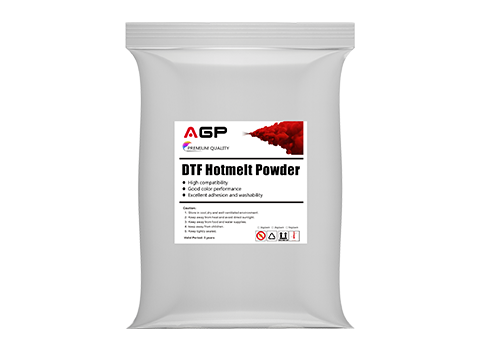
Standard white TPU powder acts as a sponge for gasified dyes on dark polyester fabrics. Utilizing specialized Anti-Sublimation Powder (often infused with an active carbon layer) creates a physical thermal block that prevents dyes from penetrating into your vibrant white and CMYK inks.
Tip #2: Use High-Density Foam Pillows or Pressing Pads
When pressing delicate garments like nylon windbreakers or polyester jackets, hard platen edges leave distinct press marks. Slide a heat-resistant foam pillow inside or underneath the garment. This elevates the printing zone and allows the hard press platen to sink gently around the design, dispersing harsh edge lines completely.
Tip #3: The "Two-Step Lower Temp Press" Technique
If you must press sensitive items, avoid pressing for 15 full seconds at once. Instead:
- Perform a 10-second initial press at 135°C (275°F).
- Allow the garment to cool down completely and gently peel off the PET film (Hot/Cold peel depending on film specs).
- Cover the design with a Teflon sheet or parchment paper and do a quick 3 to 5 second post-press to seal edges without scorching the surrounding fabric.
4. Why Premium DTF Inks & Consumables Matter
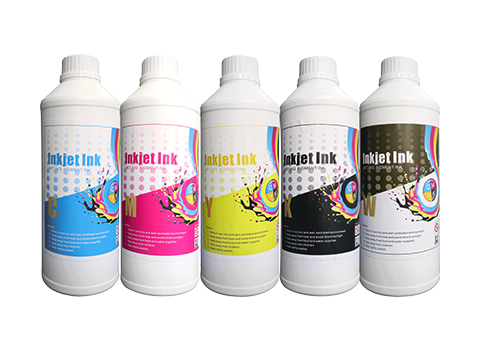
Achieving brilliant transfers on tricky synthetic fabrics isn't just about heat press settings; it starts with your consumables. Low-grade white ink often lacks titanium dioxide concentration, requiring higher temperatures to cure properly, which leads directly to fabric scorching. High-density pigments—such as AGP DTF Pigment Inks paired with specialized TPU powders—allow quick curing at lower thermal thresholds without sacrificing wash durability.
Looking for Reliable DTF Printers & Anti-Sublimation Consumables?
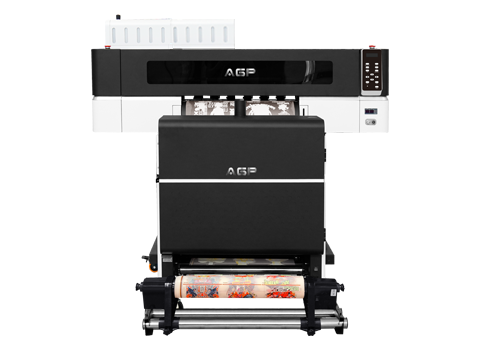
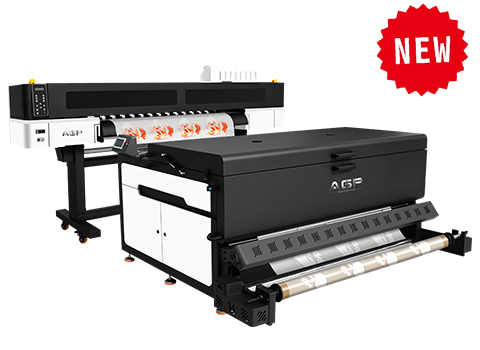
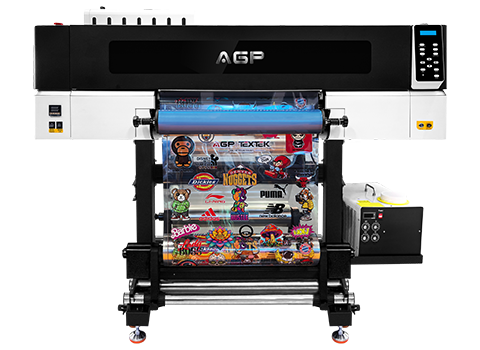
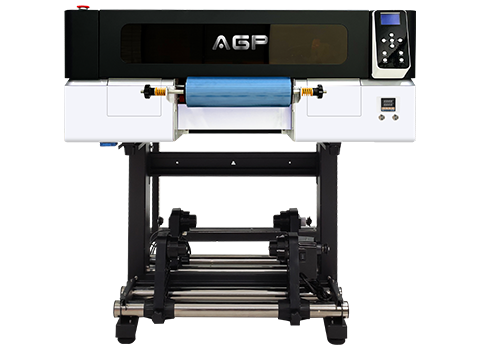
AGP manufactures high-speed DTF printing equipment, soft TPU powders, anti-bleed powders, and high-elasticity inks designed for all fabric types.
Get Free Sample Prints & Quotation