
UV Flatbed Printing vs Eco-Solvent Vinyl Workflow: Cost and Productivity Comparison
For years, many sign shops have relied on eco-solvent printers as their primary production solution for banners, decals, stickers, and vinyl graphics. These printers remain highly valuable in the signage industry, especially for flexible media applications.
However, when it comes to producing corrugated signs, the traditional eco-solvent workflow often becomes slower, more labor-intensive, and less profitable than many business owners realize.
This is exactly why more print shops are now investing in a UV flatbed printer for corrugated signs.
Instead of printing onto vinyl, waiting for solvent curing, laminating, mounting, trimming, and finishing, UV flatbed printing allows businesses to print directly onto corrugated plastic boards in a single streamlined process.
The difference in productivity, labor costs, turnaround time, and profitability can be substantial.
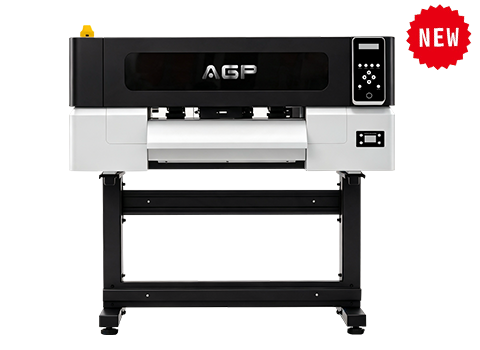
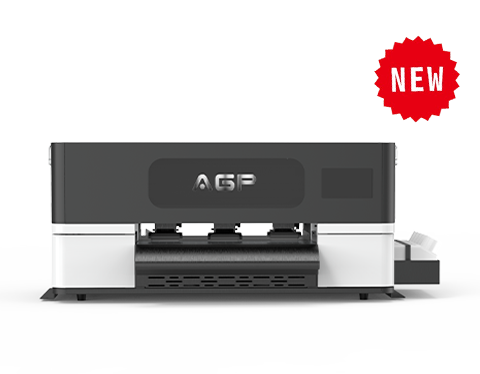
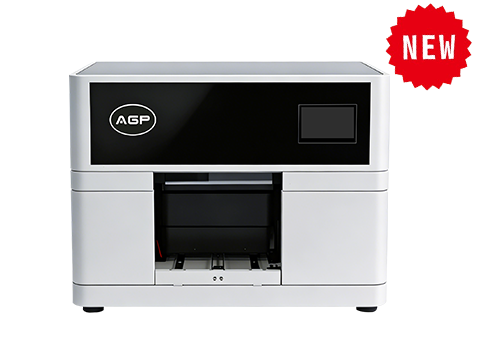
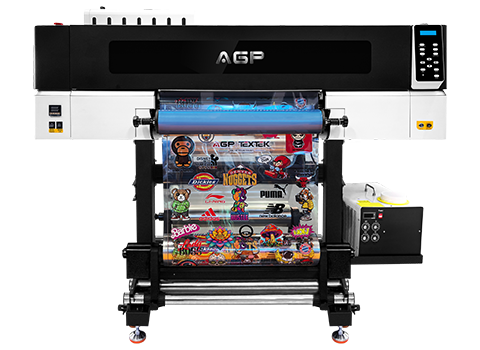
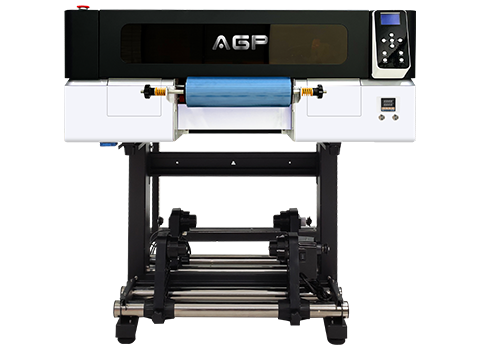
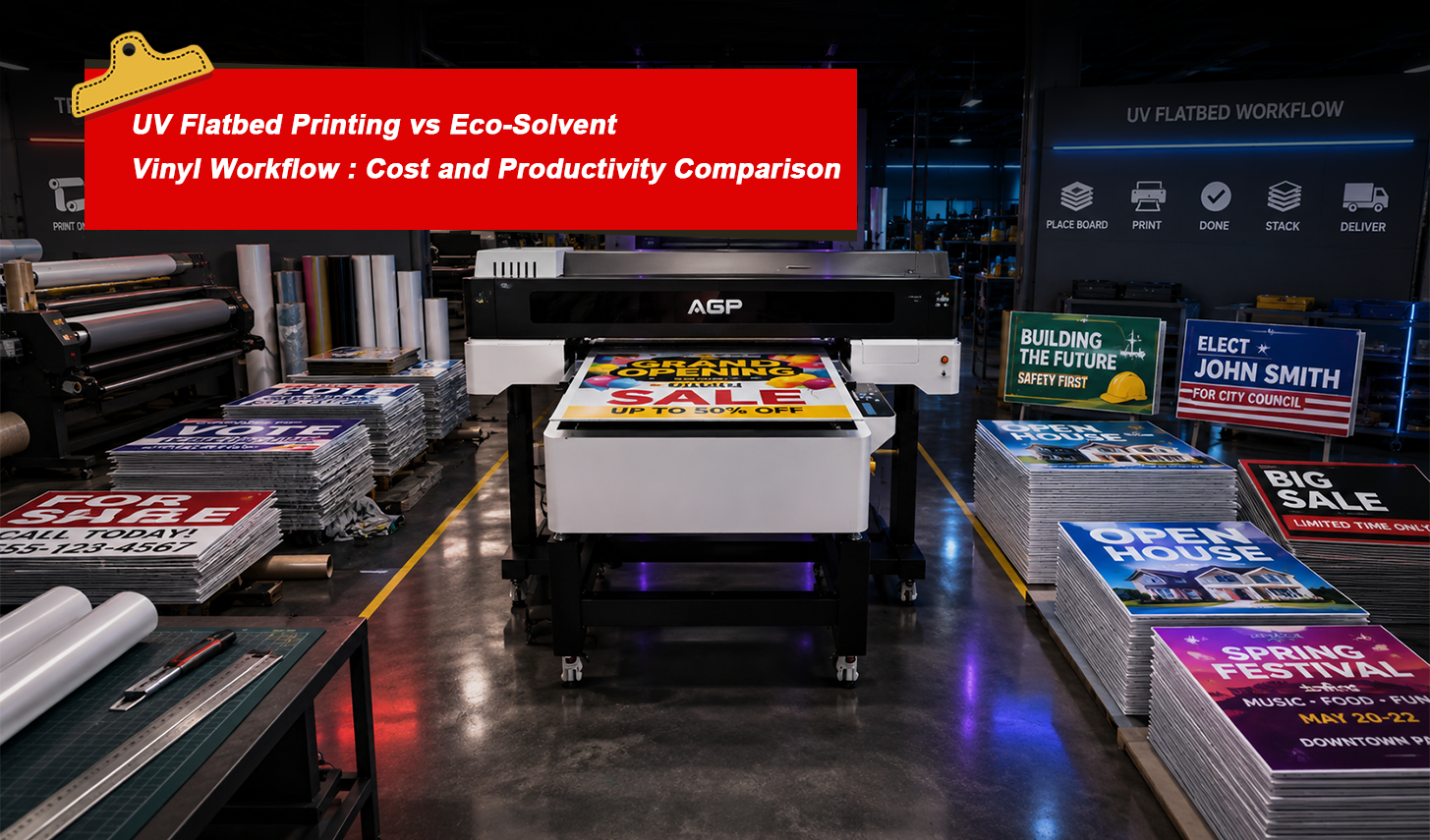
For many businesses, adding a professional UV flatbed printer like the AGP UV6090 completely changes how corrugated signage is produced.
The Traditional Eco-Solvent Corrugated Sign Workflow
Most sign shops already understand the eco-solvent process.
The workflow typically looks like this:
- Print graphics onto adhesive vinyl
- Wait for the print to gas out
- Laminate if required
- Mount the vinyl to the corrugated board
- Remove bubbles and wrinkles
- Trim excess vinyl
- Finish and package the sign
While this method works, it involves several time-consuming steps.
Even before mounting begins, eco-solvent prints generally require curing or outgassing time to prevent adhesion problems and long-term print failure.
In many shops, prints sit overnight before they can even move into production.
This delays turnaround times and increases workflow bottlenecks.
Additionally, the mounting process itself requires skilled labor to ensure proper alignment and clean finishing.
For large sign orders, these labor requirements add up quickly.
The Hidden Costs of Eco-Solvent Sign Production
Many businesses underestimate the true cost of eco-solvent corrugated sign production because they focus primarily on material pricing rather than total workflow expenses.
The reality is that eco-solvent production involves multiple hidden costs:
- Vinyl material expenses
- Lamination costs
- Application labor
- Trimming labor
- Longer production cycles
- Increased workspace usage
- Higher error potential
- Reprint risks
Even small mistakes during mounting can ruin an entire sign panel.
When producing large quantities of corrugated signs, these inefficiencies reduce profitability significantly.
For businesses handling frequent political signs, real estate signs, retail promotions, construction signage, and temporary event graphics, workflow speed becomes extremely important.
This is where UV flatbed printing technology offers a major advantage.
How UV Flatbed Printers Simplify Corrugated Sign Printing
With a professional UV flatbed printer, the process becomes dramatically simpler.
Instead of printing onto vinyl first, the operator simply places the corrugated boards directly onto the flatbed and prints immediately onto the substrate surface.
That means:
- No vinyl application
- No mounting process
- No trimming
- No lamination
- No overnight curing
- No bubble removal
The workflow becomes:
- Load board
- Remove finished sign
- Repeat
That level of simplicity dramatically improves production efficiency.
Modern UV flatbed printers cure ink instantly using UV LED technology, meaning signs are immediately ready for handling, packaging, or delivery.
For fast-paced commercial sign production, this can completely transform shop productivity.
Eco-Solvent vs UV Flatbed Printer Cost Comparison
Let’s look at the practical production differences between the two workflows.
Eco-Solvent Printing Costs
Typical eco-solvent production requires:
- Eco-solvent ink
- Adhesive vinyl
- Application labor
- Finishing labor
- Additional production time
For 100 corrugated signs, labor costs alone can become substantial due to mounting and finishing requirements.
The eco-solvent workflow also ties up employees for hours during application and trimming.
In addition, printers remain occupied for extended periods handling work that may not represent the highest profit use of the equipment.
UV Flatbed Printing Costs
Using a UV flatbed printer for corrugated signs eliminates many of these expenses.
Direct-to-substrate UV printing removes the need for:
- Vinyl media
- Lamination
- Application labor
- Trimming labor
This significantly lowers operational costs while improving throughput.
Professional systems like the AGP UV6090 allow businesses to print directly onto corrugated plastic with excellent color vibrancy, strong adhesion, and fast production speed.
The result is:
- Lower labor cost
- Faster production
- Higher profit margins
- Increased weekly output
For many sign shops, this difference alone justifies the investment in UV flatbed technology.
Why the AGP UV6090 Improves Productivity
The AGP UV6090 UV Flatbed Printer is designed specifically for businesses seeking faster and more efficient rigid substrate printing.
Professional UV flatbed systems help improve:
- Corrugated sign printing
- Acrylic printing
- Foam board printing
- PVC board printing
- Promotional product printing
- Industrial panel printing
- Personalized product customization
When producing corrugated signs, the AGP UV6090 supports high-speed direct printing while maintaining excellent print quality and color consistency.
The instant UV curing process also allows signs to move directly from production to shipping without delays.
For businesses managing tight deadlines or same-day sign production, this creates a major competitive advantage.
Faster Turnaround Means Happier Customers
Customer expectations continue to increase across the printing industry.
Many clients now expect:
- Same-day service
- Faster production
- Short-run flexibility
- Immediate order fulfillment
Eco-solvent workflows often struggle to meet these demands because of drying and finishing requirements.
With UV flatbed printing, completed signs are ready immediately after printing.
This allows businesses to:
- Accept rush orders
- Reduce turnaround times
- Improve customer satisfaction
- Handle walk-in jobs faster
- Increase repeat business
Faster delivery often translates directly into stronger customer loyalty.
Better Equipment Utilization Improves Revenue
Another important consideration is equipment allocation.
Most businesses originally purchased eco-solvent printers for:
- Vehicle wraps
- Window graphics
- Banners
- Stickers
- Vinyl decals
Using those machines primarily for corrugated signs may prevent them from handling higher-margin applications.
A dedicated UV flatbed printer allows businesses to separate production workflows more efficiently.
That means eco-solvent printers remain focused on flexible media, while the UV printer handles rigid-substrate production.
This improves overall shop productivity while expanding service capabilities.
Additional Revenue Opportunities with UV Flatbed Printing
Once businesses invest in a UV flatbed printer, they often discover entirely new markets beyond corrugated signage.
UV printing technology supports direct printing onto:
- Acrylic
- Wood
- Glass
- Metal
- PVC
- Foam board
- Promotional products
- Phone cases
- Awards and plaques
- Industrial components
This diversification creates additional revenue streams while maximizing equipment utilization.
Many businesses initially purchase UV flatbed printers for sign production but later expand into:
- Personalized gifts
- ADA signage
- Industrial labeling
- Packaging prototypes
- Retail displays
- Event branding
- Custom promotional products
The flexibility of UV flatbed printing technology makes it one of the most scalable investments in the modern print industry.
ROI and Long-Term Business Growth
One of the biggest advantages of switching to a UV flatbed printer for corrugated signs is long-term return on investment.
Reducing labor, eliminating vinyl costs, increasing throughput, and expanding production capabilities all contribute to faster ROI.
Businesses that regularly produce corrugated signage often recover their investment surprisingly quickly due to:
- Lower material usage
- Reduced labor hours
- Faster order completion
- Increased production capacity
- Higher customer retention
At the same time, the additional flexibility of UV flatbed printing creates opportunities for continued business growth.
Final Thoughts
Eco-solvent printers remain extremely valuable for many applications, but corrugated sign production is increasingly becoming a perfect fit for UV flatbed printing technology.
By eliminating vinyl mounting, reducing labor, accelerating production, and shortening turnaround time, a professional UV flatbed printer can significantly enhance operational efficiency and profitability.
The AGP UV6090 helps businesses streamline corrugated sign production while unlocking entirely new printing opportunities across multiple industries.
For sign shops looking to increase margins, reduce production bottlenecks, and grow faster, UV flatbed printing is no longer just an upgrade — it is a strategic investment in long-term scalability.