

DTF vs DTG in 2026: Cost per Shirt, Fabric Limits and Where Each Fails
DTG prints water-based ink directly into a garment; DTF prints onto film and transfers it with heat. DTG wins on cotton hand-feel, DTF wins on everything else — blends, dark garments, cost per shirt at low volume, and the ability to prepare transfers in advance.
The decision is usually presented as a quality argument. It is not: on 100% cotton, both produce commercial-quality prints. It is an operating model decision — whether you print on demand per garment, or print a batch of transfers and press them as orders arrive.
Quick Action Plan: Three Questions
- 100% cotton only, premium feel, one-off orders? → DTG.
- Mixed fabrics, dark garments, batches prepared ahead? → DTF.
- Both cotton and polyester at volume? → DTF, plus sublimation for polyester. DTG does not solve polyester.
The Core Difference in One Table
| Comparison | DTF | DTG |
|---|---|---|
| How it works | Print on PET film → powder → cure → heat press onto garment | Print water-based ink directly into the garment |
| Pre-treatment | None on the transfer; press only | Required on dark and many coloured garments |
| Fabric range | Cotton, polyester, blends, canvas, nylon, leather | Cotton and cotton-rich blends only |
| Dark garments | Easy — white ink layer is part of the transfer | Requires pretreatment plus heavy white ink |
| Hand-feel | A thin film; perceptible on very fine knits | Essentially none — ink is in the fibre |
| Wash durability | 50+ washes when correctly cured | 40–60 washes; degrades with poor pretreatment |
| Setup per order | Zero — press when the order arrives | Pretreat, dry, press — minutes per garment |
| Wasted blanks on errors | Low — the transfer is the only loss | High — a misprint ruins the garment |
| Best at | Batches, mixed fabrics, dark shirts, low volume | Single-piece, light cotton, premium retail |
Cost Per Shirt: Which Line Dominates
Compare the structure of the cost rather than quoting figures that age:
| Cost line | DTF (A4 print) | DTG (cotton tee) |
|---|---|---|
| Ink | Moderate | Higher — heavier white laydown |
| Film | Yes — a consumable | None |
| Powder | Yes — a consumable | None |
| Pretreatment | None | Yes — required on dark garments |
| Labour | Press + peel | Pretreat + dry + press |
| Dominant cost | Consumables | Pretreatment and labour |
| Garment ruined on error | Transfer lost, garment intact | Garment lost |
DTF is typically cheaper per print on a like-for-like A4-size graphic, and the gap widens on dark garments where DTG needs more pretreatment and more white ink. The structural reason is simple: a DTF mistake wastes a transfer, a DTG mistake wastes a garment.
But cost per print is not the whole calculation. DTG has no film and no powder inventory, and one machine handles the whole job — no separate shaker, oven or press. For a shop doing 10 shirts a day of light cotton, DTG's simplicity can beat DTF's per-print advantage after overheads.
The Fabric Question Settles Most Decisions
DTG only prints on cotton and cotton-rich blends. On 100% polyester, water-based ink sits on the surface, cures poorly and washes out. There is no workaround — it is a chemistry limit.
DTF prints on nearly everything. Polyester, blends, nylon, canvas, leather, and dark garments with equal ease, because the adhesive bonds to the fabric surface rather than the ink absorbing into it.
If your order book includes hoodies, sportswear, tote bags and 50/50 blends, DTG cannot serve it. That single fact eliminates DTG for most print shops, regardless of its hand-feel advantage.
Where Each One Actually Fails
DTF fails on: very fine knits and mesh where the film edge is visible; stretch fabrics that crack the ink film at high elongation; and large solid white areas on lightweight fabric, where the transfer stiffens the drape.
DTG fails on: any polyester content above roughly 30%; dark garments without proper pretreatment (leading to dull, washed-out prints); and high-volume production, where per-garment setup time becomes the bottleneck.
The Workflow Difference Nobody Mentions Until It Bites
DTF lets you print transfers in advance — during quiet hours, in batches, and press them in 60 seconds when an order arrives. That decouples printing from fulfilment, which is a genuine operational advantage for e-commerce and event work.
DTG is strictly one garment at a time, start to finish. You cannot pre-make a shirt you have not sold. For a business with unpredictable order timing, that is a constraint worth real money.
Frequently Asked Questions (FAQ)
Is DTF better than DTG?
For most shops, yes — wider fabric range, lower cost per print, no pretreatment, and the ability to pre-print transfers. DTG is better on 100% cotton when hand-feel is the selling point and volume is low.
Can DTG print on polyester?
No. Water-based DTG ink does not bond to polyester and washes out. For polyester, use sublimation (light colours only) or DTF.
Which lasts longer in the wash, DTF or DTG?
Both reach 50+ washes when properly cured with good pretreatment. DTF failure usually shows as edge lifting or cracking at stretch points; DTG failure shows as overall fading and loss of white opacity. Neither is inherently more durable — cure quality decides.
Do I need a separate machine for each?
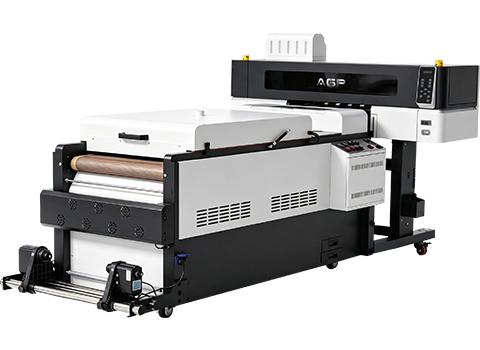
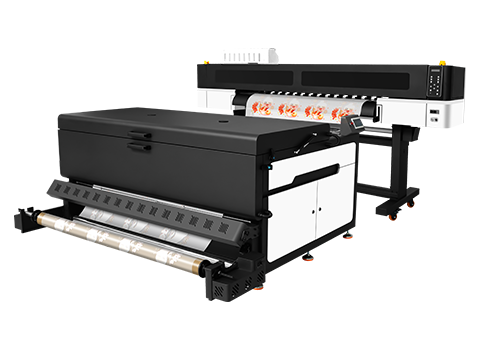
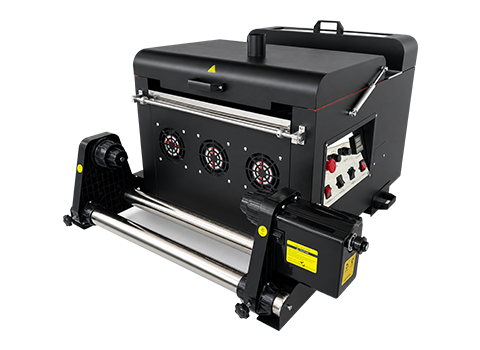
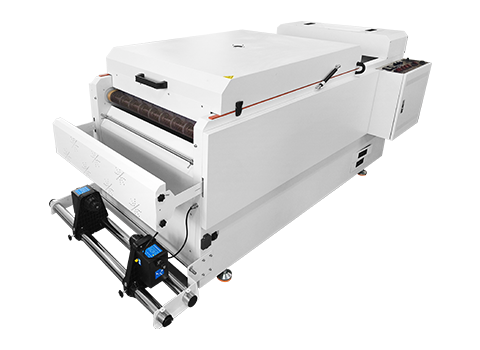
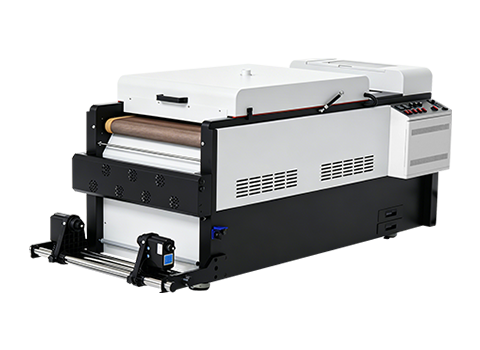
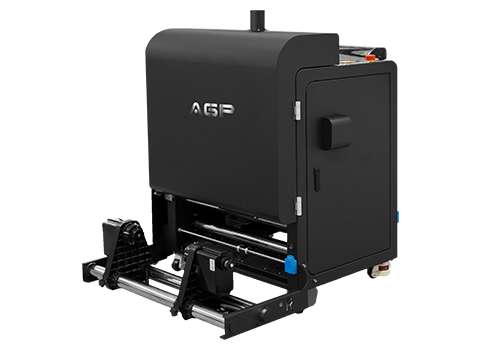
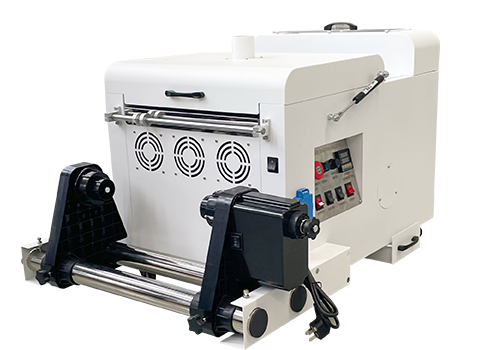
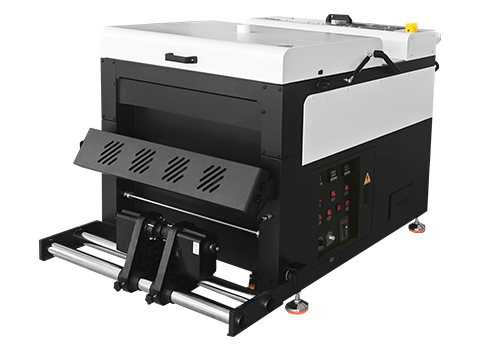
Yes. DTF requires a printer, powder shaker, curing oven and heat press. DTG requires a DTG printer and a heat press, plus a pretreatment unit for dark garments. They are not convertible into each other.
Which is cheaper to start with?
A DTF setup is the lower-entry option: an A3 machine with manual powdering and a press. A DTG machine capable of commercial output is a substantially larger investment. Per-print cost also favours DTF, but DTG avoids film and powder inventory.
Run the Numbers on Your Own Order Book
Send us your fabric mix, average order size and daily volume. We will tell you whether DTF covers your range — and if half your orders are light cotton one-offs, we will tell you that honestly too.
Compare DTF and DTG for Your Order Mix