
A3 vs 24-Inch DTF Printers: When Is the Right Time to Upgrade Your Printing Equipment?
.png)
In the fast-growing world of textile customization, DTF printers have become one of the most important technologies for garment decoration. Many startups begin with A3 DTF printers because they are compact, affordable, and easy to operate. However, as orders increase and production requirements grow, these small machines may start to limit business expansion.
So when should you upgrade from an A3 DTF printer to a 24-inch DTF printer?
For many apparel businesses, the turning point comes when production demand, design size, and efficiency expectations exceed what entry-level equipment can deliver. A larger DTF printing machine not only improves output but also reduces production costs and allows businesses to expand into new markets.
In this guide, we’ll explore the differences between A3 and 24-inch DTF printers, the signs that indicate it's time to upgrade, and how modern direct-to-film printing technology can help scale your textile printing business.
What Is DTF Printing Technology?
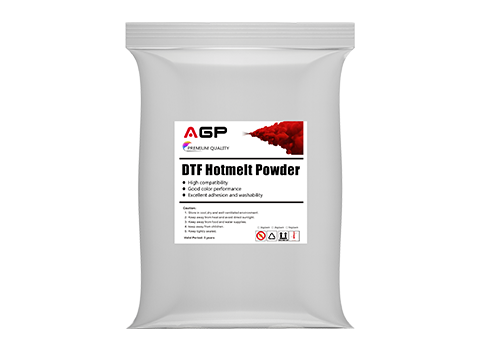
DTF printing (Direct-to-Film printing) is a digital textile printing method that transfers designs onto garments using specialized DTF transfer film, adhesive powder, and a heat press machine.
Instead of printing directly onto fabric like DTG printers, a DTF printer prints the design onto PET film first. After applying hot melt adhesive powder and curing it, the design can be transferred onto garments using heat and pressure.
This printing process has rapidly gained popularity because of its flexibility and compatibility with many fabrics.
Common materials supported by DTF printers include:
- Cotton
- Polyester
- Blended fabrics
- Nylon
- Denim
- Canvas
Because of this versatility, direct-to-film printing machines are widely used in:
- Custom T-shirt printing
- Sportswear production
- Promotional apparel
- Small clothing brands
- Print-on-demand businesses
Compared with traditional screen printing, modern DTF printing machines require less setup time and are more suitable for customized small-batch production.
Key Advantages of DTF Printers in Textile Printing
Before discussing upgrades, it’s important to understand why DTF printers have become one of the fastest-growing technologies in garment printing.
Compatible With Almost Any Fabric
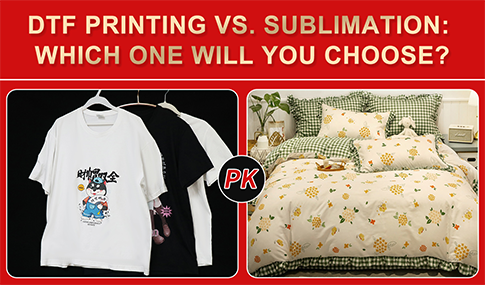
Unlike sublimation printers, which mainly work on polyester fabrics, DTF printing machines can transfer designs to both light and dark textiles without requiring pre-treatment.
This makes them ideal for custom clothing production.
Perfect for Small Orders and On-Demand Printing
Modern DTF printer systems support on-demand production. Businesses can print a single design or hundreds of transfers without complex preparation.
This flexibility is ideal for e-commerce apparel brands.
Excellent Color Performance
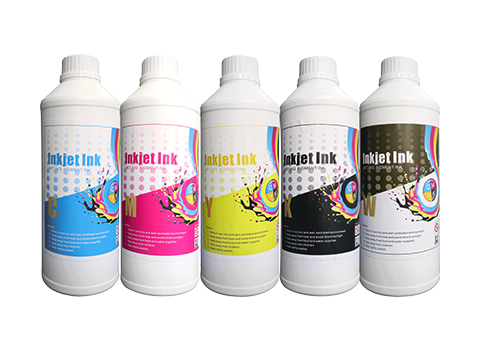
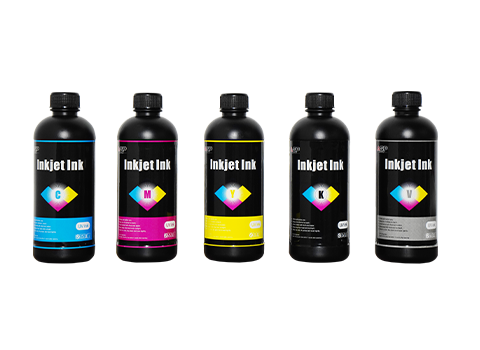
Using DTF ink (CMYK + white) allows printers to produce vivid graphics, smooth gradients, and detailed artwork.
This makes DTF printers for apparel printing perfect for logos, illustrations, and complex designs.
Faster Setup Than Screen Printing
Compared with traditional screen printing equipment, a DTF printing machine does not require screen preparation, making it faster for short-run orders.
A3 vs 24-Inch DTF Printers: Major Differences
When businesses begin scaling production, the limitations of A3 DTF printers become more obvious.
Below are the key differences between desktop DTF printers and 24-inch DTF printing machines.
Print Size Capability
A standard A3 DTF printer typically supports a print area around 12 × 16 inches.
While this size is suitable for small graphics, it may not support large artwork or oversized apparel designs.
A 24-inch DTF printer, however, allows much wider printing formats and enables multiple graphics to be printed simultaneously on roll film.
This dramatically increases production efficiency.
Ink Usage and Production Cost
Although a 24-inch DTF printer consumes more ink during each print cycle, the cost per transfer becomes lower during bulk production.
This happens because larger printers optimize film usage and reduce repeated print runs.
For businesses handling hundreds of transfers daily, this efficiency becomes a major advantage.
Maintenance and Machine Durability
Smaller A3 DTF printers usually require less maintenance due to lower printing volumes.
However, industrial roll-to-roll DTF printers are designed for long production cycles and high workloads.
Modern 24-inch DTF printers are built with stronger frames, better ink circulation systems, and automated maintenance functions, making them reliable for commercial use.
7 Signs It’s Time to Upgrade Your DTF Printer
If your current DTF printing equipment is struggling to keep up with production demands, it might be time to consider an upgrade.
Here are the most common indicators.
1. Your Order Volume Is Increasing
When daily orders exceed the output capacity of your A3 DTF printer, production delays become inevitable.
A 24-inch DTF printer can process more transfers simultaneously, dramatically increasing daily output.
2. Customers Request Larger Designs
Large hoodie prints, oversized graphics, and full-chest designs may exceed the size limits of desktop machines.
Upgrading to a wide-format DTF printer allows you to handle these orders easily.
3. Quality Consistency Becomes Challenging
When producing large quantities with small printers, color consistency and alignment issues can occur.
Industrial DTF printing machines provide more stable performance and consistent output quality.
4. Production Time Is Too Long
If your production team spends hours running multiple A3 print cycles, upgrading to a 24-inch roll DTF printer can significantly shorten turnaround time.
Faster printing means faster order fulfillment.
5. Your Product Range Is Expanding
As your business grows, you may begin producing:
- Hoodies
- Jackets
- Oversized T-shirts
- Sportswear
- Bulk apparel orders
Larger DTF printers for clothing printing support these expanded product lines.
6. Cost Per Print Needs Optimization
While entry-level machines have lower initial investment, large-volume production often benefits from industrial DTF printers, which reduce labor and material waste.
7. Market Competition Is Increasing
The custom apparel market is highly competitive.
Businesses that invest in professional DTF printing systems can offer faster delivery, larger prints, and better quality—giving them a strong competitive advantage.
How 24-Inch DTF Printers Improve Your Workflow
Upgrading to a 24-inch DTF printer transforms production efficiency in several ways.
Faster Turnaround Times
Wide-format DTF printers allow multiple designs to be printed in a single pass, reducing total production time.
Improved Scalability
With roll-to-roll DTF printing, businesses can easily scale production without increasing labor costs.
Reduced Labor Requirements
Automation in modern DTF printing machines reduces manual work such as film alignment and repeated loading.
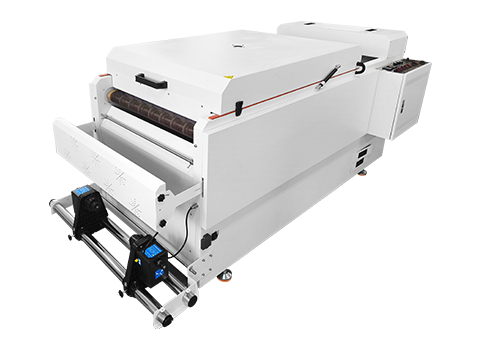
When combined with DTF powder shaker machines, the production process becomes even more streamlined.
Why Growing Businesses Choose AGP DTF Printers
As a professional manufacturer of DTF printers, AGP focuses on delivering reliable printing solutions for garment customization businesses.
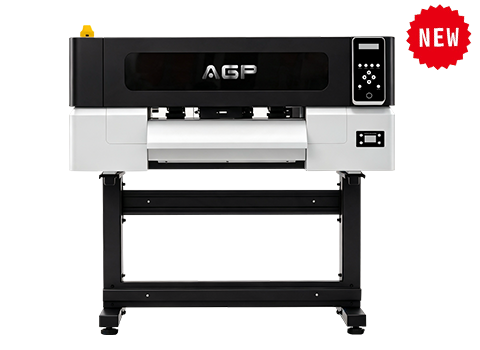
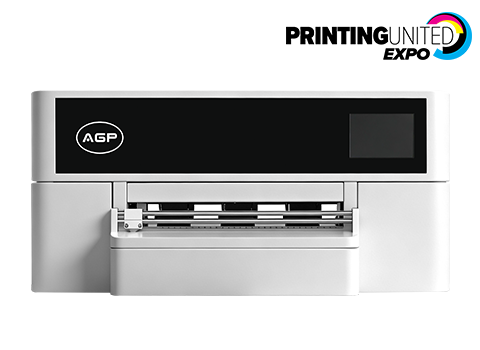
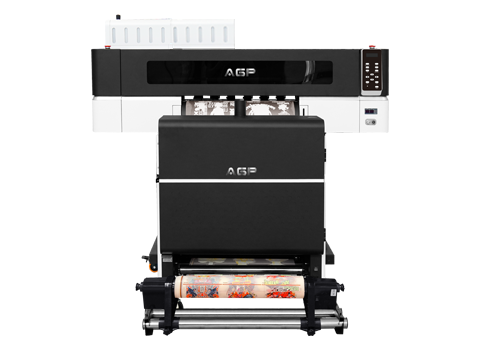
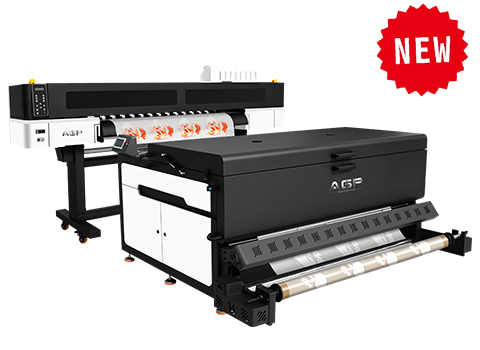
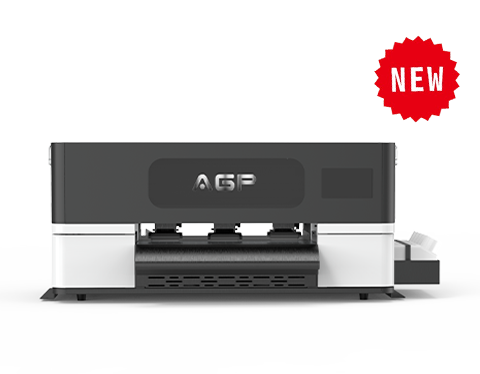
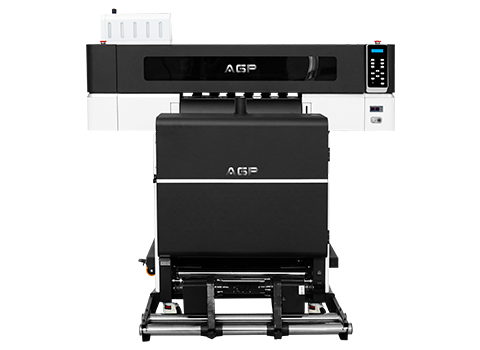
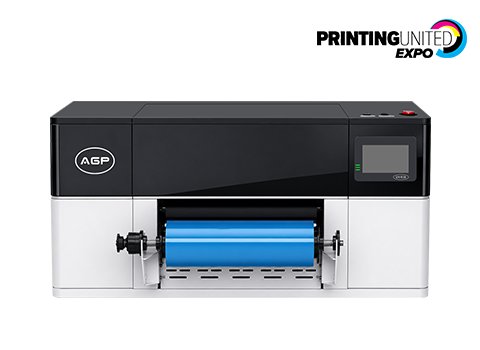
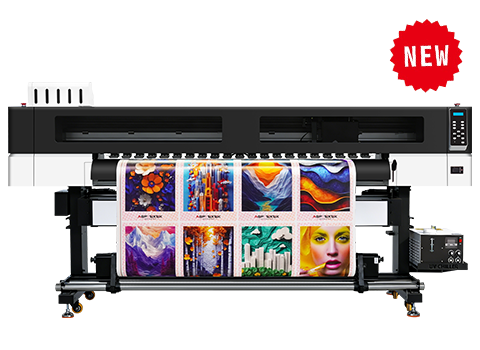
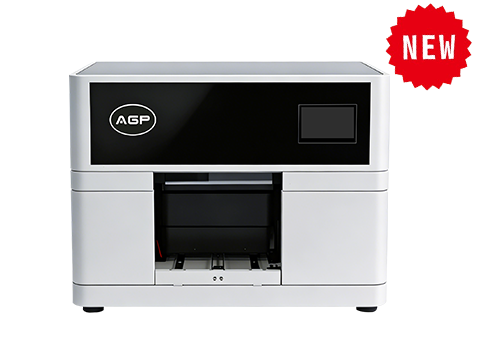
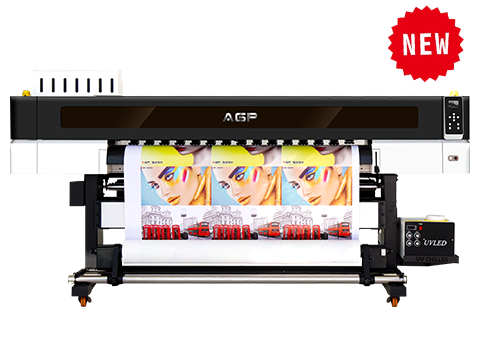
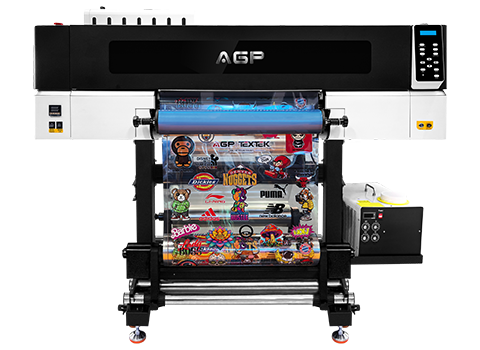
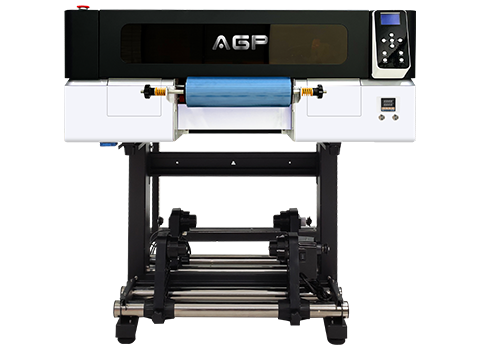
AGP offers advanced direct-to-film printing machines, including desktop A3 DTF printers and industrial 24-inch DTF printers, designed for different production scales.
Key advantages of AGP DTF printing systems include:
- Stable printing performance
- High-resolution textile printing
- Efficient ink circulation technology
- Durable industrial structure
- Global technical support
With more than a decade of experience in digital printing equipment, AGP continues to help businesses expand their production capacity and enter new markets in the apparel customization industry.
Conclusion
Upgrading from an A3 DTF printer to a 24-inch DTF printer is often a turning point for growing apparel printing businesses.
While desktop machines are ideal for startups, increasing demand, larger designs, and higher production expectations eventually require more powerful equipment.
A wide-format DTF printing machine offers:
- Higher production efficiency
- Lower cost per transfer
- Expanded product capabilities
- Better workflow automation
For businesses looking to scale their operations and stay competitive in the custom apparel market, investing in a professional 24-inch DTF printer can be a strategic and profitable decision.
FAQs
When should I upgrade from an A3 DTF printer?
You should consider upgrading when your daily orders increase, customers request larger designs, or production speed becomes a bottleneck.
Will a 24-inch DTF printer reduce production costs?
Yes. Although the machine requires a higher initial investment, bulk production lowers the cost per transfer and improves overall efficiency.
Is it difficult to learn how to operate a 24-inch DTF printer?
Not necessarily. Most modern DTF printing machines use similar RIP software and workflow as smaller printers, so operators can adapt quickly.
Can a 24-inch DTF printer print on all types of fabrics?
Yes. Just like other DTF printers, a 24-inch model can transfer designs onto cotton, polyester, blends, and many other textile materials.