
The Ultimate Guide to Heat Press DTF Transfers for Perfect Prints Every Time
DTF printing has completely changed the custom apparel industry.
Not long ago, creating full-color shirts on demand usually meant choosing between screen printing, vinyl, or DTG printing. Each method had limitations. Some required large minimum orders. Others struggled with fabric compatibility. Some simply took too much time.
That is why more print shops, small businesses, clothing brands, Etsy sellers, and sign shops are now turning to Heat Press DTF Transfers.
DTF printing is fast, flexible, beginner-friendly, and incredibly versatile. You can print on cotton, polyester, blends, hoodies, tote bags, performance wear, and even difficult fabrics that traditional methods struggle with.
But here is the reality most beginners discover very quickly:
Even the best DTF transfer can fail if your heat press settings are wrong.
Too much heat? You scorch the garment.
Not enough pressure? The transfer peels after washing.
Wrong peel timing? The design lifts from the fabric.
And suddenly, you are wasting blanks, film, powder, ink, time, and money.
The good news is that most DTF problems are completely preventable once you understand the process correctly.
This guide breaks down everything you need to know about DTF heat pressing, including settings, equipment, troubleshooting, common mistakes, and how professional shops create clean, durable apparel prints consistently.
Why Heat Press DTF Transfers Are Growing So Fast
One reason DTF printing exploded so quickly is because it removes many traditional barriers in apparel decoration.
You no longer need:
- Screen setup
- Weeding vinyl
- Large production runs
- Complex pretreatment
- Expensive embroidery workflows
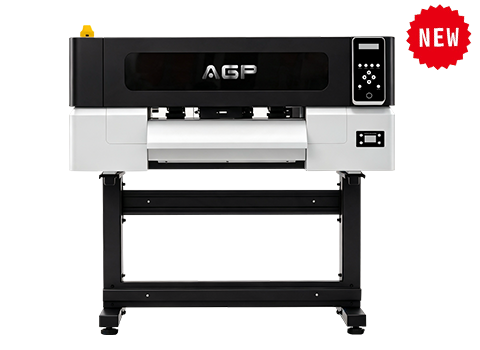
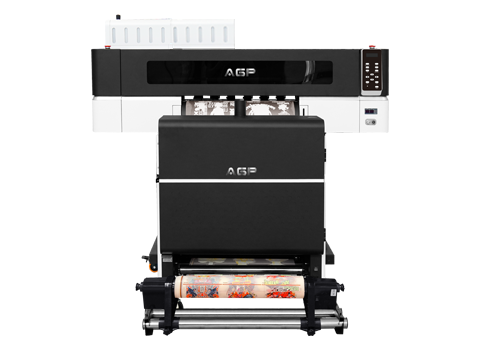
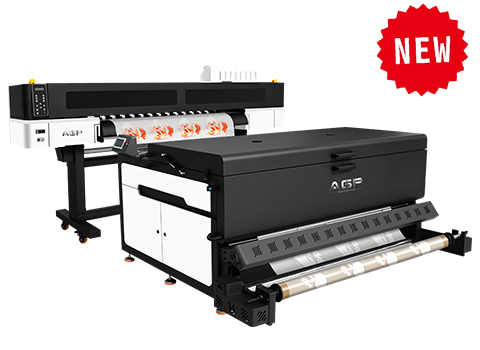
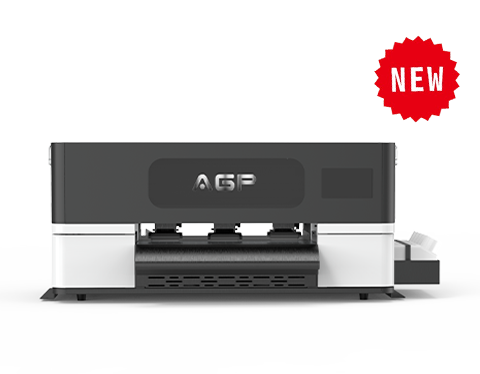
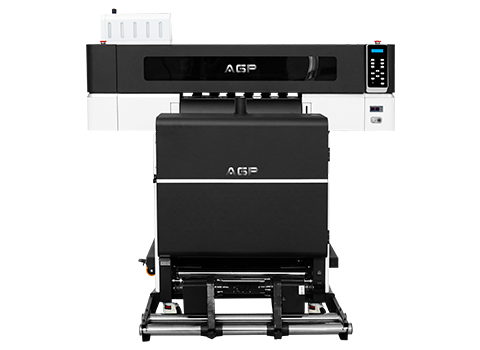
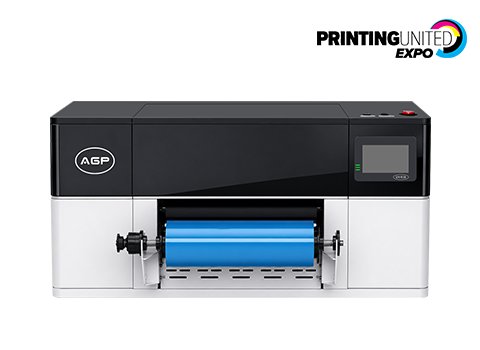
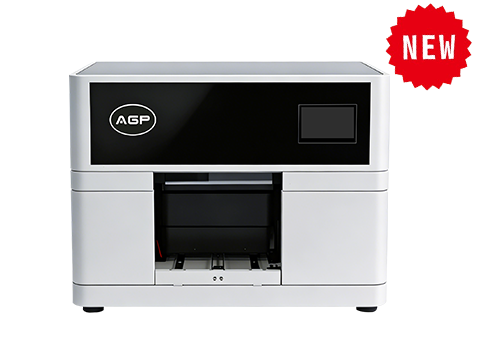
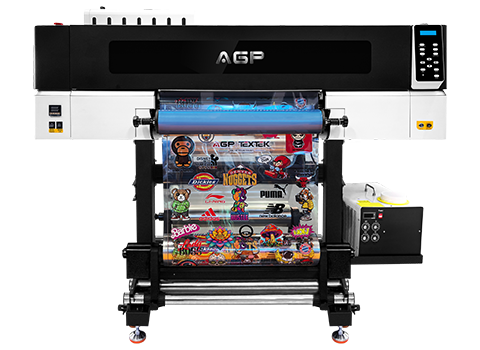
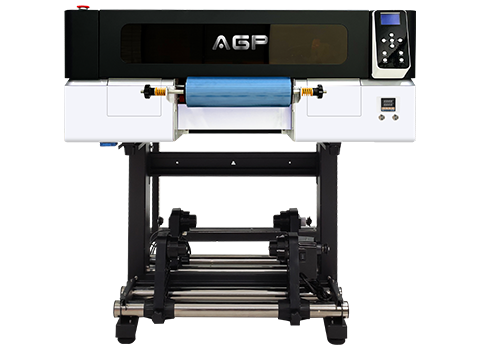
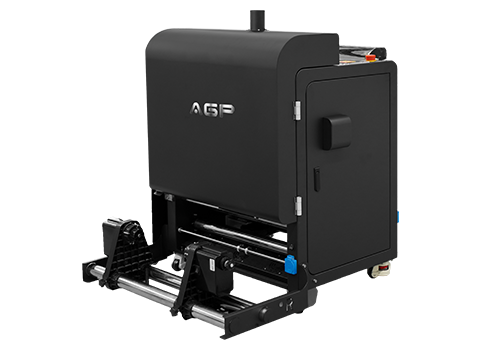
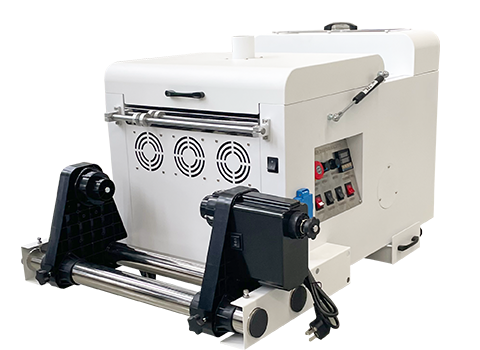
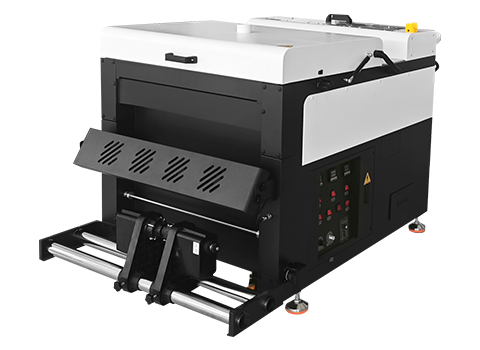
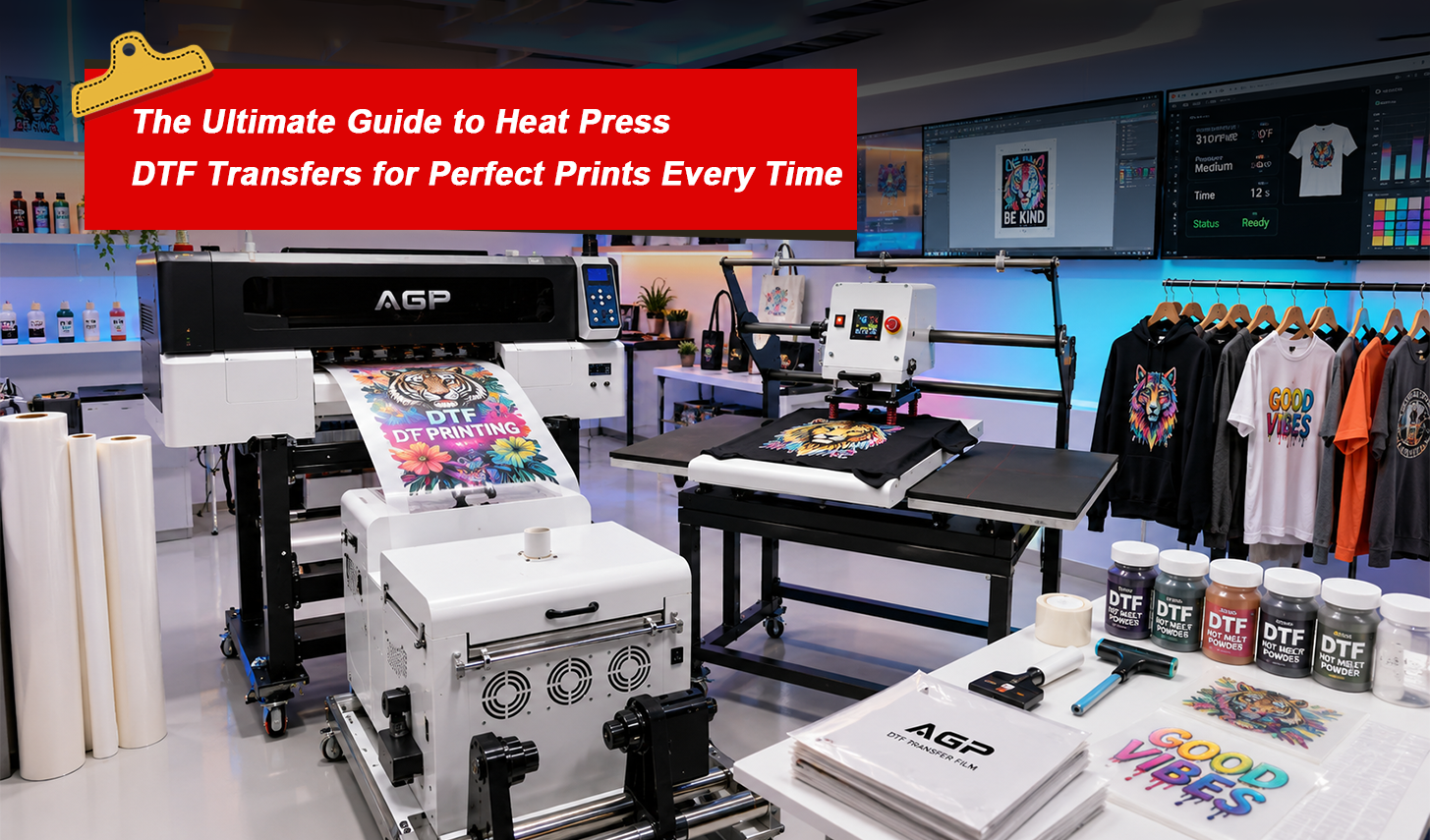
With a professional setup like the AGP DTF-T30 or AGP DTF-E30T, businesses can produce vibrant full-color transfers quickly and efficiently.
The workflow is straightforward:
- Print the design onto PET film
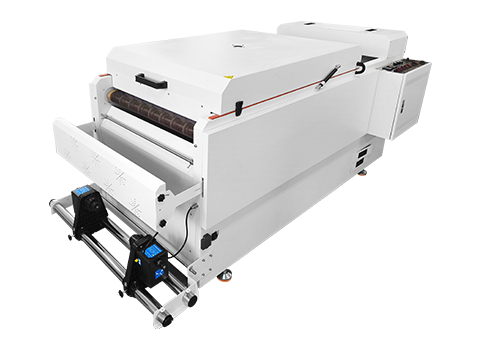
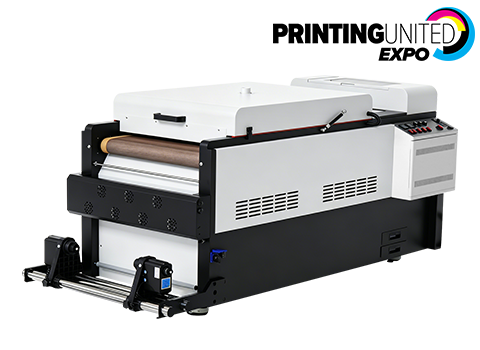
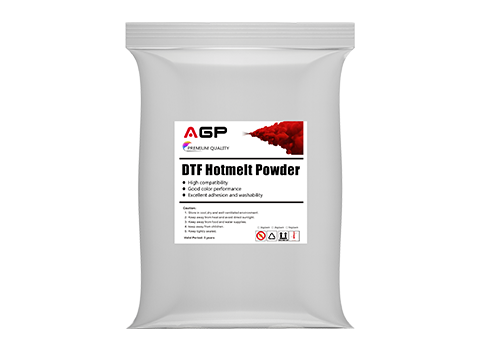
- Apply hot melt powder
- Cure the adhesive
- Heat press onto the garment
That simplicity is exactly why DTF printing continues gaining popularity across the custom apparel industry.
Popular DTF-related SEO keywords include:
- DTF printing
- DTF transfer paper
- heat press machine
- PET film
- hot melt powder
- DTF printer
- garment printing
- custom apparel printing
- heat transfer printing
- DTF transfer settings
- shirt printing business
- DTF heat press temperature
- cold peel DTF film
- hot peel DTF transfers
What Is a DTF Transfer?
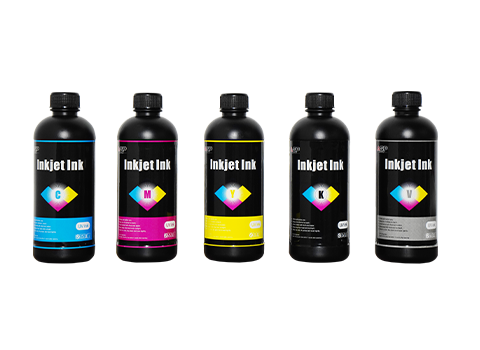
A DTF transfer is a printed design created on transparent PET film using specialized DTF ink and adhesive powder.
After printing, the transfer is cured and later applied to fabric using heat and pressure.
Unlike vinyl, there is no manual cutting or weeding.
Unlike DTG, you are not limited mainly to cotton.
And unlike screen printing, you can efficiently produce one-off or short-run jobs without expensive setup time.
This flexibility makes DTF ideal for:
- T-shirt businesses
- Print-on-demand shops
- Promotional apparel
- Sportswear
- School spirit wear
- Corporate uniforms
- Fashion brands
- Event merchandise
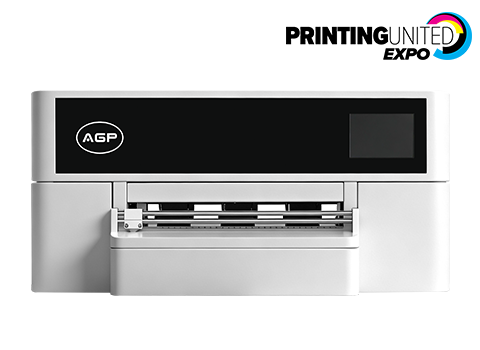
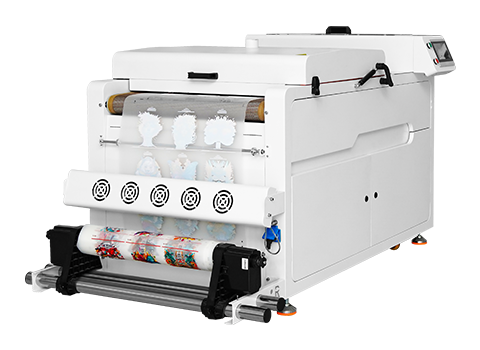
Modern systems like the AGP DTF-E30T help businesses automate much of the production process while maintaining excellent print quality and vibrant color output.
Essential Tools for Heat Press DTF Transfers
Getting professional results starts with using the right tools.
DTF Printer
Your printer is the foundation of the workflow.
Professional systems such as:
- AGP DTF-T30
- AGP DTF-E30T
allow businesses to produce high-resolution DTF transfers with accurate color reproduction and consistent white ink coverage.
These printers are designed for:
- apparel printing
- custom transfer production
- production efficiency
- commercial DTF workflows
Heat Press Machine
A quality heat press matters far more than most beginners realize.
You need:
- consistent temperature
- even pressure
- stable heat distribution
Household irons simply cannot provide professional consistency.
For best results, use:
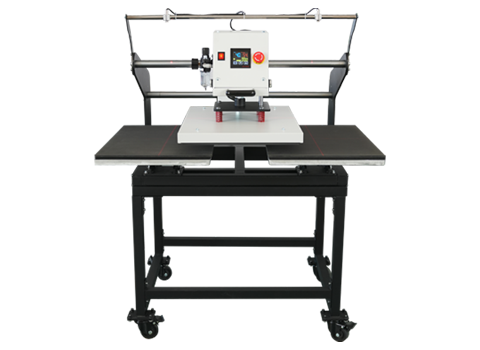
- clamshell heat press
- swing-away heat press
- drawer-style heat press
depending on your workflow and production volume.
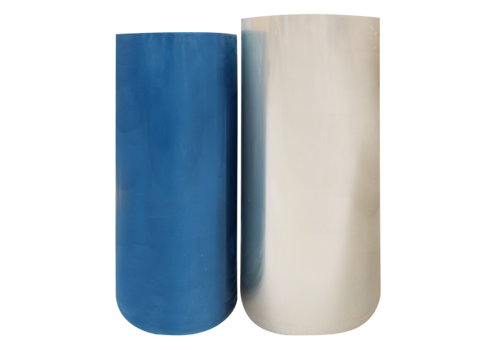
PET Film
High-quality PET film directly affects peel quality, color vibrancy, and durability.
You can choose:
- hot peel DTF film
- warm peel DTF film
- cold peel DTF film
Always follow the film manufacturer’s recommendations.
Teflon Sheet or Parchment Paper
This protective layer prevents scorching and keeps transfers from sticking to the upper platen.
Blank Garments
DTF works exceptionally well on:
- cotton
- polyester
- tri-blends
- fleece
- performance fabrics
- tote bags
- hoodies
- hats
Recommended Heat Press Settings for DTF Transfers
Every setup varies slightly, but these settings provide an excellent starting point.
| Fabric Type | Temperature | Time | Pressure |
|---|---|---|---|
| Cotton | 300–320°F | 10–15 sec | Medium-Firm |
| Polyester | 275–290°F | 10–12 sec | Medium |
| Blends | 290–310°F | 10–15 sec | Medium |
| Hoodies | 310–320°F | 15 sec | Firm |
Second Press Matters
Many beginners skip the second press.
That is a mistake.
A second press:
- improves durability
- softens the print feel
- reduces shine
- strengthens adhesion
- improves wash resistance
Professional shops almost always include this step.
Step-by-Step Guide to Heat Press DTF Transfers
Step 1: Prepare the Garment
Before pressing:
- remove lint
- flatten wrinkles
- ensure the garment is dry
A lint roller helps prevent contamination.
Step 2: Pre-Press the Fabric
Pre-pressing for 5–10 seconds removes moisture and creates a flat surface.
This improves transfer adhesion significantly.
Step 3: Position the Transfer
Place the DTF transfer exactly where you want it.
For hats or detailed placements, use heat-resistant tape to prevent movement.
Alignment tools can also improve consistency during batch production.
Step 4: Apply Heat and Pressure
Now the real bonding process begins.
Typical starting settings:
- 310°F
- 12 seconds
- medium-firm pressure
Cover the transfer with parchment paper or Teflon before pressing.
Step 5: Peel Correctly
This is where many failures happen.
Some films require:
- hot peel
- warm peel
- cold peel
Peeling incorrectly can ruin an otherwise perfect print.
Always follow the specific film instructions.
Step 6: Perform the Second Press
After removing the film:
- Cover the print again
- Press for another 5–10 seconds
This step dramatically improves final quality.
Common DTF Pressing Mistakes
Even experienced shops occasionally run into issues.
Here are the most common problems.
Incorrect Temperature
Too low:
- poor adhesion
- peeling
- weak durability
Too high:
- scorching
- discoloration
- melted adhesive
Uneven Pressure
Inconsistent pressure creates weak bonding and uneven prints.
Always verify platen pressure regularly.
Peeling Too Early
Cold peel film must cool properly before removal.
Rushing the peel often lifts parts of the design.
Skipping the Second Press
Without the second press:
- prints feel rougher
- wash durability decreases
- adhesion weakens
Using Cheap Materials
Low-quality:
- PET film
- powder
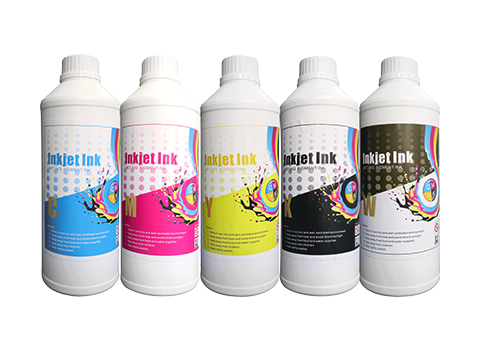
- ink
- garments
almost always produce inconsistent results.
Professional-grade consumables make a major difference.
Troubleshooting DTF Transfer Problems
Transfer Not Sticking
Possible causes:
- insufficient heat
- low pressure
- moisture in fabric
- expired adhesive powder
Fix:
- slightly increase temperature
- increase pressure
- pre-press garment longer
Peeling After Washing
Usually caused by incomplete bonding.
Fix:
- extend press time
- increase pressure
- always perform second press
Scorch Marks
Common with polyester.
Fix:
- lower temperature
- shorten press time
- use protective sheet
Dull Colors
Potential causes:
- poor ICC profiles
- low-quality ink
- incorrect curing
- over-pressing
Professional DTF systems like the AGP DTF-E30T help maintain better print consistency and color accuracy.
Why More Businesses Choose AGP for DTF Printing
As DTF printing grows, businesses need equipment that delivers:
- reliability
- color consistency
- production speed
- long-term stability
That is why many print shops are upgrading to AGP systems.
Popular AGP DTF solutions include:
AGP DTF-T30
Perfect for:
- startups
- small businesses
- custom apparel brands
- short-run production
AGP DTF-E30T
Designed for:
- production workflows
- high-volume transfer output
- commercial apparel printing
- continuous operation
AGP also provides:
- technical support
- training
- workflow guidance
- RIP software assistance
- maintenance support
That support becomes extremely valuable when scaling a DTF printing business.
Final Thoughts on Heat Press DTF Transfers
DTF printing is one of the fastest-growing sectors in the apparel decoration industry for a reason.
It offers:
- low setup complexity
- vibrant full-color printing
- fabric versatility
- scalable production
- strong ROI potential
But successful DTF production is not only about owning the printer.
The real difference comes from understanding:
- heat
- pressure
- timing
- peel methods
- workflow consistency
Once you dial in your heat press settings and establish repeatable production habits, DTF becomes far more predictable and profitable.
And when paired with reliable equipment like the AGP DTF-T30 and AGP DTF-E30T, businesses can confidently scale from startup-level production to professional commercial output.
Because in DTF printing, consistency is everything.