
The Ultimate Guide to DTF Printing Powderless Solutions
Quick Summary: Powderless DTF printing is an eco-friendly transfer technology that eliminates traditional TPU hot-melt adhesive shaking powder. By utilizing specialized self-adhesive PET film or formulated liquid binding ink, powderless DTF streamlines production into a 3-step process (Print → Dry → Heat Press). This eliminates workshop dust, significantly reduces equipment footprint and power consumption, and produces ultra-soft, breathable apparel transfers with high wash durability.
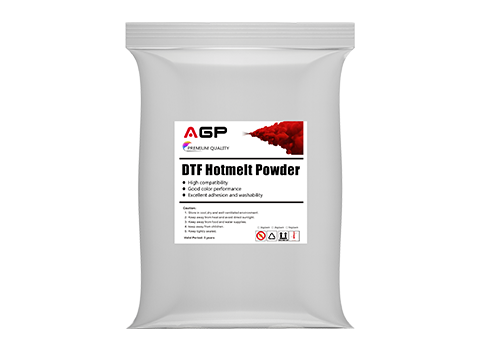
Direct-to-Film (DTF) printing transformed the garment decoration industry, but traditional powder-based DTF workflows present challenges: hot-melt TPU powder creates workshop dust, requires large shaker-dryer units, and consumes substantial power. Powderless DTF solutions solve these pain points by replacing adhesive powder with innovative chemistry, delivering a cleaner, quieter, and softer transfer process.
How Does Powderless DTF Printing Work and What Are Its Core Technologies?
Conclusion: Powderless DTF replaces TPU powder by integrating adhesive bonding agents directly into specialized coated PET films or liquid binding inks, eliminating the shaking and powder-curing stage.
The industry currently utilizes two main technical pathways to achieve powderless DTF transfers:
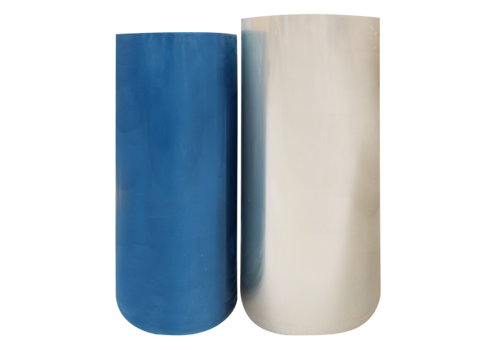
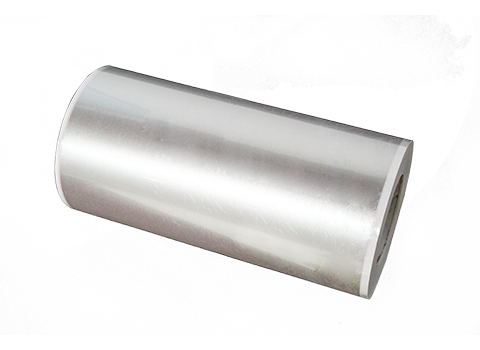
- Pre-Coated Adhesive PET Film Method: The PET transfer film comes pre-layered with a micro-thin water-activated adhesive coating. Ink prints directly onto the coating, which bonding only where ink is applied when heat pressed onto fabric.
- Liquid Glue / Primer Print Method: The printer applies a liquid adhesive layer (via an additional printhead channel or inline spray) directly over the printed ink, which cures under low heat without loose powder particles.
What Are the Key Operational Benefits of Switching to Powderless DTF?
Conclusion: Powderless DTF reduces labor and energy overhead, eliminates airborne dust hazards, and enhances garment comfort with superior softness and breathability.
1. Streamlined 3-Step Workflow & Saved Factory Space
Traditional DTF requires a 5-step process: Print → Powder Shake → Powder Melt → Heat Press → Peel. Powderless DTF cuts this down to 3 steps: Print → Low-Temp Dry → Heat Press. Removing the bulky powder shaker reduces equipment footprint by over 50%, making it ideal for small shop spaces.
2. Healthier Environment & Zero TPU Dust Pollution
Powder shakers generate airborne TPU fine particles and oil smoke, requiring high-powered air purifiers. Powderless solutions maintain a clean, dust-free workplace environment that meets strict indoor environmental air standards.
3. Ultra-Soft Hand-Feel & Superior Fabric Breathability
Because there is no thick melted powder layer backing the print, powderless transfers are exceptionally thin and pliable. The resulting print integrates cleanly into fabric fibers without creating a heavy "plastic shield" feel on lightweight t-shirts.
Is Powderless DTF Right for Your Shop? Checklist
✔
Limited Production Space: Ideal if you don't have room for a 1.5-meter long automatic TPU powder shaker and inline oven.
✔
Focus on Soft-Touch Apparel: Perfect for summer t-shirts, baby clothing, and activewear where heavy print feel is unacceptable.
✔
Energy & Noise Reduction: Eliminates high-wattage heater tubes and shaker motor noise, slashing electricity bills.
Powderless DTF vs. Traditional Powdered DTF: Technical Matrix
Conclusion: Powderless DTF outperforms traditional DTF in hand-feel, eco-friendliness, and space requirements, while maintaining competitive wash durability.
| Performance Metric | Powderless DTF Solution | Traditional Powdered DTF |
|---|---|---|
| Production Workflow | 3 Steps (Print → Low Heat Dry → Heat Press) | 5 Steps (Print → Powder → Shake → Cure → Press) |
| Hand-Feel & Flexibility | Ultra-soft, lightweight, breathable, near zero-feel | Slightly thick/rubbery feel on large solid prints |
| Workshop Environment | Clean, zero TPU dust, odorless, low noise | Generates airborne TPU dust and melting fumes |
| Equipment Footprint & Power | Compact setup, low power consumption (No shaker oven) | Large footprint required, high power usage for heating oven |
| Wash Fastness (Durability) | Grade 4–4.5 (up to 40–50 standard wash cycles) | Grade 4.5–5 (up to 50+ heavy wash cycles) |
Conclusion: Embrace Powderless DTF for Next-Generation Apparel Customization
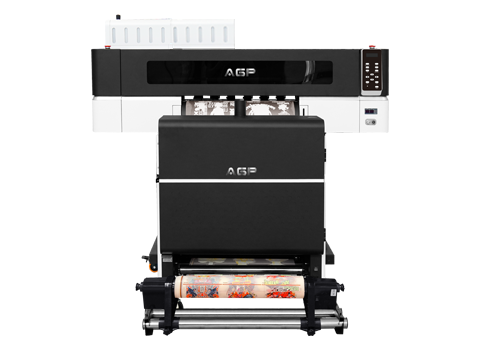
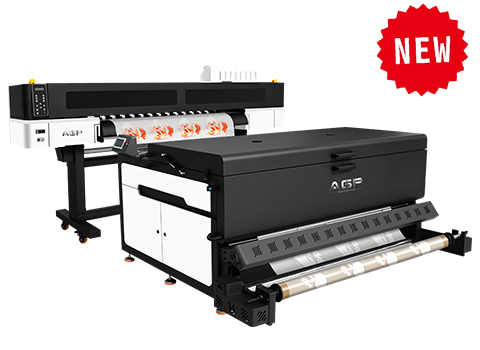
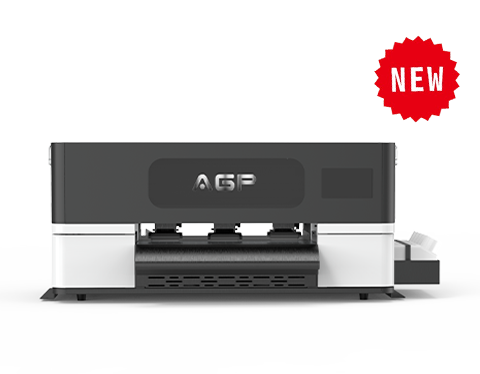
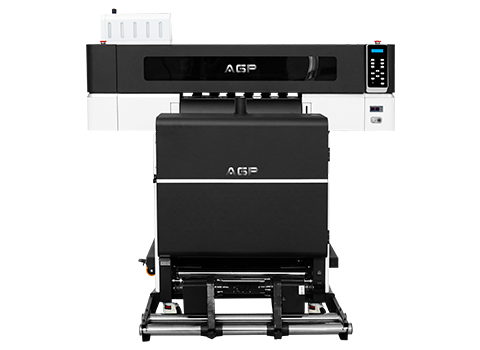
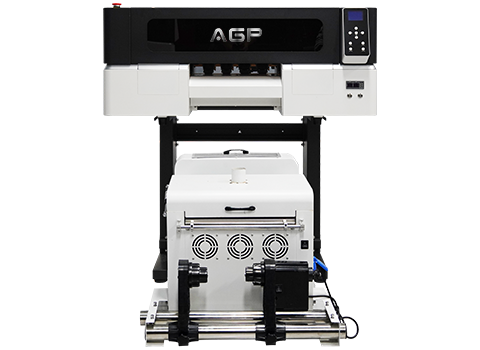
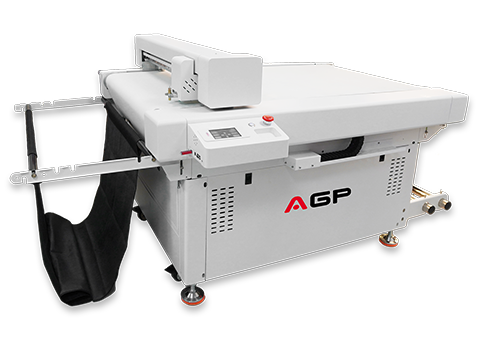
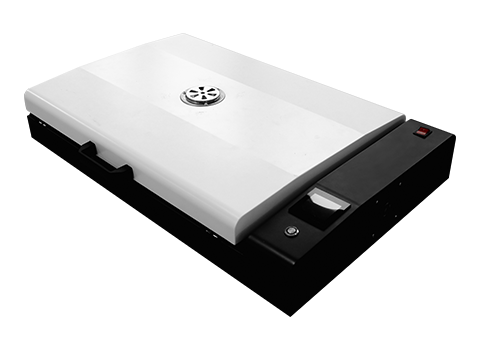
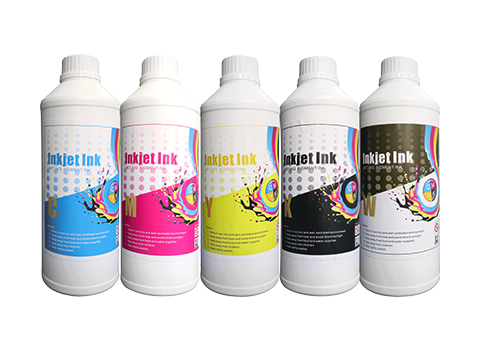
Powderless DTF printing represents a major evolutionary step in digital textile transfer technology. By replacing messy TPU adhesive powder with smart film/ink chemistry, print businesses can lower operating overhead, reduce electricity consumption, and deliver comfortable, breathable custom garments to their clients. AGP supplies state-of-the-art DTF printer setups, powderless film solutions, and high-purity pigment inks to keep your print shop at the cutting edge. Contact our engineers today for a technical demo.
FAQ: Powderless DTF Printing Questions
1. Does powderless DTF printing require special inks and films?
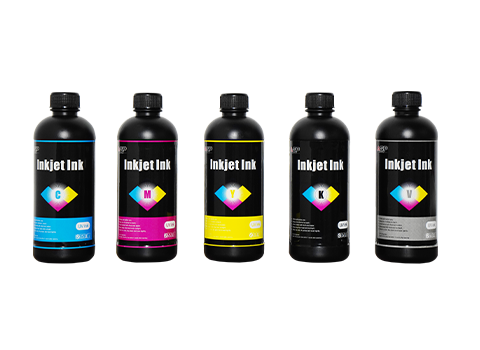
Yes. Powderless DTF relies on dedicated pre-coated adhesive PET films or specialized binder-formulated inks. Standard DTF films and traditional pigment inks cannot achieve proper fabric adhesion without TPU powder.
2. Is the wash durability of powderless DTF as good as traditional powdered DTF?
Modern high-grade powderless DTF solutions achieve Grade 4+ wash fastness (withstanding over 40–50 standard washing machine cycles at 40°C). While heavy-duty industrial workwear may still benefit from traditional coarse TPU powder, powderless DTF is more than durable enough for everyday fashion, streetwear, and custom t-shirts.
3. Can I convert my existing DTF printer to a powderless DTF system?
In most cases, yes. Most dual-head or multi-head DTF printers (using Epson i3200 or XP600 heads) can be adapted to powderless DTF simply by switching to powderless PET film/ink consumables and bypassing the automatic shaker machine.
4. What heat press settings should be used for powderless DTF transfers?
Typically, heat press powderless DTF transfers at 145°C – 155°C (293°F – 311°F) for 12 to 15 seconds with medium pressure (3–4 bar). Always follow specific supplier guidelines for cold or warm peeling timing.