
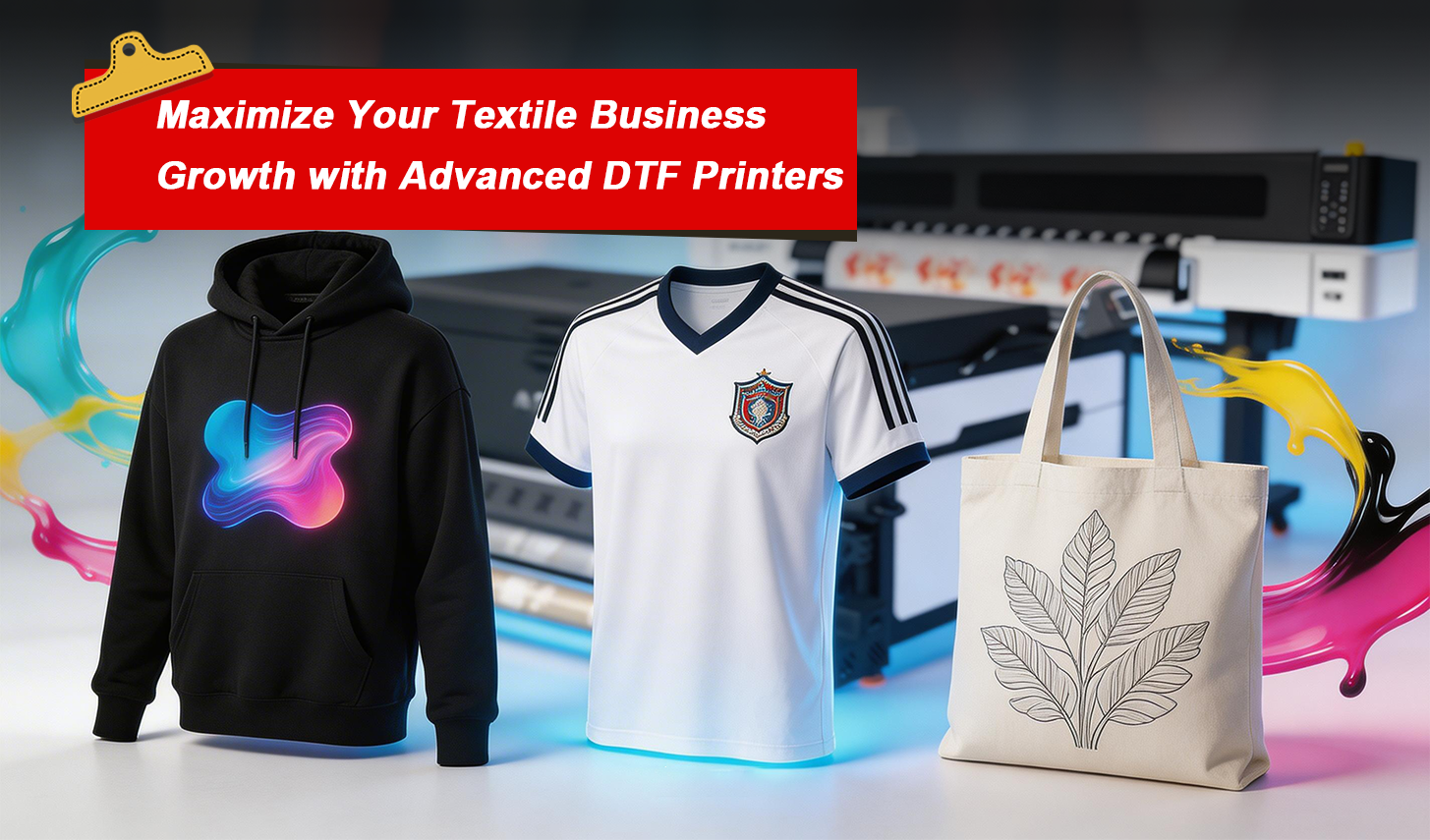
Maximize Your Textile Business Growth with Advanced DTF Printers
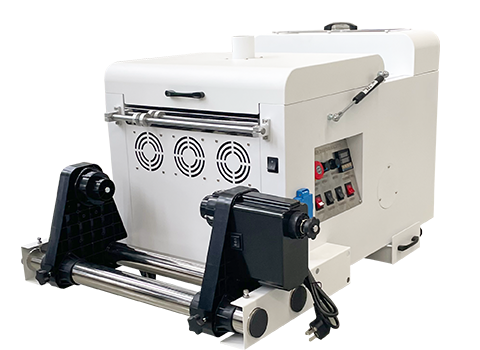
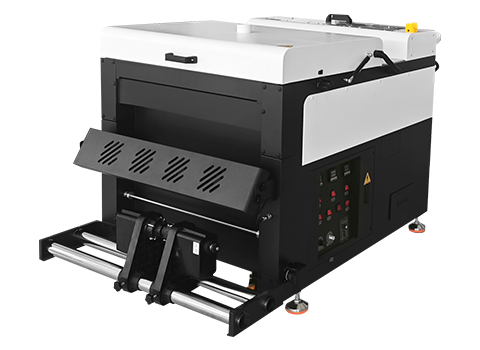
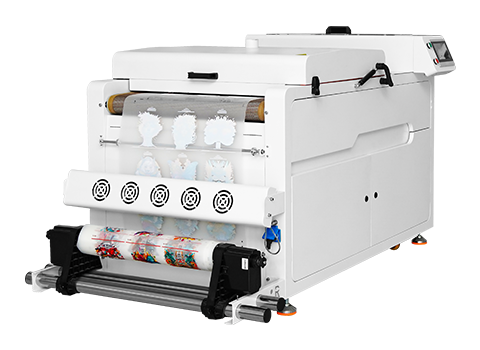
The world of textile printing has evolved dramatically in recent years, and DTF printers are at the forefront of this revolution. With the ability to print vibrant, high-quality designs on a wide variety of fabrics and materials, DTF printing is becoming an essential tool for businesses in the textile industry. Whether you're in custom apparel, promotional items, or even niche markets like specialty fabrics, DTF printers offer unmatched flexibility, efficiency, and cost-effectiveness.
In this article, we will explore how DTF printing technology is transforming the textile industry and how it can help you grow your business.
Introduction to DTF Printing
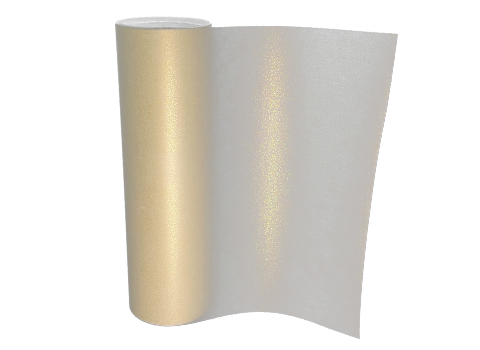
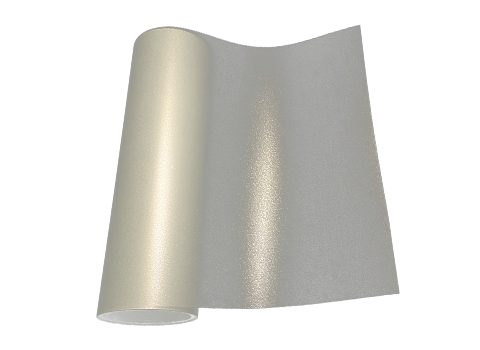
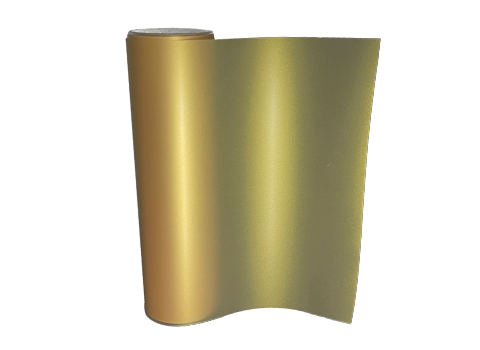
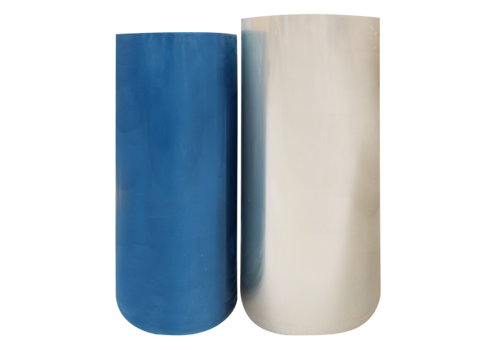
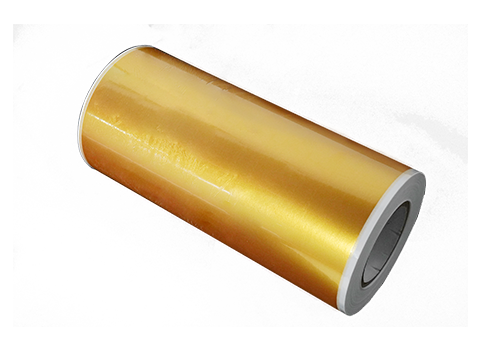
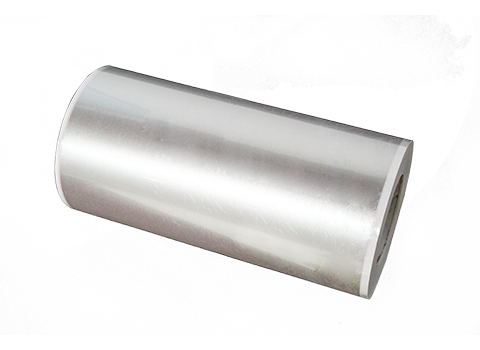
Direct to Film (DTF) printing is a process where high-quality designs are printed onto special transfer films, which are then heat-pressed onto fabric. Unlike traditional DTG printing, which prints directly onto garments, DTF printing offers greater versatility by allowing prints to be transferred onto a range of substrates including cotton, polyester, and other fabrics, as well as non-fabric materials such as wood, metal, and plastic.
DTF printing has quickly become a popular choice for businesses looking to diversify their product offerings and meet the demand for custom, high-quality textile prints.
Advantages of DTF Printing
1. Vibrant Colors
One of the most striking benefits of DTF printing is its ability to produce vibrant and long-lasting colors. DTF printers use advanced inks that penetrate deeply into the fibers of the fabric, creating designs that are bright, bold, and resistant to fading. This makes it ideal for businesses that want to offer custom apparel and other textile products that stand out with eye-catching designs.
2. Versatility
DTF printing is incredibly versatile. Unlike DTG printing, which is limited to certain fabric types, DTF printers can print on a wide variety of materials including cotton, polyester, blends, and specialty fabrics. This opens up new opportunities for businesses, allowing them to expand their product range and target different markets. Whether it's printing on athletic wear, home textiles, or promotional products, DTF printing can handle it all.
3. Cost-Effective and Efficient
DTF printing is more cost-effective than other printing methods, such as sublimation printing and screen printing, because it eliminates the need for costly pre-treatment processes or specialized inks. The transfer film used in DTF printing allows businesses to print on-demand and minimize waste, making it a great choice for small to medium-sized businesses.
Moreover, DTF printers are efficient and fast, making them ideal for businesses that need to fulfill large orders quickly. With DTF printing, you can print high-quality designs in less time, allowing you to increase productivity and take on more orders.
4. Eco-Friendly Solutions
As sustainability becomes a major priority in the textile industry, DTF printing stands out for its eco-friendly benefits. DTF printers use water-based inks that produce minimal waste compared to traditional solvent-based printing methods. This not only helps reduce the environmental impact but also makes DTF printing a cleaner and safer option for operators.
5. Improved Ink Technology
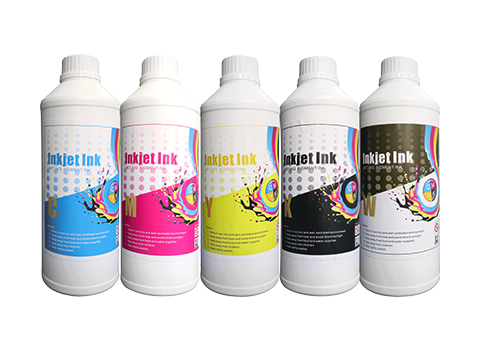
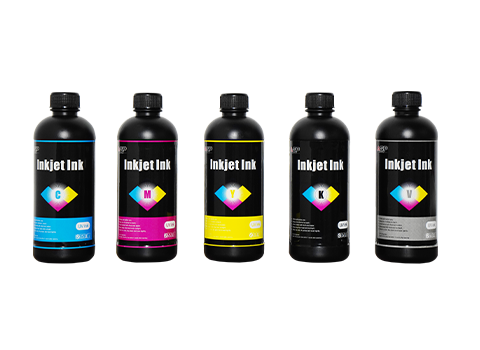
Recent advancements in ink technology have significantly improved the performance of DTF printers. The latest generation of inks used in DTF printing provides enhanced color matching, increased durability, and faster drying times. These improvements ensure that prints are of the highest quality, with sharp details and vibrant colors that last longer.
6. Integration with UV DTF Printers
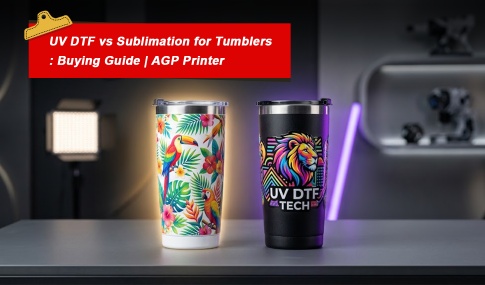
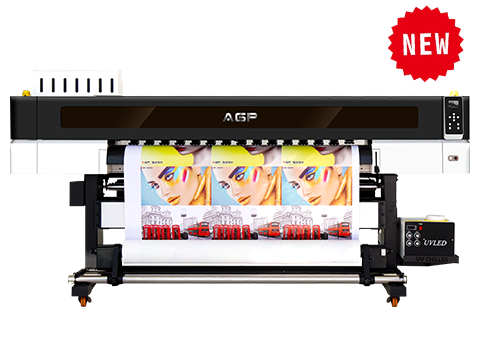
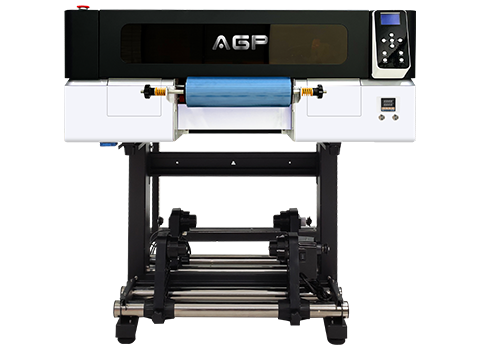
A major trend in the industry is the integration of UV DTF printers with traditional DTF printers. By using ultraviolet (UV) light to cure the inks, UV DTF printers offer enhanced print durability and the ability to print on even more materials, such as glass, metal, and ceramic. This integration broadens the creative possibilities for businesses, allowing them to produce highly detailed and vibrant prints on a wider range of substrates.
Applications of DTF Printing in the Textile Industry
1. Custom Apparel
DTF printing has become a favorite for businesses specializing in custom clothing. Whether it’s t-shirts, hoodies, or hats, DTF printers allow for printing intricate designs with a wide range of colors. Small businesses and entrepreneurs can create personalized apparel without the need for expensive equipment, making DTF printing a cost-effective solution for custom garment production.
2. Promotional Items
DTF printers are also ideal for creating promotional items such as bags, caps, and other branded products. The ability to print vibrant, long-lasting designs on a variety of materials makes DTF printing a great choice for businesses looking to create customized corporate gifts or event giveaways.
3. Specialty Fabrics
DTF printers can also handle specialty fabrics such as moisture-wicking athletic wear, custom home textiles (like pillowcases and curtains), and even accessories. The versatility of DTF printing allows businesses to target niche markets and expand their product offerings, opening up new revenue streams.
Comparing DTF Printing with Other Methods
DTF vs. DTG Printing
DTG printing excels at printing high-quality designs directly onto cotton fabrics, but its use is limited when it comes to other materials. DTF printing, on the other hand, offers more versatility and can be used on a wider range of fabrics, making it a better choice for businesses that want to print on multiple substrates.
DTF vs. Sublimation Printing
While sublimation printing is ideal for polyester fabrics, it requires light-colored materials and works best on items that are specifically designed for sublimation. In contrast, DTF printers are not limited by fabric color or type, making them a more versatile option for custom textile printing.
Future Trends in DTF Printing
Increasing Automation
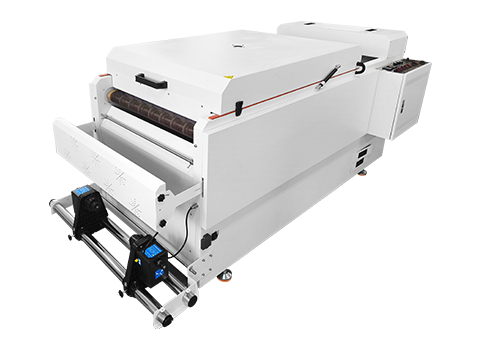
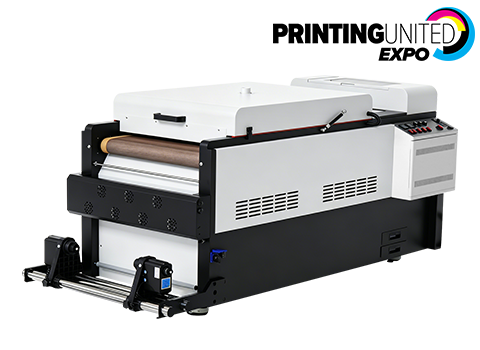
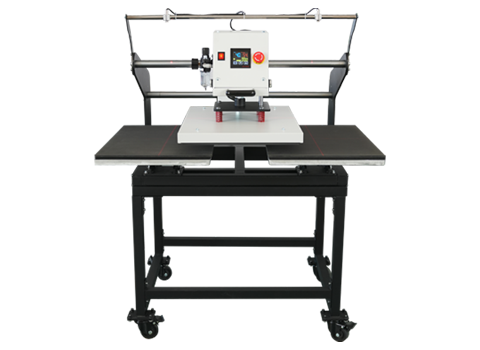
As with many other industries, automation is on the rise in DTF printing. The introduction of automated film feeding, ink application, and heat pressing systems is making DTF printing faster and more efficient, enabling businesses to increase their production volume without sacrificing quality.
Eco-Friendly Solutions
The demand for sustainable practices in textile printing is driving innovation in DTF printing. Companies are developing new eco-friendly inks and materials to reduce waste and lower the environmental impact of textile production.
Enhanced Software Integration
Advancements in software tools for DTF printing are also improving the design and printing process. With better design packages and printing utilities, businesses can streamline their operations, improve print quality, and manage their production more effectively.
Conclusion
DTF printing is revolutionizing the textile industry by offering vibrant, high-quality prints on a wide range of materials. Its versatility, cost-effectiveness, and eco-friendly benefits make it a game-changer for businesses looking to grow and diversify their product offerings. With recent advancements in ink technology, automated systems, and integration with UV DTF printers, the future of DTF printing is bright.
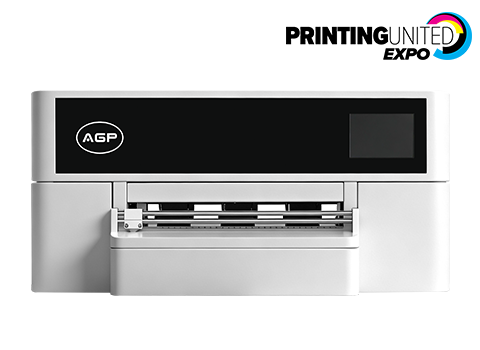
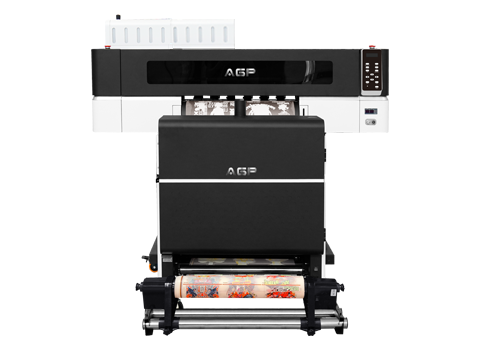
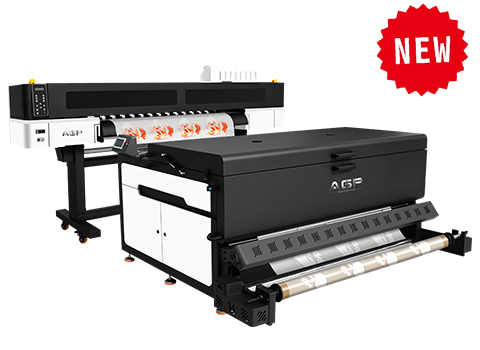
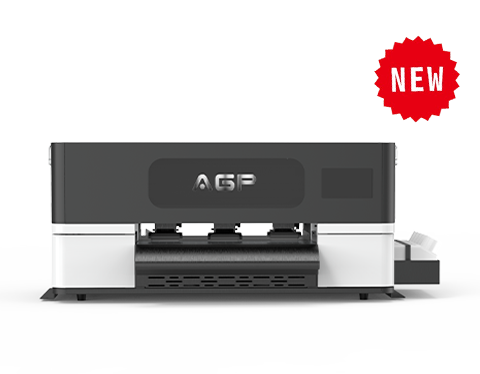
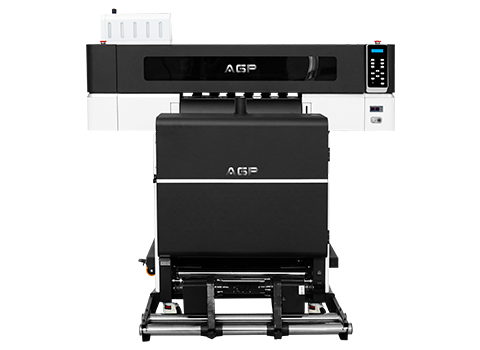
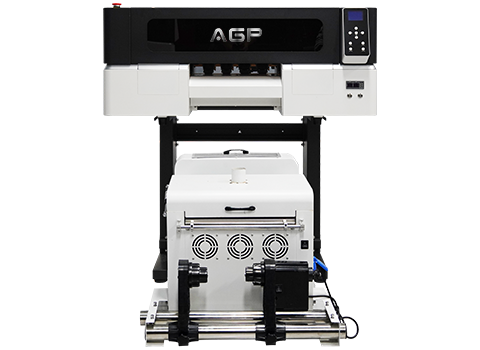
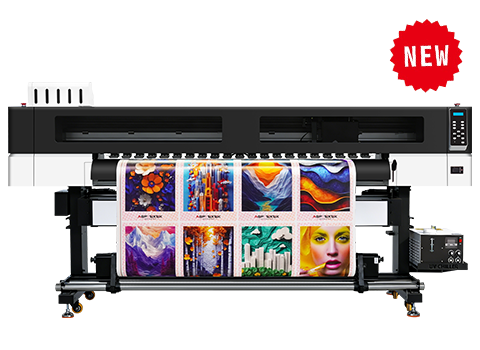
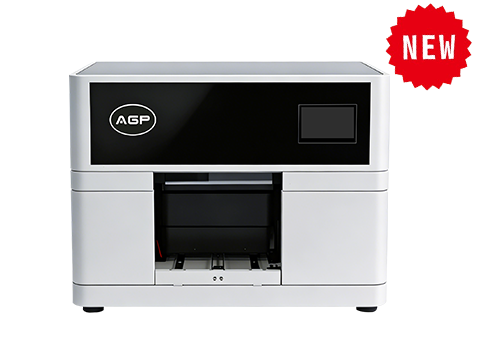
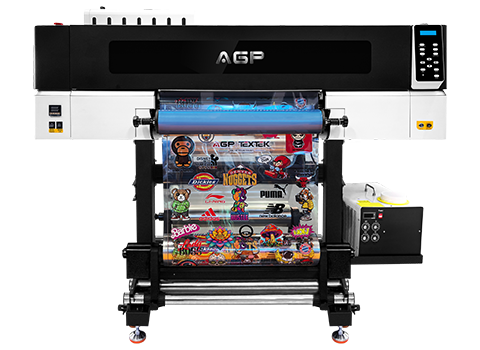
If you want to stay ahead in the textile printing industry, AGP has the latest DTF printing solutions to help you succeed. Contact us today to explore our range of DTF printers and take your printing business to the next level.
FAQs
What is DTF printing?
DTF (Direct to Film) printing is a method of printing designs onto transfer films, which are then heat-pressed onto fabrics and other materials. It’s known for its vibrant colors, durability, and versatility.
Can DTF printers print on any fabric?
Yes, DTF printers can print on a wide variety of materials, including cotton, polyester, and blends, as well as specialty fabrics such as athletic wear and custom home textiles.
Is DTF printing eco-friendly?
Yes, DTF printing uses water-based inks and produces less waste compared to traditional printing methods like screen printing, making it a more sustainable option for businesses.