
How to Start a DTF Printing Business in 2026: Equipment, Costs & Profit Guide
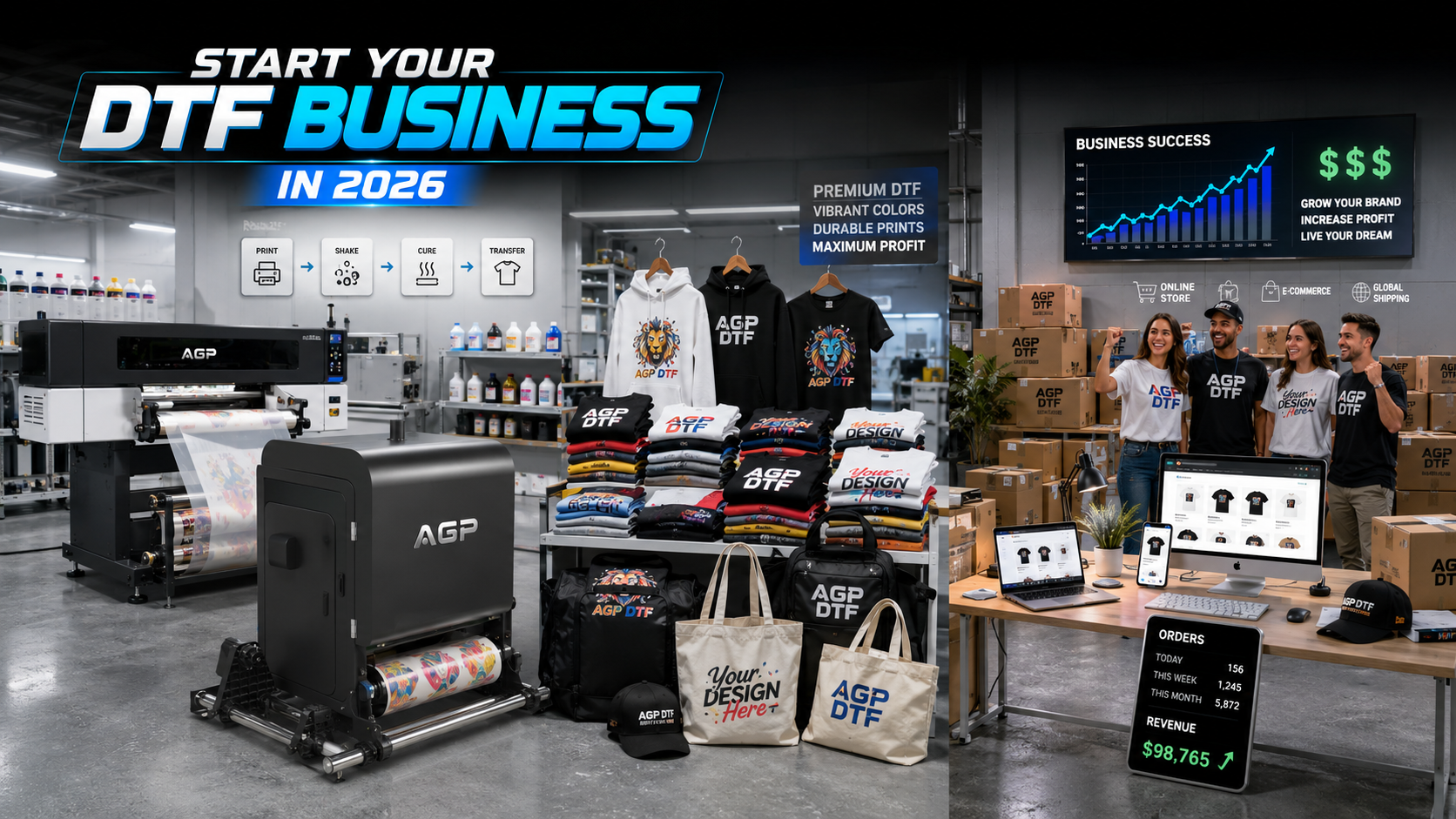
Direct-to-Film (DTF) printing has become one of the fastest-growing custom apparel businesses in the world — and for good reason. Low entry costs, no minimum order quantities, and the ability to print on virtually any fabric make it an attractive opportunity for entrepreneurs at every level. Whether you're running a home studio or scaling a commercial print shop, this guide walks you through everything you need to start and grow a profitable DTF printing business in 2026.
What Is DTF Printing and Why Is It a Smart Business in 2026?
DTF printing is a process where designs are printed onto a special PET film, coated with hot-melt adhesive powder, cured, and then heat-pressed onto fabric. Unlike screen printing, there are no screens to set up. Unlike DTG (Direct-to-Garment), there's no need to pre-treat garments. The result: full-color, highly detailed transfers that work on cotton, polyester, nylon, leather, and blended fabrics.
Why 2026 is a great time to start:
- The global custom apparel market is projected to surpass $10 billion by 2027
- DTF printers have come down significantly in price while improving in quality and speed
- Consumer demand for personalized clothing, merchandise, and branded gear continues to surge
- Low minimum order quantities make it viable for both B2C (individual customers) and B2B (brands, sports teams, events)
Step 1: Understand Your Business Model
Before buying equipment, decide what type of DTF business you want to run:
Model A — Print-for-Hire (Gang Sheet / Transfer Service) You print DTF transfers and sell them to other decorators, screen printers, or embroiderers who don't own a DTF printer. This is a pure B2B model with high volume potential.
Model B — Custom Merchandise (Direct to Consumer) You accept orders from individuals, small brands, and event organizers. You print and press the final product (T-shirts, hoodies, tote bags, caps). Higher margins per piece, but more production steps.
Model C — Hybrid You do both — sell transfers wholesale AND fulfil finished garment orders. Most mid-size shops operate this way once they've scaled up.
Your model determines which printer and powder shaker specs you need, so be clear on this before purchasing.
Step 2: Choose the Right DTF Equipment
The Core Setup: DTF Printer + Powder Shaker
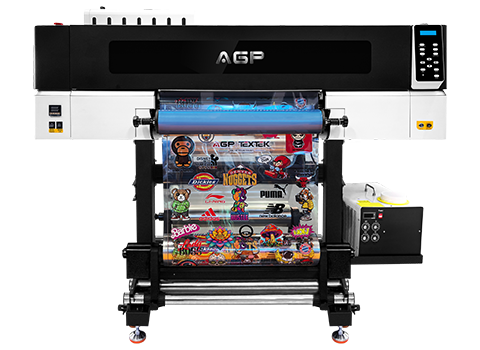
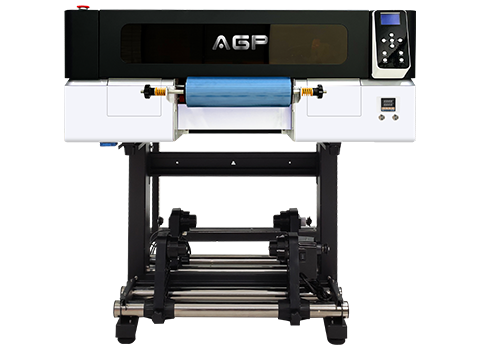
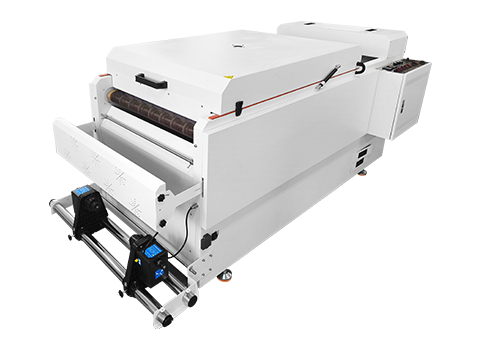
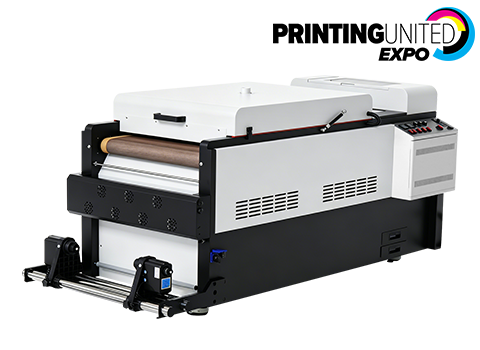
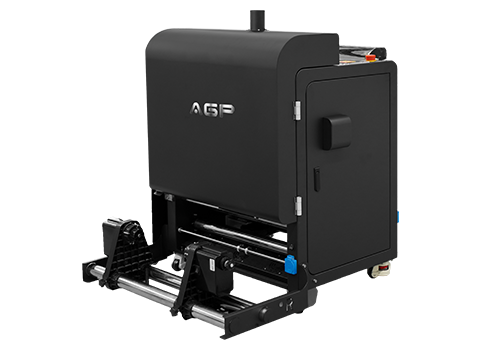
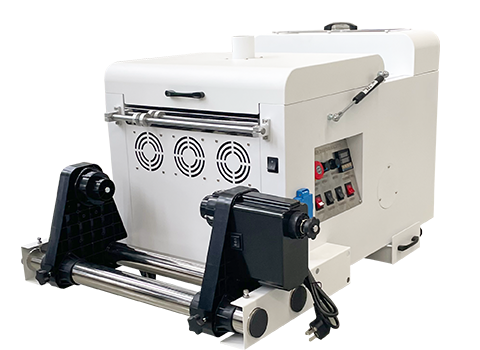
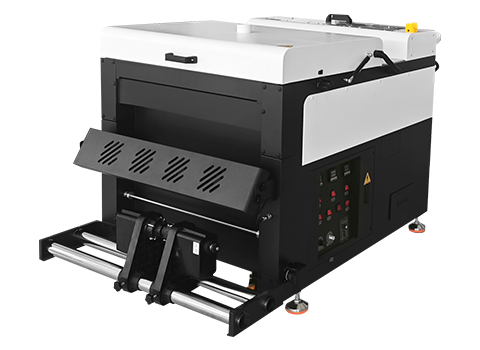
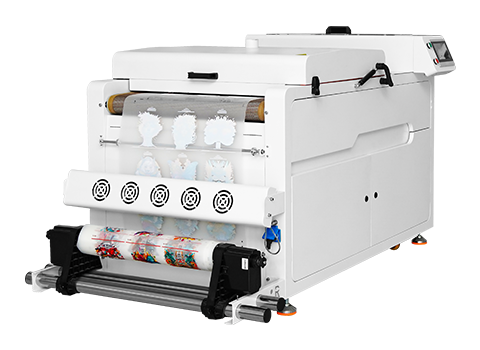
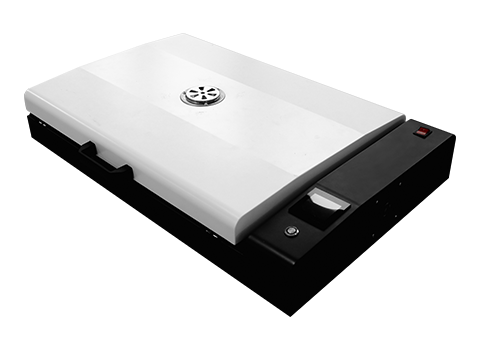
A DTF workflow requires at minimum two machines: a DTF printer and a powder shaker (with curing). Here's how AGP's lineup maps to different business scales:
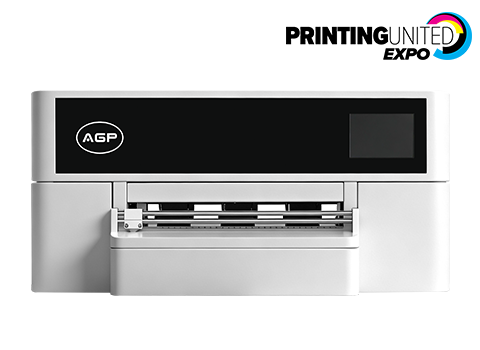
Beginner / Home Studio — AGP DTF-E30
| Spec | Detail |
|---|---|
| Printhead | Epson F1080-A1 (1 head) |
| Print Width | 300mm (A3) |
| Colors | CMYK + White |
| Best For | Individual orders, sampling, side business |
| Recommended Shaker | D300 (A3 compact shaker) |
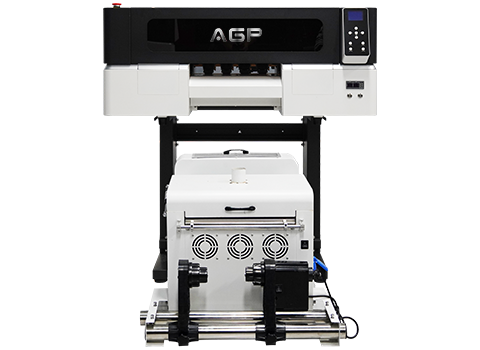
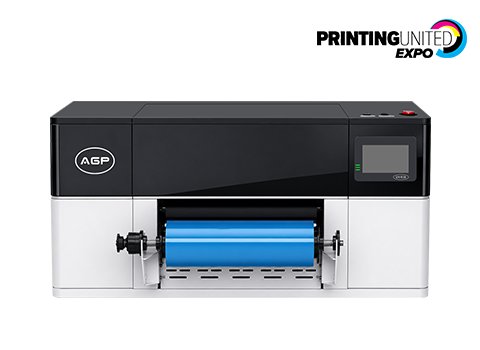
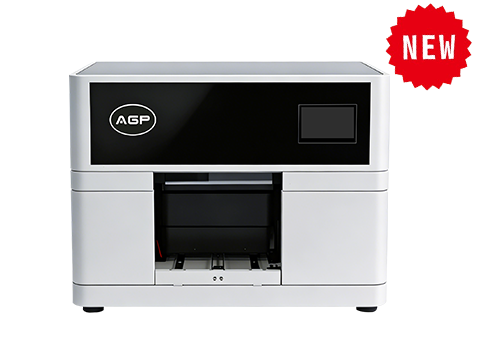
The DTF-E30 is AGP's entry-level workhorse. One Epson F1080 printhead, 300mm print width, and a simple CMYK+W ink setup. It's ideal if you're starting small, testing the market, or running a home-based custom order business. Pair it with the D300 powder shaker for a complete compact setup.
Growing Studio — AGP DTF-T30
| Spec | Detail |
|---|---|
| Printhead | 2 or 3× Epson I1600-A1 |
| Print Width | 300mm |
| Colors | CMYK+W or CMYK+FR/FG+W (fluorescent option) |
| Best For | Small print shops, growing order volumes |
| Recommended Shaker | H650E or H650 Pro |
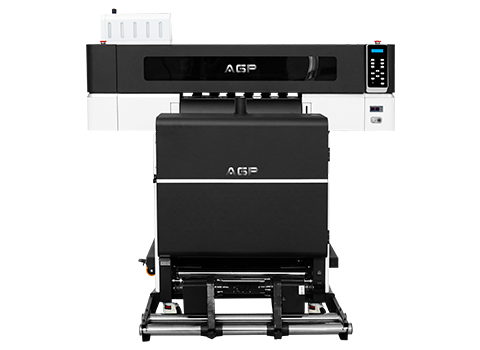
With 2–3 print heads, the DTF-T30 dramatically increases throughput compared to single-head machines. The optional fluorescent ink configuration (FR/FG) opens up niche markets like sportswear and safety apparel.
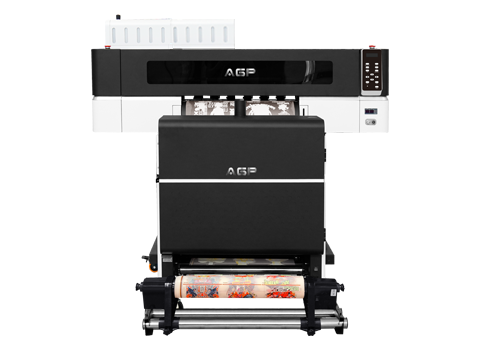
Commercial Print Shop — AGP DTF-T652 / T653 / T654
| Spec | Detail |
|---|---|
| Printhead | 2 / 3 / 4× Epson I3200-A1 |
| Print Width | 600mm |
| Colors | CMYK + White |
| Best For | High-volume production, gang sheets, wholesale transfers |
| Recommended Shaker | H650L or H6505 |
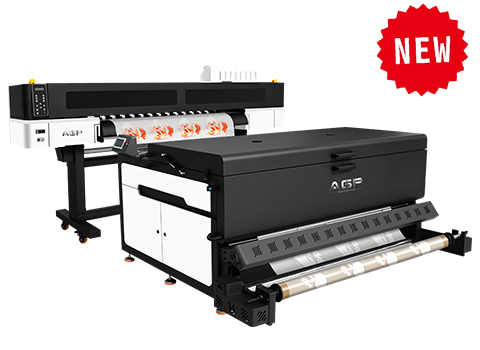
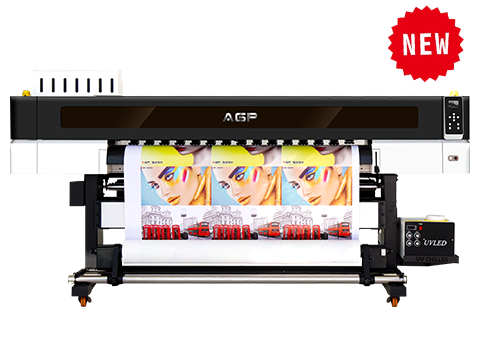
The T652/653/654 series is built for volume. At 600mm wide, you can run full gang sheets efficiently — the bread-and-butter of the B2B transfer business. More I3200 printheads means faster output per hour.
Industrial Scale — AGP DTF-TK1600
| Spec | Detail |
|---|---|
| Printhead | 5 or 6× Epson I3200-A1 |
| Print Width | 1600mm |
| Ink System | Auto ink supply + white ink circulation |
| Best For | Large-format production, OEM brands, factories |
| Recommended Shaker | H1600 |
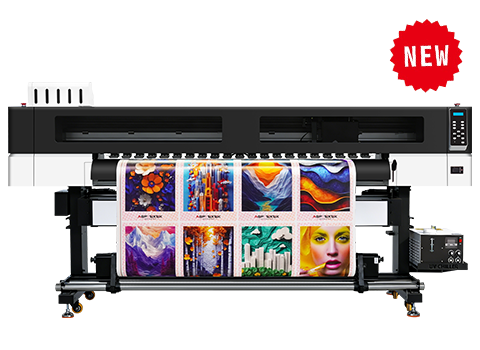
The TK1600 is AGP's flagship industrial DTF printer — 1600mm print width, automated ink supply, white ink circulation system for consistent white ink performance. Built for factories and large-scale decoration businesses.
Supporting Equipment You'll Need
Beyond the core printer + shaker combo, budget for:
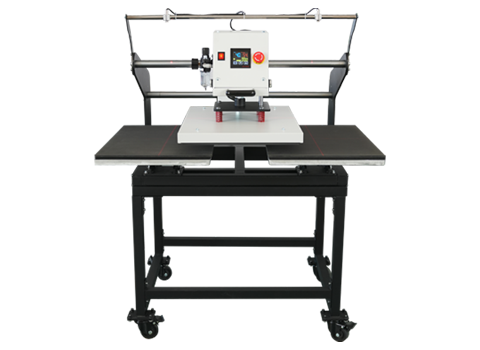
- Heat Press Machine — AGP H4060-2 is recommended. Essential for pressing finished transfers onto garments.
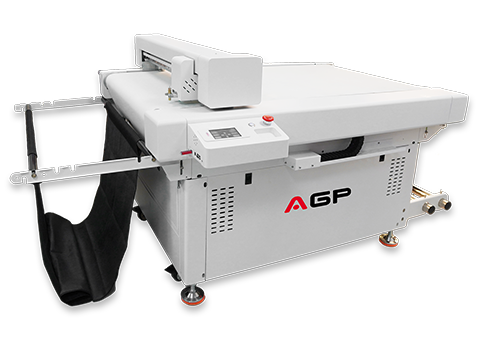
- DTF Cutter (C7090) — For cutting individual transfers from gang sheets cleanly and efficiently. Not essential on day one, but important as volume grows.
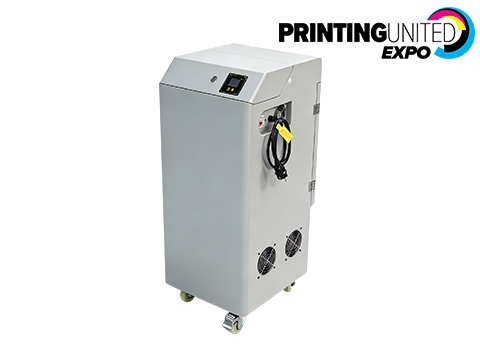
- Air Purifier (JS100H) — Recommended for any enclosed workspace. DTF white ink contains particles that require proper ventilation.
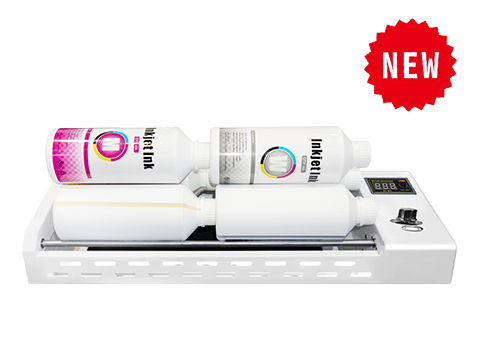
- White Ink Rotator (IM-4/IM-6) — Keeps white ink from settling when the printer is idle. Critical for print quality and head longevity.
Step 3: Understand Your Consumable Costs
Consumables are your ongoing cost of goods. In DTF, they consist of:
| Consumable | Role | AGP Product |
|---|---|---|
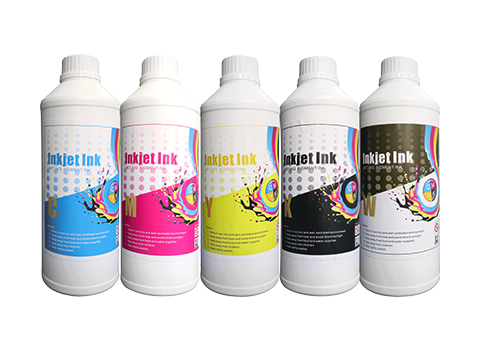
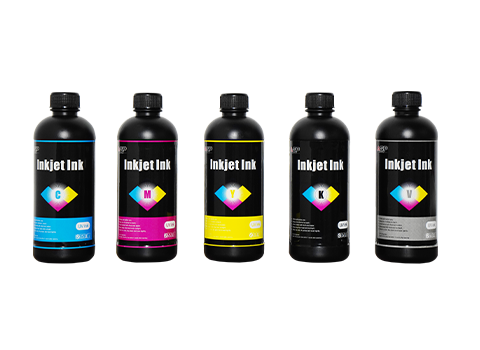
| DTF Ink (CMYK + White) | The ink that forms your image | AGP Pigment Ink |
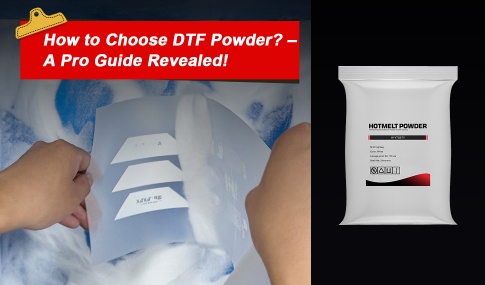
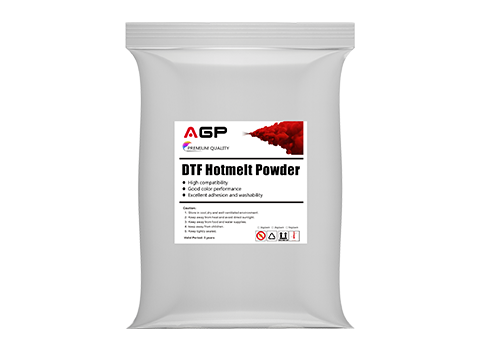
| Hot Melt Adhesive Powder | Bonds transfer to fabric after curing | AGP DTF Powder |
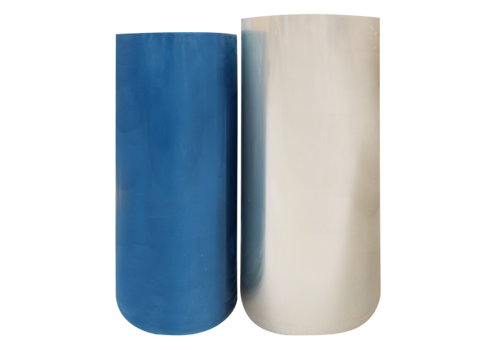
| PET Transfer Film | The substrate you print on | AGP DTF PET Film |
Typical consumable cost per A4 transfer (single design): $0.15 – $0.35 depending on design coverage and ink density.
For gang sheets (packing multiple designs on one sheet), the per-design cost drops significantly — one of the main reasons the transfer-selling model is so profitable.
AGP supplies all three consumables factory-direct, ensuring compatibility with AGP printers and consistent batch quality. Many customers find that using off-brand consumables leads to printhead clogging and color inconsistency — always verify compatibility before switching suppliers.
Step 4: Calculate Your Potential Profit
Here's a simple profit model for a custom T-shirt order (single piece):
| Item | Cost |
|---|---|
| Blank T-shirt (wholesale) | $3.00 – $5.00 |
| DTF transfer (A4 design) | $0.25 |
| Heat press electricity | $0.05 |
| Packaging | $0.50 |
| Total Cost of Goods | ~$3.80 – $5.80 |
| Typical Retail Price | $18 – $30 |
| Gross Margin | $12 – $24 per piece |
For bulk orders (12+ pieces of the same design), your per-piece transfer cost drops further. At 50+ pieces using a gang sheet, you can reduce transfer cost to under $0.10 per design.
For the transfer-selling model, margins are even clearer: an A4 gang sheet of mixed designs might cost $1.50 in consumables and sell for $5–$8 wholesale to another decorator.
Step 5: Set Up Your Workspace
DTF printing doesn't require a large space, but you do need:
- Stable temperature and humidity — White ink and adhesive powder are sensitive to environmental conditions. Ideal: 65–75°F (18–24°C), 40–60% relative humidity.
- Ventilation — Curing the adhesive powder generates heat and some fumes. An air purifier and adequate airflow are important.
- Flat, stable surfaces — Your printer and heat press both need level, vibration-free placement.
- Power supply — Industrial DTF printers may require 220V. Confirm your facility's electrical capacity before purchasing.
A 200–400 sq ft dedicated workspace is sufficient for a starter or mid-size operation.
Step 6: Source Your Blanks and Find Customers
Where to source blank garments:
- Wholesale distributors (S&S Activewear, Alphabroder, SanMar in the US)
- Local wholesale markets if you're in Asia or Europe
- Dropship partners if you want to avoid holding inventory
Where to find your first customers:
- Local sports teams, schools, and clubs (bulk orders, consistent repeat business)
- Etsy, Shopify, or local Facebook Marketplace for individual custom orders
- Approaching local screen printers and embroiderers to sell them gang sheets
- Instagram and TikTok — short videos of the printing process go viral regularly and cost nothing
Why Buy Your DTF Printer from AGP?
AGP (A Good Printer) is a factory-direct DTF and UV printer manufacturer based in China with 20+ years of production experience, 30+ patents, and distributors across Europe, North America, South America, and Southeast Asia.
Key reasons customers choose AGP:
- Epson-head machines — AGP uses genuine Epson printheads (I3200, F1080, I1600) for reliability and print quality
- ISO 9001 certified — consistent manufacturing quality control
- CE certified printers — compliant for European and international markets
- 6–12 hour technical response time — expert support across all time zones
- 1-year warranty + lifetime technical guidance
- Full ecosystem — printer, shaker, consumables (ink, powder, film), and accessories all from one source
Ready to Start? Talk to the AGP Team
Starting a DTF business is one of the most accessible ways to enter the custom printing industry. The equipment investment is recoverable within months at even modest order volumes.
Contact AGP today for:
- A personalized equipment recommendation based on your business model and budget
- A free sample pack of AGP DTF consumables
- A factory price quote with no middleman markup