
How to Print on Wood with a UV Printer: Complete Step-by-Step Guide for Custom Wood Printing
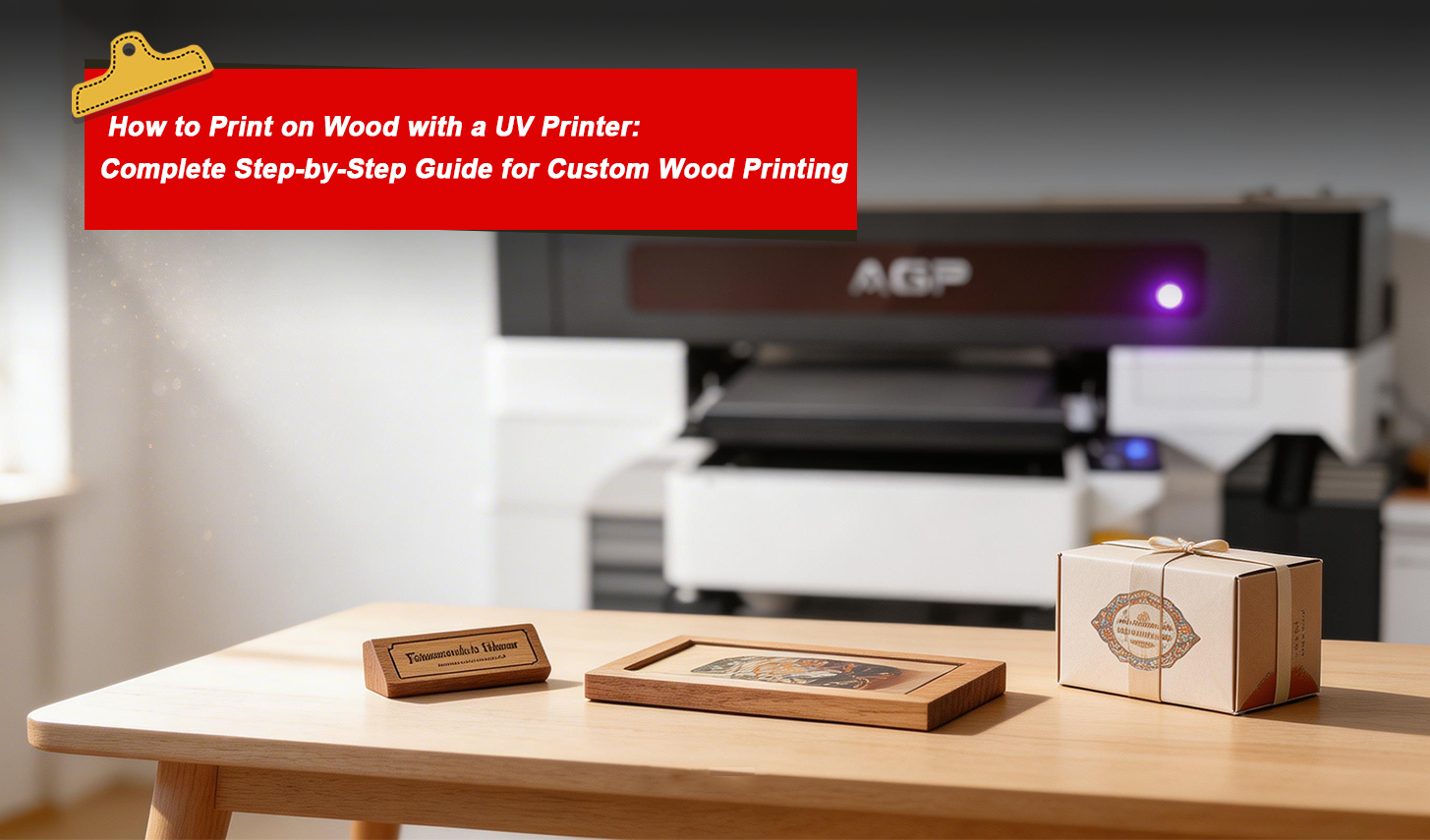
In recent years, customized wood products have become increasingly popular in signage, interior decoration, personalized gifts and commercial branding. Compared with traditional wood printing methods such as screen printing, thermal transfer or manual painting, UV printer technology offers a more stable, efficient and professional solution.
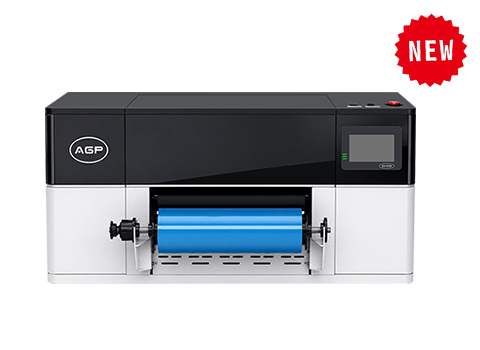
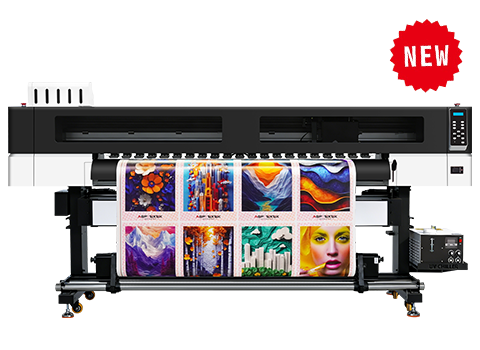
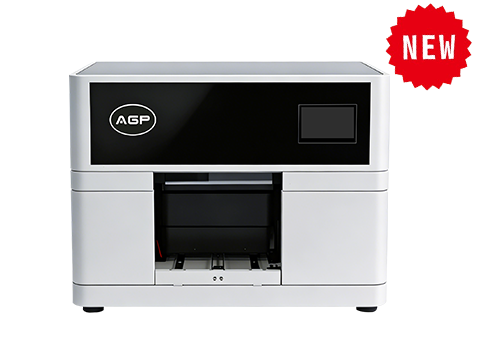
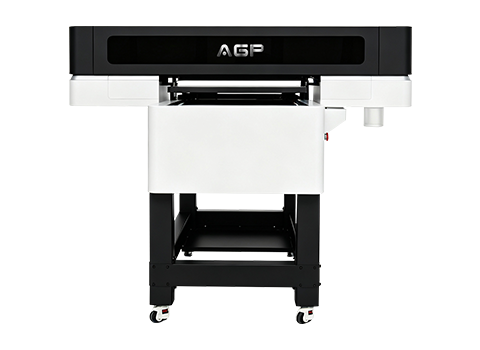
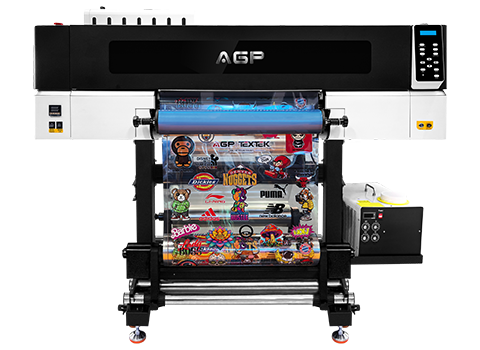
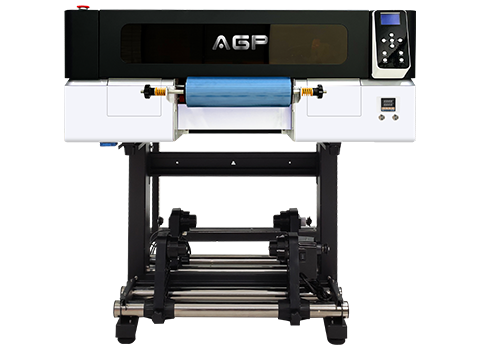
By using ultraviolet curing technology, a UV printer can directly print full-color images, logos and textures onto wooden surfaces with high precision, strong adhesion and excellent durability. This makes UV flatbed printers and UV DTF printers a key tool for modern wood printing businesses.
This guide will walk you through how to use a professional UV printer to print on wood, from preparation to finishing, and help you understand why UV printing is becoming the mainstream solution for wood customization.
Two Main Types of UV Printing on Wood
Before entering the actual workflow, it is important to understand that wood printing with UV technology mainly falls into two practical methods.
Direct UV printing on wood
Direct UV printing uses a UV flatbed printer to print the image directly onto the wooden surface. After the ink is jetted, high-power UV lamps instantly cure the ink layer.
This method is widely used for:
-
wooden signs
-
decorative wooden panels
-
furniture boards
-
customized wooden artworks
Because the ink is cured immediately, the print does not spread or soak into the wood fibers. This guarantees sharp edges, high resolution and strong color density.
UV DTF transfer printing on wood
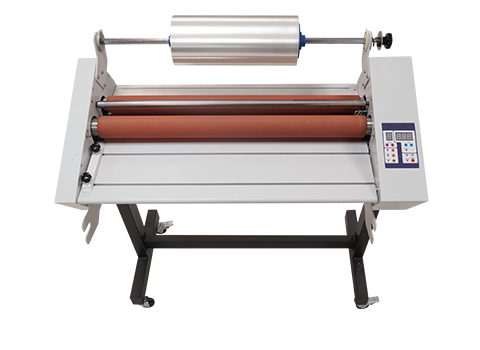
The second method is using a UV DTF printer system. The design is first printed onto a special UV DTF film, laminated, and then transferred to the wooden surface by pressure.
This solution is especially suitable for:
-
irregular wood surfaces
-
curved or textured wood products
-
pre-finished wood boards
-
small customized batches
UV DTF printing offers excellent flexibility and reduces material limitations when direct flatbed printing is difficult.
Materials and Equipment You Need for UV Wood Printing
A stable printing result always starts with proper preparation.
To run a professional wood printing workflow, you will need the following:
-
UV printer (UV flatbed printer or UV DTF printer)
-
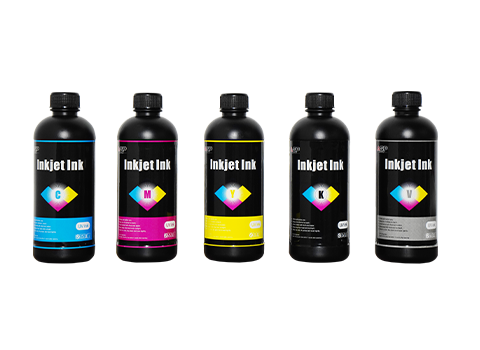
compatible UV ink
-
wooden substrates
-
cleaning and surface preparation tools
-
RIP software
-
optional coating materials
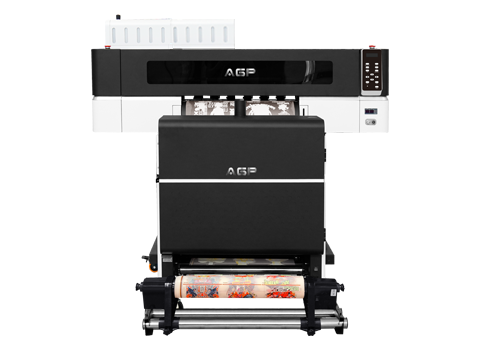
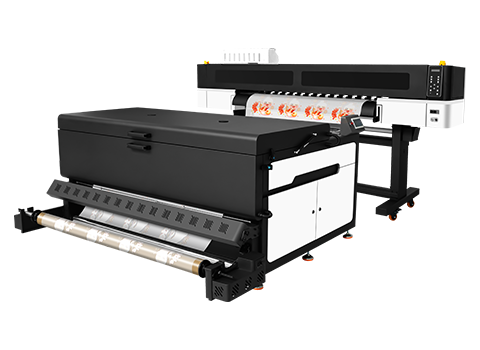
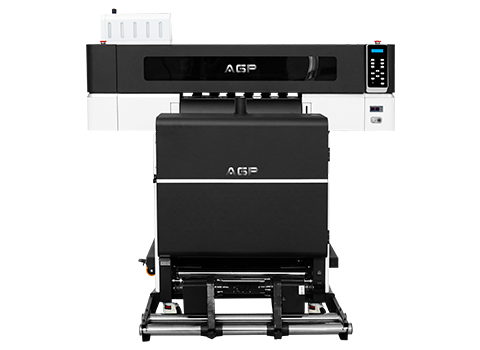
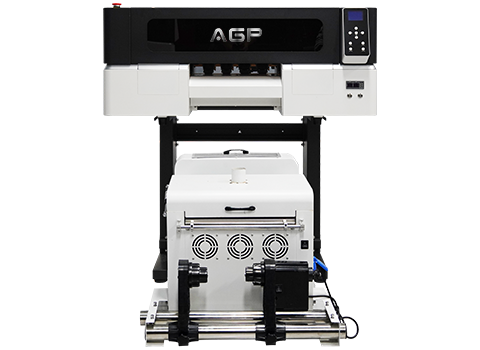
Your AGP UV printer should be correctly calibrated before production. This ensures nozzle alignment, accurate color output and consistent curing.
When selecting wooden materials, smoother and flatter boards always deliver better printing quality. Solid wood, MDF boards and plywood can all be printed with UV digital printing technology.
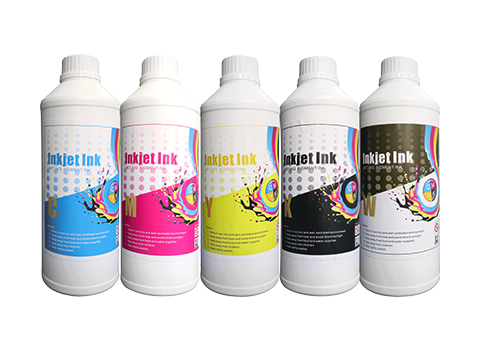
High-quality UV ink is another critical factor. Industrial-grade UV ink ensures proper adhesion to wood, stable curing and long-term durability.
Surface Preparation: The Foundation of High-Quality UV Printing on Wood
Although UV printers can print directly on wood, surface preparation still plays a decisive role.
Before printing, you should:
-
lightly sand the surface with fine-grit sandpaper
-
remove wood dust and fibers
-
clean the surface with lint-free cloth
If the surface contains oil, moisture or wax, ink adhesion will be affected. Clean and dry wood ensures that the UV ink layer bonds firmly to the substrate.
In professional UV printing workflows, surface consistency directly affects image clarity, curing quality and edge sharpness.
Step-by-Step Workflow: How to Print on Wood with a UV Printer
Step 1 – Prepare your design file
Prepare your artwork using professional design software. Set proper resolution and color mode. Export the file in compatible formats such as TIFF, PDF or PNG and import it into the UV printer RIP software.
Correct layout and scaling are especially important when producing customized wooden signage or branding boards.
Step 2 – Set up the AGP UV printer
Turn on your AGP UV printer and confirm that:
-
print heads are clean
-
ink circulation is normal
-
UV lamps are functioning properly
-
media height detection is correctly set
Proper printer configuration prevents head strikes and ensures uniform curing.
Step 3 – Load UV ink and check curing system
Always use manufacturer-approved UV ink. Compatible ink chemistry guarantees:
-
stable jetting performance
-
reliable curing
-
strong bonding with wooden substrates
Check UV lamp intensity and curing settings to match the selected print mode.
Step 4 – Position the wooden board on the printer bed
Place the wood flat and secure it firmly. Make sure the board does not move during printing. Any micro-movement can lead to misalignment and blurred images.
Clamps or vacuum tables can be used if required.
Step 5 – Start printing and monitor the process
Send the job to the printer and observe:
-
ink distribution
-
nozzle performance
-
curing response
-
surface interaction
High-end UV flatbed printers allow precise control of print layers, varnish layers and white ink, which is essential for premium wood products.
Step 6 – Post-printing inspection and optional coating
After printing, inspect the wood carefully:
-
color consistency
-
edge sharpness
-
surface smoothness
For products intended for outdoor use or heavy handling, a transparent protective coating or varnish layer can further improve scratch resistance and moisture protection.
Why UV Printers Are Better for Wood Printing Than Traditional Methods
The rise of UV printer technology is not accidental. Compared with traditional wood printing techniques, UV digital printing offers significant advantages.
High precision and fine details
UV printers deliver extremely accurate dot placement. Even fine typography and complex textures can be reproduced clearly on wooden surfaces.
Fast production and instant curing
Traditional printing often requires drying time. UV printing eliminates this delay. The ink cures immediately under UV light, allowing continuous production and fast delivery.
This makes UV printers highly suitable for:
-
short-run orders
-
customized wood printing
-
on-demand production
Excellent durability and scratch resistance
UV-cured ink forms a solid layer on the surface of the wood. It is resistant to fading, abrasion and minor impacts.
This is critical for:
-
commercial signage
-
decorative panels
-
furniture branding elements
Vibrant color output
Modern UV printers provide high color density and stable color reproduction. CMYK plus white and varnish configurations allow more creative and layered visual effects.
Environment-friendly digital printing solution
Compared with solvent-based systems, UV printing produces lower VOC emissions. The curing process does not require additional solvents or water.
From a sustainability perspective, UV printers meet the increasing environmental expectations of modern manufacturing.
Strong material compatibility
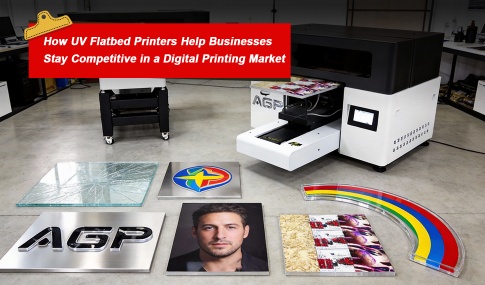
Besides wood, UV flatbed printers can also print on:
-
acrylic
-
glass
-
metal
-
ceramic
-
PVC boards
This versatility allows businesses to expand their product portfolio using a single UV printing system.
Business Applications of UV Wood Printing
UV wood printing technology is widely adopted across multiple industries.
Customized wooden signs and shop branding
Retail stores, cafes and exhibition booths frequently use wooden signage printed by UV printers to achieve a premium appearance.
Interior decoration and wall art
UV printing on wood panels allows designers to create personalized decorative surfaces for residential and commercial spaces.
Personalized gifts and crafts
Wooden photo frames, plaques, name boards and decorative ornaments benefit greatly from UV printing due to its flexibility and small-batch production capability.
Furniture labeling and branding components
Furniture manufacturers use UV printers to apply logos, serial numbers and branding graphics directly onto wooden components.
Exhibition and display boards
Lightweight wood boards printed with UV technology are ideal for exhibition displays and promotional installations.
Direct UV Printing vs UV DTF Printing on Wood
Both methods serve different business scenarios.
Direct UV flatbed printing is recommended when:
-
the wooden surface is flat
-
the board fits within the printer size
-
the design requires precise alignment
UV DTF transfer printing is more suitable when:
-
the surface is irregular
-
the product is already assembled
-
the shape is not compatible with flatbed printing
Many professional print shops combine both UV flatbed printers and UV DTF printers to build a complete customization workflow.
Common Mistakes When Printing on Wood with UV Printers
Even with advanced equipment, mistakes can occur.
The most common problems include:
-
insufficient surface cleaning
-
incorrect media height setting
-
using incompatible UV ink
-
improper curing intensity
-
poor file preparation
A standardized operating procedure and routine maintenance of your AGP UV printer can greatly reduce these risks.
Summary: Is UV Printing the Best Solution for Wood Customization?
UV printing on wood represents a modern and scalable solution for the customization industry. By combining:
-
instant curing
-
excellent durability
-
strong color performance
-
flexible material compatibility
UV printers significantly improve production efficiency and product consistency.
Whether you operate a small customized gift studio or an industrial printing facility, integrating a professional AGP UV flatbed printer or AGP UV DTF printer allows you to expand into profitable wood printing applications with minimal technical barriers.
If you are planning to upgrade your wood printing workflow or start a new customized wood product business, choosing the right UV printer platform will directly determine your long-term competitiveness.
AGP provides complete UV printer solutions designed for signage, decoration, industrial printing and customized product manufacturing. Our equipment is built to support stable output, flexible applications and scalable production.